The Apothecary / Whole body & tonics
Stress (adaptogens)
23 remedies
Reference, not prescription. Nothing here is medical advice. Herbs can interact with medicines and be dangerous in pregnancy; tell your doctor or pharmacist about anything you take.
Moderate evidence
ModerateSeveral trials, mostly positive, or an EMA ‘well-established use’ monograph.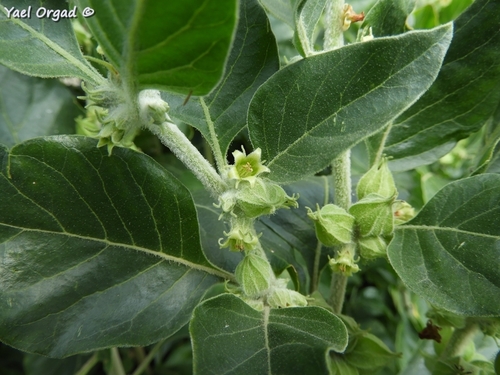
Limited evidence
LimitedSmall or few trials, mixed results, or mainly lab and animal work.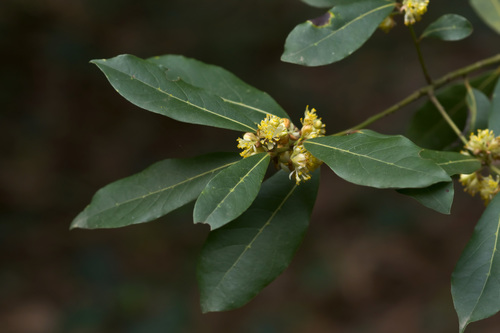
Bay laurel
Laurus nobilis
In the same uncontrolled Tunisian study, daily bay-leaf tea for 10 days was followed by lower plasma cortisol and lower stress and anxiety questionnaire scores; there was no placebo group.

Butterfly pea
Clitoria ternatea
In a 12-week study of 90 people with type 2 diabetes and moderate diabetic distress, 5–10 g of flower extract daily lowered serum protein carbonyls and raised urinary 5-HIAA (a serotonin metabolite); distress scores themselves were not reported in the abstract.
Clary sage
Salvia sclarea
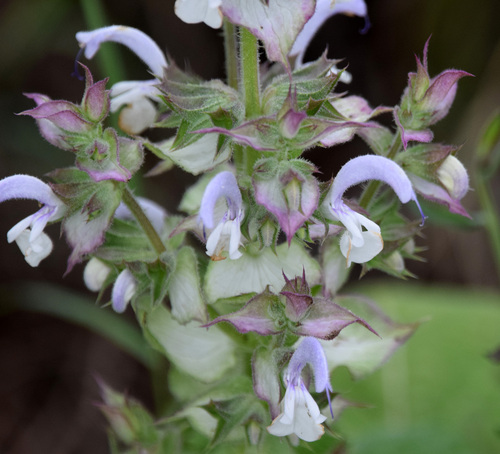
In a double-blind randomised trial of 34 women with urinary incontinence, inhaling 5% clary sage oil during urodynamic testing lowered systolic blood pressure and breathing rate compared with almond oil, which the authors read as relaxation. In a 2025 randomised trial of 72 people with diabetic foot ulcers, inhaled clary sage oil reduced self-rated stress in those with mild depression; for moderate-to-severe depression, linalyl acetate alone did better. Both trials were small and short.
Damask rose
Rosa damascena
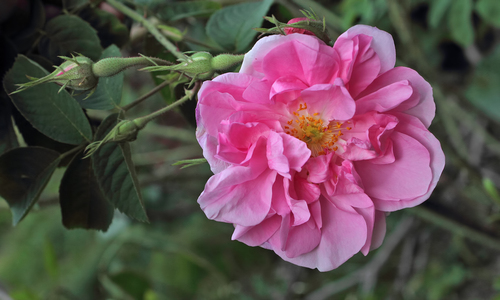
In the same meta-analysis, five trials pooled showed lower stress scores with rose-oil inhalation (SMD −0.76). Effects on depression (two trials) were not significant.
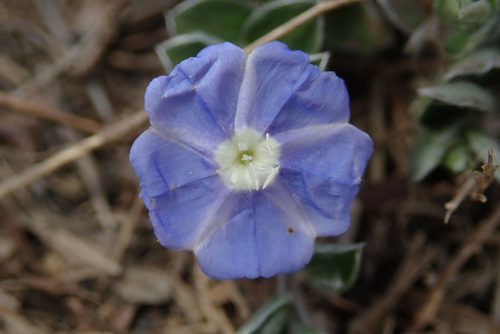
Dwarf morning glory
Evolvulus alsinoides
In rats under acute and chronic stress, an ethanol extract reduced stress markers such as stomach ulcers, adrenal weight and corticosterone, about as much as American ginseng. These are animal data only.
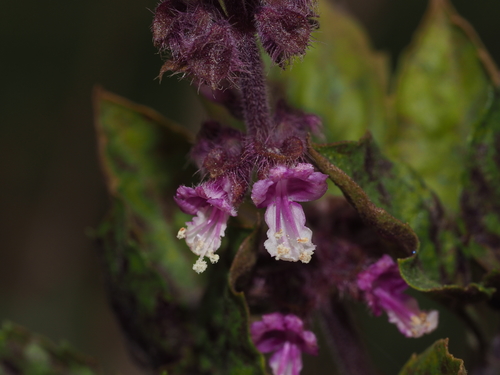
Holy basil (Tulsi)
Ocimum tenuiflorum
A placebo-controlled trial in 150 stressed adults (400 mg extract three times daily for 6 weeks) reported less fatigue and fewer sleep and sexual problems; two studies reported 31–39% falls in stress-symptom scores. Trials are short and few were well blinded.

Kava
Piper methysticum
Commission E approved kava for 'nervous anxiety, stress and restlessness'; the authors of the negative 2020 trial suggest any benefit may be for short-term, situational anxiety rather than diagnosed disorders.

Lemon verbena
Aloysia citrodora
EMA traditional use for mild symptoms of mental stress. An 8-week double-blind placebo-controlled trial of a verbascoside-standardised extract (400 mg capsules) reported lower perceived stress and lower cortisol.
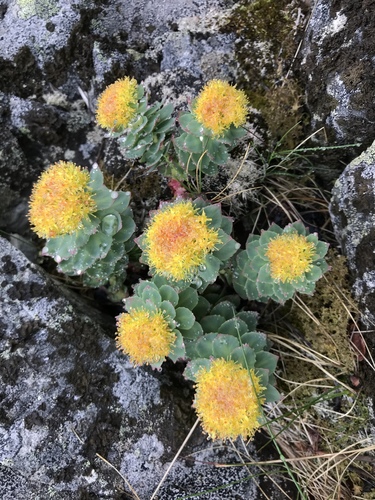
Roseroot
Rhodiola rosea
Covered by the same EU traditional indication. Open-label studies in people with life stress or burnout reported improvement, but without a placebo group. NCCIH concludes there isn't enough reliable evidence for any health purpose.

Satsuma
Citrus unshiu
In a double-blind trial in 23 women during a stressful pharmacy placement, β-cryptoxanthin-rich satsuma juice (125 ml daily) prevented the evening rise in salivary amylase, a stress marker, seen with placebo juice. The study was very small and measured a marker, not symptoms.
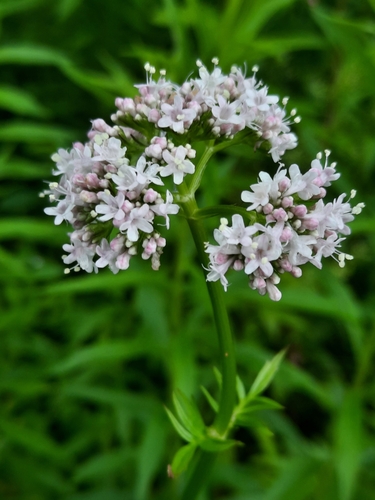
Valerian
Valeriana officinalis
EMA well-established use for relief of mild nervous tension (dry extract) and traditional use for mild symptoms of mental stress (tea, tinctures); NCCIH finds the evidence too thin for conclusions about stress.
Traditional use
TraditionalLong recorded use, essentially untested in clinical trials.
American skullcap
Scutellaria lateriflora
Traditionally used for anxiety, stress and insomnia in North America; the Cherokee took a decoction 'for nerves'.
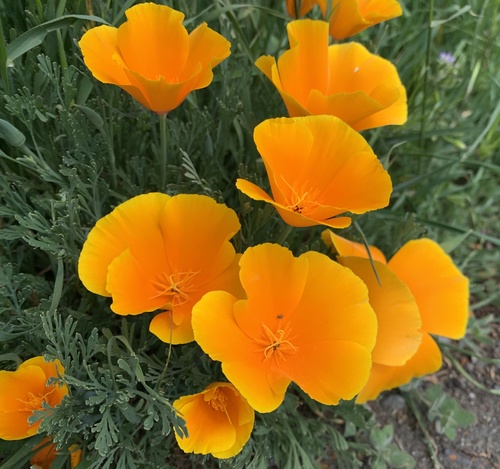
California poppy
Eschscholzia californica
EMA traditional use for relief of mild symptoms of mental stress, based on long-standing use.
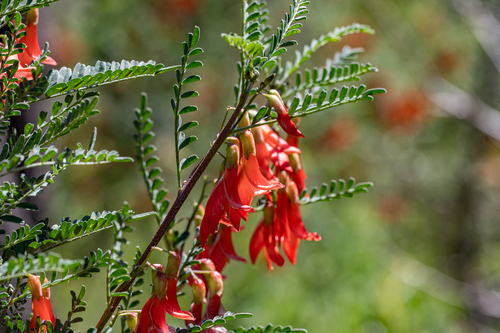
Cancer bush
Lessertia frutescens
Recorded Zulu use after battle to induce calm and by widows in grief; lab work shows extracts reduce cortisol production in adrenal cells.
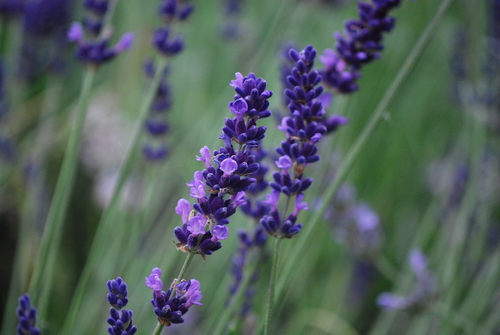
English lavender
Lavandula angustifolia
EMA traditional use of the flower and the oil for relief of mild symptoms of mental stress and exhaustion; the HMPC found the trials too small to establish an effect.
Gambian tea bush
Lippia multiflora
In Ghana the leaves are made into a herbal tea drunk for its aroma and for stress relief. Not clinically tested.

Hawthorn
Crataegus monogyna
EMA traditional-use indication for relief of mild symptoms of mental stress, based on long use rather than trials.
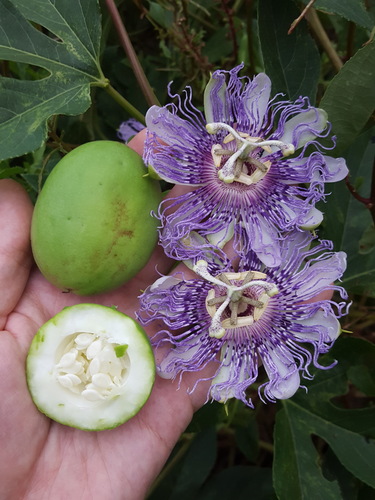
Maypop
Passiflora incarnata
EU traditional-use indication for relief of mild symptoms of mental stress, documented in European handbooks since 1938. NCCIH finds not enough evidence for stress.
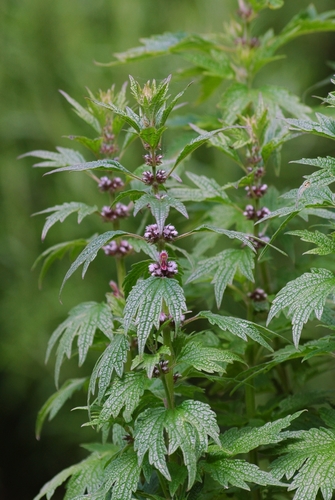
Motherwort
Leonurus cardiaca
EMA traditional use to relieve symptoms of nervous tension, based on continuous use documented in Europe for several centuries. No efficacy studies were found.
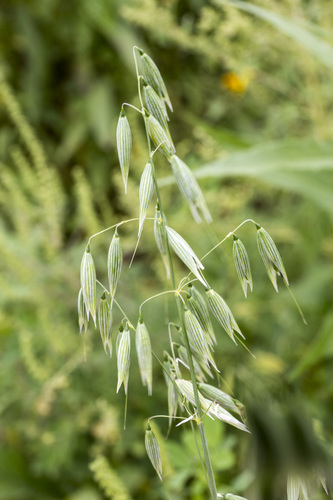
Oat
Avena sativa
EMA traditional use of the herb for relief of mild symptoms of mental stress. A 2024 randomised trial of a green oat extract (900 mg/day, 145 people cutting down on smoking) found greater falls in perceived stress than placebo.
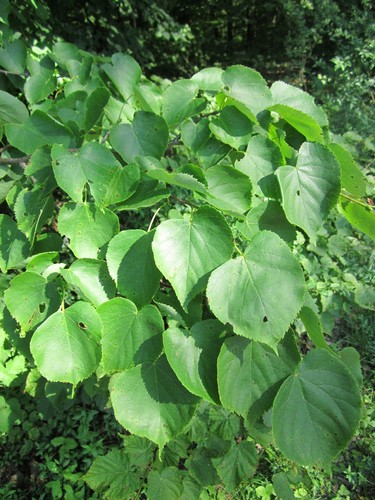
Small-leaved lime
Tilia cordata
EMA traditional-use indication: relief of mild symptoms of mental stress. A lime-flower extract acted on peripheral benzodiazepine receptors in lymphocytes in lab tests, but there are no clinical trials.
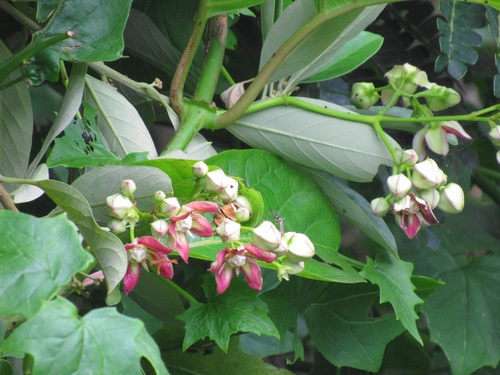
White's ginger
Mondia whitei
Roots are used for stress and mental disorders, and in southern Africa for nervous conditions; extracts of cultured roots inhibited acetylcholinesterase in the test tube.