The Apothecary / Whole body & tonics
General tonic
54 remedies
Reference, not prescription. Nothing here is medical advice. Herbs can interact with medicines and be dangerous in pregnancy; tell your doctor or pharmacist about anything you take.
Limited evidence
LimitedSmall or few trials, mixed results, or mainly lab and animal work.
Desert broomrape
Cistanche deserticola
One industry-sponsored randomised, double-blind trial in 48 men doing resistance training found 5 g of extract twice daily for 8 weeks improved strength measures and blood markers (testosterone, cortisol, CRP, creatine kinase) more than placebo, especially in untrained men; no adverse events were reported. Independent replication is lacking.
Safed musli
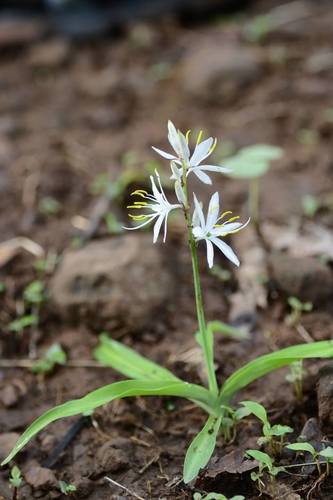
Chlorophytum borivilianum
In a pilot double-blind RCT in 60 healthy volunteers, 3 g/day of root powder for 60 days increased 6-minute walk distance (468 vs 420 m) and cycle-ergometer distance compared with placebo, with lower diastolic blood pressure under fixed workload; handgrip strength did not differ from placebo.
Traditional use
TraditionalLong recorded use, essentially untested in clinical trials.
African potato
Hypoxis hemerocallidea
Corm decoctions are taken as tonics for wasting diseases, tuberculosis and cancers.
American ginseng
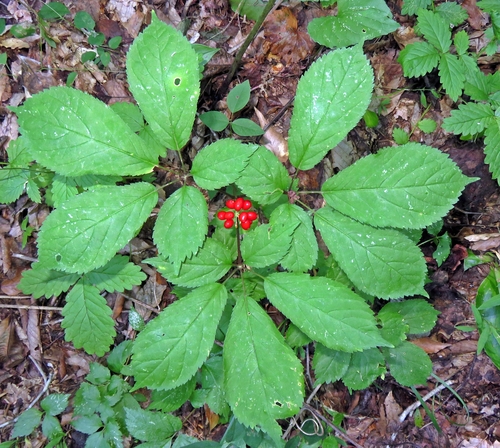
Panax quinquefolius
Used as a general tonic by the Cherokee, Delaware and Menominee, and as a tonic, stimulant, digestive and diuretic in the traditional uses WHO records.
Amla (Indian gooseberry)
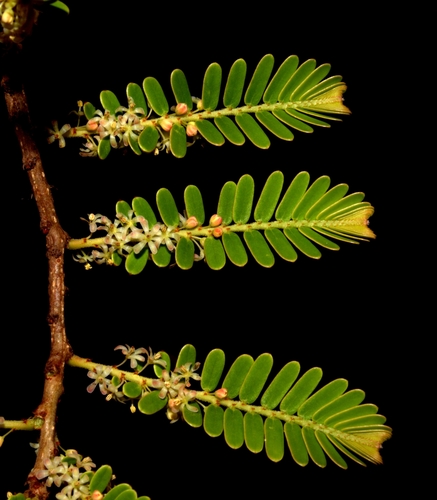
Phyllanthus emblica
Amalaki is a classic rasayana (rejuvenative) in Ayurveda and the base of chyawanprash.
Argan
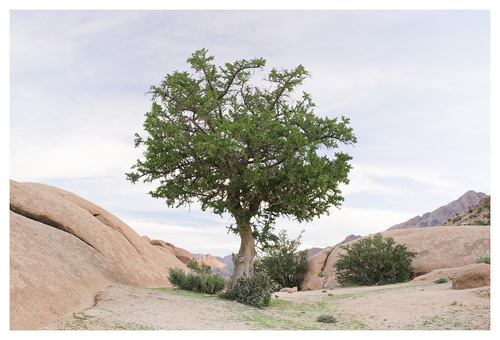
Argania spinosa
Eaten as a fortifying food: almandaq (semolina, barley and argan oil, mainly for children), amlou (roasted almonds, honey and argan oil, also considered aphrodisiac) and bsis (barley flour, honey and oil).
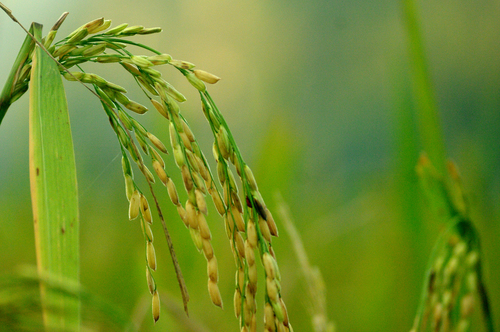
Asian rice
Oryza sativa
Njavara (Shashtika), a fast-maturing rice described in the Charaka and Sushruta Samhitas, is still grown in Kerala because its grains are needed for several Ayurvedic treatments.
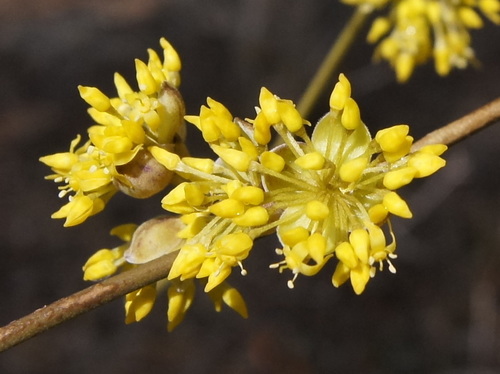
Asiatic dogwood
Cornus officinalis
A classic tonic of Chinese medicine for weakness, dizziness and tinnitus, sore lower back and knees, and profuse sweating. Not tested clinically.
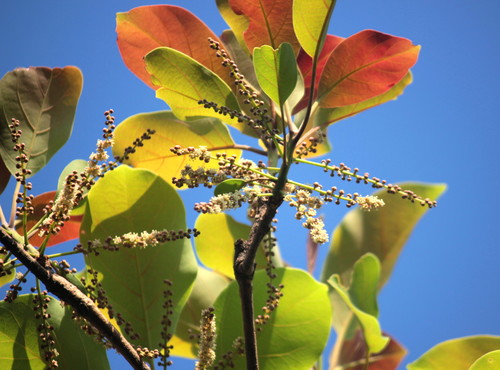
Bibhitaki
Terminalia bellirica
The Charaka Samhita includes bibhitaki in rasayana (rejuvenating) preparations said to bestow longevity, intellect and strength.

Bitter bark
Alstonia constricta
Taken as a tonic in Queensland Aboriginal medicine.
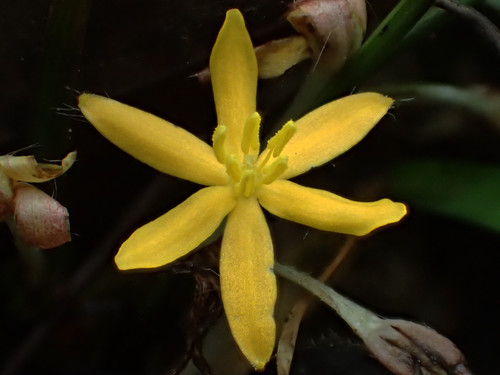
Black musli
Curculigo orchioides
Considered since the Tang dynasty a tonic to maintain energy and nourish liver and kidney.
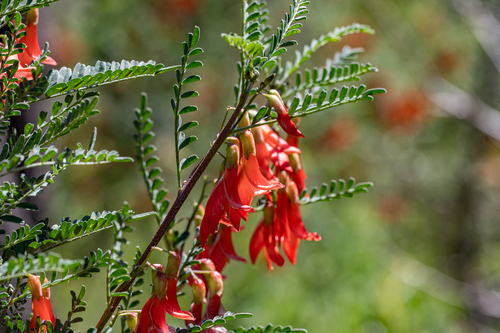
Cancer bush
Lessertia frutescens
Used as an adaptogenic tonic and, as commercial tablets, against HIV-associated muscle wasting; no trial has shown an effect on wasting.

Cascarilla
Croton eluteria
Given as a tonic and stimulant for the debility of chronic disease and convalescence from acute illness in Eclectic practice.

Chaga
Inonotus obliquus
Brewed as a general health drink and coffee substitute in Russia and Finland.
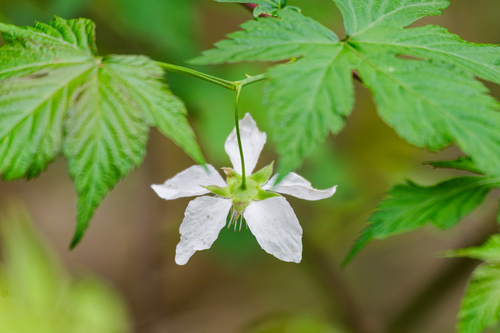
Chinese raspberry
Rubus chingii
Treated as a food-medicine for 'kidney deficiency'; the fresh ripe fruit is eaten and the plant is on China's 2002 list of substances that are both food and medicine.
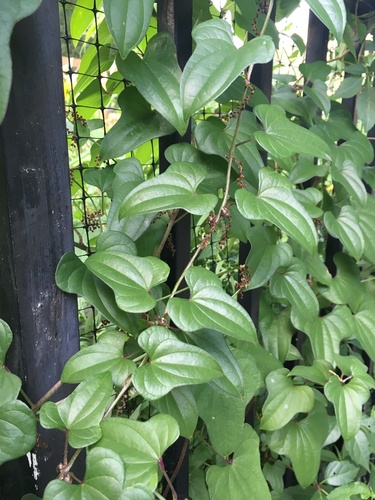
Chinese yam
Dioscorea polystachya
A superior-grade tonic in the Shennong Bencao Jing for the lungs, spleen and kidneys and the 'five fatigues'; used in formulas such as Liuwei Dihuang pills.

Early purple orchid
Orchis mascula
The tuber is valued as a nourishing tonic in Turkey, and orchid tubers were eaten in famines. Nineteenth-century authors already argued that salep's food value was overestimated.
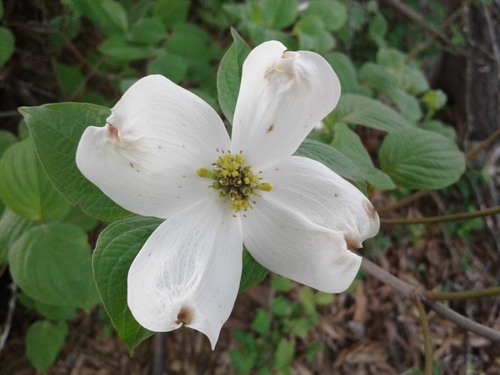
Flowering dogwood
Cornus florida
The Delaware, Cherokee and Rappahannock used the root or root bark as a tonic, and the Rappahannock also used it 'to purify the blood'. King's calls the bark tonic, astringent and slightly stimulant, for use in general exhaustion.
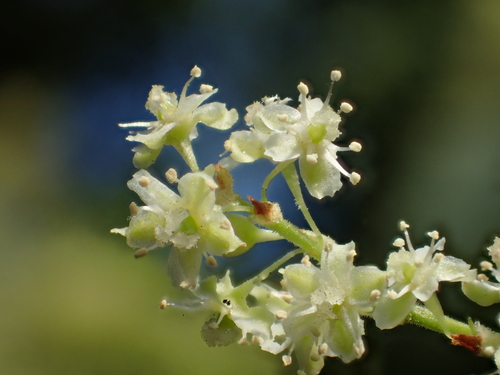
Fo-ti
Reynoutria multiflora
Used to 'nourish the liver and kidneys, tonify the blood' and against ageing; recorded for weakness of the lower back and knees, tinnitus, limb numbness and neurasthenia (processed root).
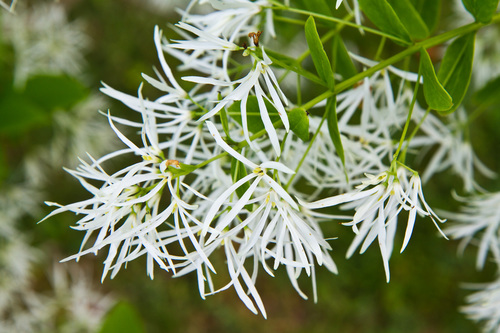
Fringe tree
Chionanthus virginicus
King's describes it as a tonic in convalescence from exhausting illness and in general debility.
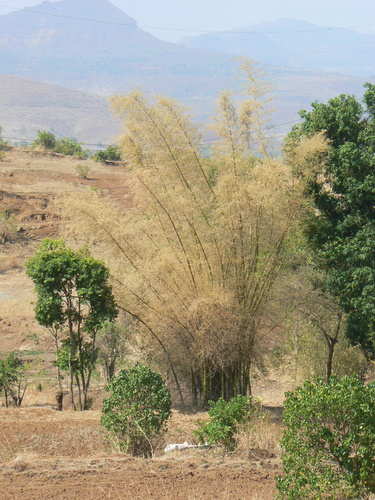
Giant thorny bamboo
Bambusa bambos
Ayurveda uses vanshlochan for general debility and bone-related disorders, on the strength of tradition rather than trials.
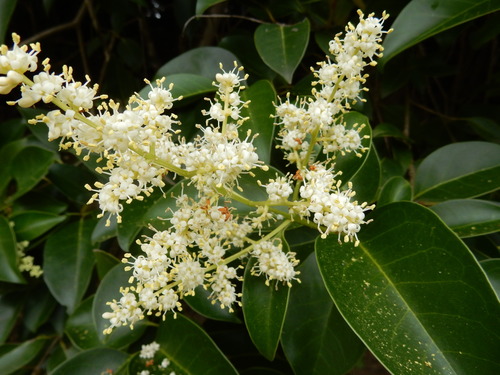
Glossy privet
Ligustrum lucidum
Ranked as a 'top-tier' (non-toxic) medicine in the Shennong Bencao Jing, which says long-term use keeps the body fit and delays ageing; the Chinese Pharmacopoeia describes it as supporting healthy energy and tonifying kidney and liver.
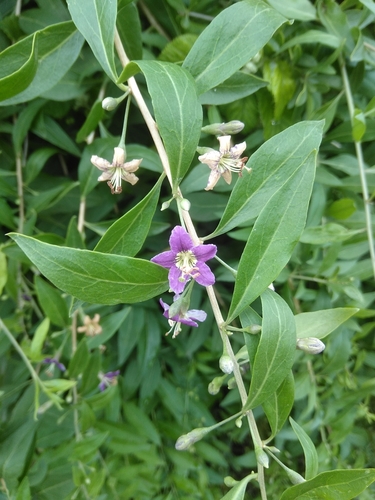
Goji
Lycium barbarum
The Shennong Bencao Jing says long-term use 'strengthens muscles and bones, lightens the body, and prevents ageing'; it remains a staple Chinese tonic food.
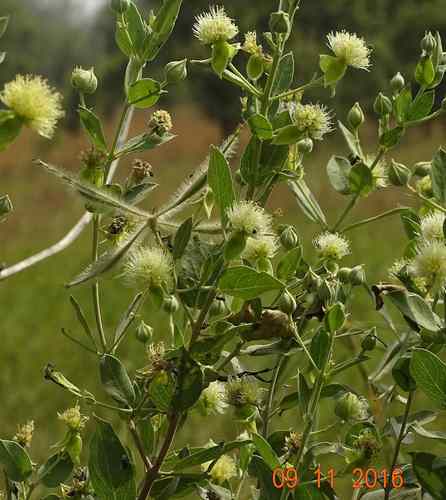
Guiera
Guiera senegalensis
Widely taken as a tonic in African traditional medicine (Burkina Faso, Guinea, Mali, Nigeria, Senegal, Sudan).
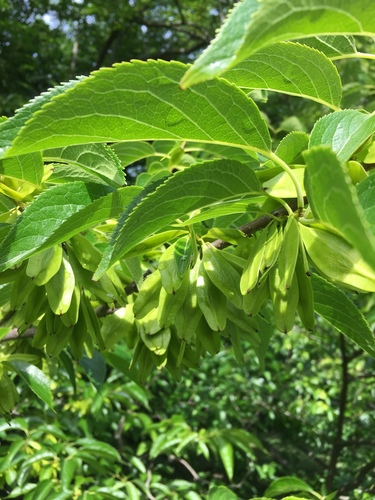
Hardy rubber tree
Eucommia ulmoides
Ranked a superior herb in the Shennong Bencao Jing for 'tonifying essence, strengthening tendons and bones, enhancing mental fortitude and promoting longevity'.
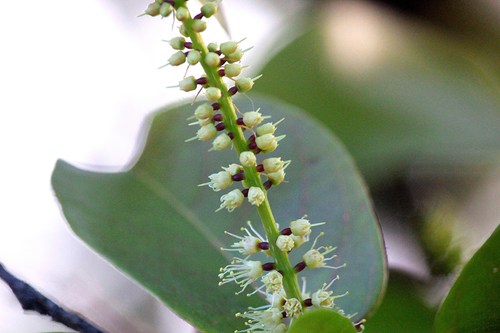
Haritaki (Chebulic myrobalan)
Terminalia chebula
A rasayana (rejuvenative) in Ayurveda and a cure-all in Tibetan medicine; no clinical evidence of general tonic effects.

Indian kudzu
Pueraria tuberosa
A rasayana used as a nutritive and energising tonic, and with long pepper for malnourished children. Anti-stress effects were seen in rats.
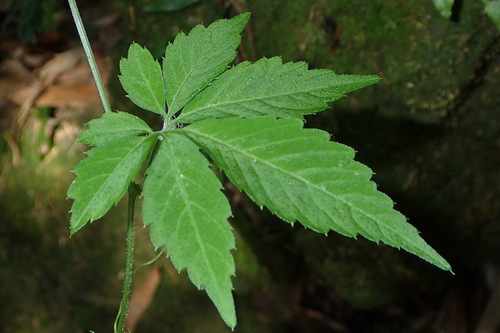
Jiaogulan
Gynostemma pentaphyllum
In TCM it is said to clear heat, detoxify, tonify qi and promote vitality; in rural East and Southeast Asia it is associated with longevity.
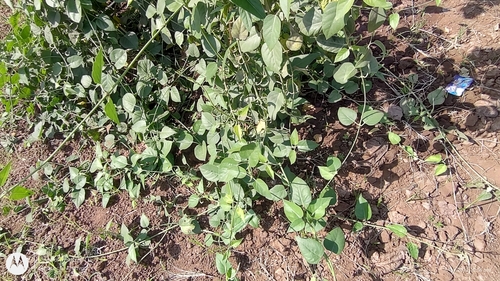
Jivanti
Leptadenia reticulata
In Ayurveda Jivanti is a Rasayana herb, used to promote vigour and vitality and for emaciation.
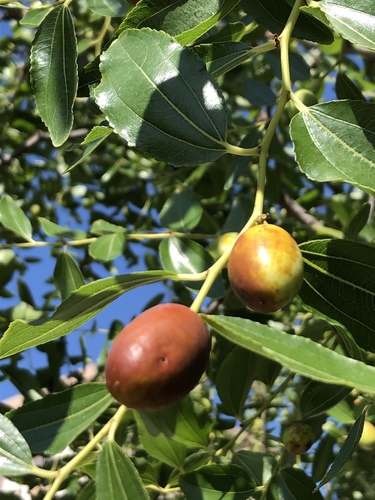
Jujube
Ziziphus jujuba
The Shennong Bencao Jing lists jujube as a top-grade herb said to lengthen life by nourishing the blood, improving sleep and aiding digestion.

Kakadu plum
Terminalia ferdinandiana
Aboriginal people ate the fruit directly, made a refreshing drink from it, and used it as a medicinal plant. Its main modern use is as a vitamin C- and antioxidant-rich food; health effects of eating it have not been tested in trials.
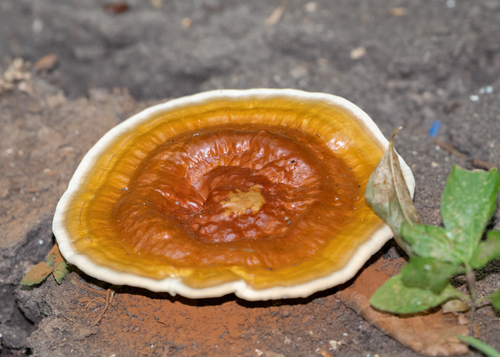
Lingzhi (reishi)
Ganoderma lingzhi
Ranked among the superior (upper-grade) medicines of the Shennong Bencao Jing, taken long-term for vitality and longevity.
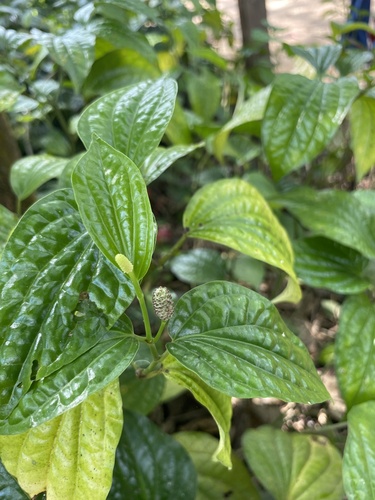
Long pepper
Piper longum
Classed in Ayurveda, Siddha and Unani as a rasayana, a rejuvenating and immune-supporting herb.
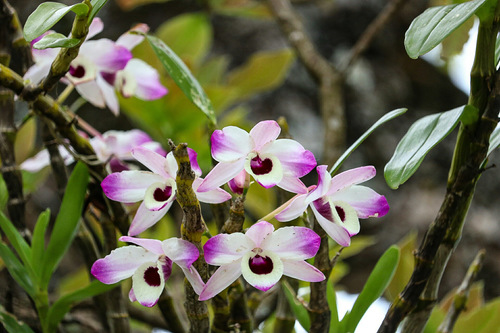
Noble dendrobium
Dendrobium nobile
TCM: nourishes yin, tonifies the five viscera and is said to 'lighten the body and prolong life'; stems also nourish the stomach and promote fluid production. No clinical trials.

Oregon grape
Berberis aquifolium
Samish took a root infusion as a general tonic, Okanagan-Colville a branch infusion as a 'blood tonic', and Karok a root decoction as medicine for all kinds of sickness.

Pellitory
Anacyclus pyrethrum
In Unani medicine Āqar qarha is a 'general tonic' (Muqawwī-i-‘Ām) and an ingredient of compound formulas such as Tiryaq Wabā'ī.
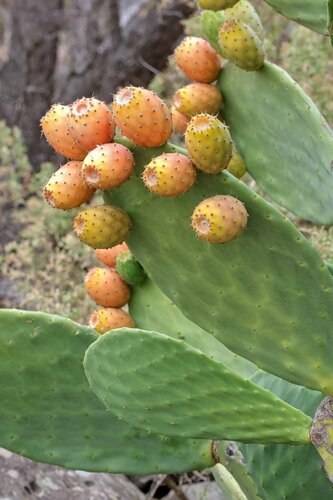
Prickly pear
Opuntia ficus-indica
The vitamin C–rich fruit was once eaten to prevent scurvy on long voyages.
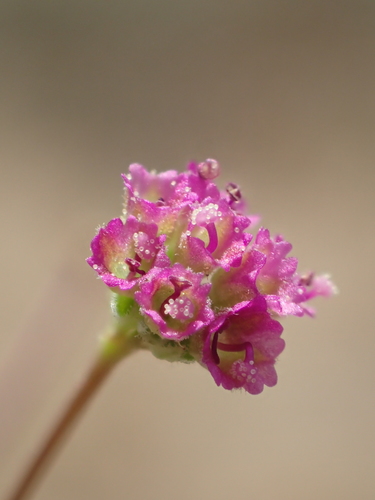
Punarnava
Boerhavia diffusa
Used as a 'rasayana' rejuvenator in Ayurveda, believed to restore vitality and strengthen body and mind.
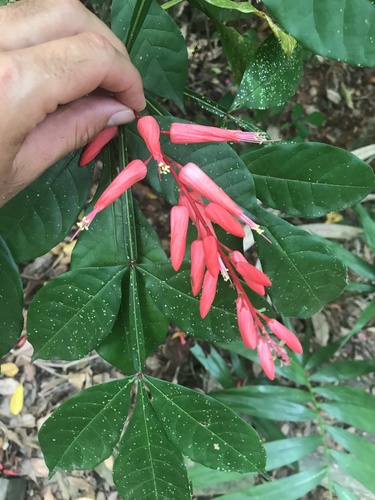
Quassia
Quassia amara
A bitter tonic; its bitterness is tied to the humoral principles of Creole medicine.
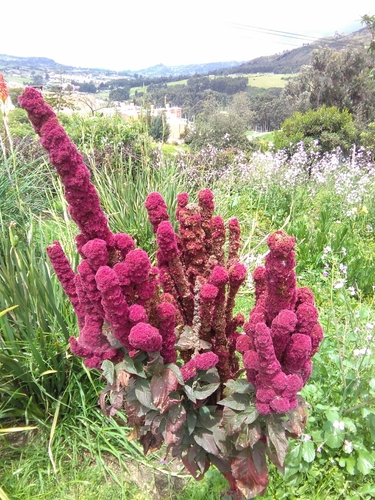
Quinoa
Chenopodium quinoa
Valued as a food: the seed has higher nutritive value than traditional cereals and an unusual balance of protein, oil and fat. This is a nutritional property, not a treatment effect.

Rehmannia
Rehmannia glutinosa
Used as a tonic and to 'regenerate blood and fluids'; root polysaccharides affect immune cells in mice, but there are no clinical trials of the root as a tonic.
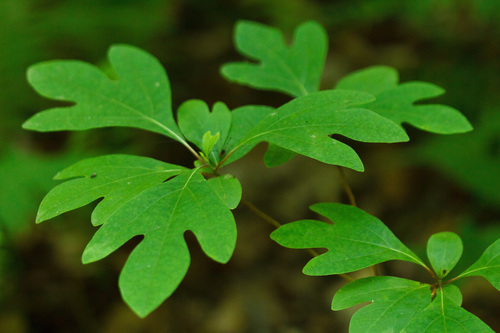
Sassafras
Sassafras albidum
The commonest Indigenous use: Cherokee, Chippewa, Choctaw, Delaware and Iroquois took root-bark infusions or decoctions to 'purify' or 'thin' the blood and as a spring tonic. MSK notes there is no scientific evidence for detoxification or general-health claims.
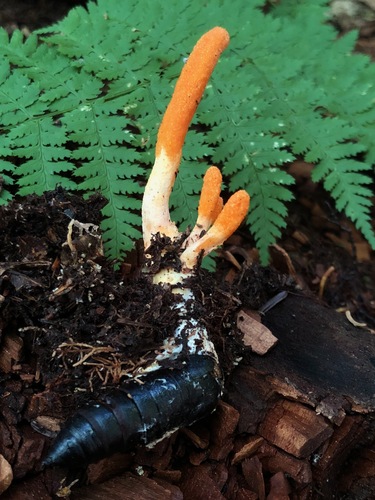
Scarlet caterpillar club
Cordyceps militaris
Used in Chinese and Korean practice as a lung and kidney tonic in place of Ophiocordyceps sinensis; health claims rest largely on that resemblance, and the effects of O. sinensis are themselves unproven.
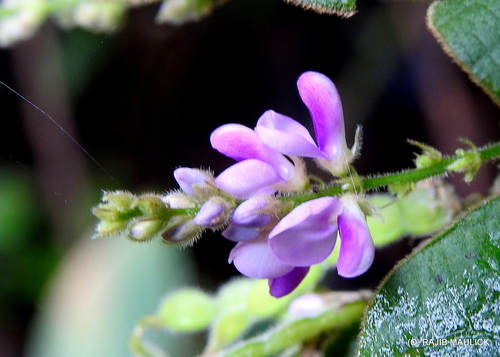
Shalaparni
Desmodium gangeticum
As the leading ingredient of Dasamula kwatha (Dashamula decoction) it is given as a health tonic in Ayurveda. No clinical trials of the plant alone were found.
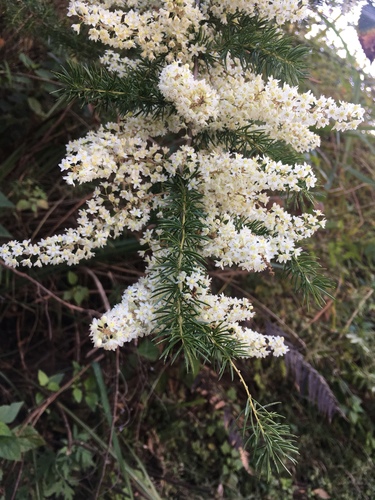
Shatavari
Asparagus racemosus
In Ayurveda the primary rejuvenative herb for women, called the 'queen of herbs' and used to support reproductive health and hormonal balance; this tradition, not trials, is the basis of most of its uses.
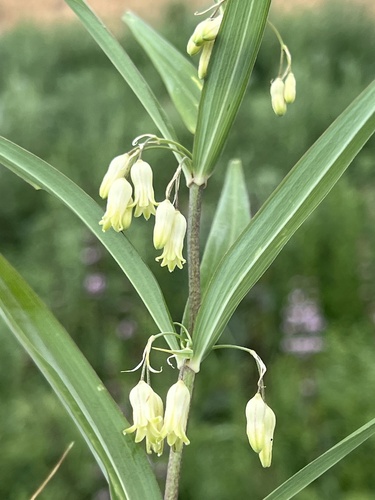
Siberian Solomon's seal
Polygonatum sibiricum
The classical text Ming Yi Bie Lu credits it with tonifying the middle jiao, replenishing qi, dispelling rheumatism and harmonising the five viscera, and it was revered as the 'immortals' surplus grain' for prolonging life.
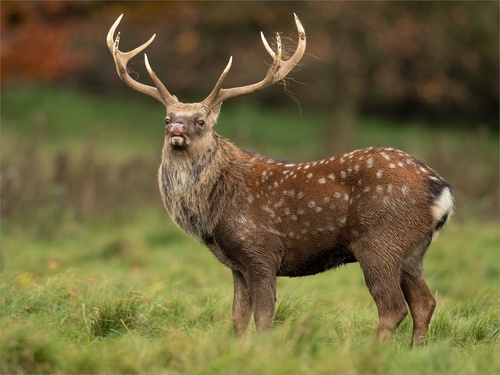
Sika deer
Cervus nippon
Velvet antler is credited in Chinese medicine with tonifying the kidney, promoting the production of essence and blood, and strengthening tendons and bones; sika deer is listed as a tonic in many classical Chinese pharmaceutical works.
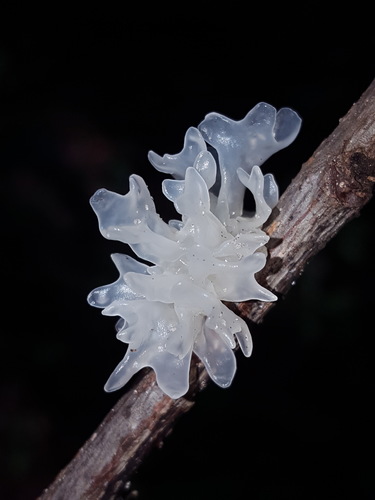
Snow fungus
Tremella fuciformis
Regarded in China for centuries as a precious medicine for nourishing the stomach and lungs and for weakness, and used as a tonic and 'body builder'.
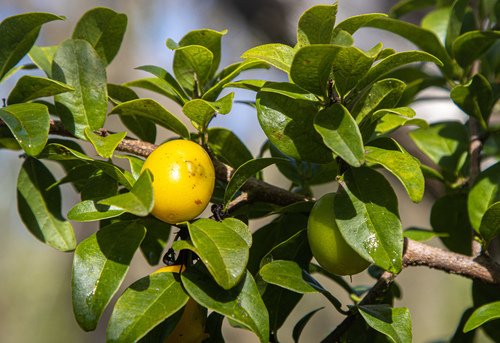
Sour plum
Ximenia americana
Used as a tonic by Malian healers.

Strychnine tree
Strychnos nux-vomica
Ayurvedic sources claim purified Kupeelu is a rasayana (rejuvenative) for old age. Processing in sour gruel or ginger juice lowers strychnine content by roughly 40–70% but does not remove it.
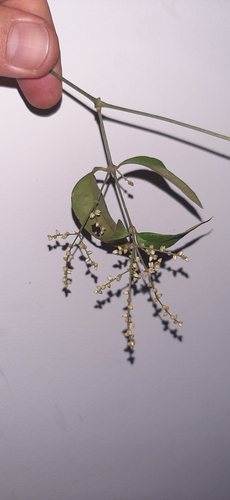
Suma
Hebanthe eriantha
The root is used in South American folk medicine as a tonic, invigorant, 'anti-stress' agent and memory aid. These uses have not been tested in controlled human trials.
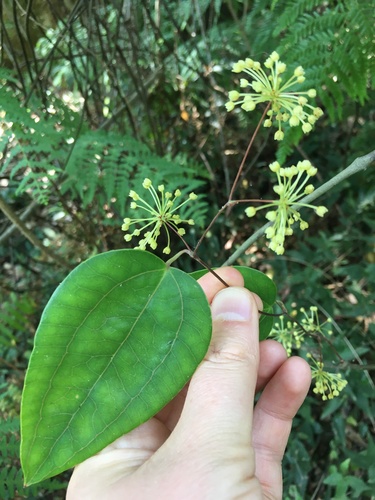
Sweet sarsaparilla
Smilax glyciphylla
Recorded as a 'blood cleanser' and tonic. A hot-water leaf extract was a strong antioxidant in test-tube assays, but this has not been shown to matter in people.
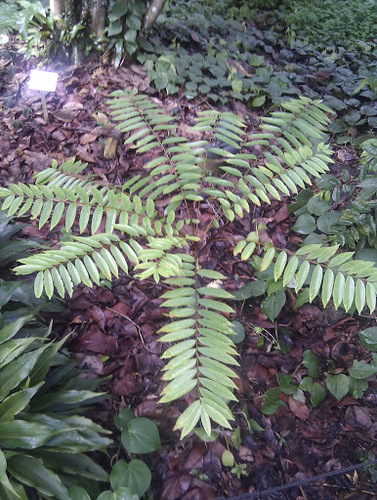
Tongkat ali
Eurycoma longifolia
Used as a power tonic after childbirth and promoted in Malaysia as an adaptogen; not tested for these purposes.

Tree turmeric
Coscinium fenestratum
Given as a tonic for general debility; no clinical data.