 NL·0101
Herbarium of the Nature Library
- Name
- Artocarpus heterophyllus
- Family
- Moraceae
- Native to
- Western Ghats of south-west India; cultivated throughout South and Southeast Asia, East Africa, Brazil and the Caribbean
- Habitat
- Tropical evergreen forest, Homegardens
Jackfruit
Artocarpus heterophyllus
Also calledKathal (Hindi/Urdu) · Panasa (Sanskrit) · Chakka (Malayalam) · Kanthal (Bengali) · Nangka (Malay/Indonesian) · Bōluómì (Chinese) · Khanun (Thai)
Jackfruit bears the largest tree-borne fruit in the world, up to 50 kg and nearly a metre long, hanging straight from the trunk. It is the national fruit of Bangladesh and Sri Lanka, eaten ripe as a sweet fruit and green as a meaty vegetable.
The jackfruit or jakfruit is a fruit tree in the mulberry family of Moraceae. Native to India, the species was first described under the name Artocarpus heterophyllus in Encyclopédie Méthodique, Botanique in 1789 by Jean-Baptiste Lamarck, based on a specimen collected by botanist Philibert Commerson. Wikipedia
What it can do
- iProduces the largest fruit borne by any tree, up to about 50 kg
- iiCauliflorous: fruit grows on the trunk and main limbs, which can bear the weight
- iiiA single tree can yield 100–200 fruit a year
- ivHeartwood yields a saffron-yellow dye used for Buddhist monks' robes
At the table
Eatenripe bulbs (arils) · unripe fruit (cooked as a vegetable or meat substitute) · seeds (boiled or roasted) · young leaves
All main parts are eaten. Sticky white latex in the rind and core is not poisonous but is very gluey; oil hands and knives before cutting. Raw seeds contain trypsin inhibitors and should be cooked.
In the medicine cabinet
| Tradition | Use |
|---|---|
| Ayurveda | Ripe fruit as a cooling, nourishing tonic; leaf ash applied to ulcers |
| Sri Lankan folk medicine | Leaf decoction used for diabetes, with small studies on blood-sugar effects |
Weight of evidence
Traditional. Long historical use; little or no modern clinical evidence.
Active compounds
jacalin (lectin), artocarpin, carotenoids, dietary fibre
Fruit & seed


Fruit
Syncarp (multiple fruit)
Ripens: Spring to summer (March–August in India)
Huge oblong fruit 30–90 cm, green to yellow-brown, covered in blunt hexagonal spines; inside, dozens of golden, sweet, fibrous bulbs among stringy 'rags', smelling of banana and pineapple.


Seed
2–4 cm
Smooth, light-brown, oval to kidney-shaped seeds 2–4 cm long, each inside a fleshy bulb and covered by a thin white membrane; up to several hundred per fruit
- Dispersal
- Mammals (monkeys, bats, elephants) and humans
- Germination
- Recalcitrant: sow fresh within a month, 2 cm deep at 25–30 °C; sprouts in 2–6 weeks. Taproot dislikes transplanting
Photographs from Wikimedia Commons under open licences; hover for the photographer, click for the file.
How to grow it
Hardiness (USDA zones)
USDA 10–12 (young trees killed near 0 °C). Survives winters down to about -1 °C.
- Light
- Full sun
- Water
- Moderate–high; tolerates a dry season but not waterlogging
- Soil
- Deep, well-drained loam or sandy soil, pH 5–7.5
- Propagation
- Seed (variable), or grafted/budded named varieties
- To harvest
- 3–4 years from graft; 4–8 years from seed
- Climates
- Humid tropical, Monsoon tropical, Warm subtropical
- 1Plant a grafted tree or sow fresh seed directly where it will grow (8–10 m from buildings).
- 2Water well for the first two years and mulch heavily; feed young trees with compost every few months.
- 3Prune early to keep the tree low (4–6 m) and open, so fruit forms within reach on the trunk.
- 4Thin to one or two fruit per cluster; tie heavy fruit with cloth slings if branches are weak.
- 5Harvest when the spines flatten slightly, the fruit sounds hollow when tapped and it gives off a sweet smell; for vegetable use, pick young and green.
Can it grow where you are?
Where it lives
Recorded sightings
—
geo-referenced records in GBIF, from museums, herbaria and field observers.
Native range
Western Ghats of south-west India; cultivated throughout South and Southeast Asia, East Africa, Brazil and the Caribbean
Drag the globe to turn it. Dots are where records exist, not a range map; darker means more records.
In the old herbals & bestiaries
Woodcuts and engravings matched from the Source Library’s scanned books by name. Plates marked “relative” show a close kin rather than this exact species. Click a plate to read the page it came from, with translation.

Flora Sinensis (Chinese-Latin Natural History)
Michał Boym · 1656 · p.45

Illustrated Compendium of Materia Medica (Vol. 28)
吳其濬 · 1848 · p.88

Kircher: China Illustrata (1667)
Athanasius Kircher · 1667 · p.254

Description of China, Korea, and Tibet
Du Halde · 1738 · p.382

Itinerary, Voyage or Ship-travel to the East or Portuguese Indies
Jan Huyghen van Linschoten · 1595 · p.191

Tractado de las Drogas y Medicinas de las Indias Orientales
Cristóvão da Costa · 1578 · p.294

The Embassy of the Dutch East India Company to the Tartar Cham
Johan Nieuhof · 1665 · p.445

Compendium of Materia Medica
李時珍 · 1596 · p.67

Flora Sinensis (Chinese-Latin Natural History)
Michał Boym · 1656 · p.50

The Ambonese Herbal (Herbarium Amboinense), Vol. 1
Georg Eberhard Rumphius · 1741 · p.176
In the stacks
Searching the stacks…
Every page naming Artocarpus heterophyllus in the Biodiversity Heritage Library →
Marginalia
Pliny the Elder, drawing on reports from Alexander's campaigns, described a huge Indian fruit eaten by sages that some identify as jackfruit (others as the banana), and it figures in the ancient Tamil 'mukkani' (three fruits) of mango, banana and jackfruit. Its wood is prized for temple furniture and veena lutes in South India.
Curiosity
The heaviest jackfruit on record, verified by Guinness World Records, weighed 42.72 kg and was grown in Hawaii in 2003.
Kinship
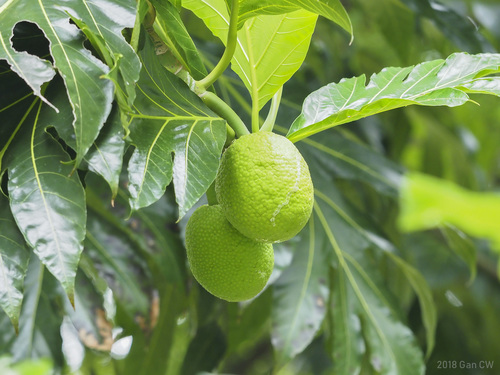
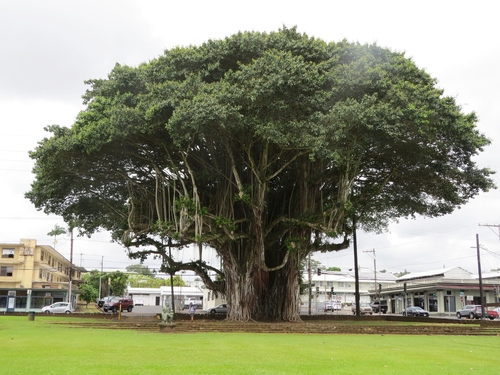

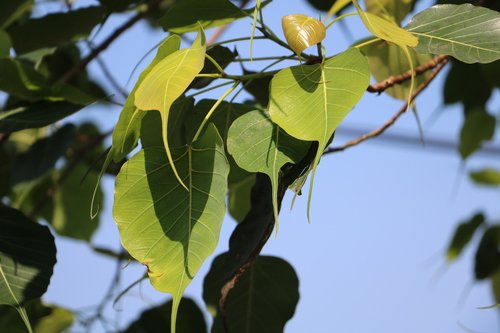
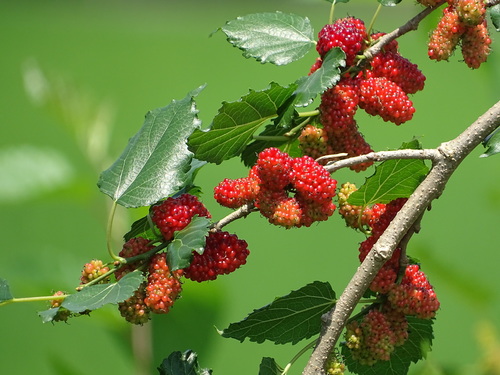

Fact-checked: 1 correction made to this sheet. Photographs: iNaturalist contributors under the licences shown. Records: GBIF.org. Historical plates: Source Library (CC BY-SA 4.0; originals public domain). Summary text: Nature Library editors and Wikipedia (CC BY-SA). Medicinal and edibility notes are historical and educational, not advice. iNaturalist taxon 123003.