 NL·0289
Herbarium of the Nature Library
- Name
- Bison bison
- Family
- Bovidae
- Native to
- Great Plains and western North America from Alaska and Canada to northern Mexico; now mostly in parks, reserves and ranches
- Habitat
- Temperate grassland, Prairie, Boreal forest edge
American bison
Bison bison
Also calledTatanka (Lakota) · Iinii (Blackfoot) · Paskwâwi-mostos (Plains Cree) · Bisonte (Spanish) · Měizhōu yěniú 美洲野牛 (Chinese)
North America's heaviest land animal, which once roamed the Great Plains in herds of tens of millions. Hunted down to fewer than a thousand by the late 1880s, it has recovered to about half a million, though few are wild herds.
The American bison, commonly known as the American buffalo, or simply buffalo, is a species of bison that is endemic to North America. It is one of two extant species of bison, along with the European bison. Its historical range circa 9000 BC is referred to as the great bison belt, a tract of rich grassland spanning from Alaska south to the Gulf of Mexico, and east to the Atlantic Seaboard, as far north as New York, south to Georgia, and according to some sources, further south to northern Florida, with sightings in North Carolina near Buffalo Ford on the Catawba River as late as 1750. Wikipedia
What it can do
- iRuns at up to ~55 km/h despite weighing up to a tonne
- iiSwings its massive head to clear deep snow and reach grass
- iiiRolls in dust wallows that become seasonal pools and microhabitats
- ivGrazing patterns create a patchwork of short and tall grass that benefits prairie dogs, birds and plants
In the field
Field marks
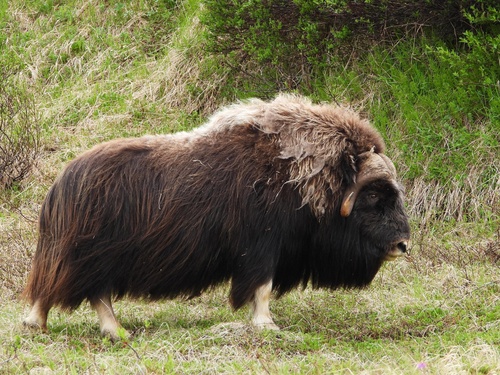
- aMassive, humped shoulders
- bShaggy brown front and short back hair
- cShort curved horns in both sexes
- dLow-held head
- Voice
- Bulls bellow during the rut
- Not to be confused with
- Domestic cattle lack the hump. Stay at least 25 yards away (US park rule).
- Where to see it
- Lamar and Hayden valleys (Yellowstone); Custer State Park and Wind Cave National Park (South Dakota)
- When
- Resident; rut Jul–Aug; calves Apr–May
Listen
Looking for field recordings…
Life & habits
- Diet
- Herbivore: mainly grasses and sedges
- Habitat
- Open grassland, prairie and meadow; wood bison in boreal clearings
- Size
- Bulls up to ~1.9 m at the shoulder and ~900–1,000 kg; cows ~450 kg
- Lifespan
- 15–20 years
Bulls bellow and butt heads during the summer rut. Herds once followed seasonal grazing across hundreds of kilometres.
Where it lives
Recorded sightings
—
geo-referenced records in GBIF, from museums, herbaria and field observers.
Native range
Great Plains and western North America from Alaska and Canada to northern Mexico; now mostly in parks, reserves and ranches
Drag the globe to turn it. Dots are where records exist, not a range map; darker means more records.
In the old herbals & bestiaries
Woodcuts and engravings matched from the Source Library’s scanned books by name. Plates marked “relative” show a close kin rather than this exact species. Click a plate to read the page it came from, with translation.


In the stacks
Searching the stacks…
Every page naming Bison bison in the Biodiversity Heritage Library →
Marginalia
Lakota tradition tells how White Buffalo Calf Woman brought the sacred pipe, and the birth of a white calf is still seen as a sacred sign. Coronado's 1541 expedition described the 'vacas de Cíbola' covering the plains.
Curiosity
In 2016 the bison became the national mammal of the United States.
Kinship
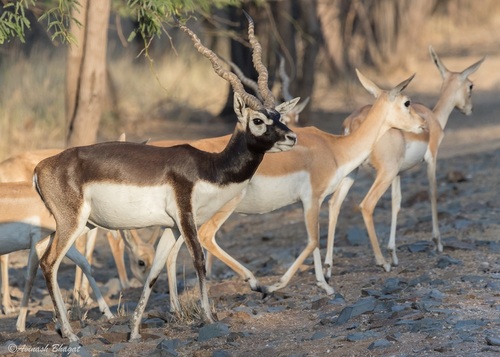

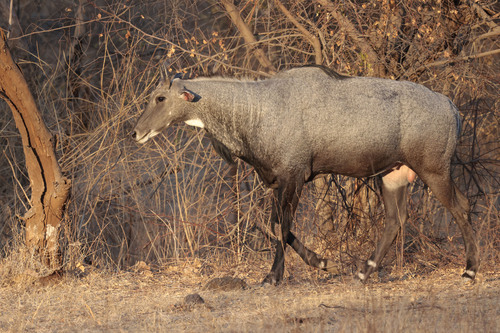
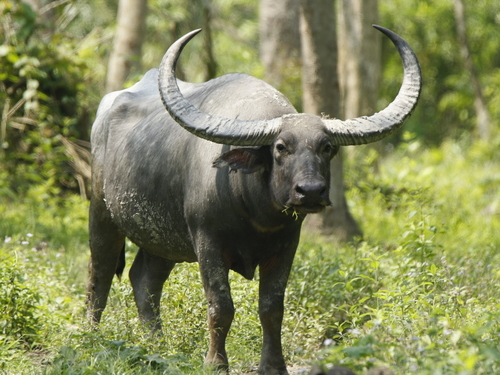
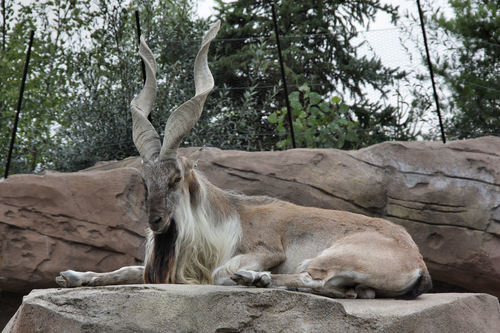
Photographs: iNaturalist contributors under the licences shown. Records: GBIF.org. Historical plates: Source Library (CC BY-SA 4.0; originals public domain). Summary text: Nature Library editors and Wikipedia (CC BY-SA). Medicinal and edibility notes are historical and educational, not advice. iNaturalist taxon 208700.