 NL·0137
Herbarium of the Nature Library
- Name
- Nigella sativa
- Family
- Ranunculaceae
- Native to
- Probably South-West Asia and the eastern Mediterranean; ancient crop, wild origin uncertain
- Habitat
- Farmland, Mediterranean and steppe grassland
Black seed (Black cumin)
Nigella sativa
Also calledKalonji (Hindi/Urdu) · Al-ḥabba al-sawdāʾ / Ḥabbat al-baraka (Arabic, 'black seed' / 'blessed seed') · Siyāh dāna (Persian) · Upakunchika / Krishnajiraka (Sanskrit) · Çörek otu (Turkish) · Hēi zhǒng cǎo 黑种草 (Chinese)
A delicate, pale-blue-flowered annual of the buttercup family whose small, pungent black seeds are sprinkled on naan and pastries. A hadith calls them a cure for every disease except death.
Nigella sativa is an annual flowering plant in the family Ranunculaceae, native to western Asia, and eastern Europe. It is used as a spice in various food preparations. Wikipedia
What it can do
- iSeeds contain thymoquinone, studied for anti-inflammatory, antioxidant and blood-sugar-lowering effects
- iiInflated capsule of fused follicles protects the seeds
- iiiCompletes its life cycle in about four months
At the table
Eatenseeds · seed oil
Seeds are a common spice in South Asian, Middle Eastern and Turkish breads and pickles. The oil applied to skin can cause contact dermatitis.
In the medicine cabinet
| Tradition | Use |
|---|---|
| Prophetic / Islamic medicine (Tibb al-Nabawi) | Black seed and its oil taken daily as a general tonic, based on the hadith of its blessing |
| Unani | Shoneez / kalonji for asthma, cough, flatulence, worms, skin disease and as a diuretic |
| Ayurveda | Upakunchika for digestion, fever, menstrual and lactation complaints |
| Modern phytotherapy | Small trials of seed or oil for blood pressure, cholesterol, blood sugar and asthma |
Weight of evidence
Moderate. Some clinical trials with promising but limited or mixed results.
Active compounds
thymoquinone, thymohydroquinone, dithymoquinone, p-cymene, α-hederin, nigellidine
Fruit & seed
Fruit
Follicetum (fused capsule)
Ripens: Summer
Inflated capsule of 3–7 fused follicles, each with many seeds.


Seed
~2–3 mm
Matte black, angular, trigonous seeds
- Dispersal
- Gravity; shaken from capsules
- Germination
- 7–14 days at 15–20 °C; sow 1 cm deep (darkness aids germination)
Photographs from Wikimedia Commons under open licences; hover for the photographer, click for the file.
How to grow it
Hardiness (USDA zones)
Hardy annual; USDA 3–10. Survives winters down to about -40 °C.
- Light
- Full sun
- Water
- Low–moderate
- Soil
- Well-drained loam
- Propagation
- Seed
- To harvest
- Seeds 3–4 months after sowing
- Climates
- Mediterranean, Semi-arid, Temperate
- 1Sow directly in spring (or autumn in mild climates), as it dislikes transplanting
- 2Thin to 15–20 cm
- 3Cut stems when the capsules turn brown and dry
- 4Dry in paper bags and shake out the seeds
Can it grow where you are?
Where it lives
Recorded sightings
—
geo-referenced records in GBIF, from museums, herbaria and field observers.
Native range
Probably South-West Asia and the eastern Mediterranean; ancient crop, wild origin uncertain
Drag the globe to turn it. Dots are where records exist, not a range map; darker means more records.
In the old herbals & bestiaries
Woodcuts and engravings matched from the Source Library’s scanned books by name. Plates marked “relative” show a close kin rather than this exact species. Click a plate to read the page it came from, with translation.

Ortus sanitatis
1491 · p.209

Ortus sanitatis
1491 · p.284

Notable Commentaries on the History of Plants
Leonhart Fuchs · 1549 · p.535

Commentaries on the Six Books of Dioscorides
Pietro Andrea Mattioli · 1560 · p.577

Commentaries on the Six Books of Dioscorides on Medical Matter
Pietro Andrea Mattioli · 1563 · p.521

Commentaries on the Six Books of Pedanius Dioscorides on Medical Matter
Pietro Andrea Mattioli · 1565 · p.967

On Medical Materials in Six Books
Dioscorides · 1550 · p.435

Notable Commentaries on the History of Plants
Leonhart Fuchs · 1549 · p.537

De medicinali materia libri sex
Dioscorides · 1552 · p.443

Commentaries on the Six Books of Dioscorides
Pietro Andrea Mattioli · 1560 · p.577
In the stacks
Searching the stacks…
Every page naming Nigella sativa in the Biodiversity Heritage Library →
Marginalia
Sahih al-Bukhari records the Prophet Muhammad saying that black seed is a cure for every disease except death. Dioscorides called it melanthion and recommended it for headache and catarrh.
Curiosity
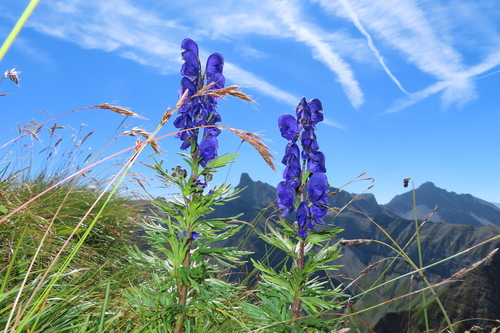
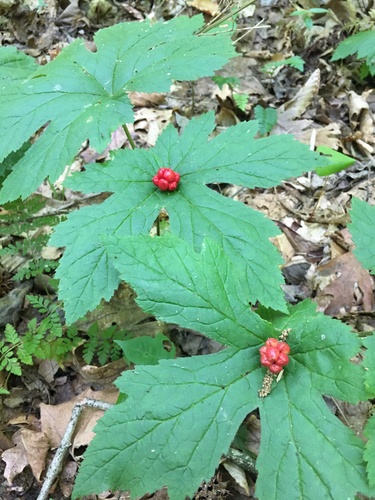
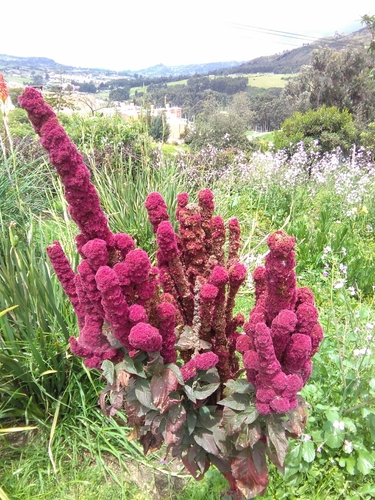
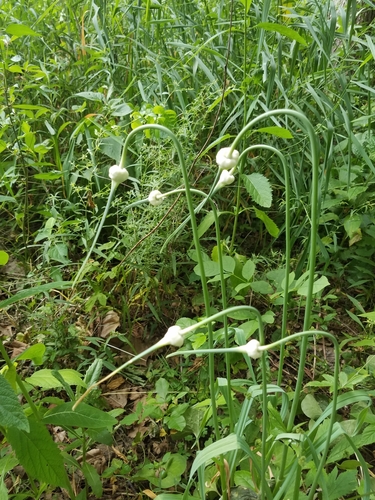
Despite the name 'black cumin', Nigella is no relation of cumin: it belongs to the buttercup family, and its garden cousin is love-in-a-mist.
Kinship


Photographs: iNaturalist contributors under the licences shown. Records: GBIF.org. Historical plates: Source Library (CC BY-SA 4.0; originals public domain). Summary text: Nature Library editors and Wikipedia (CC BY-SA). Medicinal and edibility notes are historical and educational, not advice. iNaturalist taxon 122834.