 NL·0591
Herbarium of the Nature Library
- Name
- Papilio polytes
- Family
- Papilionidae
- Native to
- South and Southeast Asia from Pakistan, India and Sri Lanka to southern China, Taiwan, the Ryukyu Islands, the Philippines and Indonesia
- Habitat
- Tropical forest, Gardens, Farmland, Scrub
Common Mormon
Papilio polytes
Also calledYùdài fèngdié (Chinese) · Shiro-obi-ageha (Japanese) · Kupu-kupu Mormon (Malay)
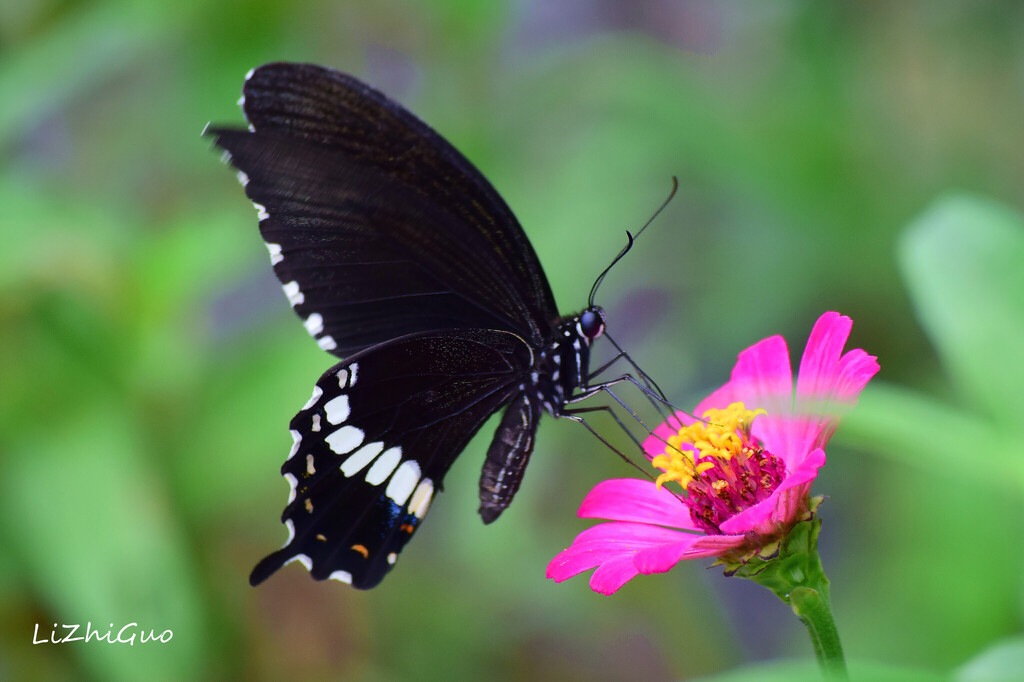
A black swallowtail of South and Southeast Asian gardens whose females come in several forms, some imitating poisonous rose swallowtails. It is a textbook case of mimicry controlled by a single gene region.
Papilio polytes, the common Mormon, is a common species of swallowtail butterfly widely distributed across Asia. Wikipedia
What it can do
- iFemales occur in several forms, including male-like 'cyrus', common-rose mimic 'stichius' and crimson-rose mimic 'romulus'
- iiThe mimetic forms are switched by variants of the doublesex gene
- iiiCaterpillars mimic bird droppings when young and later flash an orange osmeterium
In the field
Field marks
- aMale: black with a band of cream-white spots across the hindwing, and a short tail
- bFemale 'stichius': white patch and red marginal spots on the hindwing, like the common rose
- cFemale 'romulus': red and white hindwing spots, like the crimson rose
- dBody black (rose swallowtails have red bodies)
- Not to be confused with
- The common rose (Pachliopta aristolochiae) and crimson rose (P. hector), which mimetic females copy, have red heads and abdomens; the Mormon's body is black.
- Where to see it
- Almost any garden with citrus or curry-leaf plants across India, Sri Lanka and Southeast Asia.
- When
- Year-round in the tropics
Listen
Looking for field recordings…
Life & habits
- Diet
- Adults visit Lantana, Ixora and other garden flowers; caterpillars eat citrus and other Rutaceae such as curry leaf (Murraya koenigii)
- Habitat
- Gardens, orchards, forest edges and towns wherever citrus grows
- Size
- Wingspan about 9–10 cm
The mimetic females fly in the slow, lazy manner of the distasteful roses they imitate, while males fly fast and erratically.
Where it lives
Recorded sightings
—
geo-referenced records in GBIF, from museums, herbaria and field observers.
Native range
South and Southeast Asia from Pakistan, India and Sri Lanka to southern China, Taiwan, the Ryukyu Islands, the Philippines and Indonesia
Drag the globe to turn it. Dots are where records exist, not a range map; darker means more records.
In the old herbals & bestiaries
No plate in the Source Library names this exact species, so these show its closest relatives as the old naturalists drew them: same genus, or the same kind of animal. Click a plate to read the page it came from, with translation.

The Malay Archipelago: The Land of the Orang-Utan and the Bird of Paradise
Relative · Alfred Russel Wallace · 1869 · p.160

The Malay Archipelago: The Land of the Orang-Utan and the Bird of Paradise
Relative · Alfred Russel Wallace · 1869 · p.159

The Subterranean World Volume Two
Relative · Athanasius Kircher · 1678 · p.395
In the stacks
Searching the stacks…
Every page naming Papilio polytes in the Biodiversity Heritage Library →
Marginalia
Its English name 'Mormon' is usually explained as a 19th-century joke about polygamy, because one male seemed to be paired with several very different-looking 'wives'.
Curiosity
A 2014 study in Nature showed that a single inverted stretch of chromosome containing the doublesex gene decides which mimetic form a female becomes.
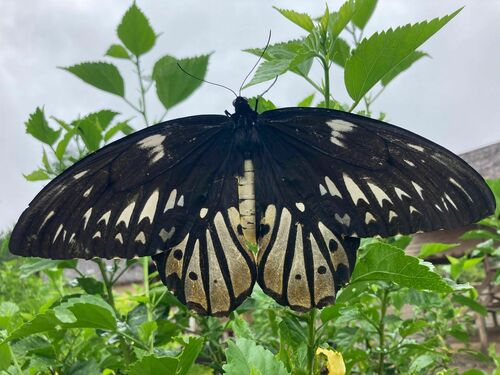
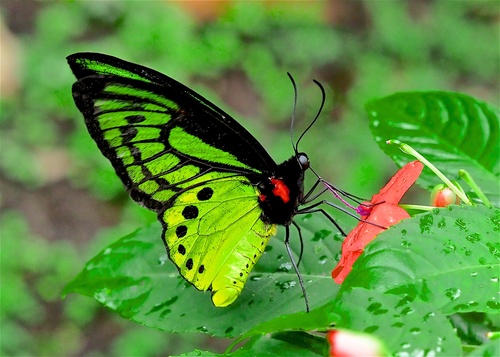
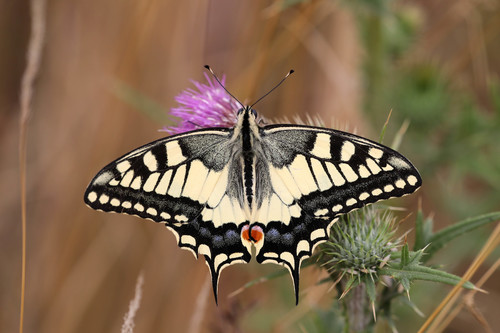
Kinship



Fact-checked: 2 corrections made to this sheet. Photographs: iNaturalist contributors under the licences shown. Records: GBIF.org. Historical plates: Source Library (CC BY-SA 4.0; originals public domain). Summary text: Nature Library editors and Wikipedia (CC BY-SA). Medicinal and edibility notes are historical and educational, not advice. iNaturalist taxon 51588.