 NL·0760
Herbarium of the Nature Library
- Name
- Selasphorus rufus
- Family
- Trochilidae
- Native to
- Breeds from Oregon to southern Alaska; winters mainly in Mexico, increasingly along the US Gulf Coast
- Habitat
- Coniferous forest, Mountain meadow, Gardens
On eBird ↗
Rufous Hummingbird
Live sightings near you, the range map, bar charts of when it is seen, and Macaulay Library photos and recordings.
Rufous hummingbird
Selasphorus rufus
Also calledZumbador rufo (Spanish) · Colibri roux (French)
A fiery orange hummingbird that makes one of the longest migrations of any bird relative to body size, travelling about 6,000 km between Alaska and Mexico. It is famously aggressive at flowers and feeders.
The rufous hummingbird is a small hummingbird, about 8 cm (3 in) long with a long, straight and slender bill. These birds are known for their extraordinary flight skills, flying 3,200 kilometres during their migratory transits. It is one of nine species in the genus Selasphorus. Wikipedia
What it can do
- iMigrates about 6,000 km one way, roughly 78 million body lengths
- iiTakes a clockwise loop route, north along the Pacific coast and south along the Rockies to follow flowering
- iiiBreeds farther north than any other hummingbird
- ivRemembers individual flowers and when it last emptied them
In the field
Field marks
- aSmall, bright orange-rufous hummingbird
- bMale has an iridescent orange-red throat and rufous back
- cFemale green above with rufous flanks and tail base
- dAggressive at flowers and feeders
- Voice
- Hard 'chewp' chips; adult male wings make a metallic trill
- Not to be confused with
- Allen's hummingbird is nearly identical; males usually have a green back, but some rufous males show green too, so many females and young can only be identified by tail-feather shape in the hand.
- Where to see it
- Pacific Northwest and Alaskan forests and gardens; mountain meadows of the Rockies on autumn passage
- When
- Breeds Mar–Aug in the Northwest; moves south through the Rockies Jul–Sep
Listen
Looking for field recordings…
Life & habits
- Diet
- Nectar and small insects
- Habitat
- Open coniferous forest, meadows and gardens
- Size
- 7–9 cm; ~3–4 g
- Lifespan
- Up to about 8 years
Males defend flower patches fiercely, chasing off much larger birds and other hummingbirds.
Where it lives
Recorded sightings
—
geo-referenced records in GBIF, from museums, herbaria and field observers.
Native range
Breeds from Oregon to southern Alaska; winters mainly in Mexico, increasingly along the US Gulf Coast
Drag the globe to turn it. Dots are where records exist, not a range map; darker means more records.
In the old herbals & bestiaries
No plate in the Source Library names this exact species, so these show its closest relatives as the old naturalists drew them: same genus, or the same kind of animal. Click a plate to read the page it came from, with translation.

Maria Sibylla Merian — Dissertatio de generatione et metamorphosibus insectorum Surinamensium (1719)
Relative · Maria Sibylla Merian · 1719 · p.71

Tudela Codex
Relative · Anonymous Nahua tlacuilo · n.d. · p.184

Treasury of Medical Matters of New Spain
Relative · Francisco Hernández · 1651 · p.754

De Indiae utriusque re naturali et medica
Relative · Willem Piso · 1658 · p.348

De Indiae utriusque re naturali et medica
Relative · Willem Piso · 1658 · p.349

The Natural History of Carolina, Florida and the Bahama Islands, Vol. 1
Relative · Mark Catesby · 1777 · p.212

Jean Baptiste Audebert — Histoire naturelle des colibris (1802)
Relative · Jean Baptiste Audebert · 1802 · p.264

Jean Baptiste Audebert — Histoire naturelle des colibris (1802)
Relative · Jean Baptiste Audebert · 1802 · p.154

Jean Baptiste Audebert — Histoire naturelle des grimpereaux et des oiseaux de paradis (1802)
Relative · Jean Baptiste Audebert · 1802 · p.26

Thesaurus of Medical Things of New Spain, or History of Mexican Plants, Animals, and Minerals
Relative · Francisco Hernández; Nardo Antonio Recchi (ed.) · 1651 · p.742
In the stacks
Searching the stacks…
Every page naming Selasphorus rufus in the Biodiversity Heritage Library →
Marginalia
It was described from Nootka Sound, Vancouver Island, during the voyages of James Cook in 1778.
Curiosity
Its population has fallen by more than half since 1970, and IUCN moved it to Near Threatened in 2018.
Kinship
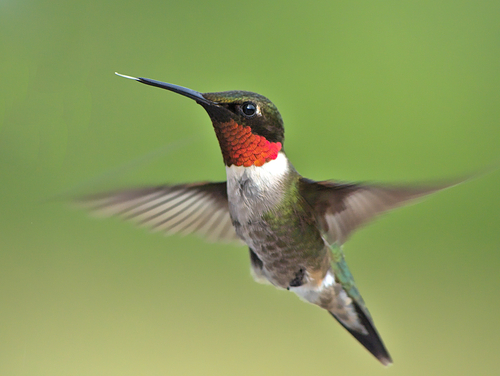
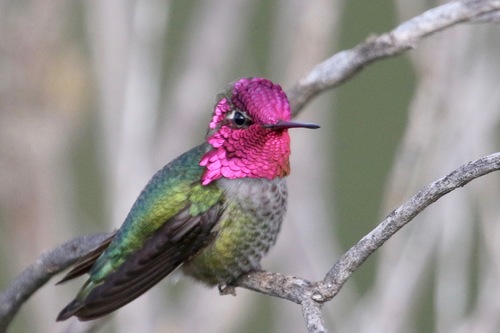
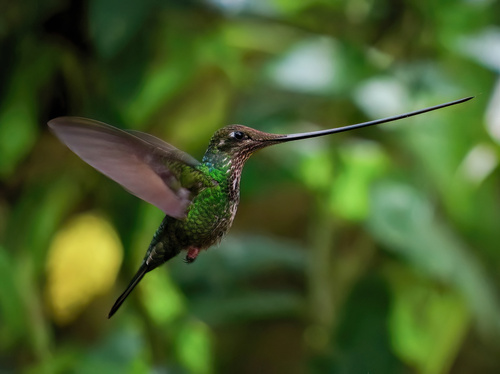
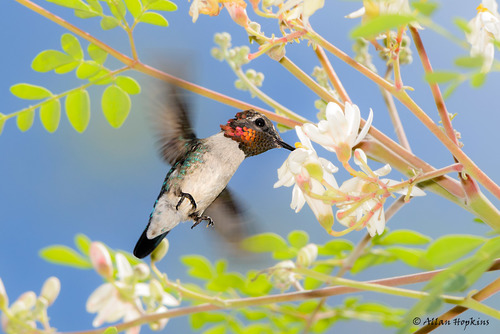


Photographs: iNaturalist contributors under the licences shown. Records: GBIF.org. Historical plates: Source Library (CC BY-SA 4.0; originals public domain). Summary text: Nature Library editors and Wikipedia (CC BY-SA). Medicinal and edibility notes are historical and educational, not advice. iNaturalist taxon 6363.