 NL·0129
Herbarium of the Nature Library
- Name
- Phyllostachys edulis
- Family
- Poaceae
- Native to
- Central and southern China and Taiwan; long cultivated in Japan
- Habitat
- Subtropical forest, Hill plantations
Moso bamboo
Phyllostachys edulis
Also calledMáozhú 毛竹 (Chinese) · Mōsōchiku 孟宗竹 (Japanese) · Maengjongjuk 맹종죽 (Korean) · Bambú moso (Spanish)
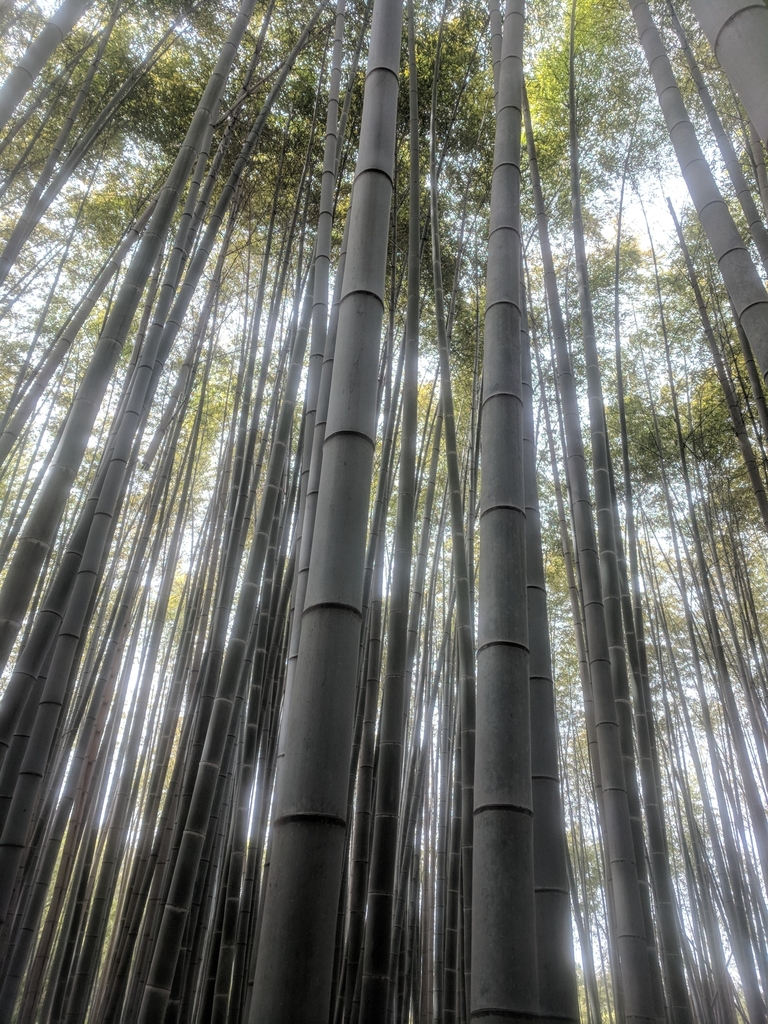
A grass that grows into a forest. Moso shoots can push up close to a metre a day and reach full height of 20 m or more in a couple of months. It is China's most important timber bamboo, used for scaffolding, flooring, textiles and the spring shoots of East Asian cooking.
Phyllostachys edulis, the mōsō bamboo, or tortoise-shell bamboo, or mao zhu, , is a temperate species of giant timber bamboo native to China and Taiwan and naturalised elsewhere, including Japan where it is widely distributed from south of Hokkaido to Kagoshima. The edulis part of the Latin name refers to its edible shoots. This bamboo can reach heights of up to 28 m (92 ft). This particular species of bamboo is the most common species used in the bamboo textile industry of China and other countries, for the production of rayon. Moso is less cold-hardy than many Phyllostachy, surviving at a reduced height down to −15 °C (5 °F). Wikipedia
What it can do
- iNew culms can grow close to 1 m in a day at peak growth
- iiA culm reaches full height in one season and then hardens for several years
- iiiSpreads by vigorous running rhizomes, forming huge connected groves
- ivFlowers only at long intervals; a Japanese stand flowered 67 years after sowing, then died
At the table
Eatenyoung shoots (boiled)
Shoots must be peeled and boiled before eating: raw shoots contain cyanogenic glycosides (taxiphyllin) that release cyanide.
Fruit & seed
Fruit
Caryopsis (grain)
Ripens: Rare mass flowering
Grass-like grains produced only in rare flowering events.
Seed
~1–2 cm
Grain-like caryopsis
- Dispersal
- Gravity; seed is rarely available
- Germination
- Sow fresh at 20–25 °C; viability drops within months
How to grow it
Hardiness (USDA zones)
USDA 7–10. Survives winters down to about -18 °C.
- Light
- Full sun to partial shade
- Water
- Moderate–high
- Soil
- Deep, moist, well-drained, acidic
- Propagation
- Rhizome division; seed when available
- To harvest
- Shoots in spring after 3–5 years; timber culms at 4–6 years
- Climates
- Subtropical, Temperate, Monsoon
- 1Plant a rhizome division in spring in deep, rich soil
- 2Install a rhizome barrier at least 60 cm deep, since running bamboo invades
- 3Water and mulch heavily
- 4Harvest shoots as they emerge in spring and boil them before eating
Can it grow where you are?
Where it lives
Recorded sightings
—
geo-referenced records in GBIF, from museums, herbaria and field observers.
Native range
Central and southern China and Taiwan; long cultivated in Japan
Drag the globe to turn it. Dots are where records exist, not a range map; darker means more records.
In the old herbals & bestiaries
No plate in the Source Library names this exact species, so these show its closest relatives as the old naturalists drew them: same genus, or the same kind of plant. Click a plate to read the page it came from, with translation.

Description of China, Korea, and Tibet
Relative · Du Halde · 1738 · p.382

Itinerary: Voyage to the East or Portuguese Indies
Relative · Jan Huyghen van Linschoten · 1596 · p.169

本草綱目圖3卷. [3]
Relative · Li Shizhen · 1596 · p.22

The Embassy of the Dutch East India Company to the Tartar Cham
Relative · Johan Nieuhof · 1665 · p.428

Sancai Tuhui (Vol. 69)
Relative · 王圻, 王思義 · 1609 · p.30

Sancai Tuhui (Vol. 69)
Relative · 王圻, 王思義 · 1609 · p.43

Illustrated Compendium of Materia Medica (Vol. 19)
Relative · 吳其濬 · 1848 · p.54

竹譜·卷五~卷七 (vol 2)
Relative · 李衎 · n.d. · p.123

竹譜·卷五~卷七 (vol 2)
Relative · 李衎 · n.d. · p.125

竹譜·卷八~卷十 (vol 3)
Relative · 李衎 · n.d. · p.12
In the stacks
Searching the stacks…
Every page naming Phyllostachys edulis in the Biodiversity Heritage Library →
Marginalia
Chinese literati such as Su Shi praised bamboo, and moso is part of the story of Meng Zong, one of the Twenty-Four Filial Exemplars, who wept in a winter grove until bamboo shoots sprang up for his sick mother; the Japanese name 'mōsōchiku' honours him.
Curiosity
A moso grove is often a single connected plant, with every culm linked by an underground rhizome network.
Kinship
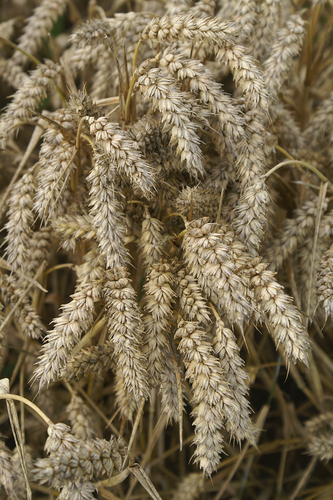


Photographs: iNaturalist contributors under the licences shown. Records: GBIF.org. Historical plates: Source Library (CC BY-SA 4.0; originals public domain). Summary text: Nature Library editors and Wikipedia (CC BY-SA). Medicinal and edibility notes are historical and educational, not advice. iNaturalist taxon 122980.