- Animals
- ›Arthropods
- ›Hexapods
- ›Insects
- ›Winged and Once-winged Insects
- ›Butterflies and Moths
- ›Carpenter, Leopard, Goat, and Allied Moths
- ›Carpenter and Leopard Moths
- ›Leopard Moths
- ›Xyleutini
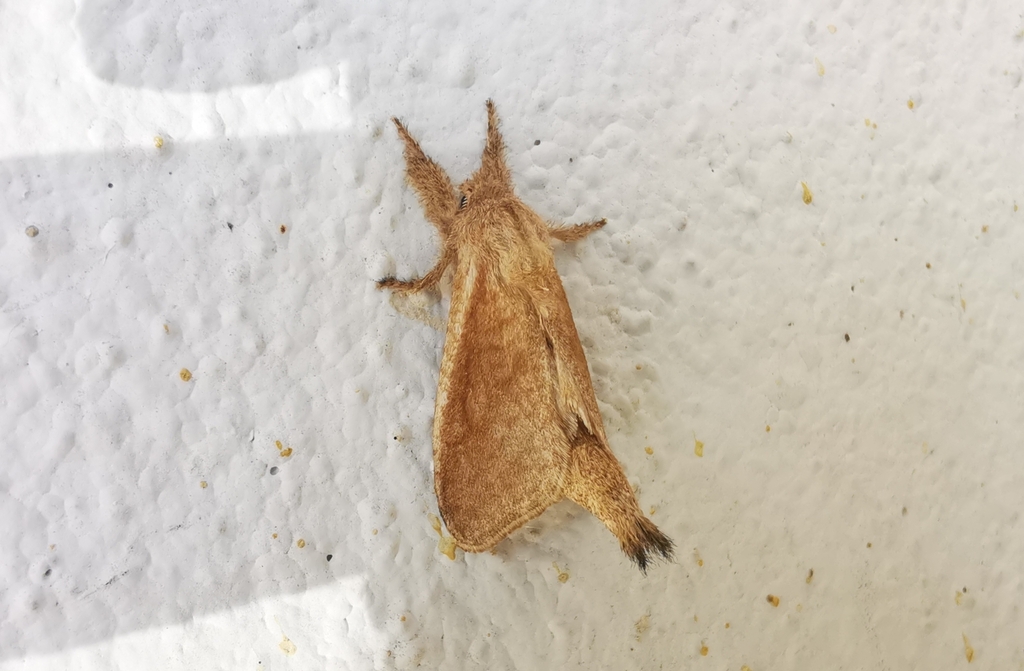
Sansara
Saṃsāra (Devanagari: संसार) is a Sanskrit word that means "wandering" as well as "world," wherein the term connotes "cyclic change" or, less formally, "running around in circles." In the context of Indian religions and philosophies, saṃsāra is the concept of all beings experiencing an ongoing cycle of death, life, and rebirth. As a result, it can also be equated broadly with transmigration/reincarnation, the karmic cycle, the lesser-used term Punarjanman, or a "cycle of aimless drifting, wandering or mundane existence".
The "cyclicity of all life, matter, and existence" is a fundamental belief of most Indian religions. The concept of saṃsāra has roots in the post-Vedic literature; the theory is not discussed in the Vedas themselves. It appears in developed form, but without mechanistic details, in the early Upanishads. The full exposition of the saṃsāra doctrine is found in early Buddhism and Jainism, as well as in various schools of Hindu philosophy. The saṃsāra doctrine is tied to the karma theory of Hinduism, and the liberation from saṃsāra has been at the core of the spiritual quest of Indian traditions, as well as their internal disagreements. The liberation from saṃsāra is called Moksha, Nirvāṇa, Mukti, or Kaivalya.
Where it lives
Recorded sightings
—
geo-referenced records in GBIF, from museums, herbaria and field observers.
Drag the globe to turn it. Dots are where records exist, not a range map; darker means more records.
In the stacks
Searching the stacks…
Every page naming Sansara in the Biodiversity Heritage Library →
This page is assembled live from iNaturalist, GBIF, Wikipedia, the Source Library and the Internet Archive. It is not yet part of the hand-edited codex. iNaturalist taxon 1440348.