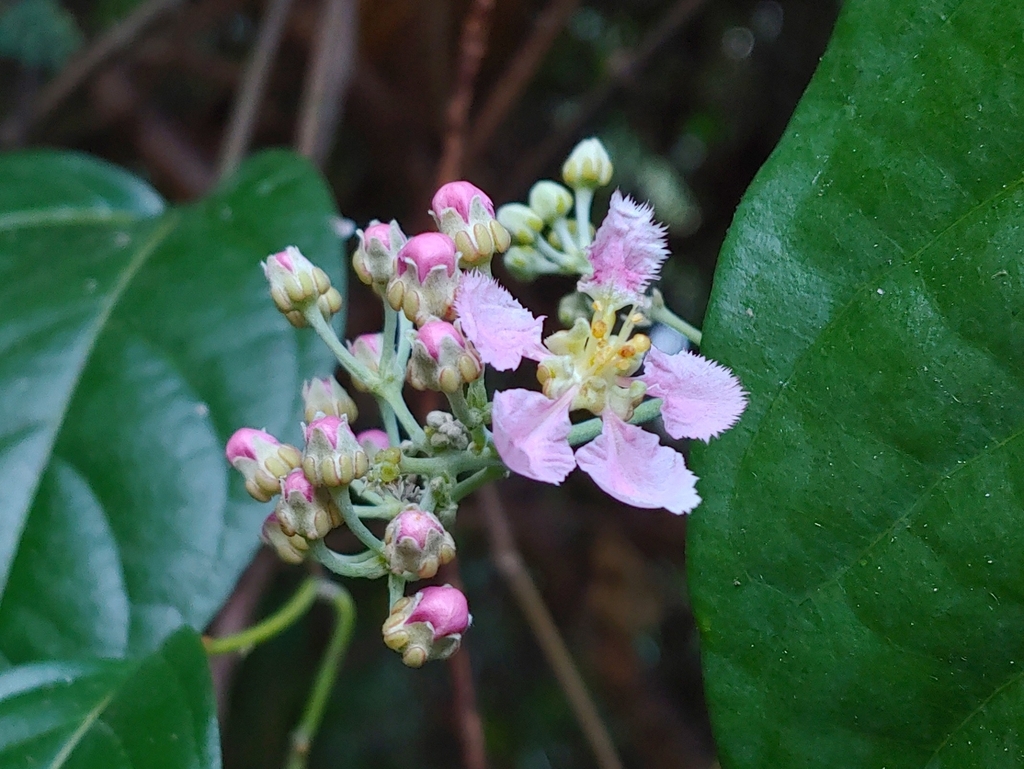
 NL·0091
Herbarium of the Nature Library
- Name
- Banisteriopsis caapi
- Family
- Malpighiaceae
- Native to
- Amazon basin and adjacent tropical South America (Brazil, Colombia, Ecuador, Peru, Bolivia)
- Habitat
- Tropical rainforest
Ayahuasca vine
Banisteriopsis caapi
Also calledAyahuasca (Quechua: 'vine of the souls') · Yagé (Colombian, Tukanoan) · Caapi (Tupi) · Natem (Shuar) · Nixi pae (Kaxinawá/Huni Kuin) · Mariri / Hoasca (Brazilian Portuguese)
A woody Amazonian liana at the heart of ayahuasca, the visionary brew of many Amazonian peoples. Its harmala alkaloids block the enzyme monoamine oxidase, which lets DMT from leaves such as chacruna (Psychotria viridis) act when drunk.
Banisteriopsis caapi, also known as caapi, soul vine, yagé (yage), or ayahuasca, is a South American liana of the family Malpighiaceae. It is commonly used as an ingredient of ayahuasca, a decoction with a long history of its entheogenic use and holds status as a "plant teacher" among the Indigenous peoples of the Amazon rainforest. Wikipedia
What it can do
- iMakes β-carboline alkaloids (harmine, harmaline, tetrahydroharmine) that inhibit monoamine oxidase A
- iiClimbs high into the rainforest canopy as a thick, twisting liana
- iiiIts MAO inhibition allows DMT to be orally active, a combination Indigenous peoples discovered without any chemistry
At the table
Not a food. The brew causes vomiting and diarrhoea (regarded as 'purging' in ritual) and intense visions. Dangerous with SSRIs, other antidepressants, stimulants and certain foods because MAO inhibition can cause serotonin syndrome or hypertensive crisis; deaths have occurred, often with mixed brews or drug interactions.
In the medicine cabinet
| Tradition | Use |
|---|---|
| Amazonian Indigenous and mestizo vegetalismo | Healing, divination and spiritual guidance in ceremonies led by curanderos |
| Brazilian ayahuasca religions (Santo Daime, União do Vegetal) | Sacramental use |
| Clinical research | Small trials of ayahuasca for treatment-resistant depression |
Weight of evidence
Traditional. Long historical use; little or no modern clinical evidence.
Active compounds
harmine, harmaline, tetrahydroharmine
Fruit & seed
Fruit
Samara
Ripens: Variable
Winged fruits typical of the Malpighia family.
Seed
~2–3 cm with wing
Winged samara
- Dispersal
- Wind
- Germination
- Usually propagated by stem cuttings rather than seed
Where it lives
Recorded sightings
—
geo-referenced records in GBIF, from museums, herbaria and field observers.
Native range
Amazon basin and adjacent tropical South America (Brazil, Colombia, Ecuador, Peru, Bolivia)
Drag the globe to turn it. Dots are where records exist, not a range map; darker means more records.
In the stacks
Searching the stacks…
Every page naming Banisteriopsis caapi in the Biodiversity Heritage Library →
Marginalia
English botanist Richard Spruce collected the vine among the Tukanoan peoples of the Rio Negro in 1851. In 2006 the US Supreme Court (Gonzales v. O Centro Espírita Beneficente União do Vegetal) upheld a church's right to use hoasca tea.
Curiosity
Harmine was once called 'telepathine' in the 1920s because of the visions reported by those who drank ayahuasca.
Kinship

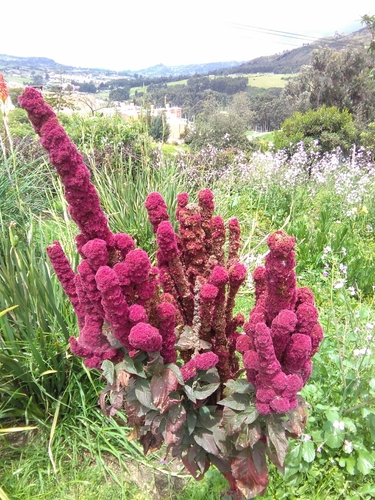
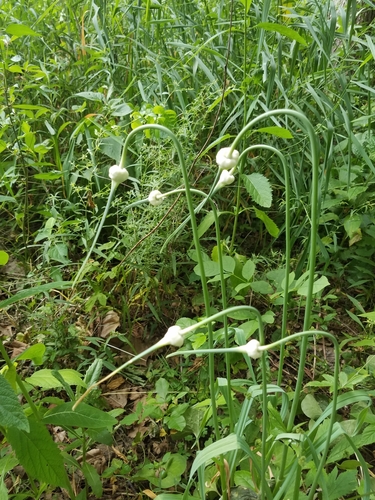


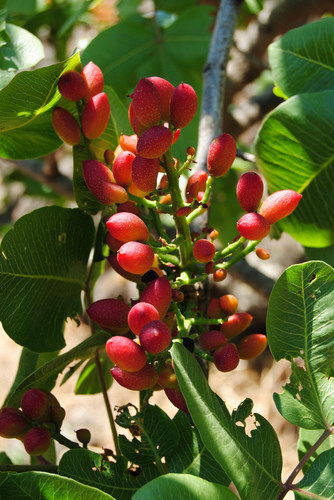
Photographs: iNaturalist contributors under the licences shown. Records: GBIF.org. Historical plates: Source Library (CC BY-SA 4.0; originals public domain). Summary text: Nature Library editors and Wikipedia (CC BY-SA). Medicinal and edibility notes are historical and educational, not advice. iNaturalist taxon 327802.