 NL·0082
Herbarium of the Nature Library
- Name
- Salvia officinalis
- Family
- Lamiaceae
- Native to
- Northern and eastern Mediterranean, especially the Balkans and Adriatic coast; cultivated worldwide
- Habitat
- Mediterranean shrubland, Limestone grassland
Common sage
Salvia officinalis
Also calledMaryamiyya مريمية (Arabic, 'Mary's herb') · Salbei (German) · Salvia (Spanish/Italian) · Sauge officinale (French) · Yàoyòng shǔwěicǎo 药用鼠尾草 (Chinese)
A woody, grey-green Mediterranean sub-shrub whose very name, from the Latin salvere, means 'to be well'. Medieval doctors put it in nearly every remedy.
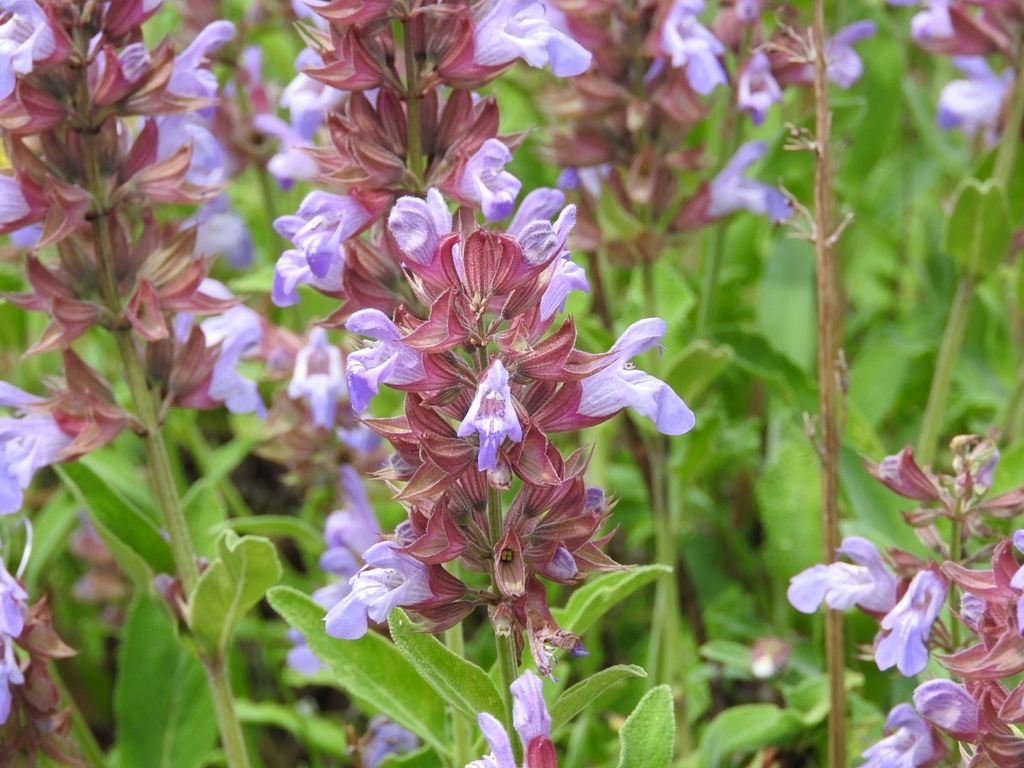
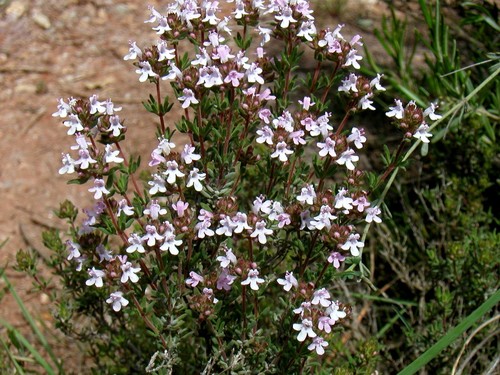
Salvia officinalis, common sage or sage, is a perennial, evergreen subshrub, with woody stems, grayish leaves, and blue to purplish flowers. It is a member of the mint family (Lamiaceae) and native to the Mediterranean region, though it has been naturalized in many places throughout the world. It has a long history of culinary use, and in modern times it has been used as an ornamental garden plant. The common name "sage" is also used for closely related species and cultivars. Wikipedia
What it can do
- iContains carnosic acid and rosmarinic acid, strong antioxidants
- iiLeaf oil is rich in thujone, which repels insects and is toxic at high doses
- iiiFelted grey hairs shade the leaves and cut water loss in summer drought
- ivIts hinged stamens act as a lever, dabbing pollen onto the backs of visiting bees
At the table
Eatenleaves · flowers
Leaves are a culinary herb. The essential oil and very large amounts of the herb contain enough thujone to cause seizures.
In the medicine cabinet
| Tradition | Use |
|---|---|
| European folk medicine | Gargles for sore throat and gum inflammation; tea to reduce sweating, for indigestion and to dry up breast milk |
| Levantine / Middle Eastern folk medicine | Maramiya tea taken after meals for stomach ache, colds and menstrual cramps |
| Modern phytotherapy | EMA-recognised for excessive sweating and mouth inflammation; small trials for menopausal hot flushes and memory |
Weight of evidence
Moderate. Some clinical trials with promising but limited or mixed results.
Active compounds
α-thujone, β-thujone, 1,8-cineole, camphor, carnosic acid, rosmarinic acid
Fruit & seed


Fruit
Nutlets
Ripens: Late summer
Four round dark nutlets in the calyx.
Seed
~2–3 mm
Round, dark brown seeds
- Dispersal
- Gravity
- Germination
- Easy; 10–21 days at 15–20 °C
Photographs from Wikimedia Commons under open licences; hover for the photographer, click for the file.
How to grow it
Hardiness (USDA zones)
USDA 5–9. Survives winters down to about -29 °C.
- Light
- Full sun
- Water
- Low
- Soil
- Light, well-drained, alkaline
- Propagation
- Seed, softwood cuttings or layering
- To harvest
- Leaves lightly in year 1; fully from year 2
- Climates
- Mediterranean, Temperate
- 1Sow or root cuttings in spring
- 2Plant in sun in free-draining soil
- 3Prune lightly after flowering to stop it getting leggy
- 4Replace plants every 4–5 years as they become woody
Can it grow where you are?
Where it lives
Recorded sightings
—
geo-referenced records in GBIF, from museums, herbaria and field observers.
Native range
Northern and eastern Mediterranean, especially the Balkans and Adriatic coast; cultivated worldwide
Drag the globe to turn it. Dots are where records exist, not a range map; darker means more records.
In the old herbals & bestiaries
Woodcuts and engravings matched from the Source Library’s scanned books by name. Plates marked “relative” show a close kin rather than this exact species. Click a plate to read the page it came from, with translation.

The Book of Health: The Art of Distillation
Brunschwig, Hieronymus · 1505 · p.234

Commentaries on the Six Books of Dioscorides
Pietro Andrea Mattioli · 1560 · p.526

Commentaries on the Six Books of Dioscorides
Pietro Andrea Mattioli · 1560 · p.510

Illustrated Compendium of Materia Medica (Vol. 10)
吳其濬 · 1848 · p.78

On the Virtues of Herbs
Macer Floridus (Odo of Meung) · 1090 · p.56

On the Virtues of Herbs
Macer Floridus · 1150 · p.127

Latin Herbal with German Synonyms
1484 · p.303

Latin Herbal with German Synonyms
1484 · p.171

Herbarius
1485 · p.292

Latin Herbal with German Synonyms
1486 · p.292
In the stacks
Searching the stacks…
Every page naming Salvia officinalis in the Biodiversity Heritage Library →
Marginalia
The medieval health manual of the School of Salerno asked: 'Cur moriatur homo cui salvia crescit in horto?' ('Why should a man die who grows sage in his garden?'). Charlemagne's Capitulare de villis (c. 800) ordered it grown on imperial estates.
Curiosity
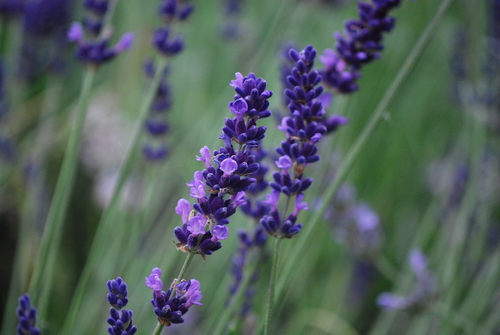
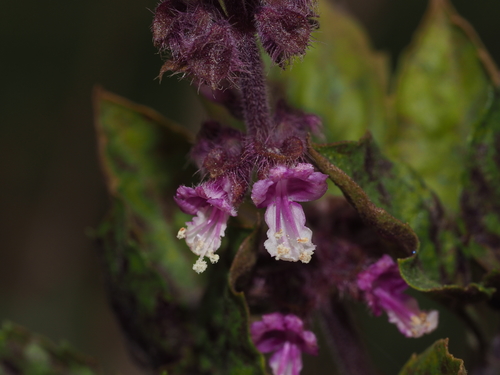
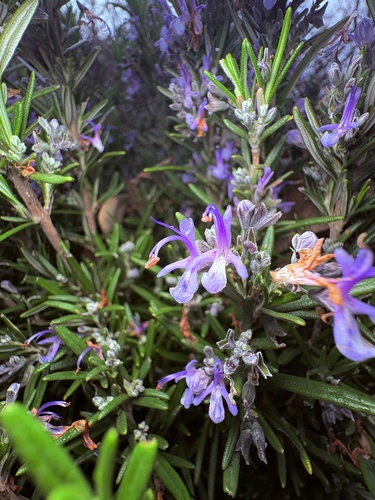
Salvia is the largest genus in the mint family, with roughly 1,000 species, and since 2017 it has included rosemary.
Kinship


Photographs: iNaturalist contributors under the licences shown. Records: GBIF.org. Historical plates: Source Library (CC BY-SA 4.0; originals public domain). Summary text: Nature Library editors and Wikipedia (CC BY-SA). Medicinal and edibility notes are historical and educational, not advice. iNaturalist taxon 51738.