 NL·0083
Herbarium of the Nature Library
- Name
- Salvia rosmarinus
- Family
- Lamiaceae
- Native to
- Mediterranean basin, from Portugal and Morocco to Turkey
- Habitat
- Mediterranean shrubland, Coastal cliffs, Garrigue
Rosemary
Salvia rosmarinus
Also calledIklīl al-jabal إكليل الجبل (Arabic, 'crown of the mountain') · Romero (Spanish) · Rosmarin (German) · Romarin (French) · Mídiéxiāng 迷迭香 (Chinese) · Ros marinus (Latin, 'dew of the sea')
An aromatic evergreen shrub of sea cliffs and garrigue, the herb of remembrance at weddings and funerals. Botanists moved it out of Rosmarinus and into the sage genus in 2017 after DNA studies.
Salvia rosmarinus, synonym Rosmarinus officinalis, commonly known as rosemary, is a shrub with fragrant, evergreen, needle-like leaves and purple or sometimes white, pink, or blue flowers. It is a member of the mint family, Lamiaceae. The species is native to the Mediterranean region. It has numerous cultivars, and its leaves are commonly used as a flavoring. Wikipedia
What it can do
- iCarnosic acid and carnosol make it one of the most effective natural food antioxidants
- iiNeedle-like, rolled leaves with hairy undersides survive drought and salt spray
- iiiFlowers in late winter and early spring, an important early source of nectar for bees
At the table
Eatenleaves · flowers
Leaves and flowers are a culinary herb. The undiluted essential oil is toxic if swallowed and can trigger seizures.
In the medicine cabinet
| Tradition | Use |
|---|---|
| European folk medicine | Tea and wine infusions for memory, headache, poor circulation and indigestion; spirits rubbed on aching joints and the scalp |
| Unani / Arabic medicine | Iklil-ul-jabal used as a nervine and brain tonic, carminative and for rheumatic pain |
| Moroccan folk medicine | Azir leaf infusions for digestive complaints, diabetes and as a general tonic |
| Modern phytotherapy | EMA traditional-use monograph for dyspepsia and as a bath additive for muscle and joint pain |
Weight of evidence
Traditional. Long historical use; little or no modern clinical evidence.
Active compounds
carnosic acid, carnosol, rosmarinic acid, 1,8-cineole, camphor, α-pinene
Fruit & seed
Fruit
Nutlets
Ripens: Spring–summer
Four small brown nutlets.
Seed
~2 mm
Small, oval, light-brown seeds
- Dispersal
- Gravity
- Germination
- Low and slow; 2–4 weeks at 18–22 °C. Cuttings are far easier
How to grow it
Hardiness (USDA zones)
USDA 7–10 (some cultivars to 6). Survives winters down to about -18 °C.
- Light
- Full sun
- Water
- Low
- Soil
- Sandy, stony, sharply drained
- Propagation
- Semi-ripe cuttings
- To harvest
- Sprigs from year 1
- Climates
- Mediterranean, Temperate
- 1Root 10 cm cuttings in gritty compost in late summer
- 2Plant in the hottest, best-drained spot available
- 3Water only in prolonged drought
- 4Trim after flowering, never into bare wood
Can it grow where you are?
Where it lives
Recorded sightings
—
geo-referenced records in GBIF, from museums, herbaria and field observers.
Native range
Mediterranean basin, from Portugal and Morocco to Turkey
Drag the globe to turn it. Dots are where records exist, not a range map; darker means more records.
In the old herbals & bestiaries
Woodcuts and engravings matched from the Source Library’s scanned books by name. Plates marked “relative” show a close kin rather than this exact species. Click a plate to read the page it came from, with translation.

Hortus Eystettensis
Basilius Besler · 1640 · p.303

Introductio Generalis in Rem Herbariam
Augustus Quirinus Rivinus · 1690 · p.444

Six Groups of the History of Plants
Rembert Dodoens · 1583 · p.292

History of Rare Plants Observed in Pannonia
Carolus Clusius · 1583 · p.77

Latin Herbal with German Synonyms
1484 · p.275

Latin Herbal
1484 · p.247

Herbarius
1485 · p.248

Herbarius latinus (with Dutch synonyms)
1486 · p.245

Latin Herbal with German Synonyms
1486 · p.248

Ortus sanitatis
1491 · p.36
In the stacks
Searching the stacks…
Every page naming Salvia rosmarinus in the Biodiversity Heritage Library →
Marginalia
In Hamlet, Ophelia says 'There's rosemary, that's for remembrance'. In medieval and Tudor England sprigs were carried at both weddings and funerals. 'Hungary water', a rosemary-based spirit, was one of Europe's first alcohol-based perfumes.
Curiosity
Rosemary extract is approved in the EU as a food antioxidant under the code E 392.
Kinship
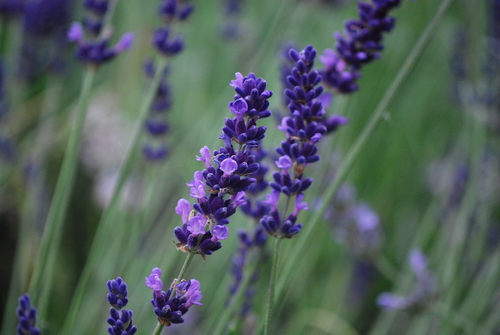

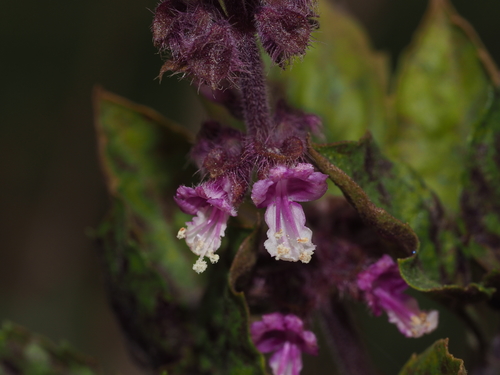
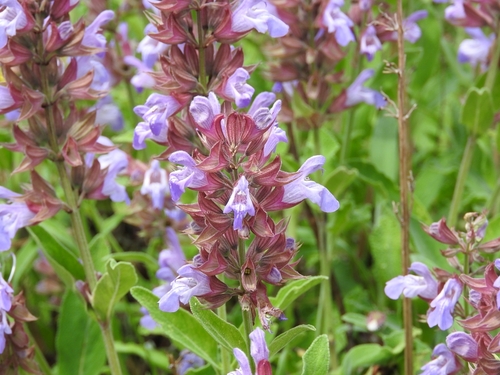

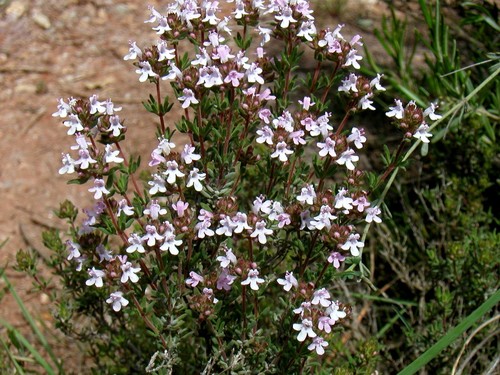
Photographs: iNaturalist contributors under the licences shown. Records: GBIF.org. Historical plates: Source Library (CC BY-SA 4.0; originals public domain). Summary text: Nature Library editors and Wikipedia (CC BY-SA). Medicinal and edibility notes are historical and educational, not advice. iNaturalist taxon 636795.