- Plants
- ›Vascular Plants
- ›flowering plants
- ›monocots
- ›palms, bullanocks, and allies
- ›palms
- ›Coryphoideae
- ›Phoeniceae
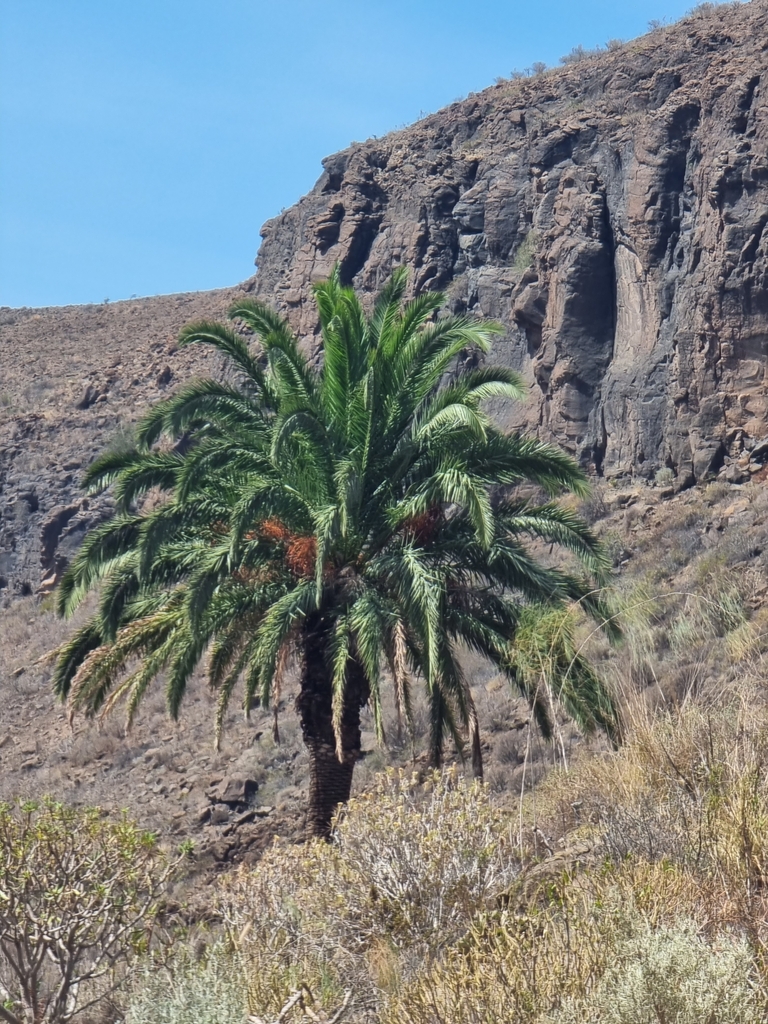
date palms
Phoenix
Phoenix is a genus of 14 species of palms, native to an area starting from the Canary Islands in the west, across northern and central Africa, to the extreme southeast of Europe (Crete), and continuing throughout southern Asia, from Anatolia east to southern China and Malaysia. The diverse habitats they occupy include swamps, deserts, and mangrove sea coasts. Most Phoenix species originate in semi-arid regions, but usually occur near high groundwater levels, rivers, or springs. The genus is unusual among members of subfamily Coryphoideae in having pinnate, rather than palmate leaves; tribe Caryoteae also have pinnate or bipinnate leaves.
The palms were more numerous and widespread in the past than they are at present. Some Phoenix palms have become naturalised in other parts of the world; in particular, the date palm's long history of cultivation means that escaped plants in the past have long-since become ingrained into the native ecosystems of countries far from its original range in the Middle East.
15 branches of this genus, most-observed first
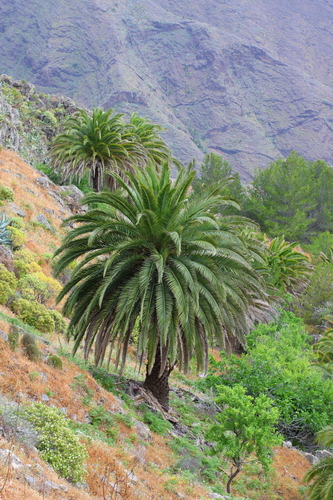
Canary Island palm
speciesPhoenix canariensis

Pygmy Date Palm
speciesPhoenix roebelenii
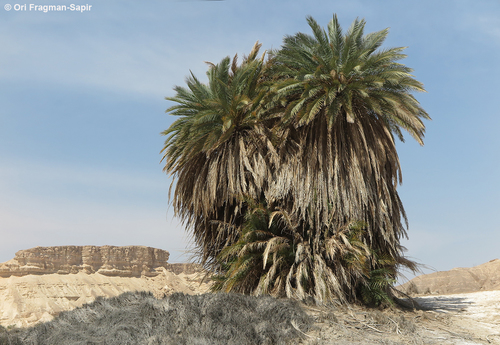
Date Palm
speciesPhoenix dactylifera
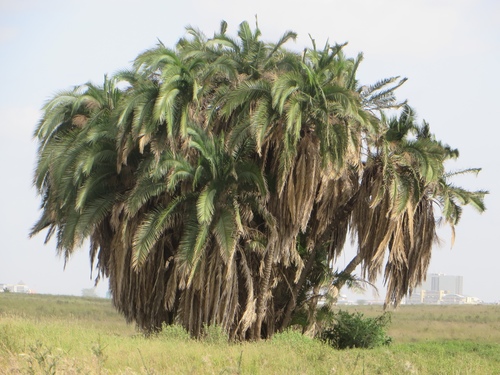
Reclining Date Palm
speciesPhoenix reclinata
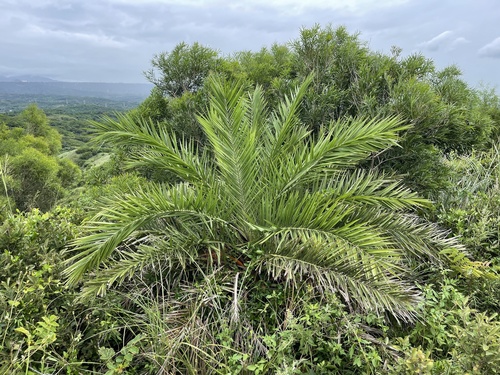
Spiny Date Palm
speciesPhoenix loureiroi
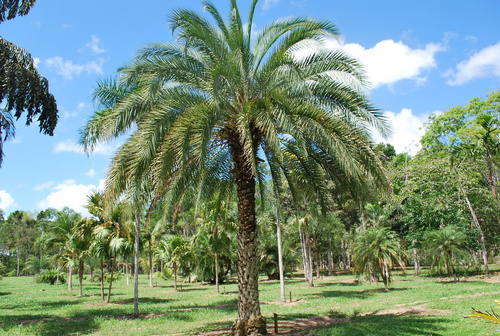
sugar date palm
speciesPhoenix sylvestris
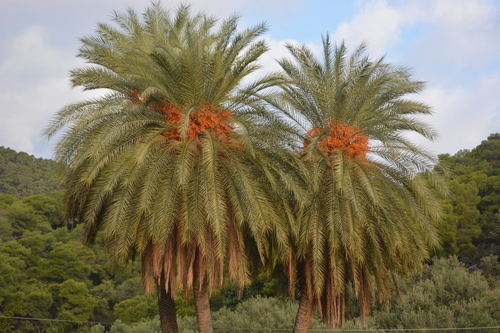
Theophrastus' Date Palm
speciesPhoenix theophrasti

Ceylon Date Palm
speciesPhoenix pusilla
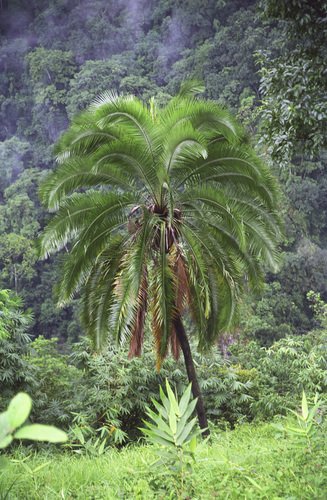
Cliff date palm
speciesPhoenix rupicola

mangrove date palm
speciesPhoenix paludosa
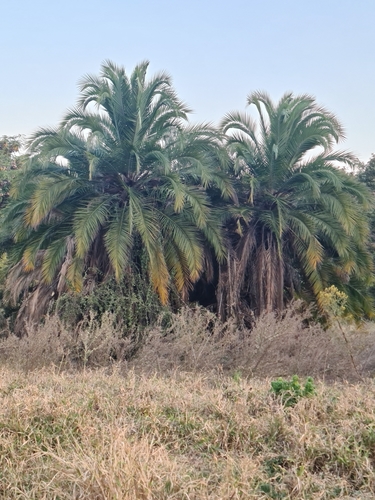
Date Palm Hybrid
hybridPhoenix canariensis × reclinata
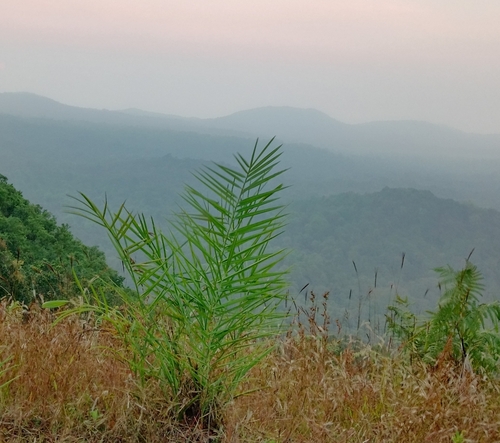
dwarf date palm
speciesPhoenix acaulis

Cape Verde Island date palm
speciesPhoenix atlantica
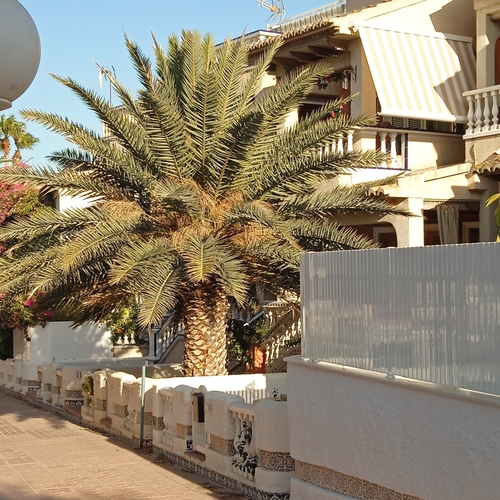
Phoenix × intermedia
hybridPhoenix × intermedia
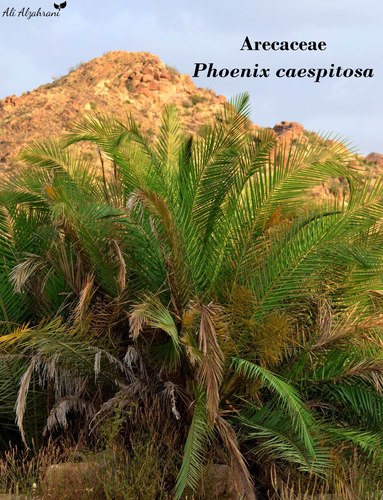
Phoenix caespitosa
speciesPhoenix caespitosa
Where it lives
Recorded sightings
—
geo-referenced records in GBIF, from museums, herbaria and field observers.
Drag the globe to turn it. Dots are where records exist, not a range map; darker means more records.
In the old herbals & bestiaries

Mirror of Wisdom
Cyrillus, Pseudo- · 1490 · p.193

Illustrations of Auspicious Omens
900 · p.13

Illustrated Compendium of Materia Medica (Vol. 27)
吳其濬 · 1848 · p.84

Description of China, Korea, and Tibet
Du Halde · 1738 · p.183

Hug. Grotii poemata omnia
Grotius, Hugo · n.d. · p.8

Kircher: China Illustrata (1667)
Athanasius Kircher · 1667 · p.266

Ortus sanitatis
1491 · p.633

Garden of Health
1507 · p.515

Louis Renard — Poissons, ecrevisses et crabes (1754)
Louis Renard · 1754 · p.63

Commentaries on the Six Books of Dioscorides
Pietro Andrea Mattioli · 1560 · p.672

Commentaries on the Six Books of Dioscorides on Medical Matter
Pietro Andrea Mattioli · 1563 · p.617

A New Herbal, or History of Plants
Rembert Dodoens (trans. Henry Lyte) · 1578 · p.529
In the stacks
Searching the stacks…
Every page naming Phoenix in the Biodiversity Heritage Library →
This page is assembled live from iNaturalist, GBIF, Wikipedia, the Source Library and the Internet Archive. It is not yet part of the hand-edited codex. iNaturalist taxon 72295.