The Apothecary / Skin & wounds
Acne
27 remedies
See a doctor if
Scarring or severe cystic acne.
Reference, not prescription. Nothing here is medical advice. Herbs can interact with medicines and be dangerous in pregnancy; tell your doctor or pharmacist about anything you take.
Limited evidence
LimitedSmall or few trials, mixed results, or mainly lab and animal work.
Aloe vera
Aloe vera
Two small studies suggest topical aloe gel, combined with other treatments, may improve acne.
Cassumunar ginger
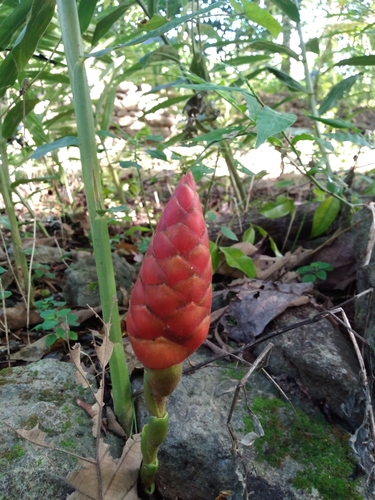
Zingiber montanum
Plai preparations have been tried for acne, but the systematic review judged the evidence unclear.
Christmas berry
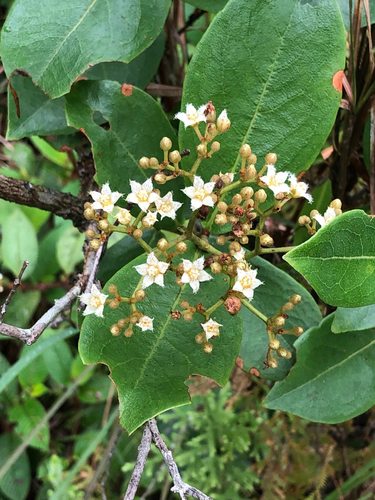
Psorospermum febrifugum
Traditionally used for acne. Stem-bark and leaf extracts inhibited the acne bacterium Propionibacterium acnes and sebum lipase in laboratory studies, and showed antioxidant, anti-inflammatory and keratolytic properties; a 2025 review proposes topical gels or creams but no clinical trials exist.
Copaiba
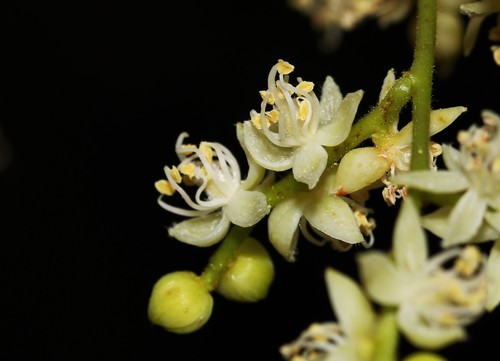
Copaifera officinalis
A small double-blind trial found a 1% copaiba essential-oil gel (from C. langsdorffii) reduced the skin area affected by acne more than placebo.
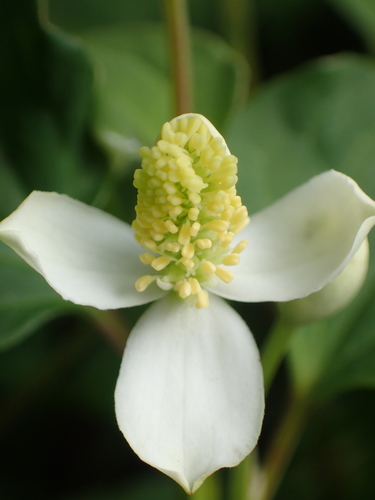
Fish mint
Houttuynia cordata
In one trial a combination of mangosteen, Lithospermum, Tribulus and houttuynia extracts reduced inflamed and non-inflamed acne lesions; the contribution of houttuynia is unknown.
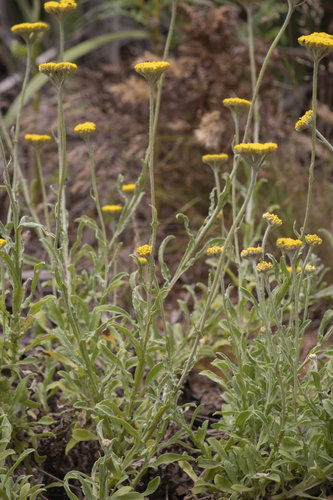
Imphepho
Helichrysum odoratissimum
Leaves boiled with fat, or a decoction, are used for pimples in South Africa. A methanol extract strongly inhibited the acne bacterium Cutibacterium acnes in the test tube (MIC under 8 µg/mL) and interfered with its biofilm; no human acne trials were found.
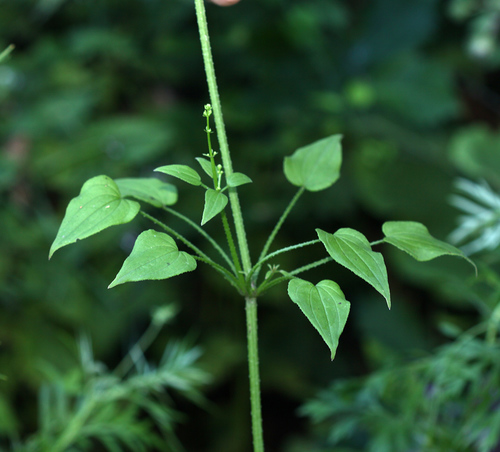
Indian madder
Rubia cordifolia
A 2026 review cites antimicrobial and anti-inflammatory studies relevant to acne, but these are laboratory studies, not trials in people (abstract only).
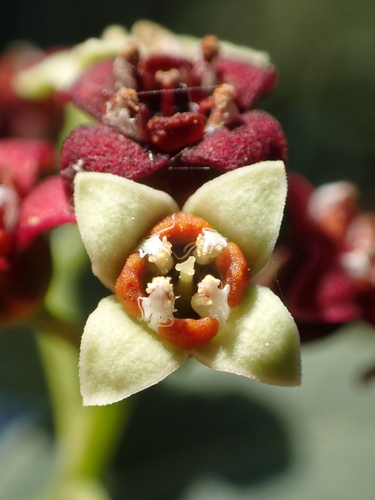
Indian sandalwood
Santalum album
Only an open-label pilot of a 0.5% salicylic acid regimen containing up to 2% sandalwood oil, in which about 89% improved over 8 weeks; the oil's own contribution cannot be separated.
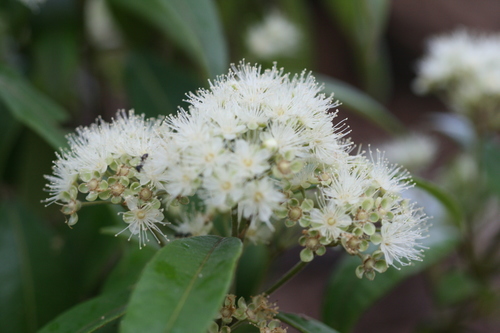
Lemon myrtle
Backhousia citriodora
The oil inhibited Propionibacterium acnes in the lab; no acne trials were found.
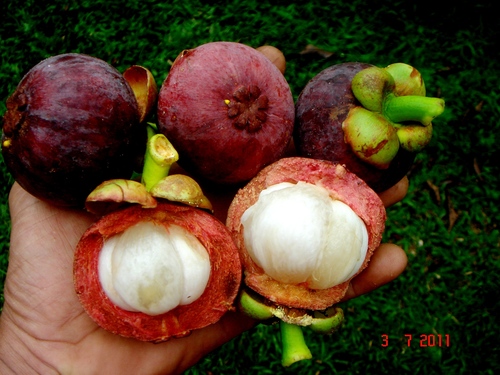
Mangosteen
Garcinia mangostana
A topical mangosteen extract improved mild-to-moderate acne in a small study; confirmatory studies are needed.
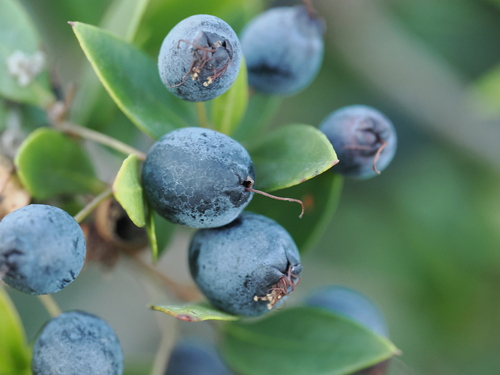
Myrtle
Myrtus communis
In a 12-week split-face trial a leaf-extract solution reduced inflammatory acne lesions more than clindamycin; in another study a myrtle and azelaic acid product lowered relapse but not lesion counts.
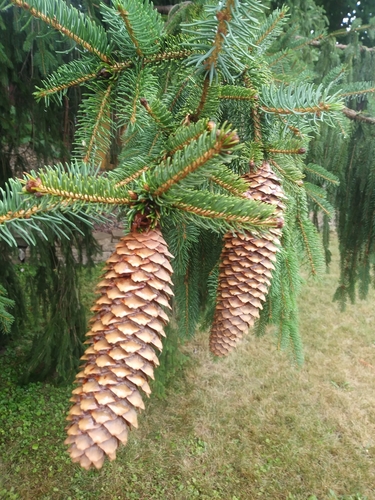
Norway spruce
Picea abies
In a 28-day open, uncontrolled study, 31 adults with mild acne using a cream with 30% resin extract had 27% fewer total lesions. The extract killed Cutibacterium acnes in the laboratory. No controlled trial.
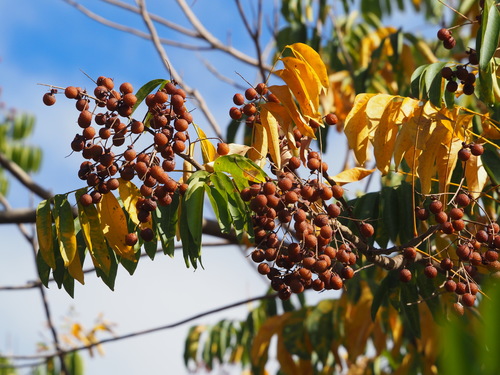
Soapnut
Sapindus mukorossi
A purified fruit-saponin fraction was studied as a cosmetic additive with anti-acne and skin-brightening activity in laboratory tests.
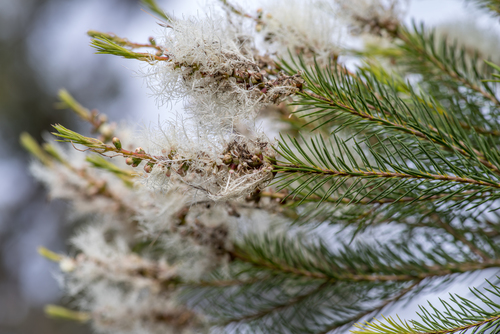
Tea tree
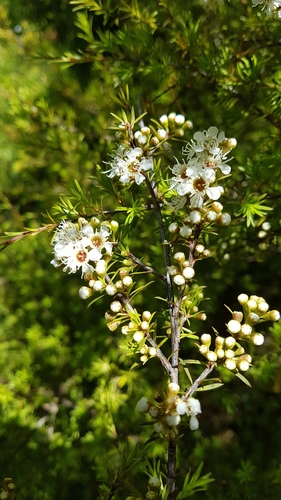
Melaleuca alternifolia
In a 124-patient trial, 5% tea tree gel reduced inflamed and non-inflamed lesions over 3 months about as well as 5% benzoyl peroxide, more slowly but with fewer side effects; a 60-patient trial found 5% gel better than placebo. A 2026 meta-analysis of 7 studies (445 patients) found a modest reduction in acne severity. EU traditional use covers small boils and mild acne.
Traditional use
TraditionalLong recorded use, essentially untested in clinical trials.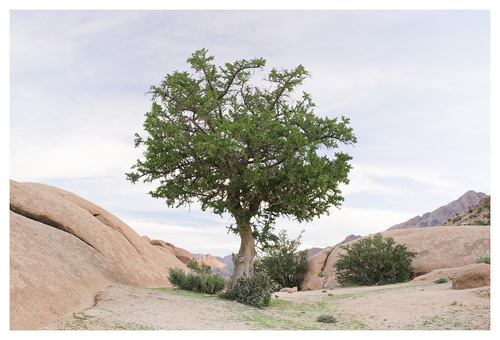
Argan
Argania spinosa
Traditionally applied against acne, including juvenile acne, in Morocco.
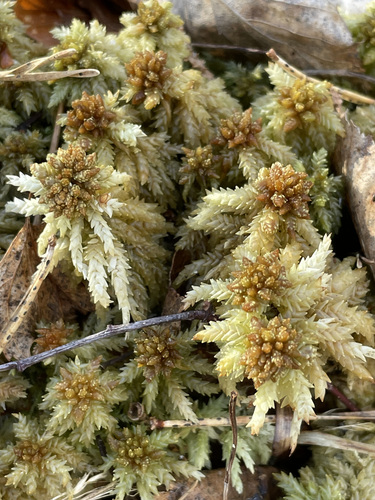
Blunt-leaved bog moss (Peat moss)
Sphagnum palustre
Sphagnum preparations such as Sphagnol soap were used for acne, ringworm and eczema, and by the British Red Cross in both World Wars for facial wounds and trench sores.
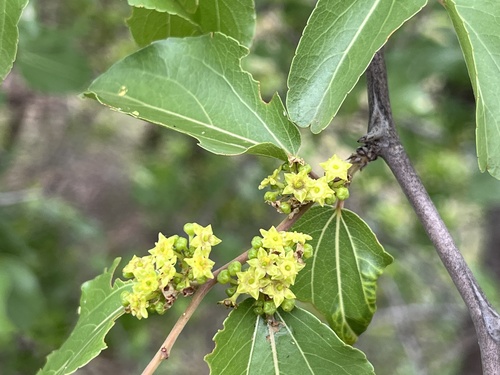
Buffalo thorn
Ziziphus mucronata
Among the skin conditions treated with it in North-West Province, South Africa.
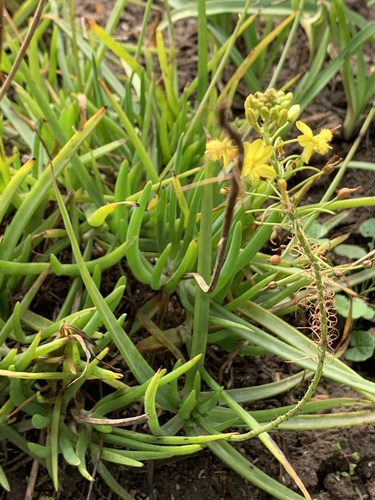
Burn jelly plant
Bulbine frutescens
Zulu and Afrikaans use for acne.
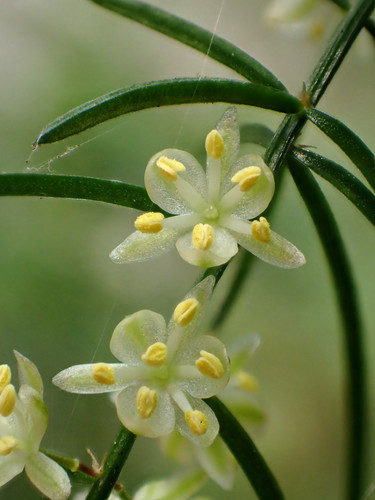
Chinese asparagus
Asparagus cochinchinensis
Folk uses include acne and urticaria; the root is also used in cosmetics.
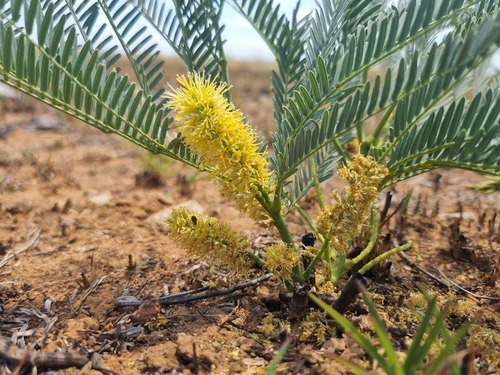
Elephant's root
Elephantorrhiza elephantina
In South Africa roots and rhizomes are boiled for external use on acne and other skin diseases, and combined with Pentanisia prunelloides for eczema.

Greater burdock
Arctium lappa
Root preparations are recorded for acne and other skin complaints in European tradition, and the seeds and their tinctures for acne in Asian use. Not tested in trials of burdock alone.
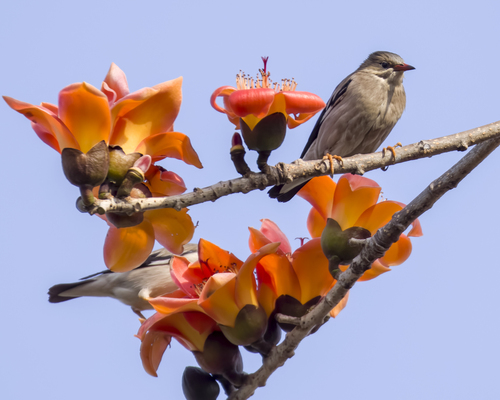
Red silk-cotton tree
Bombax ceiba
Powdered stem and root are used for acne, pimples and skin blemishes in India and Pakistan.

Stinging nettle
Urtica dioica
EMA traditional use of powdered nettle herb in seborrhoeic (oily) skin conditions.
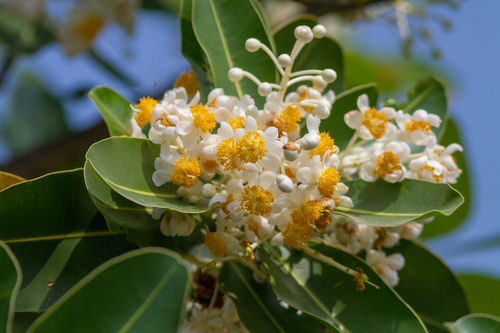
Tamanu
Calophyllum inophyllum
Recommended for acne and pimples; the oil inhibits Gram-positive skin bacteria in lab tests.
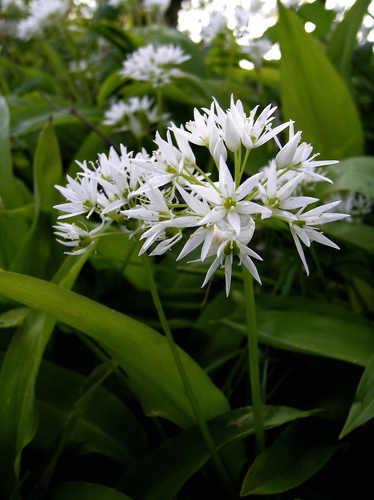
Wild garlic
Allium ursinum
Applied externally for wound healing, chronic skin disorders and acne; extracts are antimicrobial and antifungal in the test tube.
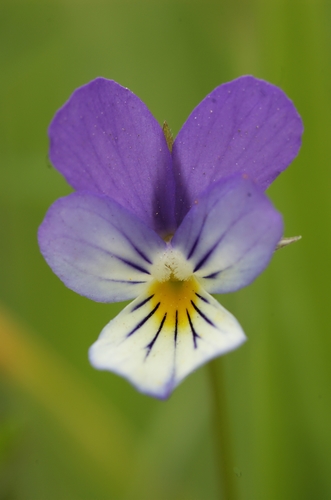
Wild pansy
Viola tricolor
Recorded in older handbooks for impetigo, acne and itching; a UK tablet of dry aqueous extract was registered under the old rules for over 40 years as a traditional remedy for spots, skin blemishes and dry eczema. There are no trials.