The Apothecary / Skin & wounds
Wounds and cuts
244 remedies
See a doctor if
Deep or gaping wounds, animal bites, wounds that will not stop bleeding, or signs of infection.
Reference, not prescription. Nothing here is medical advice. Herbs can interact with medicines and be dangerous in pregnancy; tell your doctor or pharmacist about anything you take.
Strong evidence
StrongAn approved medicine, or consistent good-quality trials and reviews.
Domestic silkmoth
Bombyx mori
Silk from B. mori has been used as surgical suture material for centuries and braided silk sutures remain in use; purified fibroin is as biocompatible as other common biomaterials, with earlier reactions traced to residual sericin.
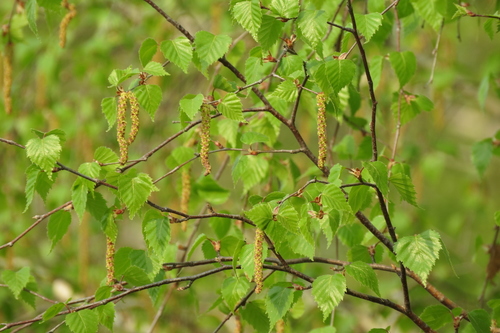
Silver birch
Betula pendula
A gel of dry birch-bark extract (Filsuvez) is approved by the EU (2022) and US FDA (2023) for partial-thickness wounds of dystrophic and junctional epidermolysis bullosa from 6 months of age. In the main trial (223 patients) 41% had complete closure of the target wound within 45 days versus 29% on control gel; no difference was seen at 90 days.
Moderate evidence
ModerateSeveral trials, mostly positive, or an EMA ‘well-established use’ monograph.
Limited evidence
LimitedSmall or few trials, mixed results, or mainly lab and animal work.
Abalo
Brucea antidysenterica
Seed paste is used on wounds in Ethiopian folk medicine. In rats, ointments of the aqueous fraction of a leaf extract sped wound contraction and had antibacterial activity.

African entada
Entada africana
Leaves are used as a wound dressing that 'prevents suppuration' in northern Nigeria and Ghana, and the bark and roots for chronic wounds; in northern Benin the leaves are used for fractures, wounds and sprains. Phenolic compounds from the leaves showed anti-inflammatory effects in cell assays.
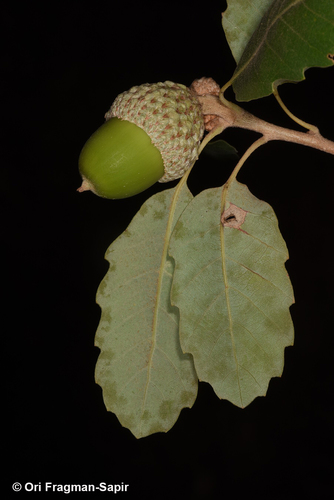
Aleppo oak
Quercus infectoria
Traditionally used for wounds and skin disorders; gall extract has accelerated wound healing in diabetic animal models and protected oxidatively damaged skin fibroblasts in cell studies. No human wound trials were found.

Ammoniac
Dorema ammoniacum
Iranian herders use the gum on infected wounds and abscesses; Jorjani wrote that a Dorema plaster 'wears away decayed flesh and regenerates new'. In rats, 5–20% gum-extract ointments closed wounds faster than untreated controls, with full healing by day 12.
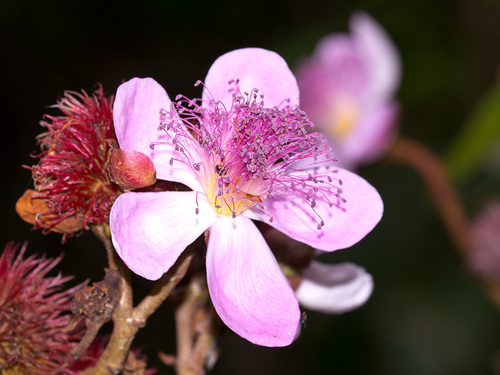
Annatto
Bixa orellana
Seeds are a traditional anti-inflammatory for bruises and wounds and are used on burns in Brazil and Nicaragua. In a small randomised trial after foot and ankle surgery, Urucu ointment applied for 4 weeks gave better observer scar scores (POSAS 2.56 vs 3.33) than a control ointment; two patients had local itching or reactions.

Balm of Gilead
Commiphora gileadensis
Used in Saudi Arabia, Yemen and Oman on wounds and skin infections. A methanolic extract sped wound contraction and reduced Staphylococcus aureus colonisation of infected wounds in mice; the sap inhibited bacteria in the lab. No human trials found.
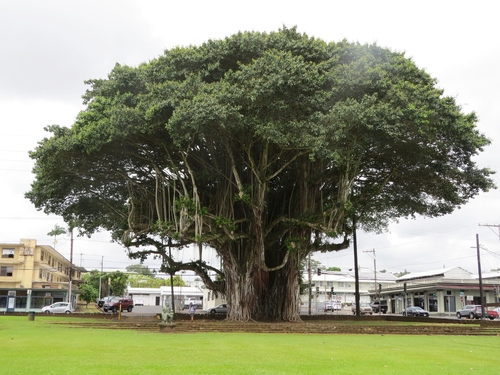
Banyan
Ficus benghalensis
Banyan (Vata) bark is one of five barks in Panchavalkala, described by Sushruta for cleansing and healing wounds. An uncontrolled clinical study of a Panchavalkala cream in infected chronic wounds reported less slough, discharge and bacterial load; banyan alone has not been tested.

Bistort
Bistorta officinalis
Used topically for skin conditions. A rhizome infusion and its constituents were active against skin bacteria and reduced inflammatory cytokine release from human neutrophils in the lab.
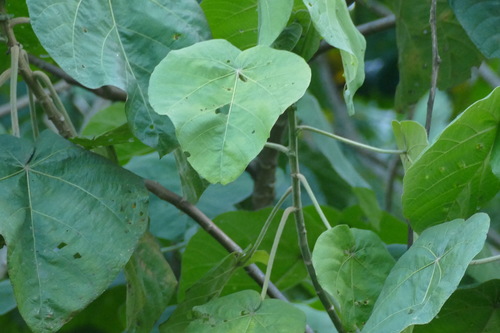
Broad-leaved croton
Croton macrostachyus
Widely used for wounds and skin infections; in Kenya leaf and root decoctions are used for wounds, warts and skin diseases. Methanol and ethanol leaf extracts inhibited Staphylococcus aureus (MIC 0.625 mg/ml) in vitro.
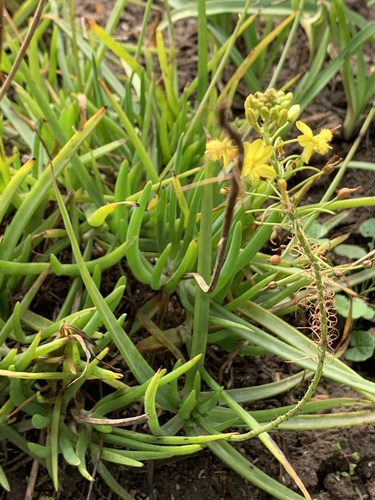
Burn jelly plant
Bulbine frutescens
Fresh leaf extracts and gel are used for fast wound healing and the root extract as a styptic. Leaf gel increased wound closure, tensile strength and collagen content in a pig cutaneous wound model, and extracts increased cell migration in scratch assays; leaf extracts inhibited wound bacteria in vitro.
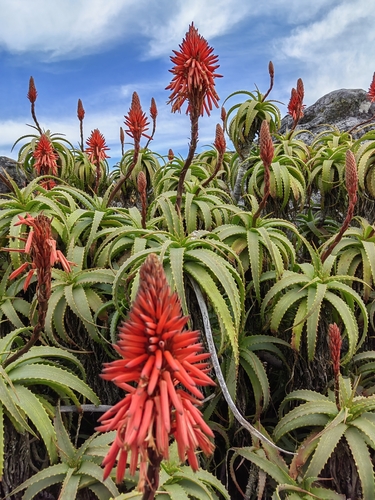
Candelabra aloe
Aloe arborescens
Leaf extracts were antibacterial and aided wound closure in cell assays; the leaf has long been used for skin disorders.
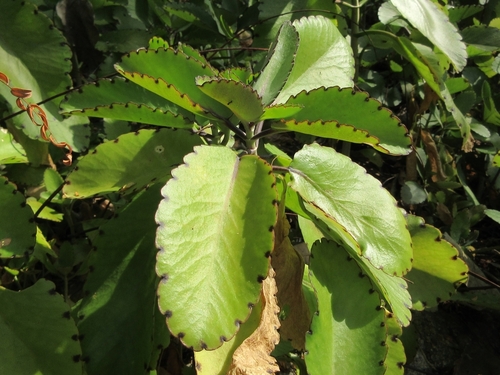
Cathedral bells
Bryophyllum pinnatum
Wound healing is the plant's main folk use. Rat studies of leaf extracts and its main flavonoid showed better re-epithelialisation; a small non-randomised study of a leaf decoction for diabetic foot ulcers (40 patients) reported greater improvement than saline, with baseline differences between groups.
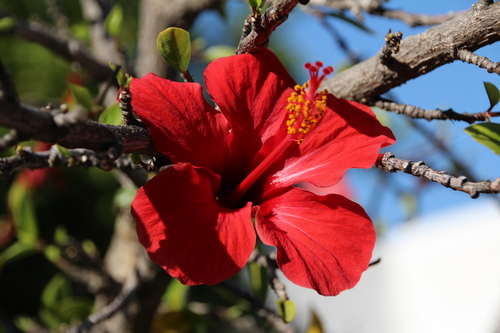
Chinese hibiscus
Hibiscus rosa-sinensis
An ethanolic flower extract (5–10% ointment) sped wound contraction and increased collagen in excision, incision and dead-space wound models in rats.

Christmas bush
Alchornea cordifolia
Ulcers and wounds are traditional indications; a 2016 review lists wound-healing and anti-inflammatory activity in laboratory and animal studies.
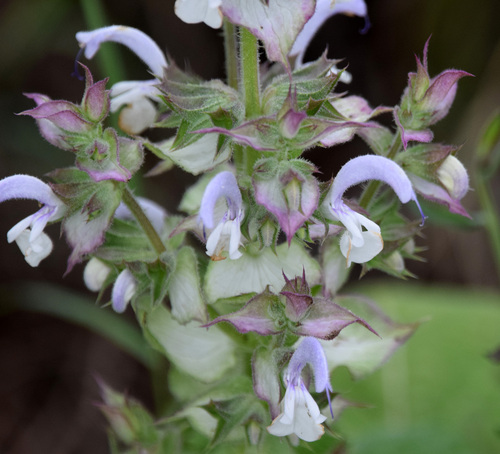
Clary sage
Salvia sclarea
Leaf poultices are used for skin infections and wounds in north-eastern Algeria. In rats with excision wounds, topical clary sage oil sped up wound contraction and skin regrowth and lowered oxidative stress and inflammatory markers (TNF-α, IL-6) compared with soft paraffin. No human data.

Cleavers
Galium aparine
Traditionally used for wounds and skin injuries. A hydroethanolic extract sped up scratch-wound closure in human skin fibroblasts and endothelial cells, was not toxic to them, and weakly inhibited Staphylococcus aureus in the lab. There are no animal or human wound studies.

Cluster fig
Ficus racemosa
Leaf decoction is used to wash wounds and latex is applied to them. A double-blind trial in 25 ear-lobe repair patients found a 5% Panchavalkala extract (five barks including Udumbara) reduced slough, swelling and redness at 15 days compared with Neosporin, but not pain or discharge.
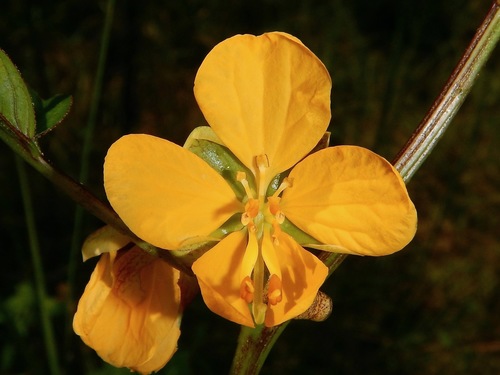
Coffee senna
Senna occidentalis
Leaf extracts sped the healing of excision wounds in mice compared with controls; there are no human studies.
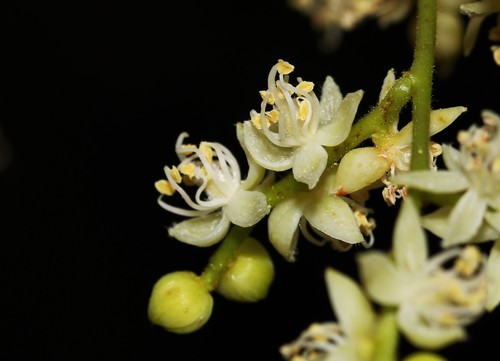
Copaiba
Copaifera officinalis
The main traditional use in the Amazon. In a randomised placebo-controlled trial (42 patients, 32 completing), a silicone gel with copaiba oil improved abnormal scars over 84 days; animal studies show faster wound healing. The species in most products is not C. officinalis.

Cuachalalate
Amphipterygium adstringens
Applied to wounds since before the Spanish conquest. In rats, purified 3α-hydroxymasticadienoic acid and anacardic acids sped wound closure by about 30%, but the whole hydroalcoholic extract had no effect.
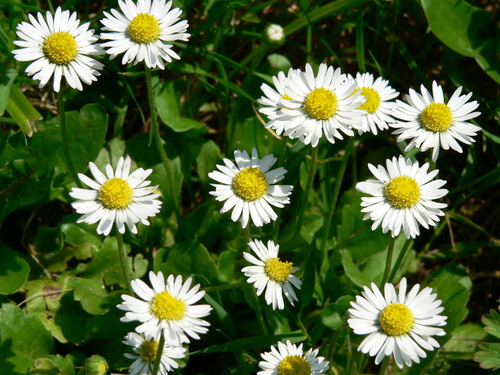
Daisy
Bellis perennis
A traditional European wound herb. In rats, an ointment made from a butanol fraction of the flowers closed excision wounds completely by day 30 without scarring, against 85–87% in control wounds. In cultured human skin cells, a flower extract increased collagen production.
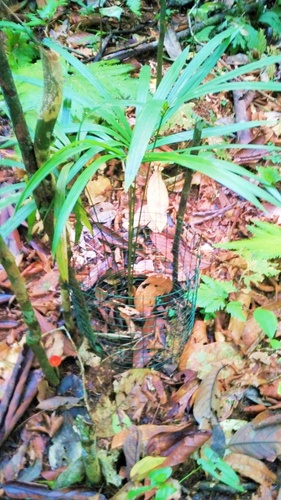
Dragon's blood palm
Calamus draco
A 2026 meta-analysis of 14 randomised trials (1,011 people) found that adding 'Resina Draconis' to standard care improved the healing response of diabetic foot ulcers and shortened healing time, though healing-time results varied widely between trials (I² = 96%); no serious adverse events were reported. Trial quality was variable, and the products were rarely identified to species: 'Resina Draconis' can come from Dracaena trees as well as this palm. In Taiwan, the palm resin is an ingredient of Jinchuang ointment, used for chronic diabetic and leprosy wounds; in the lab its extract promoted blood-vessel and muscle-cell growth.

Elephant creeper
Argyreia nervosa
Ayurveda credits Vriddhadaru root with wound-healing action. No human trials were found.
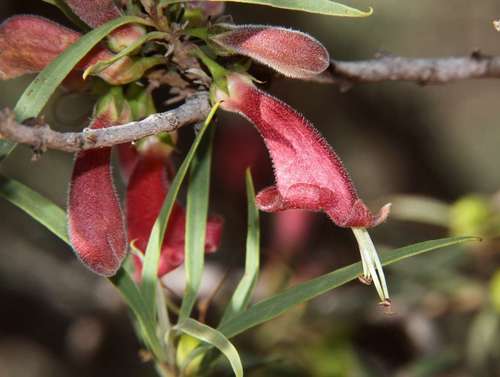
Emu bush
Eremophila longifolia
Leaf decoctions were used by First Australians as hot baths and antiseptic washes for wounds and skin infections. In the lab, the leaf essential oil had moderate activity against Staphylococcus aureus and S. epidermidis; neryl ferulate from the leaves was moderately active against Gram-positive bacteria. No clinical studies.
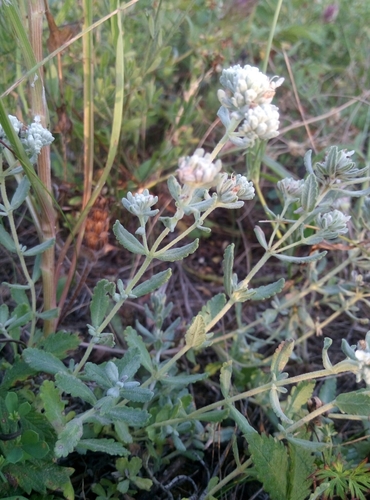
Felty germander
Teucrium polium
Used in Iranian folk medicine for diabetic ulcers. In a placebo-controlled trial (70 enrolled, 55 completed), adding T. polium ointment to standard care for 4 weeks shrank non-infected diabetic foot ulcers more than placebo ointment.
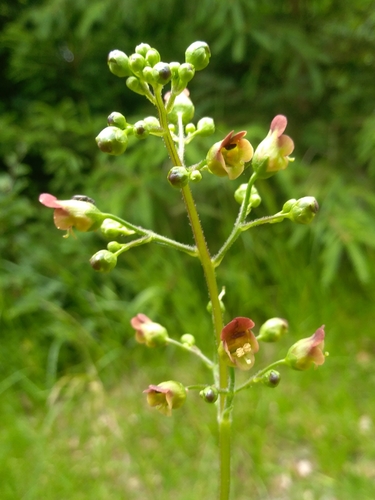
Figwort
Scrophularia nodosa
A long-standing European folk wound remedy. Three acylated iridoid glycosides from the seed pods stimulated growth of human skin fibroblasts in vitro, and a figwort extract raised the anti-inflammatory cytokine IL-10 in cultured skin cells; a multi-herb blend containing figwort was well tolerated on horse wounds in a small pilot. No human trials.
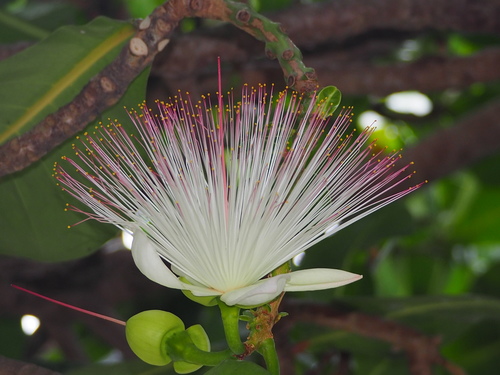
Fish poison tree
Barringtonia asiatica
One of 14 plants that Samoan healers use for wounds, burns and sores. Its extract made human skin cells (fibroblasts) migrate faster in a lab scratch test; there are no clinical studies.
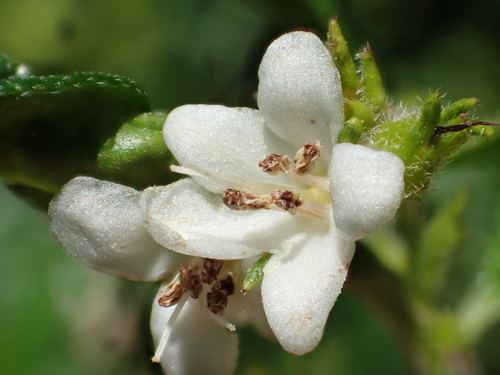
Fukien tea tree
Carmona retusa
In mice, ointments of alcoholic extracts of the root, stem and leaves closed wounds faster than 0.2% nitrofurazone ointment. Animal data only.

Giant dodder
Cuscuta reflexa
Used for skin infections; an aqueous-methanol extract sped the healing of experimental frostbite wounds in rats. Animal data only.
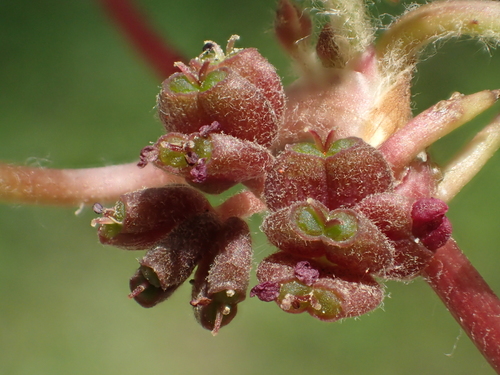
Gotu kola (Indian pennywort)
Centella asiatica
The WHO monograph lists treatment of wounds, ulcerous skin conditions and prevention of keloid and hypertrophic scars as uses supported by clinical data, mostly older uncontrolled studies. EMA recognises traditional use to aid healing of minor wounds.
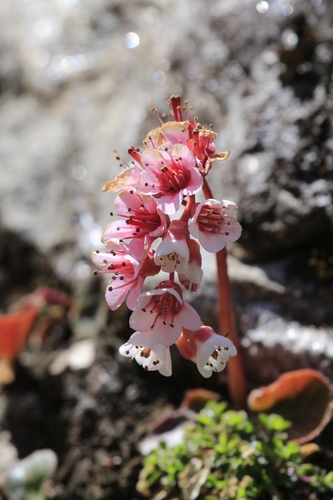
Hairy bergenia
Bergenia ciliata
Used in Sikkim for fresh cuts, wounds and fractured bones; an ethanolic rhizome extract promoted healing of excision wounds in rats (title only).
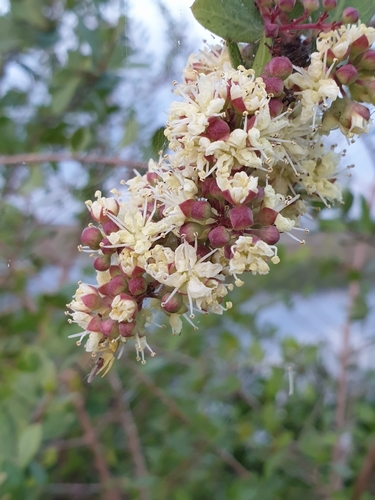
Henna
Lawsonia inermis
In a randomised double-blind trial of 60 patients with open wounds after pilonidal sinus surgery, henna extract ointment reduced wound length, depth and volume at two weeks more than phenytoin or eucerin. Rat wound models also show faster healing.
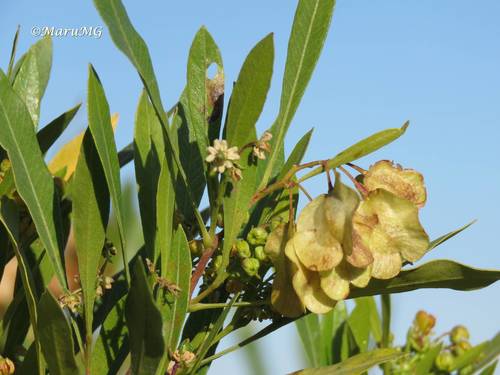
Hopbush
Dodonaea viscosa
Aboriginal uses recorded in the same review include leaf juice on stonefish and stingray wounds and a root decoction applied to wounds. In rats, an ointment of a flavonoid-rich leaf fraction (2.5–5%) closed incision and excision wounds faster than povidone-iodine ointment. No human trials.
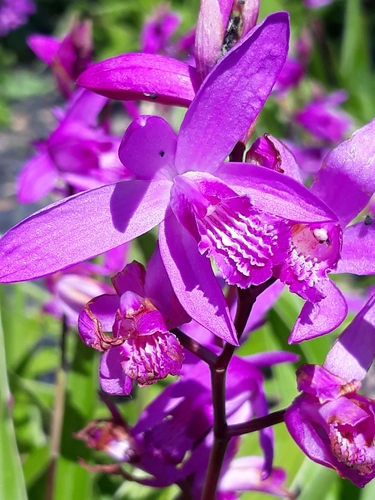
Hyacinth orchid
Bletilla striata
Traditionally applied to sores, abscesses, burns and chapped skin. Dressings made with Bletilla polysaccharide are reported to absorb blood and tissue fluid and speed healing of burns and surgical wounds; combinations with rhubarb are used for burns in China. Well-controlled human wound trials were not found.
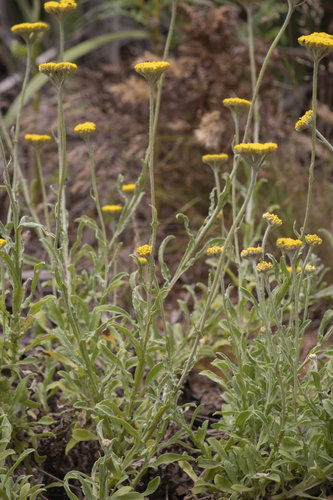
Imphepho
Helichrysum odoratissimum
Leaves are used as a wound dressing and for burns; the 2026 review reports an in vivo study supporting wound-healing activity, but no clinical trials.
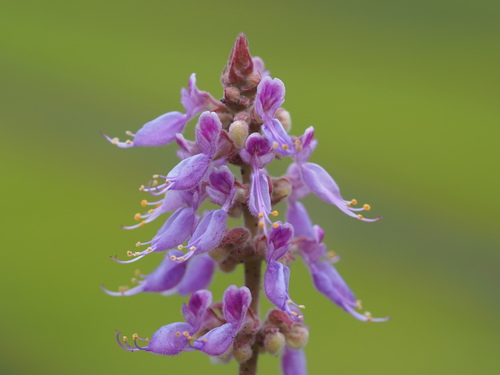
Indian borage
Coleus amboinicus
Fresh leaves are applied to wounds, abrasions and hard-to-heal sores in South America and the Caribbean. Extracts were analgesic and anti-inflammatory in mice; no human wound trials were found.
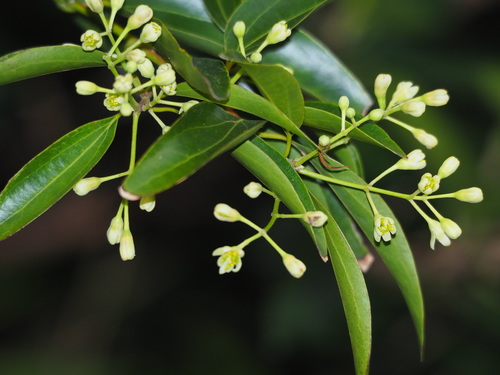
Indonesian cinnamon
Cinnamomum burmanni
Leaf essential oil, rich in D-borneol, promoted skin-cell migration and anti-inflammatory macrophage changes and sped wound healing in animal tests. No human studies.
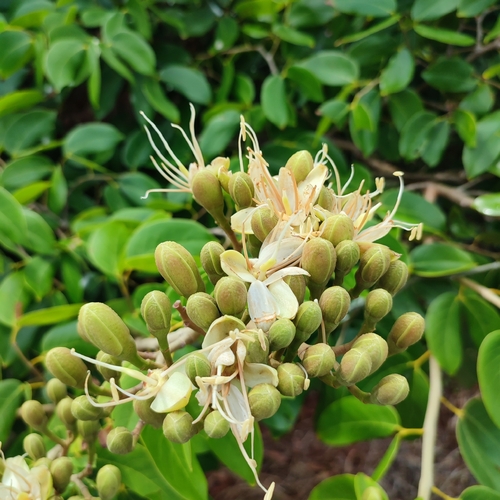
Jatobá
Hymenaea courbaril
Used for wounds and inflammation in Brazilian traditional medicine. Leaf extracts inhibited Staphylococcus aureus biofilm in the laboratory about as well as chloramphenicol; no human wound studies.
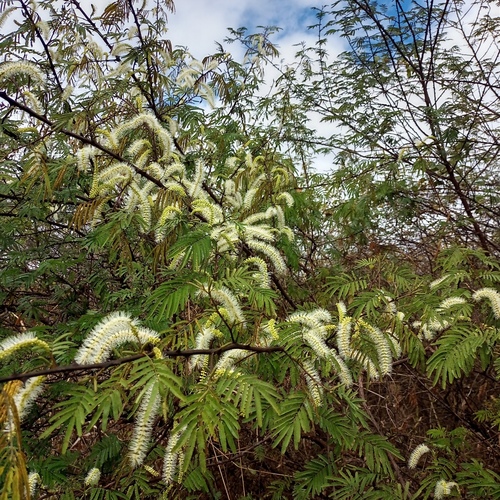
Jurema
Mimosa tenuiflora
In a randomised double-blind placebo-controlled trial in Mexico, a hydrogel with 5% bark extract (standardised to 1.8% tannins) reduced venous leg ulcer size by an average of 92% after 8 weeks, against healing in only one placebo patient; no side effects were seen. The trial was small and has not been widely replicated.
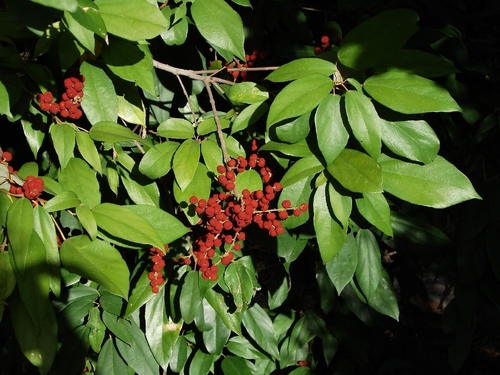
Kamala tree
Mallotus philippensis
Used externally on ulcers and wounds; a bark extract promoted stem-cell migration and improved wound healing in mice.
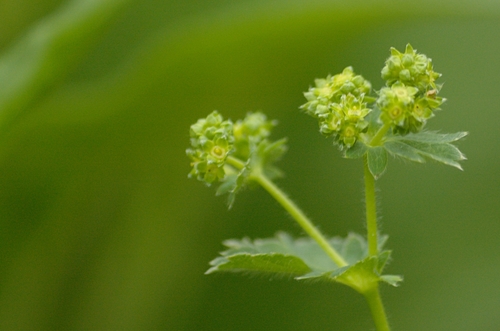
Lady's mantle
Alchemilla vulgaris
Reported in folk medicine for wounds and rashes. A 3% extract reduced lesion size in rats and increased growth of skin-type cells in culture; a 2025 review found no human trials.
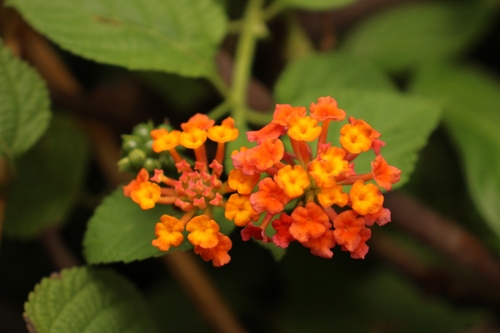
Lantana
Lantana camara
Used traditionally on cuts, ulcers, itches and as a wound antiseptic; topical leaf extract shortened epithelisation time in rats (17.2 vs 19 days) and leaf extracts had moderate antibacterial activity in the lab.
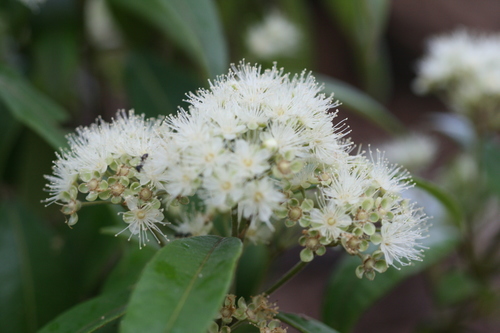
Lemon myrtle
Backhousia citriodora
First Nations Australians applied the leaves as a topical paste for wound care. The oil was active against Staphylococcus aureus, MRSA, E. coli, Pseudomonas, Candida and others in the lab, and has been built into experimental wound-dressing hydrogels.

Lodh tree
Symplocos racemosa
A review of Ayurvedic wound-healing plants lists it among those found effective in experimental models; no clinical trials were described.
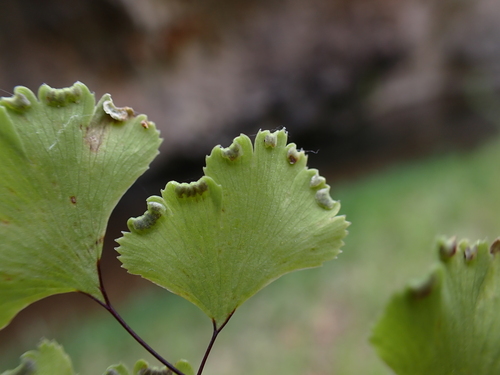
Maidenhair fern
Adiantum capillus-veneris
A methanol extract promoted skin-cell migration in a lab wound model, and a formulation with aloe and myrrh sped wound closure in rats.
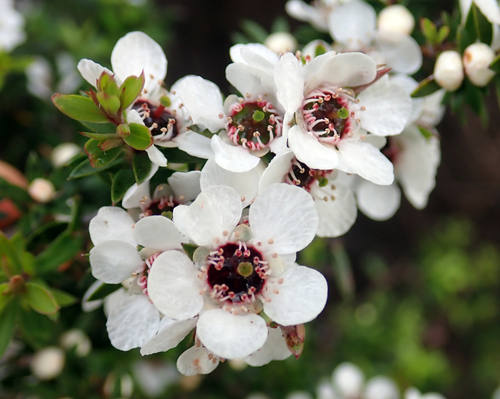
Mānuka
Leptospermum scoparium
Honey healed infected post-operative wounds faster than antiseptic and gauze in one trial; for venous leg ulcers, diabetic foot ulcers and minor wounds the effect is unclear. MSK notes randomised trials found mānuka honey no better than standard care for venous leg ulcers or eyelid surgery wounds.
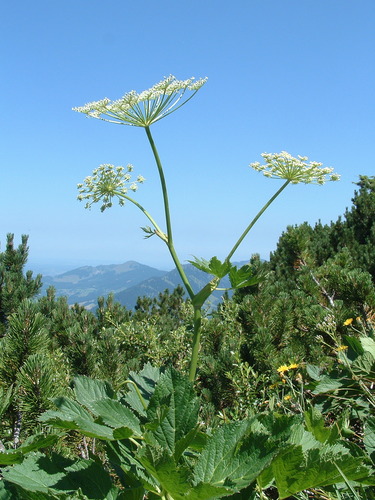
Masterwort
Peucedanum ostruthium
In parts of the Alps the leaves are applied to superficial injuries; leaf and rhizome extracts promoted wound closure in keratinocyte and fibroblast cultures.
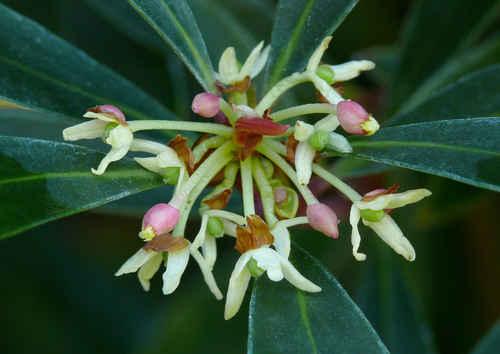
Mountain pepper
Tasmannia lanceolata
A glycerine extract of the berry reduced nitric oxide, TNF-α and IL-6 in cell models, and a combination with bitter orange and native river mint aided a wound-healing response in skin cells. Cell studies only.
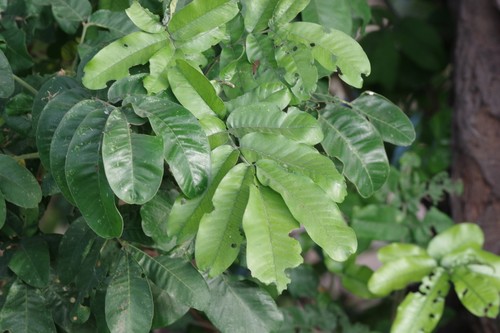
Natal mahogany
Trichilia emetica
In Mali the leaves are used to heal wounds. In South Africa, powdered bark in petroleum jelly is applied to wounds between the fingers and toes, and leaf poultices to wounds and bruises. Leaf polysaccharides showed complement-fixing (immune-modulating) activity in vitro. No clinical trials.

Neem
Azadirachta indica
A small study cited in a 2025 review reported that about 44% of patients with chronic wounds had 50% healing after 8 weeks; without good controls, this proves little.
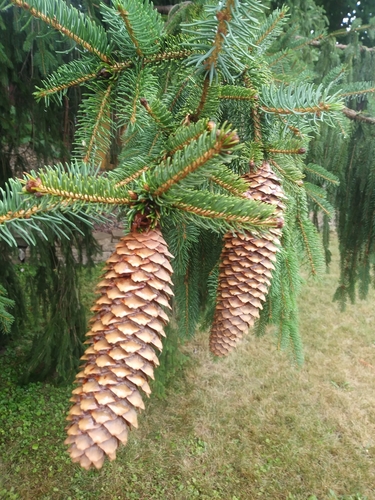
Norway spruce
Picea abies
In a randomised multicentre trial in 37 patients with grade II–IV pressure ulcers, 12 of 13 who completed 6 months on resin salve healed completely, against 4 of 9 on hydrocolloid dressings. Many patients dropped out, which weakens the result. In an uncontrolled pilot study, all 23 complicated surgical wounds healed (mean 43 days).
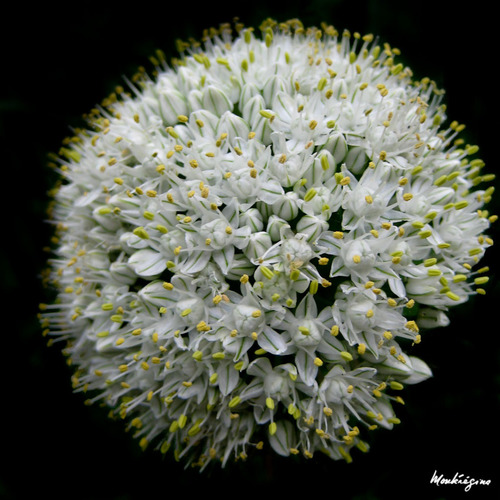
Onion
Allium cepa
Onion-extract gels (sold in Europe combined with heparin and allantoin) are used on surgical and burn scars. A 2021 meta-analysis of 13 randomised trials found they improved scar scores compared with no treatment but were no better than other common topical treatments, and they caused more side effects and more drop-outs from intolerance; onion extract in a silicone gel did better than other treatments.
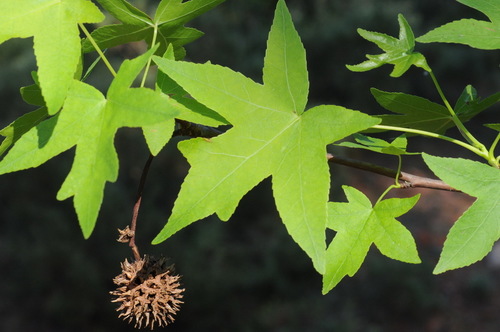
Oriental sweetgum
Liquidambar orientalis
Traditionally used in Turkey for wounds, burns and skin irritation. In human keratinocyte cultures, very low concentrations of the balsam increased cell proliferation and migration and sped closure of a scratch 'wound'; no animal or human wound trials were found.
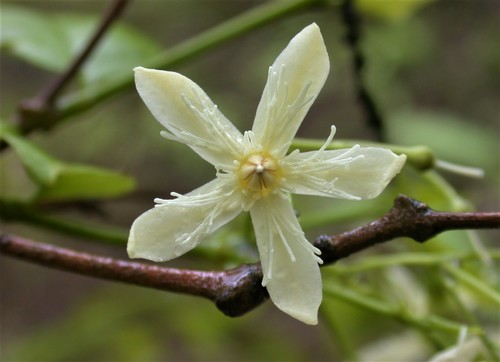
Pala indigo
Wrightia tinctoria
The latex is applied to fresh wounds in folk medicine. Its serine proteases more than doubled the healing rate of excision wounds in mice compared with untreated controls, and plant extracts helped wound healing in rats. Animal data only.
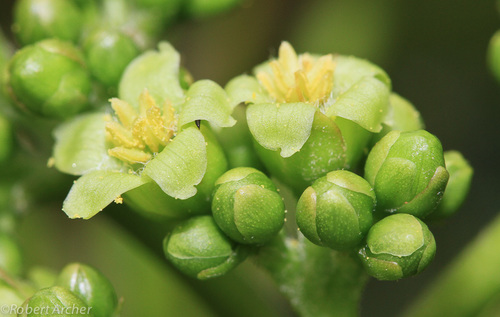
Physic nut
Jatropha curcas
One of the most cited wound-healing plants in Ugandan ethnomedicine. In the lab its latex inhibited bacteria and Candida isolated from infected burn wounds in Yemen, sometimes as well as standard antibiotics, and a latex formulation was not toxic to human fibroblasts and promoted collagen production. No clinical trials.

Pointed gourd
Trichosanthes dioica
A 5% fruit-extract ointment sped wound contraction and healing in rats (six per group). No human data.
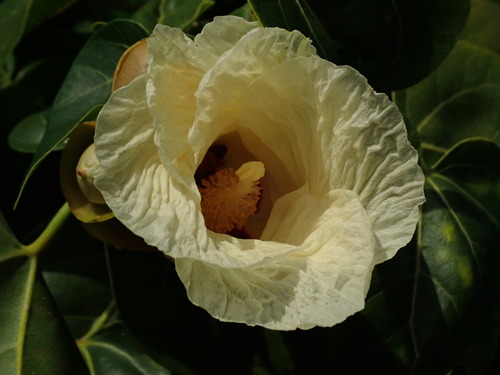
Portia tree
Thespesia populnea
Indian tribal communities use it for cuts and wounds. Ethanol bark extract and its fractions in a 1–2% hydrogel sped wound closure in rats.
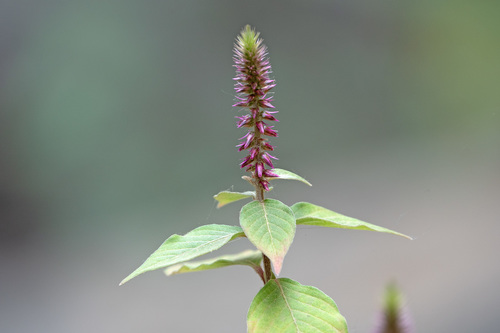
Prickly chaff flower
Achyranthes aspera
Traditionally used in Ethiopia for wounds, infections and inflamed skin. Leaf extracts and creams made from them inhibited Staphylococcus aureus and other bacteria in the laboratory. There are no clinical trials of wound treatment.

Purple gromwell
Lithospermum erythrorhizon
Shiunkō promoted re-epithelialisation and granulation tissue in rat wound models. In a phase II trial in 40 Ethiopian patients with cutaneous leishmaniasis, Shiunkō twice daily for 4 weeks shrank lesions more than placebo (69% vs 22% by week 16) and sped closure of ulcerated lesions, though cure and parasite clearance did not differ.

Purple loosestrife
Lythrum salicaria
In rats with second-degree burns, a loosestrife ointment gave about 90% wound contraction and better-organised skin than an inactive base. It also moderately inhibited Staphylococcus aureus and Candida albicans. No human studies.
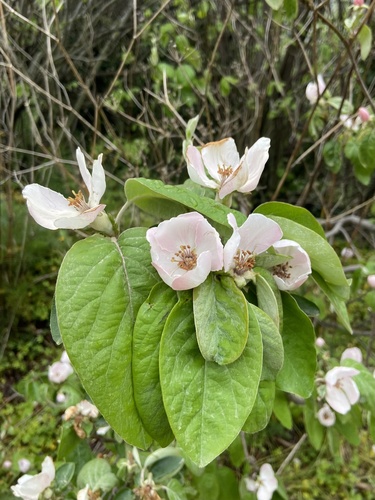
Quince
Cydonia oblonga
Quince seed mucilage (a glucuronoxylan) has been used in experimental dermal patches and scaffolds for wound healing; evidence is from lab and animal work.
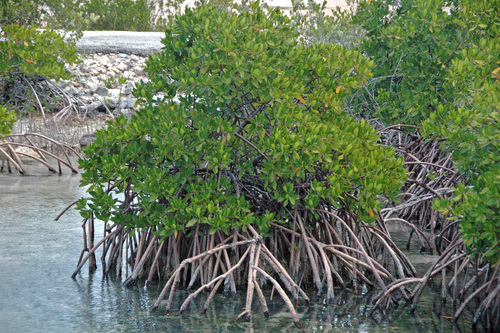
Red mangrove
Rhizophora mangle
In a 2026 randomised trial in venous leg ulcers, a 5% red mangrove cream reduced ulcer area by about half over 12 weeks, with complete healing in 34.5% of ulcers versus 15.6% with control. A small study of eyelid surgery wounds found faster epithelial healing than with dexpanthenol cream.
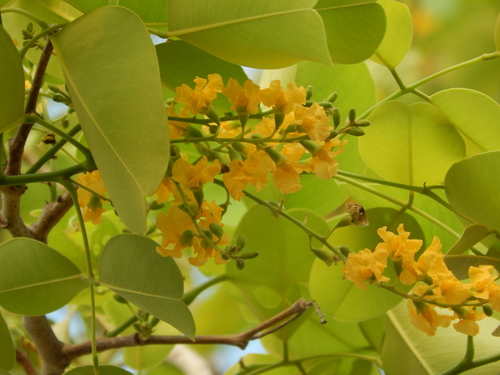
Red sanders
Pterocarpus santalinus
An ointment made from the bark healed wounds in normal and diabetic rats, and the same ointment was used on six people with lower-limb wounds, all of which healed. The human series had no control group, so it shows little.
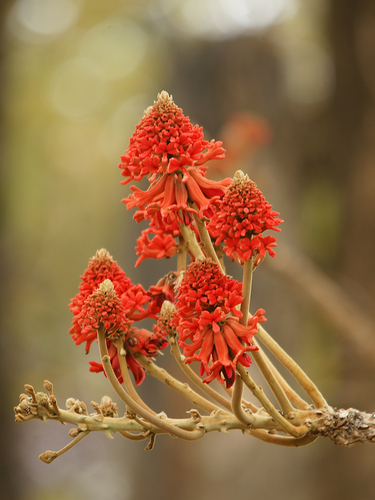
Red-hot-poker tree
Erythrina abyssinica
Bark, flowers and leaves are boiled in petroleum jelly and smeared on wounds and skin infections, including leprosy sores. In a rat wound study, 10% stem bark and leaf ointments healed 82–89% of the wound area in 15 days, but not significantly better than the untreated control.
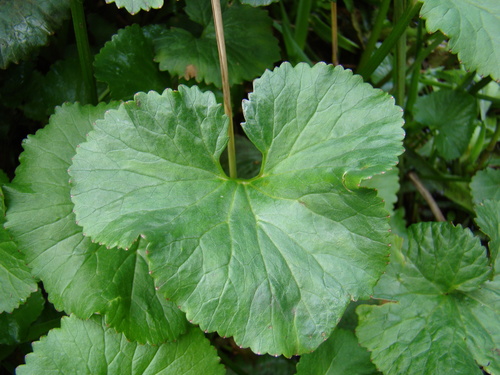
River pumpkin
Gunnera perpensa
Leaves are applied as hot poultices to wounds and boils in Lesotho, and a rhizome decoction is used as a dressing for wounds and psoriasis. Leaf extracts showed antibacterial activity in the laboratory, stronger than root extracts.
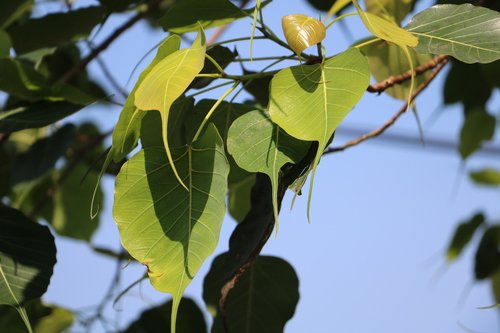
Sacred fig (Bodhi tree)
Ficus religiosa
Leaves are applied to wounds and skin diseases, and the bark (Ashvattha) is one of the five barks of Panchavalkala. An uncontrolled study of Panchavalkala cream in infected chronic wounds reported less slough and bacterial load; the sacred fig alone has not been tested.
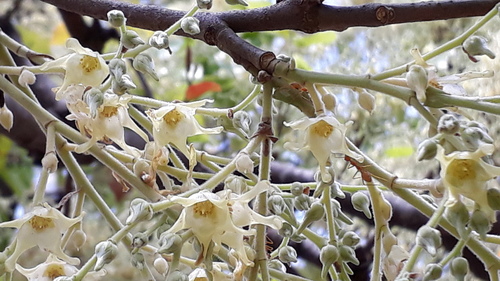
Sal
Shorea robusta
Indian tribal communities use the resin on infected wounds and burns and apply bark paste to stop bleeding from cuts. In rats, 10% resin-extract or resin-oil ointments healed incision and excision wounds faster than plain base and the antibiotic framycetin; an ethanol extract (10 and 30%) also sped healing. No human trials.
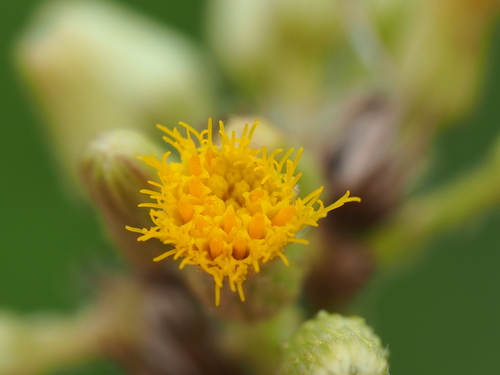
Sambong
Blumea balsamifera
In rats the volatile oil sped healing of burns and total flavonoids improved wound healing; applied to rat skin at 2,000 mg/kg it caused no acute toxicity.

Sangre de grado
Croton lechleri
The main Amazonian use: the sap is applied to wounds. Wound-healing effects are shown in lab and animal studies; controlled human trials are lacking.
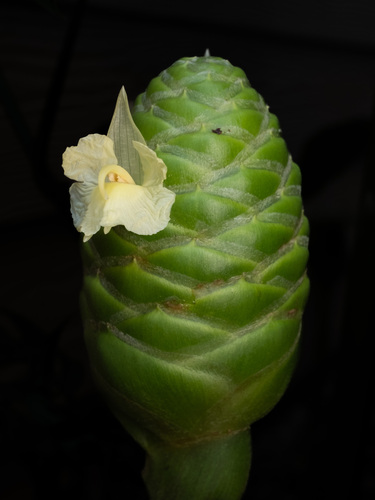
Shampoo ginger
Zingiber zerumbet
Hawaiians applied the pounded rhizome and leaf ash to cuts and bruises. Topical zerumbone sped wound healing in rat and mouse excision-wound studies; no human data.
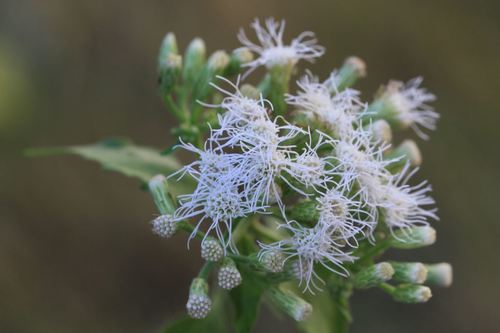
Siam weed
Chromolaena odorata
In a 2024 study, a purified fraction of the leaf-and-stem extract shortened bleeding time in rabbits, sped up healing of skin wounds in rats and caused no skin irritation or allergy in rabbits and guinea pigs. A leaf extract (Eupolin) increased the growth of fibroblasts and endothelial cells in culture; it has been used as an ointment for wounds and burns in Vietnam, but no fetched source reports a controlled trial.
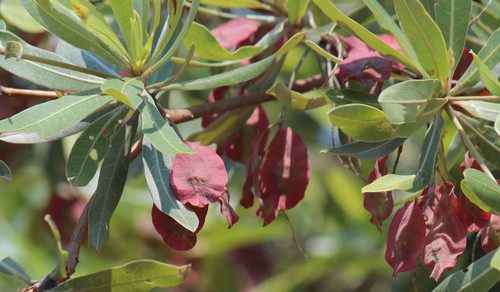
Silver cluster-leaf
Terminalia sericea
Used for wound infections and skin rashes; extracts increased migration of endothelial and fibroblast cells in vitro, and wound-healing activity is listed among its reported pharmacological effects.
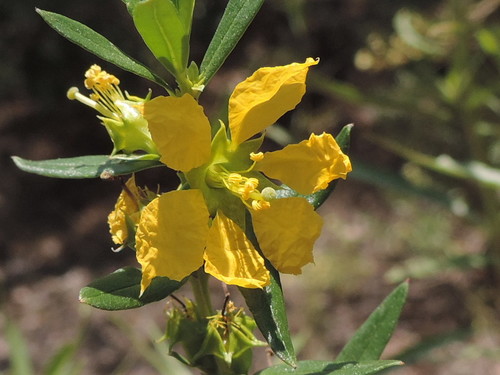
Sinicuichi
Heimia salicifolia
Reputed to enhance wound healing and used for post-partum baths; in the Sierras de Córdoba (Argentina) a decoction is applied as compresses for blows and inflammations. Its alkaloids cryogenine and nesodine inhibited prostaglandin synthesis about 2.5 times as strongly as aspirin in vitro, and vertine is anti-inflammatory in animals.
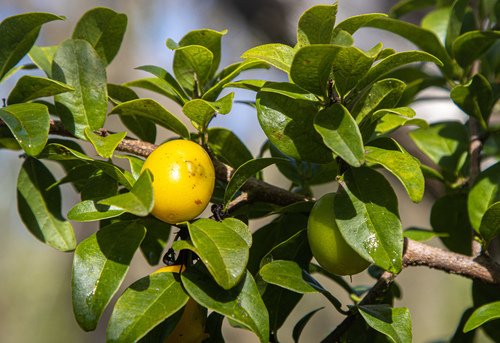
Sour plum
Ximenia americana
In north-east Brazilian ethnomedicine the bark is an astringent, healing remedy for wounds and skin and mucosal ulcers; in Mozambique the dried, ground root is applied to wounds. In rats, a 10% ointment of the branch extract increased wound contraction at 7 and 14 days.
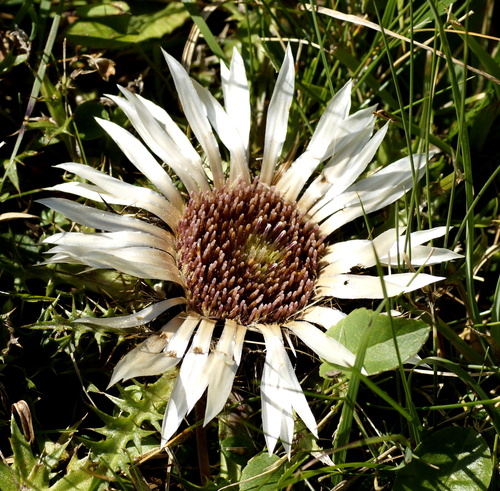
Stemless carline thistle
Carlina acaulis
Used externally on wounds and ulcerations in Montenegrin and Serbian folk medicine. In the lab the root essential oil and carlina oxide inhibited Gram-positive bacteria and fungi at low concentrations, and fractions of a root methanol extract inhibited Bacillus cereus strongly and MRSA weakly (MIC 2.5–5 mg/ml) without obvious toxicity to cultured cells; there are no human studies.
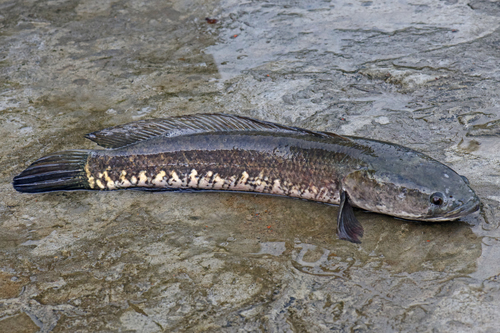
Striped snakehead
Channa striata
In a randomised trial of 76 women after caesarean section, 500 mg of C. striatus extract daily for 6 weeks did not change postoperative pain or wound-healing scores compared with placebo, but improved scar appearance and patient satisfaction.
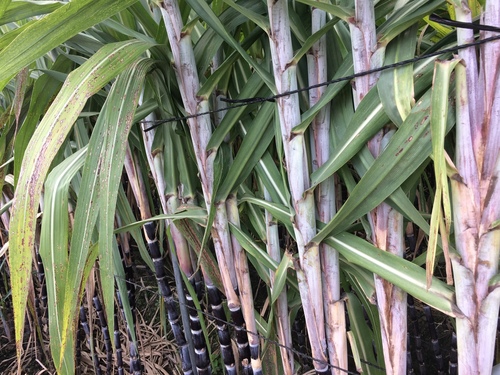
Sugarcane
Saccharum officinarum
Granulated sugar dressings have been used on chronic wounds. In a 40-patient comparison, honey dressings cleared bacteria and healed wounds faster than sugar dressings.
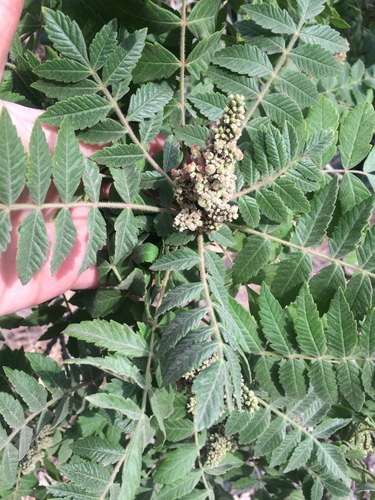
Sumac
Rhus coriaria
Applying fruit preparations to skin injuries is a Middle Eastern ethnomedical use; fruit extracts reduced skin inflammation in laboratory and animal dermatitis models, with only a few experimental wound-healing studies and no human trials.
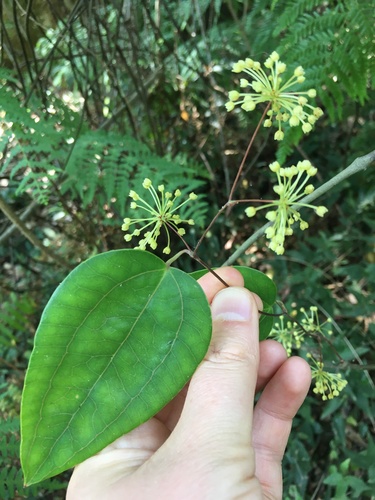
Sweet sarsaparilla
Smilax glyciphylla
Yaegl Elders describe it among plants used as antiseptics for wounds, sores and skin infections, and the leaves are used topically to clear skin problems. A 70% ethanol leaf extract inhibited sensitive and multidrug-resistant Staphylococcus aureus in the test tube, while a water extract made like the customary preparation showed no antibacterial activity. No human studies.
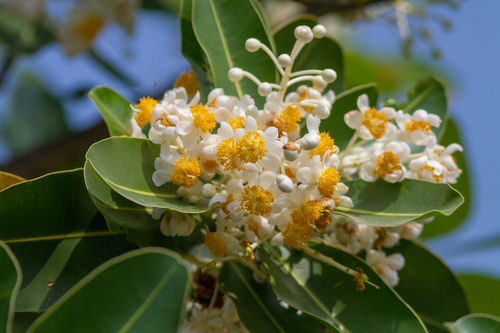
Tamanu
Calophyllum inophyllum
Used in Tahitian medicine (Raau Tahiti) for infected wounds. In mice, calophyllolide from the oil sped wound closure and reduced fibrosis compared with saline and povidone-iodine. No human trials were found.
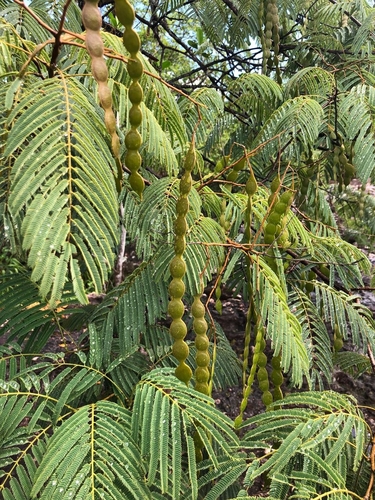
Vilca
Anadenanthera colubrina
A 5% alcoholic angico extract applied to skin incisions in rats increased collagen and new blood vessels and sped healing (20 rats).

Western honey bee
Apis mellifera
For other wounds (leg ulcers, diabetic foot ulcers, pressure sores), the Cochrane review found the evidence too weak or inconsistent to say whether honey helps; medical-grade, sterilised honey is used in wound care, not table honey.
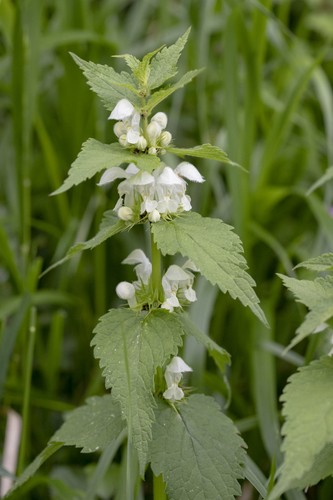
White dead-nettle
Lamium album
A heptane extract of the flowers stimulated growth of human skin fibroblasts in culture, while methanol and ethyl acetate extracts were cytotoxic at higher concentrations. Cell work only.
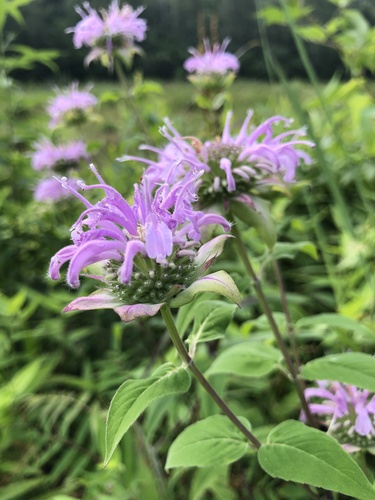
Wild bergamot
Monarda fistulosa
Blackfoot applied poultices of the plant to cuts and of the flower head to burst boils. The essential oil and its hydrolate inhibited skin-pathogenic bacteria (including MRSA) and fungi in the test tube.
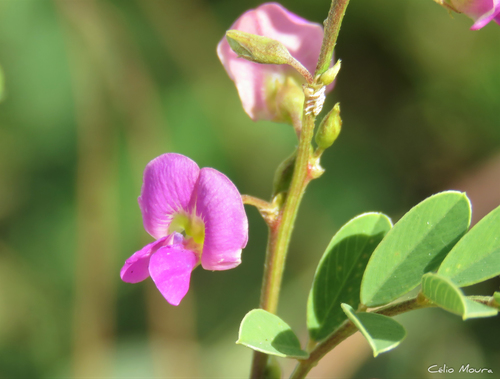
Wild indigo
Tephrosia purpurea
Called 'wranvishapaka', healer of all wounds, in Ayurvedic literature. An ointment of the ethanol extract improved wound contraction, tensile strength and collagen in three rat wound models, comparable to fluticasone ointment.
Traditional use
TraditionalLong recorded use, essentially untested in clinical trials.
African birch
Anogeissus leiocarpa
Roots are used for wounds and infections in Togolese traditional medicine.
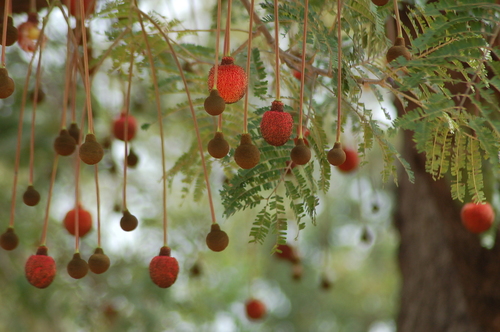
African locust bean
Parkia biglobosa
Reported in West African traditional use for wound healing, skin infections and burns (leaves).
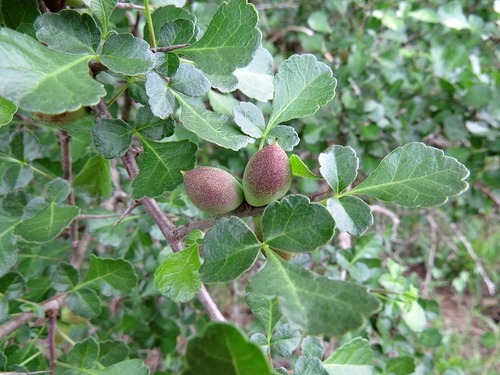
African myrrh
Commiphora africana
In Sudan the resin is chewed and burned to make smoke for wounds and swellings; in Mauritania the gum is used on wounds.
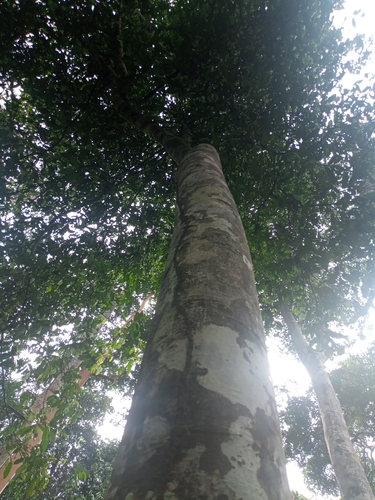
African yellow wood
Annickia chlorantha
A bark infusion is used on wounds and sores, and the bark as a haemostatic.
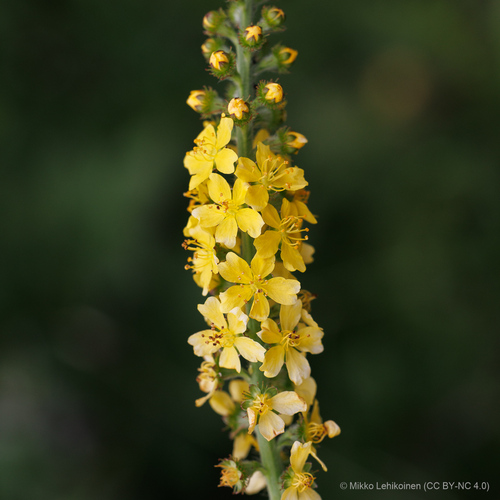
Agrimony
Agrimonia eupatoria
EU traditional-use indication for minor skin inflammation and small superficial wounds, as a dressing or bath.
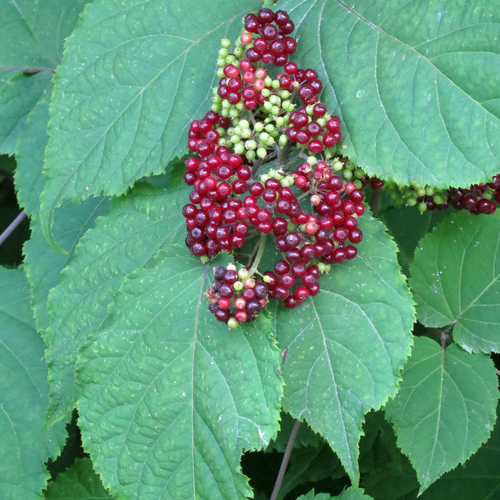
American spikenard
Aralia racemosa
Cherokee poultices of the root 'ooze' for swellings, fresh wounds and cuts; Iroquois root washes and poultices for deep cuts; Mi'kmaq use for wounds; Chippewa and Menominee poultices for boils and sores.
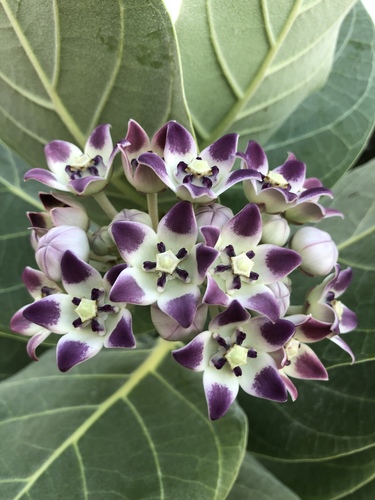
Apple of Sodom
Calotropis procera
Powdered leaves are used to speed wound healing, and the plant for various skin diseases and sinus fistula; no human trials.
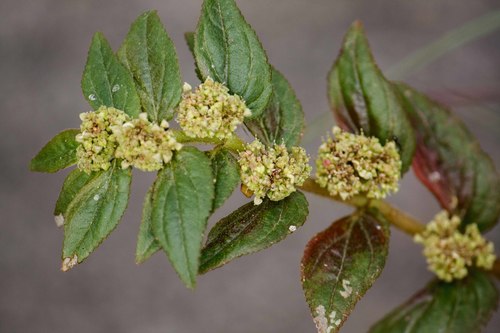
Asthma weed
Euphorbia hirta
Used in Africa as an antiseptic for wounds and sores and for warts, scabies and ringworm; the latex is used to draw out thorns. Extracts are antibacterial in vitro.
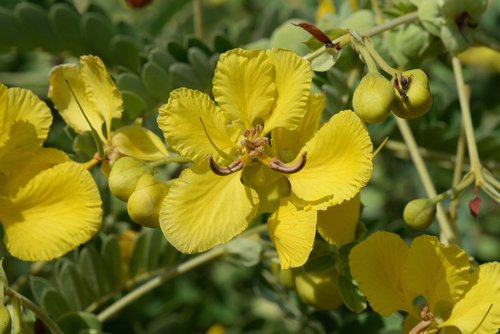
Avaram
Senna auriculata
Leaves are used for skin sores and ulcers; the flower is popular for skin and cosmetic use.

Balsam of Tolu
Myroxylon balsamum
Peru balsam has long been applied to infected and slow-healing wounds, bedsores, chronic ulcers, burns, frostbite and chapped skin, usually as 5–20% ointments. The EMA found no clinical studies at all, and in 2016 concluded that the high risk of sensitisation outweighs this traditional use, for which safer products exist.
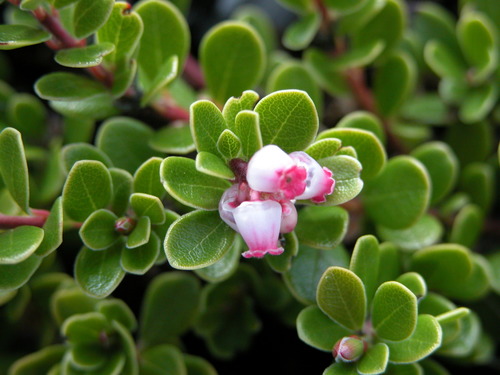
Bearberry
Arctostaphylos uva-ursi
Carrier people roasted the leaves to a powder for cuts; the Blackfoot made a salve of the infusion with grease for rashes and skin sores.

Beard lichen
Usnea barbata
Used on wounds in South African folk medicine; no clinical studies found.
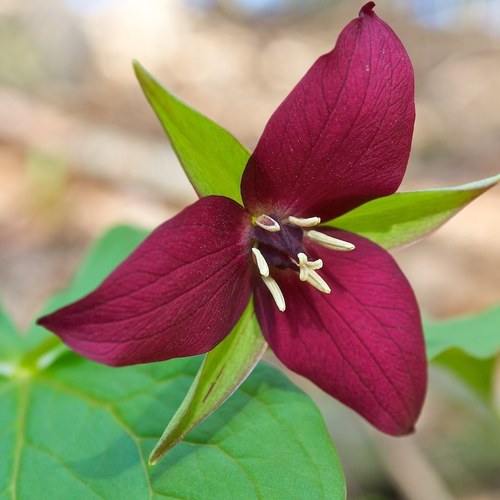
Beth root
Trillium erectum
A Cherokee poultice for 'putrid ulcers, tumors and inflamed parts'; the Iroquois used an infusion for pimples and sunburn.
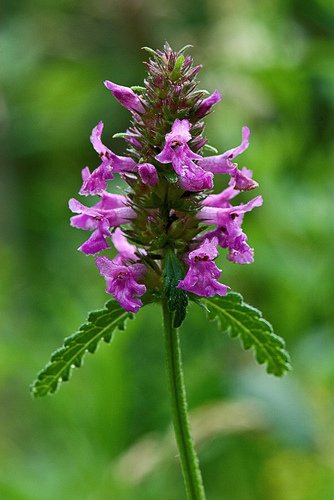
Betony
Betonica officinalis
In central Italy an oily extract is used on wounds; 'woundwort' is one of its common names.
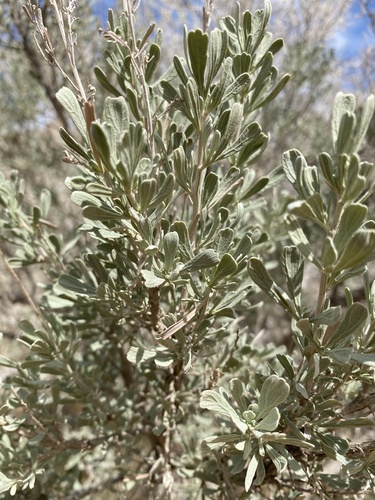
Big sagebrush
Artemisia tridentata
Paiute and Shoshoni used a leaf decoction as an antiseptic wash for cuts, wounds and sores, and poultices of steeped leaves on wounds.
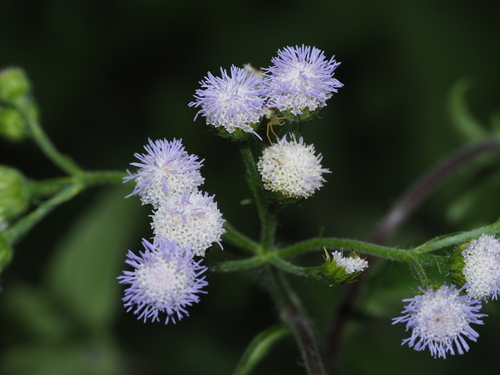
Billygoat weed
Ageratum conyzoides
A 2025 review of Nepalese ethnomedicine found it used by 10 different ethnic groups for cuts and to stop bleeding; it is also a wound herb in Tanzania and India. Extracts are antimicrobial in the laboratory and have been built into experimental wound hydrogels, but there are no clinical trials.
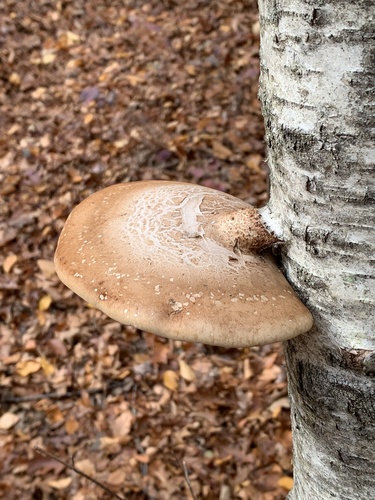
Birch polypore
Fomitopsis betulina
Fresh brackets were used as antiseptic, anti-bleeding dressings, and the dried powder as a painkiller. Extracts inhibit Gram-positive bacteria such as Staphylococcus and Streptococcus in the laboratory; there are no clinical trials.
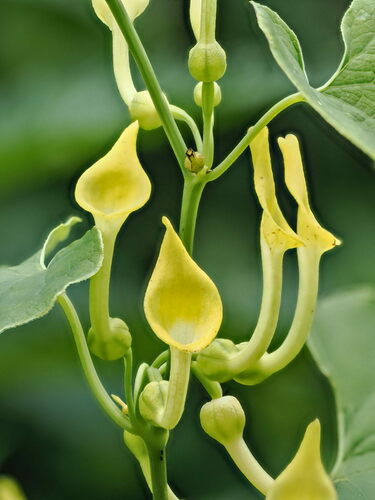
Birthwort
Aristolochia clematitis
In Romanian and other European folk medicine the herb and leaves were applied as poultices or compresses, and root decoctions used, for purulent ulcers, wounds, eczema, rashes, itching and insect stings. Extracts show antibacterial activity against Staphylococcus aureus in the laboratory, but there are no clinical studies, and absorption through skin has not been measured.
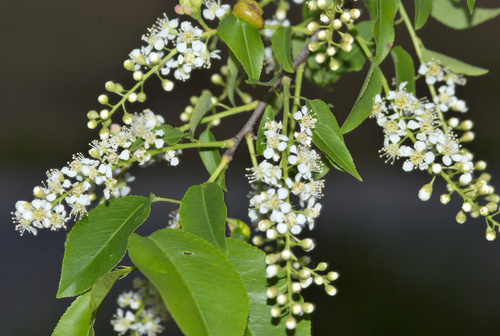
Black cherry
Prunus serotina
Cherokee astringent root-bark wash for old sores and ulcers; Chippewa and Ojibwa poultices of inner bark on cuts, wounds and sores.
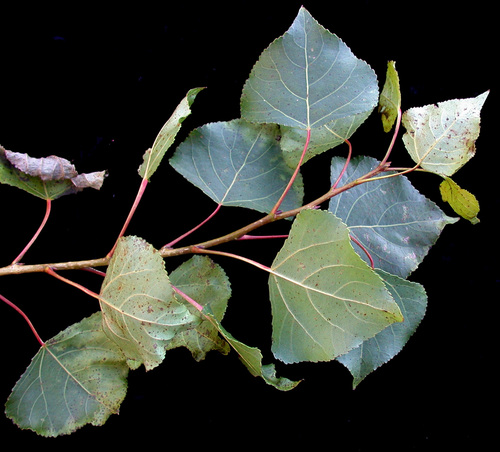
Black poplar
Populus nigra
Bud ointment for ulcerations and skin disorders; bark applied to superficial skin lesions. Bud extracts are antibacterial against Staphylococcus aureus and Streptococcus pyogenes in the lab.
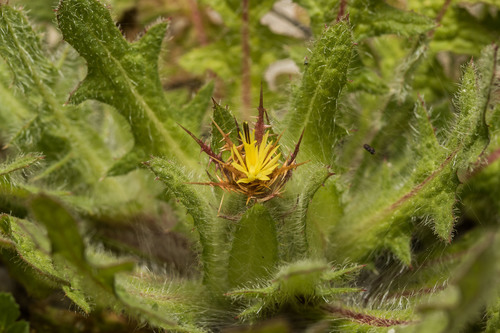
Blessed thistle
Centaurea benedicta
Historically applied externally to gangrenous and indolent ulcers, and listed in Polish therapeutic guides of the 1950s as a dermatological antiseptic. Old lab studies reported antibacterial activity of the herb and of cnicin, without complete data.
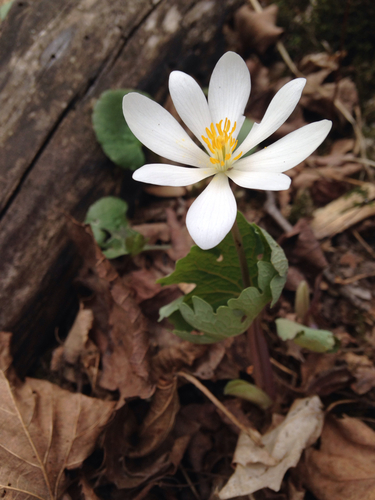
Bloodroot
Sanguinaria canadensis
Iroquois and Cherokee applied root washes and poultices to cuts, sores, ulcers and boils. Modern escharotic use is a different matter: see skin cancer.
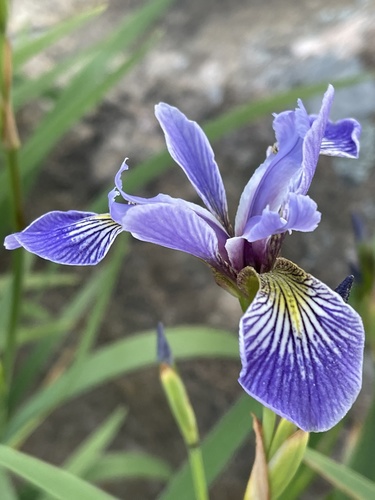
Blue flag
Iris versicolor
Poultices of crushed root were applied to wounds, sores, swellings and bruises (Tête-de-Boule, Chippewa, Meskwaki, Omaha, Micmac), and to burns.
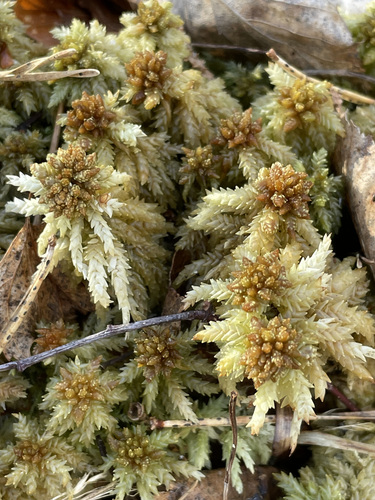
Blunt-leaved bog moss (Peat moss)
Sphagnum palustre
Used as a wound dressing for centuries and through World War I; John Hotson's 1918 paper in Science helped its acceptance as a surgical dressing in place of cotton. Modern clinical trials are lacking.
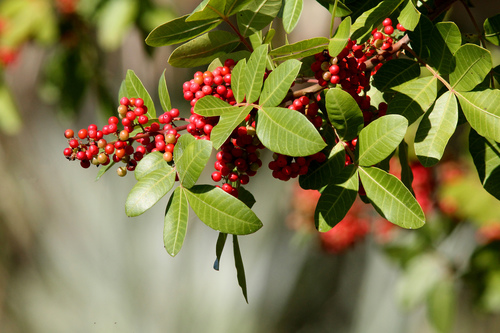
Brazilian peppertree
Schinus terebinthifolia
Folk medicine uses bark and leaf infusions and tinctures to promote healing; Brazilian official documents list it as anti-inflammatory and for wound healing in gynaecology. Leaf extracts reduced skin inflammation in mice.
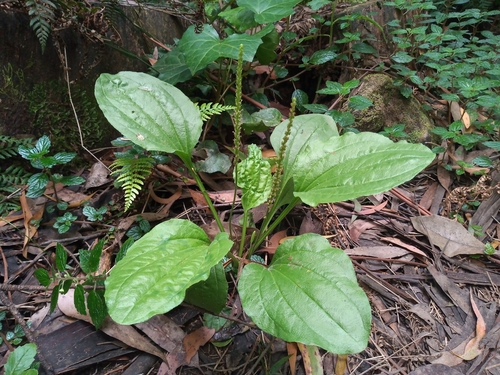
Broadleaf plantain
Plantago major
The main use of the leaf in Europe and elsewhere for centuries. Wound-healing activity has been found in animal and lab studies, but no controlled human trials have been reported.
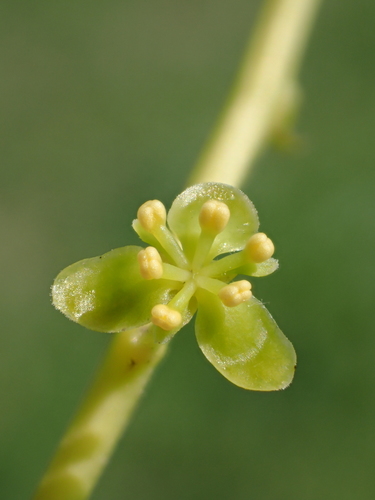
Brotowali
Tinospora crispa
Crushed leaf powder applied to wounds in Thailand; Filipino use for lacerations and boils.
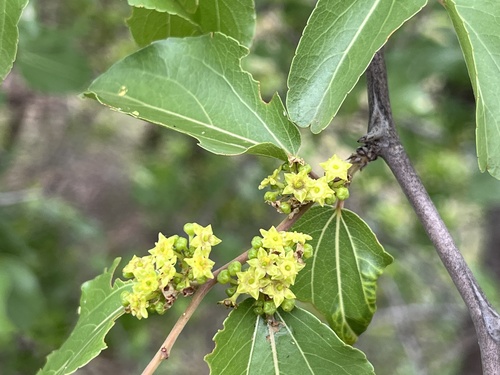
Buffalo thorn
Ziziphus mucronata
In Bojanala District, North-West Province, leaves and bark (Mokgalo) are applied as a poultice or decoction for abscesses, boils and ulcers, and used as a painkiller and 'antibiotic'; it was one of the most popular plants there for skin conditions (rash, abscess, acne, eczema, boils, ulcers, alopecia).
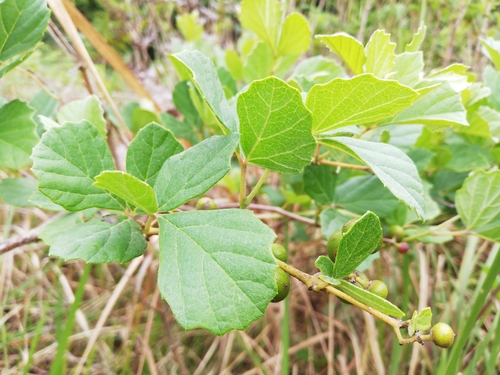
Bushman's grape
Rhoicissus tridentata
Used for cuts, sores, broken bones and sprains; the sap is said to have healing and anaesthetic properties.
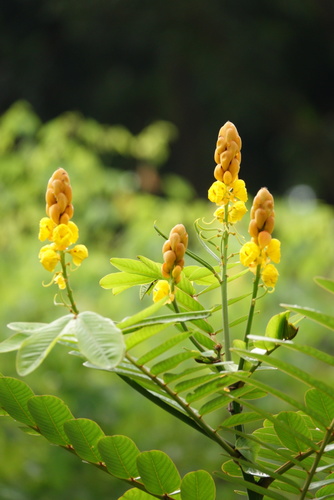
Candle bush
Senna alata
In northern Nigeria stem, leaf and root decoctions are used for skin wounds and burns; a leaf-extract hydrogel was antibacterial in the lab.
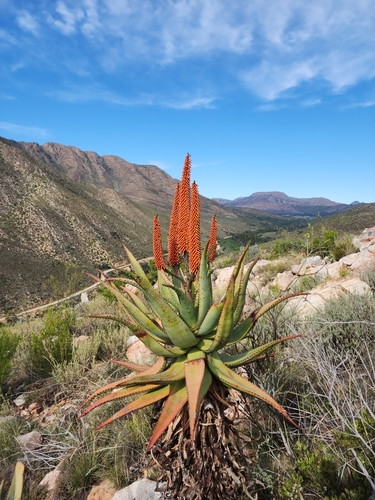
Cape aloe
Aloe ferox
Dioscorides and later European herbals used aloe externally for wounds, ulcers and abscesses; the EMA found no defined external preparations and declined to recognise any traditional use, noting that external use probably involved the gel rather than the dried juice.
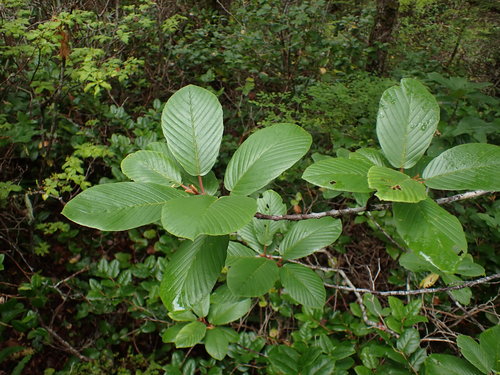
Cascara sagrada
Frangula purshiana
Clallam used a bark poultice for wounds, and Nitinaht an infusion of spring bark as a wash for cuts and sores; no clinical testing.

Cassava
Manihot esculenta
Leaves and root preparations are used on abscesses, sores and wounds in Nigeria and the Guianas, and Piso recorded cassava applied to old ulcers in 17th-century Brazil. Support is limited to cell and rat studies; a 2023 systematic review found no human trials.

Cedar of Lebanon
Cedrus libani
Resin and tar ('katran') are applied to wounds, eczema and warts in Turkish folk medicine. Cone essential oil sped wound healing in rat and mouse models.
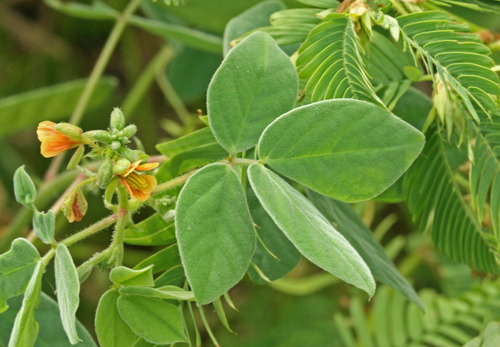
Chaksu
Chamaecrista absus
Listed in traditional medicine for wound healing, venereal ulcers and leucoderma.
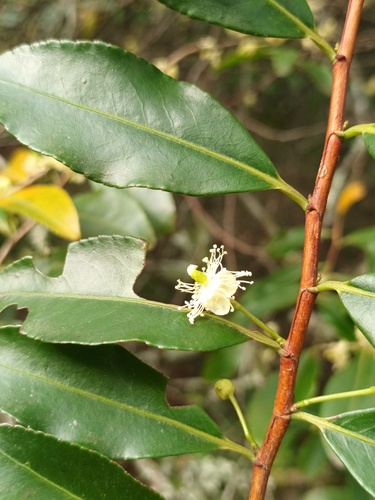
Change tree
Aphloia theiformis
Used for wound healing, ulcers and skin infections; crude extract was antimicrobial against Staphylococcus aureus and Candida albicans in disc tests.
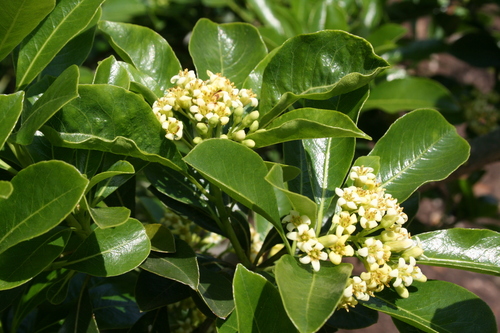
Cheesewood
Pittosporum viridiflorum
Wounds are one of ten categories of traditional use recorded in a 2017 review.

Chickweed
Stellaria media
Fresh bruised leaves were poulticed on long-standing leg ulcers (King's American Dispensatory); Iroquois people applied a raw compound poultice to cuts and wounds; in India a leaf decoction is used to dress deep wounds and stop bleeding.

Chinese motherwort
Leonurus japonicus
Used in TCM for sores, abscesses and ulcers; in Vietnam and Thailand fresh leaves are crushed and applied to wounds and snakebites.
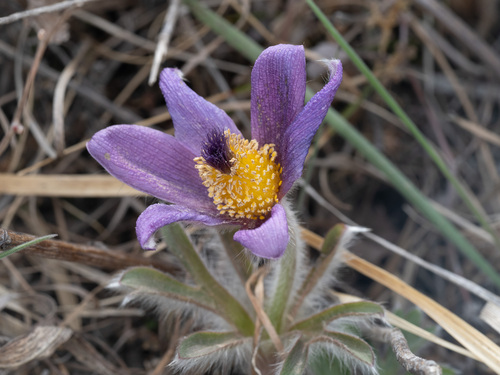
Chinese pasque flower
Pulsatilla chinensis
Used in the Shennong Bencao Jing for 'malignant sores'.
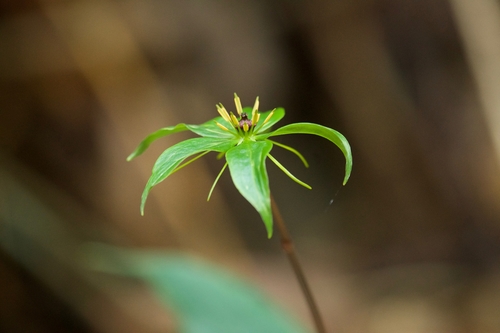
Chong lou
Paris polyphylla
In Nepal and the Himalaya, rhizome pastes, juices and powders are applied to cuts, wounds, blisters, burns and sprains.
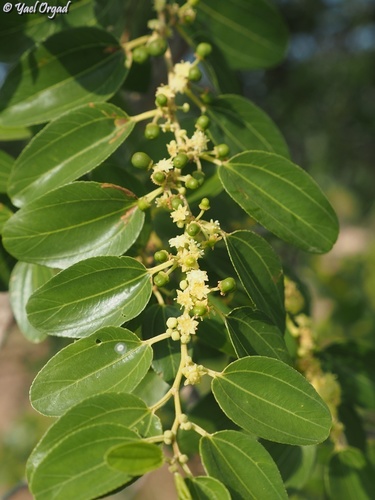
Christ's thorn jujube
Ziziphus spina-christi
Fruit juice is applied to wounds (Iraqi Jews, Arabs, ancient Egypt, Dhofar); boiled or crushed leaves and resin are used for skin diseases, and leaf cataplasms for abscesses and boils in Morocco.
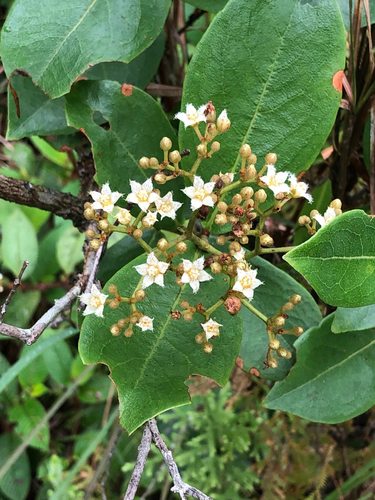
Christmas berry
Psorospermum febrifugum
Used for subcutaneous wounds; in Uganda the pounded plant is mixed with water to bathe wounds.
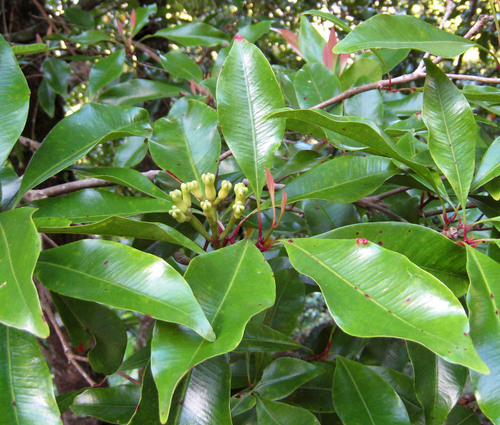
Clove
Syzygium aromaticum
WHO records use as an antiseptic dressing for minor wounds and on minor skin infections. Clove extracts and eugenol inhibit bacteria and fungi in the laboratory.
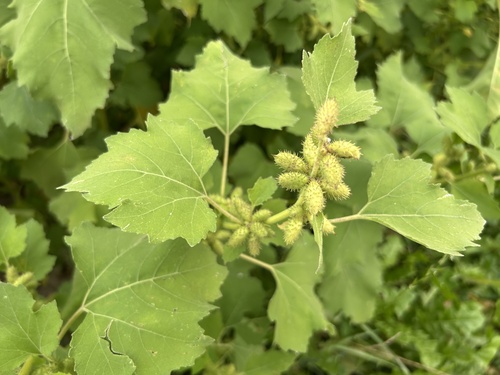
Cocklebur
Xanthium strumarium
The Western Keres (Acoma and Laguna) put a poultice of ground seed powder on open sores (Swank 1932).
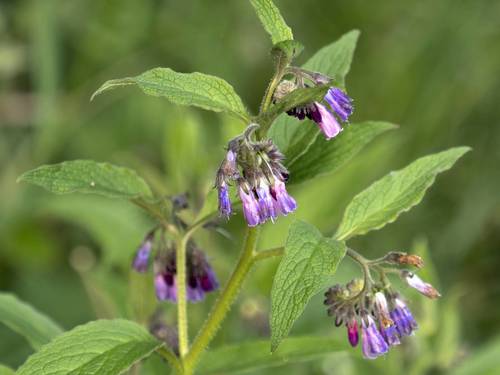
Comfrey
Symphytum officinale
Folk poultices of root and leaf on wounds and fractures gave it the names knitbone and comfrey (from Latin confirmare, 'to join together'). EMA warns not to apply its products to broken or irritated skin.
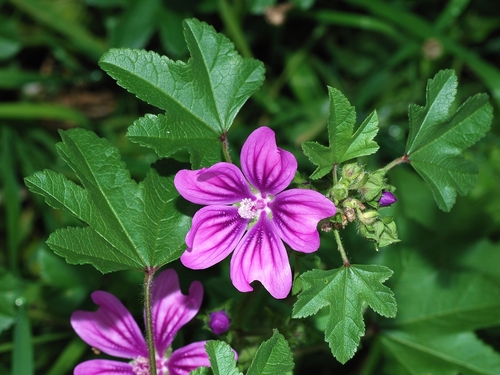
Common mallow
Malva sylvestris
Poultices of leaves and flowers are applied to wounds and slow-healing ulcers in Serbian and Spanish folk medicine. A leaf extract reduced inflammation on mouse skin; no human trials.
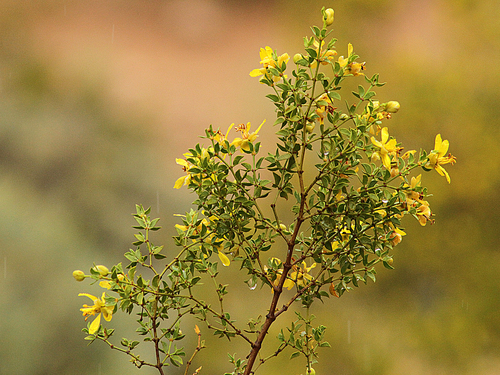
Creosote bush
Larrea tridentata
Powdered leaves or leaf poultices were put on sores, wounds and bruises by Pima, Cahuilla, Paiute and Papago people; Papago mothers also put the powder on a newborn's navel. No clinical studies.
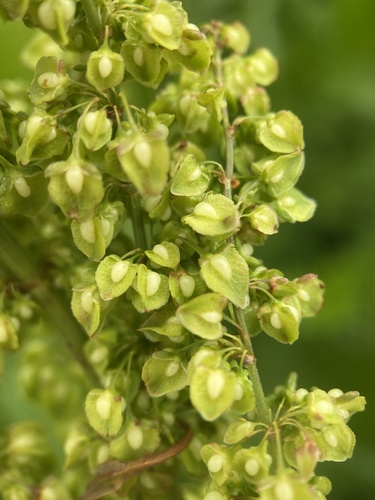
Curled dock
Rumex crispus
Pounded or powdered root was applied to sores, cuts, ulcers and abrasions by Cheyenne, Chippewa, Ojibwa, Paiute and Blackfoot people, among others. Extracts of the plant were antibacterial and antioxidant in lab tests.

Curlycup gumweed
Grindelia squarrosa
Northern Cheyenne people washed sores and skin lesions with a decoction of the flowering tops; Mahuna people put a poultice on cuts.
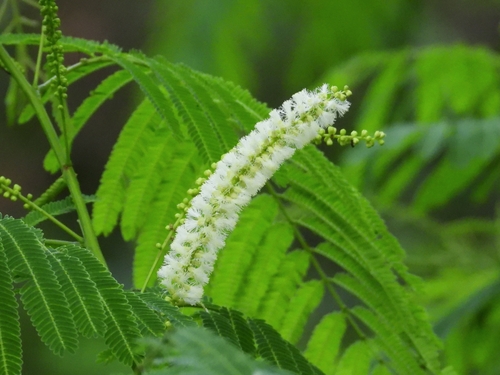
Cutch tree
Senegalia catechu
Used traditionally for skin ulcers and wound healing, and in Ayurveda for skin disease (Khadirarishta); evidence is from animal studies only.
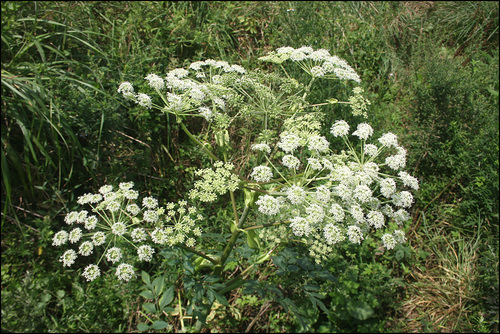
Dahurian angelica
Angelica dahurica
Used externally in Chinese medicine for boils, carbuncles, sores and painful swellings; in diabetic mice it sped wound healing.

Devil's club
Oplopanax horridus
Inner bark is placed in wounds (Haisla and Hanaksiala, followed by Sitka spruce pitch) or applied heated and bandaged, or chewed and spat on a wound as an emergency painkiller and antiseptic.
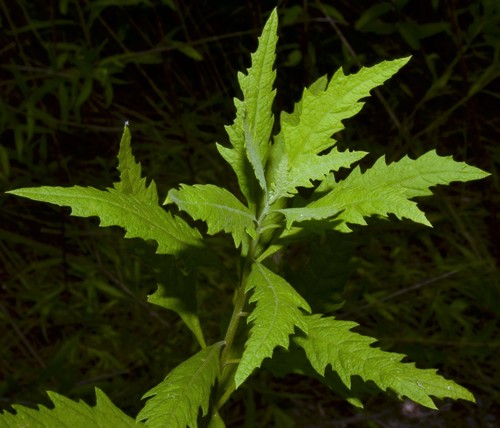
Epazote
Dysphania ambrosioides
Poultices are applied in Morocco to ulcers, purulent wounds and mouth abscesses. Not tested in people.
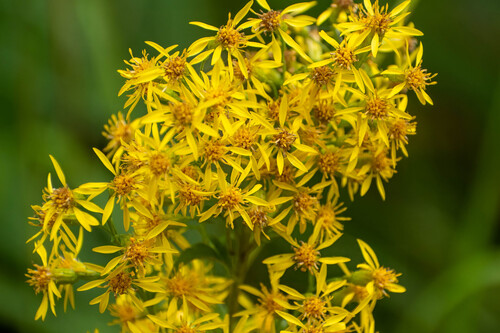
European goldenrod
Solidago virgaurea
The old names woundwort and 'heathen woundwort' record its use on wounds; Polish and Romanian folk sources mention wound healing and rinses for mouth ulcers. Not clinically tested.
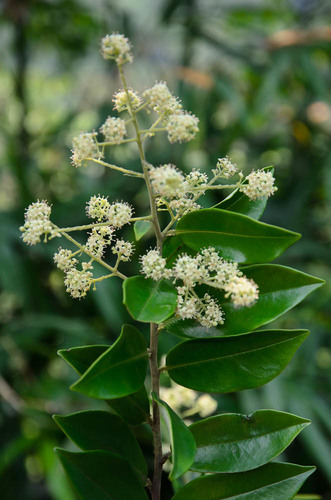
False black pepper
Embelia ribes
Traditionally the oil is applied for skin disorders and infected wounds, and a paste is used as a mouthwash against dental decay.
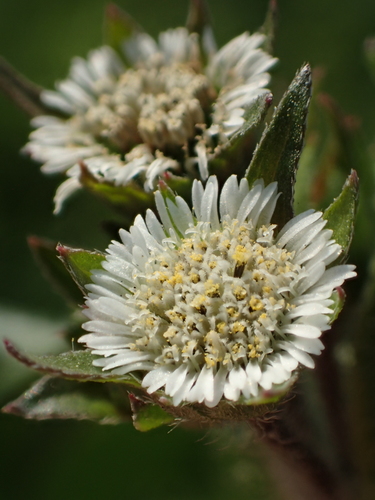
False daisy
Eclipta prostrata
Leaves and shoots are used in Nepal to prevent and treat wound infection, and in India for cuts and skin problems.
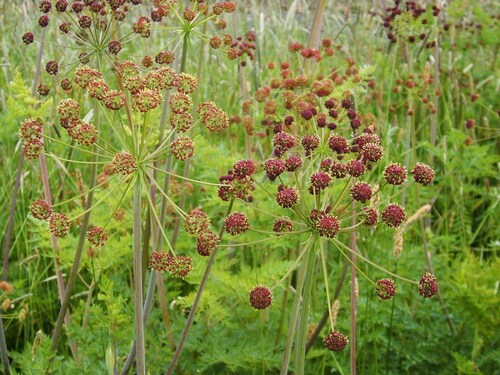
Fernleaf biscuitroot
Lomatium dissectum
Poultices of the pounded root were applied to cuts, sores, boils and bruises (Okanagan-Colville, Kawaiisu), to wounds and infected compound fractures (Gosiute), and the root was described as the basis of a number of antiseptics (Paiute, Shoshoni).

Fever bush
Dicoma anomala
Flowers and roots are used on wounds and sores in Lesotho, Malawi and South Africa.

Fever tea
Lippia javanica
Fresh leaves are wrapped around wounds in Kenya, and leaf infusions are used on boils, rashes, scabies and stings in South Africa.
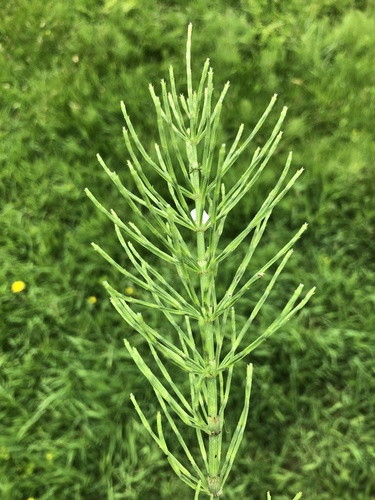
Field horsetail
Equisetum arvense
EMA traditional use for supportive treatment of superficial wounds, as a decoction or diluted juice applied in dressings or as an irrigation. EMA noted that there are no clinical studies for this use.
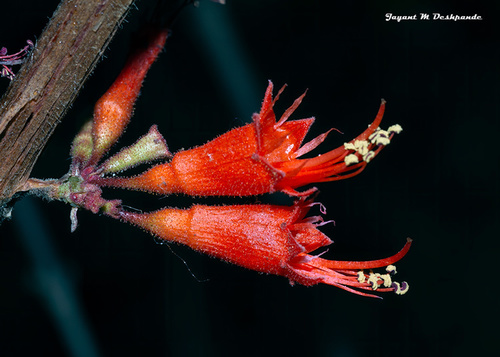
Fire-flame bush
Woodfordia fruticosa
In Sri Lanka fresh flowers are used to stop bleeding from cuts and dried flower powder to heal wounds; tribal peoples in India use the flowers for skin disease and wound healing.
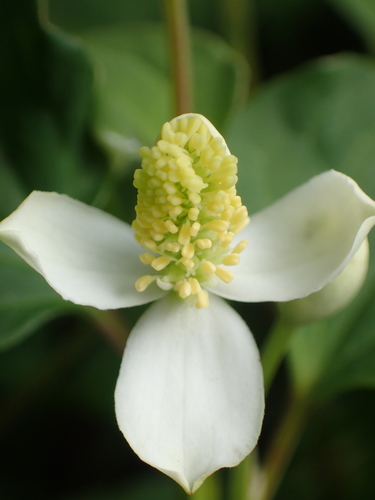
Fish mint
Houttuynia cordata
Root juice is applied to wounds, abscesses and snakebites in Indian folk medicine.
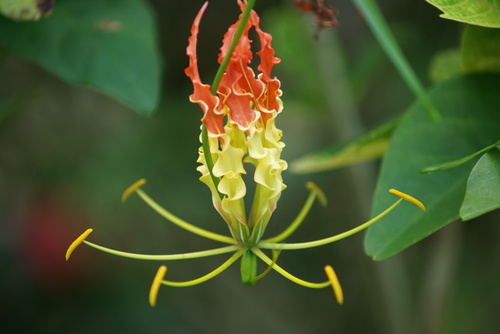
Flame lily
Gloriosa superba
In Rajouri and Poonch districts of Jammu and Kashmir, a few drops of plant extract are rubbed onto cuts and wounds. Seed extracts are also used on wounds in traditional medicine.
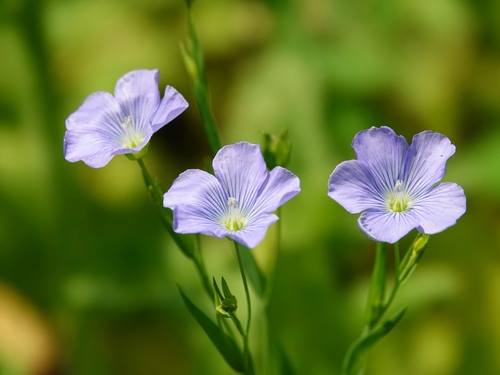
Flax (Linseed)
Linum usitatissimum
Hot linseed poultices (cataplasms) for local inflammation, boils and wounds were recorded by Commission E and in French and Italian herbals; not tested in trials.
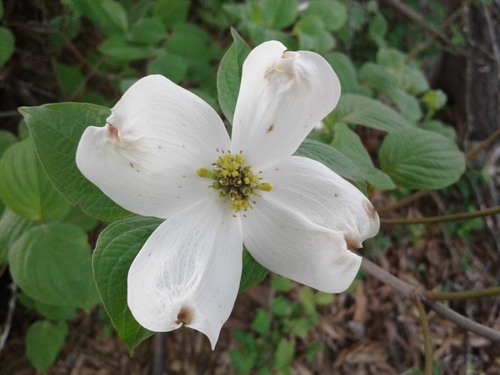
Flowering dogwood
Cornus florida
The Cherokee used the root bark on wounds, in poultices and as an antiseptic astringent, and put a poultice of the bark's ooze on ulcers. Nineteenth-century writers called the root bark antiseptic for ulcers.

Frankincense
Boswellia sacra
The resin is applied to wounds, sores and ulcers in Middle Eastern and Asian folk medicine; antimicrobial activity has been shown only in the lab.
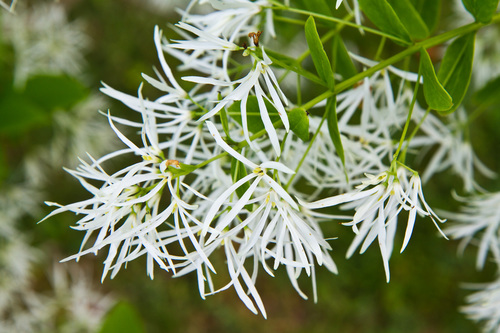
Fringe tree
Chionanthus virginicus
The Choctaw used a decoction of the roots or bark as a wash for infected sores and wounds and as a dressing for cuts, and the Koasati washed cuts with a bark decoction. King's recommends a poultice for external inflammations, ulcers and wounds.
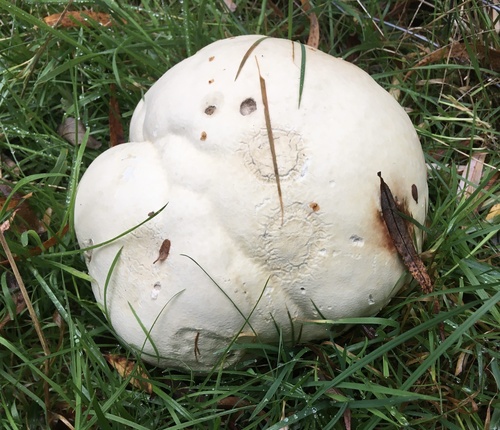
Giant puffball
Calvatia gigantea
Used as a wound dressing in folk medicine; a 2023 review of fungal wound-healing agents lists it but found no clinical data.
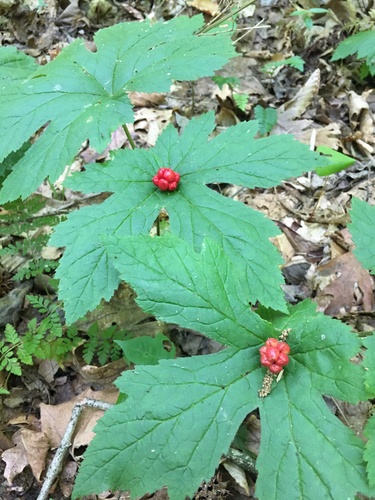
Goldenseal
Hydrastis canadensis
Native Americans used it for wounds, skin and eye conditions, digestive disorders and as a dye. Not tested in trials.
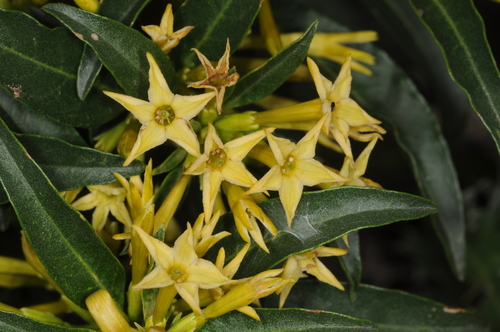
Green cestrum
Cestrum parqui
In the Sierras de Córdoba, Argentina, a leaf decoction is used, alone or with other plants, as a wash for animals' wounds and injuries. No human or clinical data exist.
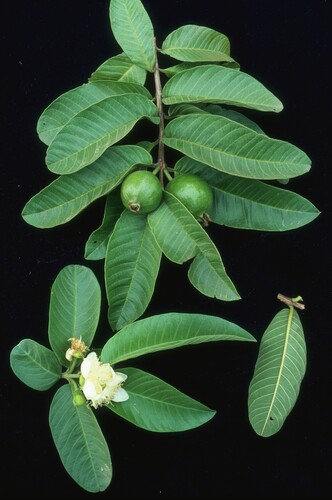
Guava
Psidium guajava
Traditional external use on wounds and ringworm (WHO).
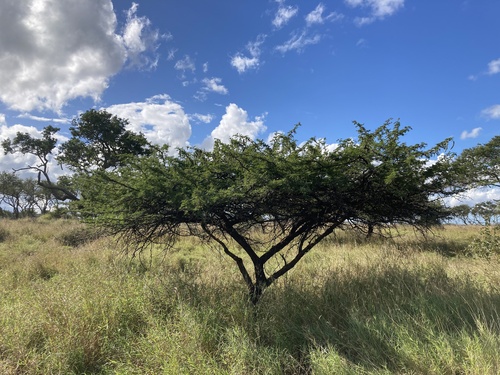
Gum arabic tree
Vachellia nilotica
Leaf infusions are applied to stop bleeding and as a wash for wounds and ulcers, and powdered gum with egg white on burns; wound healing has been shown in rats only.

Gum benjamin
Styrax benzoin
Friar's Balsam (compound benzoin tincture) is used for its antiseptic and protective properties on abrasions and minor cuts, to prevent blisters and cracked nipples, and in hospitals to make skin closure strips and dressings adhere. Its antiseptic value is supported mainly by laboratory findings.
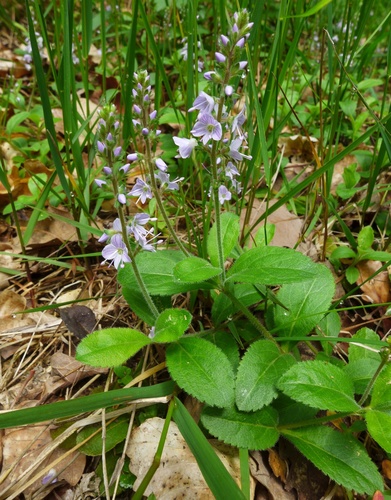
Heath speedwell
Veronica officinalis
Known in Romanian and Montenegrin folk medicine for wound healing and for skin diseases.
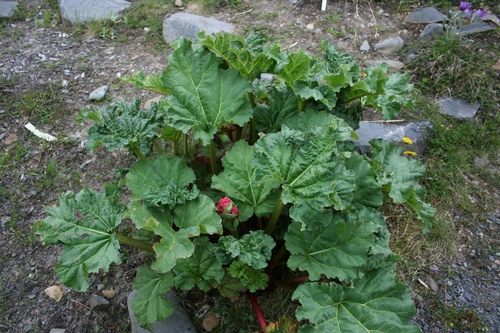
Himalayan rhubarb
Rheum australe
Across the Indian Himalaya rhizome powder or paste is put on wounds and cuts, and a decoction with ghee or oil is applied around boils. Anthraquinones from the root are antibacterial and antifungal in the laboratory; no clinical studies.
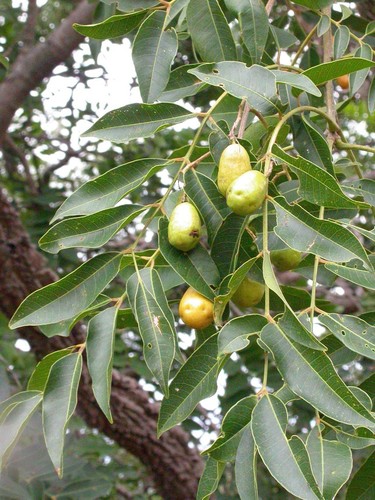
Hog plum
Spondias mombin
Wounds are among its most frequent ethnomedical uses across tropical regions; an anacardic-acid derivative from the plant inhibits bacterial β-lactamase, and extracts are antibacterial in vitro. No clinical wound studies exist.
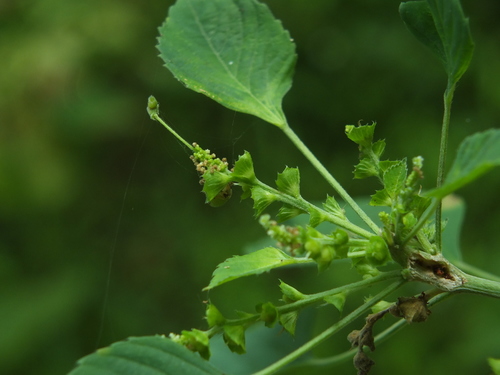
Indian acalypha
Acalypha indica
Leaves are eaten for wound healing in South and Southeast Asia; no clinical studies were found.

Indian aconite
Aconitum ferox
Himalayan uses listed in a 2022 review include cuts, inflammation and leprosy; no clinical studies.
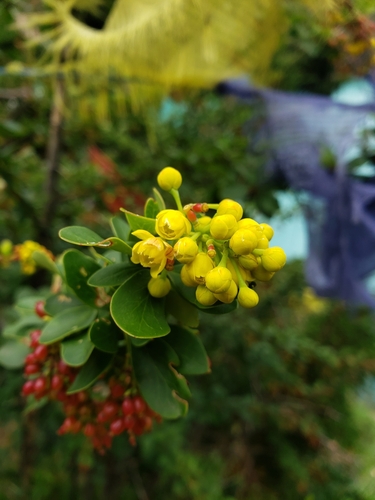
Indian barberry
Berberis aristata
Used for wound healing, ulcers and skin diseases.
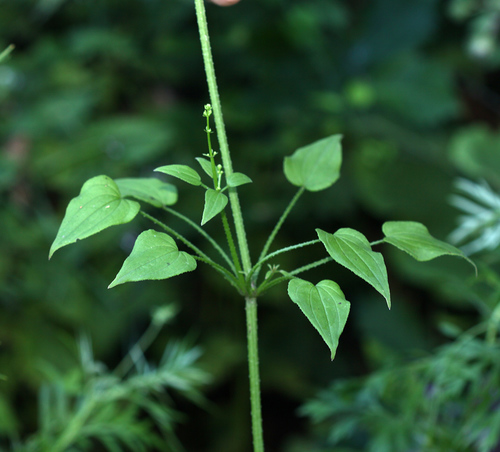
Indian madder
Rubia cordifolia
Recorded in Ayurveda, Chinese, Korean and Unani practice for wound healing and inflammatory conditions; only laboratory evidence.
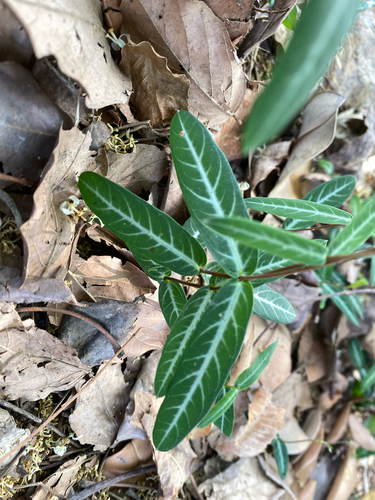
Indian sarsaparilla
Hemidesmus indicus
Ayurveda uses it on wounds; laboratory studies show antibacterial and anti-inflammatory activity only.
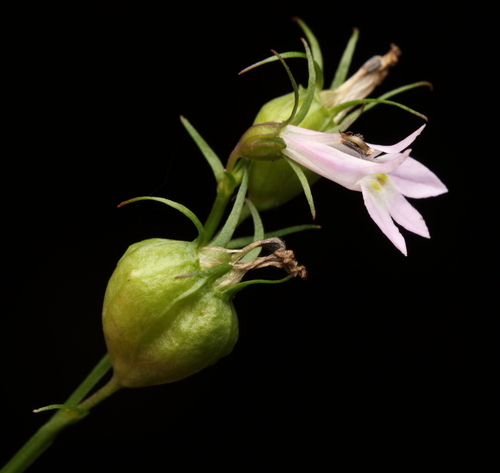
Indian tobacco
Lobelia inflata
Iroquois healers used root or leaf infusions as a wash or poultice on abscesses and sores, and Cherokee healers used it on boils, sores, bites and stings.
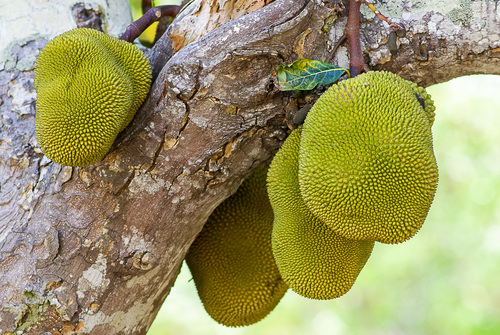
Jackfruit
Artocarpus heterophyllus
Fruits, leaves and bark are used in traditional medicine for wounds and skin diseases; support comes from lab and animal studies only.

Japanese angelica
Angelica acutiloba
Makes up 25% of the herbs in shiunkō, a sesame-oil ointment with purple gromwell used in Kampo for wounds and burns; no clinical trials of the ointment are cited in the review.
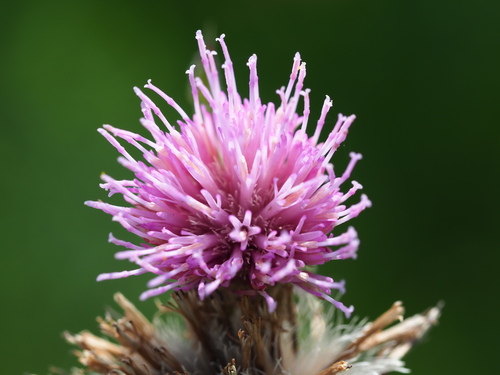
Japanese thistle
Cirsium japonicum
Used in Chinese medicine to 'detoxify and reduce swelling' in sores, carbuncles and abscesses, and for bleeding from trauma. No clinical evidence was found.
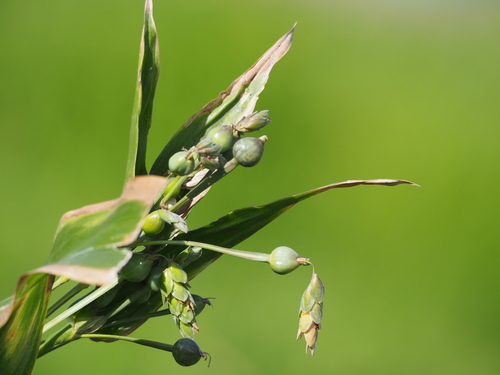
Job's tears
Coix lacryma-jobi
Used to expel pus; the Bencao Gangmu records it for pulmonary suppuration and it appears in formulas for lung abscess.
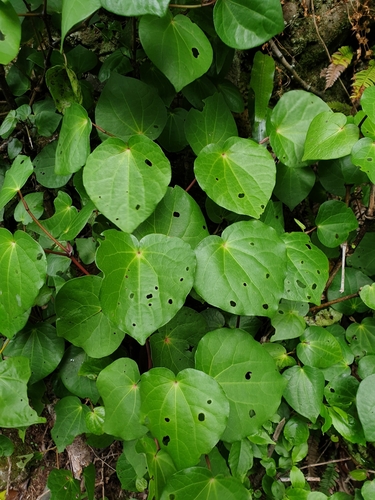
Kawakawa
Piper excelsum
Used for wounds; Māori knowledge holds that leaves holed by the kawakawa looper caterpillar heal better.
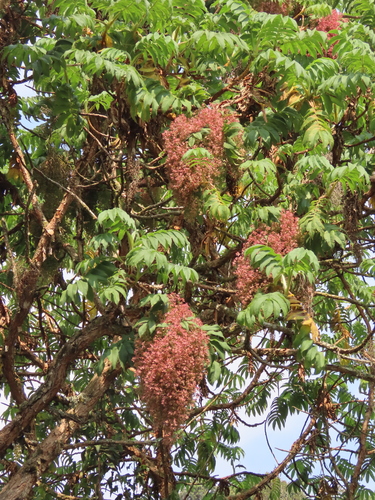
Kosso
Hagenia abyssinica
Used for wound healing in Ethiopian traditional medicine.
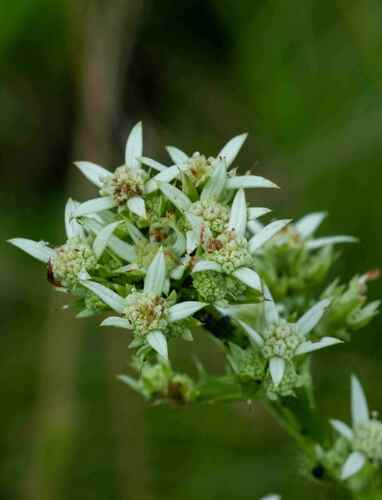
Larger tinsel flower
Alepidea amatymbica
Fresh rhizome is applied externally to stop bleeding from wounds.
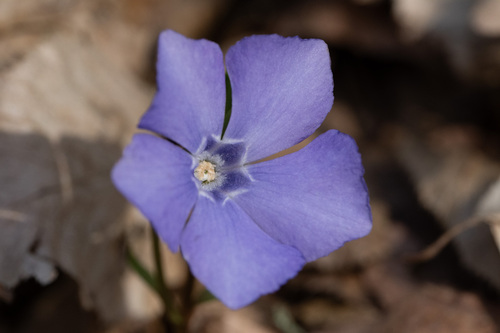
Lesser periwinkle
Vinca minor
Applied externally to help wounds heal; untested clinically.
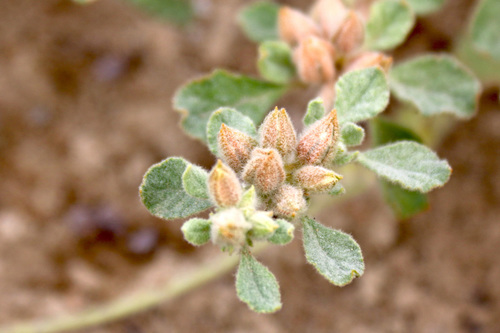
Lotus sweetjuice
Glinus lotoides
Reported in Ethiopia for boils and wounds; untested.
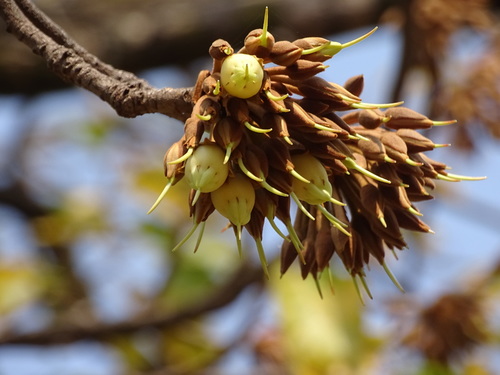
Mahua
Madhuca longifolia
Juice of crushed young leaves is applied to wounds; seed oil and bark show wound-healing activity in experiments only.
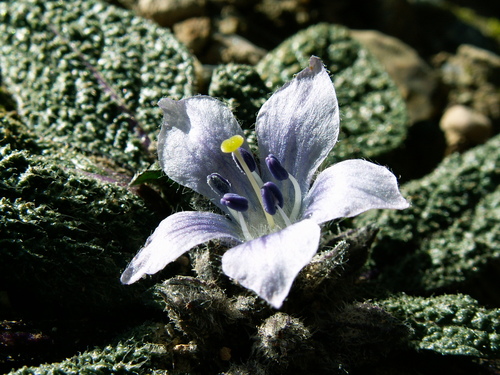
Mandrake
Mandragora officinarum
The Greek names fistulóriza ('fistula-healing root') reflect a use for fistulas already mentioned by Hippocrates; a Turkish name, 'blood-dryer', reflects use to stop bleeding.
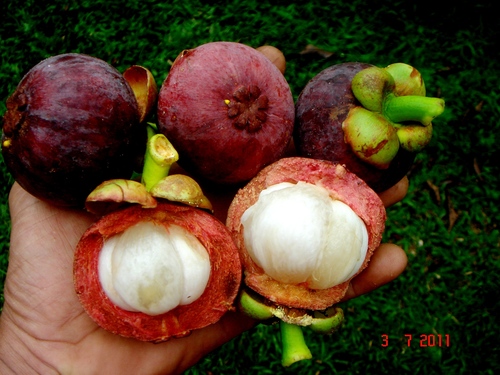
Mangosteen
Garcinia mangostana
Traditional use for skin infections and wounds; xanthones from the pericarp are antibacterial and antifungal in the lab.

Maqui
Aristotelia chilensis
Leaf poultices and topical preparations for wounds and skin lesions; untested.
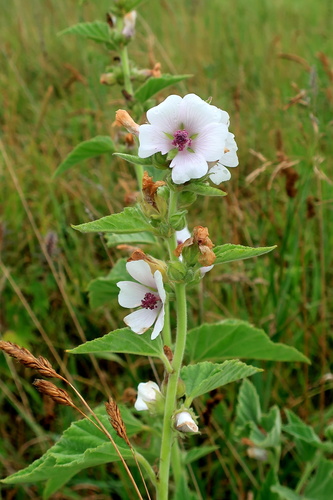
Marsh mallow
Althaea officinalis
WHO records pharmacopoeial and traditional use as an emollient for wounds and dry skin; poultices of the boiled root, leaves and flowers were used historically. No clinical trials.
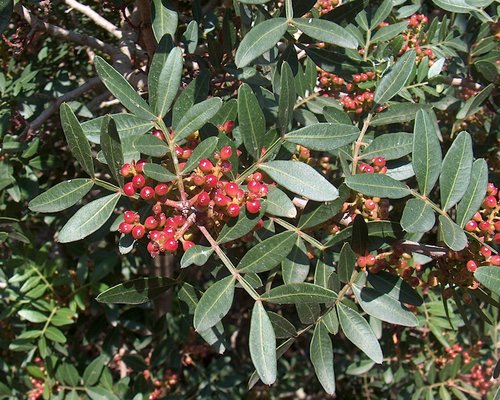
Mastic tree
Pistacia lentiscus
EMA traditional use of ointments with 9–11% powdered mastic as an aid in healing minor wounds. A mastic-containing wound adhesive held better than benzoin tincture in 300 surgical patients, but that does not support a therapeutic indication.
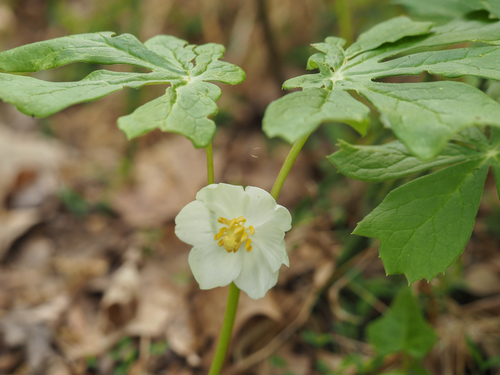
Mayapple
Podophyllum peltatum
Cherokee healers dusted powdered root on ulcers and sores; the Iroquois took a compound root decoction for boils.
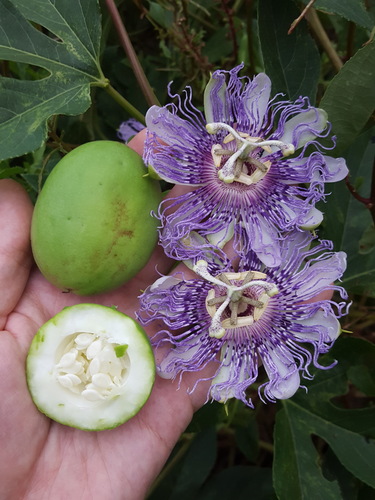
Maypop
Passiflora incarnata
Cherokee healers applied pounded root to draw out inflammation from brier or locust wounds, and used a compound root infusion for boils.
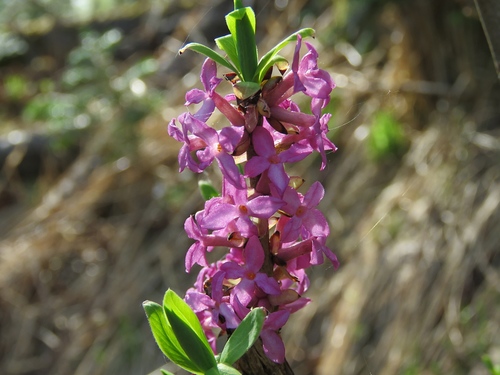
Mezereon
Daphne mezereum
Historically, mezereon ointment was used to keep blistered surfaces discharging and on 'obstinate, ill-conditioned indolent ulcers' (US Dispensatory 1918). A deliberate blistering (vesicant) practice, now obsolete and unsafe.
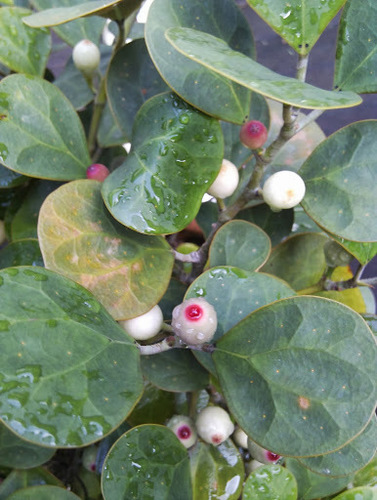
Mistletoe fig
Ficus deltoidea
Used for wounds, rheumatism, toothache, headache, colds and sore throats in Malaysian ethnomedicine; untested clinically.
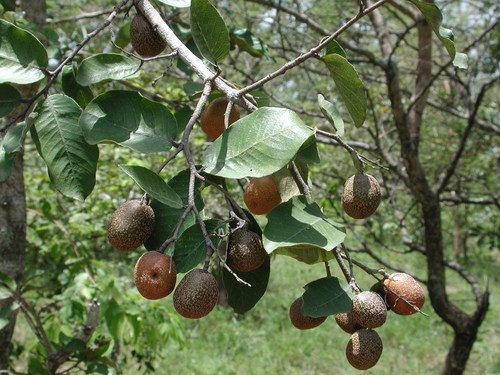
Mobola plum
Parinari curatellifolia
Crushed or pulped leaves are used as a poultice for cuts, wounds and sores, and roots and leaves for chronic sores and tumours. No clinical data.

Myrrh
Commiphora myrrha
EMA traditional use for minor wounds and small boils (furuncles); boils on the face should be treated by a doctor.

Ningpo figwort
Scrophularia ningpoensis
Traditionally used in Chinese medicine for abscesses and carbuncles.

Noni
Morinda citrifolia
Polynesian remedies such as those of Rotuma use leaves, roots, bark and green fruit mainly for topical ailments: abscesses, scabies, infections and inflammation.
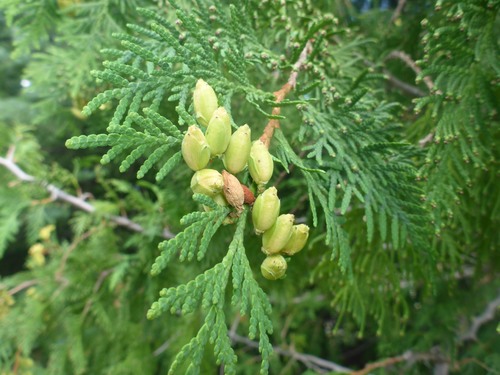
Northern white cedar
Thuja occidentalis
Iroquois washes and poultices for cuts, bruises and sores; Malecite pounded under-bark with grease for burns.
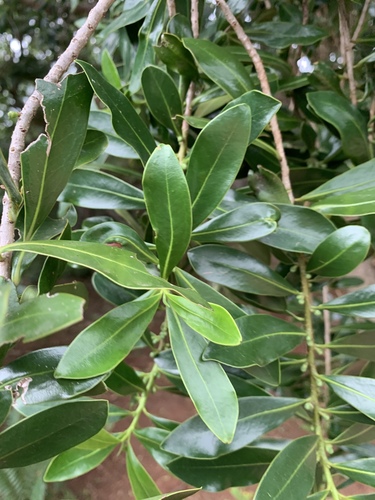
Pepper-bark tree
Warburgia salutaris
Used traditionally for skin infections and wounds.
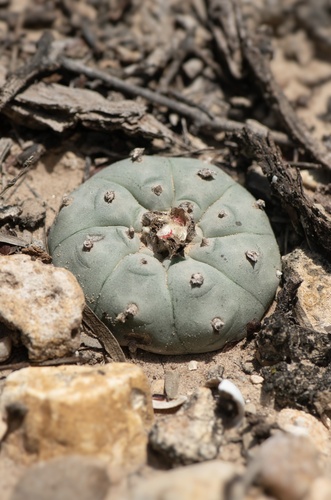
Peyote
Lophophora williamsii
Indigenous Mexican and North American peoples applied peyote to burns, wounds, snakebites, scorpion stings and skin conditions.
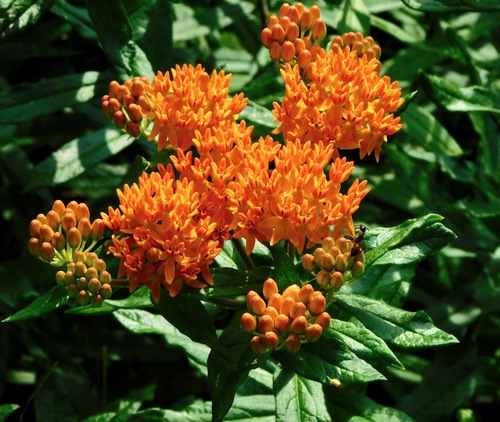
Pleurisy root
Asclepias tuberosa
Menominee applied a poultice of the powdered root to cuts, wounds and bruises; Omaha used fresh and dried root on wounds and sores. A pregnane glycoside fraction from the root made human skin fibroblasts proliferate in the laboratory.
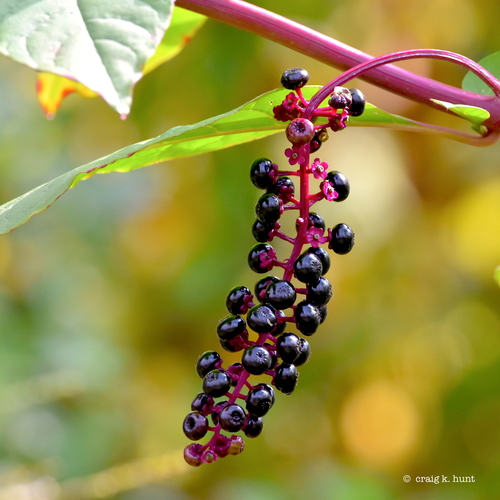
Pokeweed
Phytolacca americana
Cherokee and Delaware applied root salves and powdered root to old and ulcerous sores, and poultices to swellings.
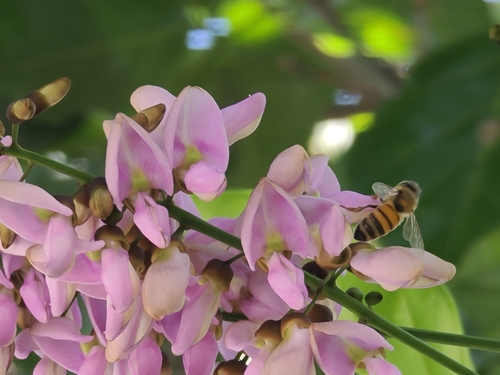
Pongam
Millettia pinnata
All parts of the plant are used in traditional medicine in several countries, notably for skin diseases and wounds.
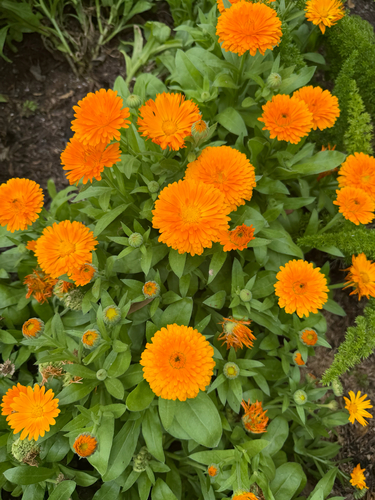
Pot marigold
Calendula officinalis
EMA traditional use as an aid in healing minor wounds, in people over 6 years.

Purple coneflower
Echinacea purpurea
EMA traditional use of ointments made from the pressed juice for small superficial wounds, for up to one week.
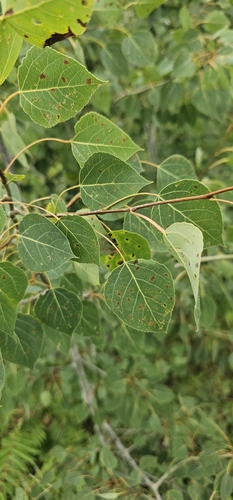
Quaking aspen
Populus tremuloides
Used as a wound dressing in recorded Native American practice.
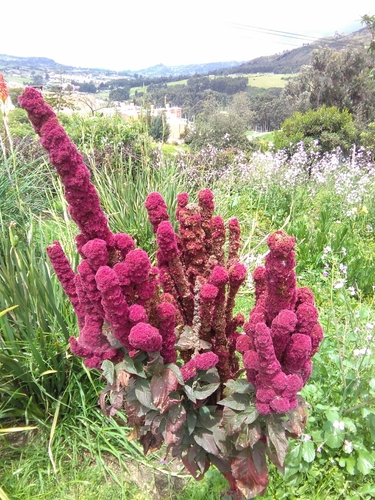
Quinoa
Chenopodium quinoa
The saponin-rich wash water from the seed coat has been used in South American folk medicine as an antiseptic for skin injuries; this has not been tested in people.

Rangoon creeper
Combretum indicum
A leaf infusion is recorded as an external treatment for boils and ulcers.
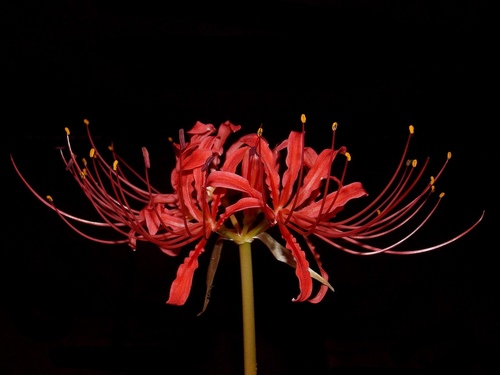
Red spider lily
Lycoris radiata
The Bencao Gangmu records the bulb for abscesses, suppurative wounds and ulcers, applied externally. The Guoshan Yao of Guangdong steam the bulb and crush it with a fern (Dryopteris erythrosora) as an external application for skin diseases and boils.
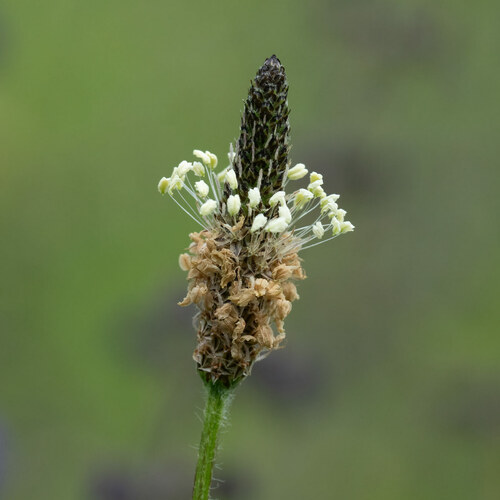
Ribwort plantain
Plantago lanceolata
European handbooks record the fresh or dried leaf applied to stop bleeding and on wounds and ulcers; Cherokee healers applied leaf poultices to blisters, ulcers and burns. Not an EU-registered indication.
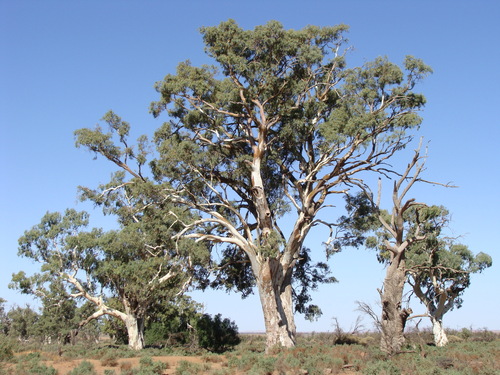
River red gum
Eucalyptus camaldulensis
Aboriginal people cut the trunk to collect red kino and applied it, fresh or softened from the dried form, to cuts and abrasions to stop bleeding; leaf poultices are used for wound infections in Nigeria.

Round-leaved sundew
Drosera rotundifolia
German folk medicine applied it externally to poorly healing wounds, warts and corns. No clinical testing.
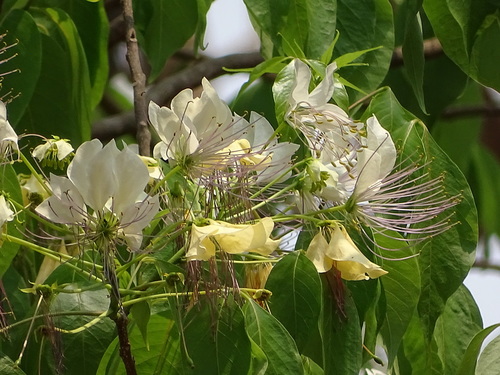
Sacred garlic pear
Crateva religiosa
In Myanmar a paste of the bark ground with Boerhavia diffusa root is taken for chronic sores and boils; in central Nepal the grated dried fruit is applied to skin wounds. Untested.
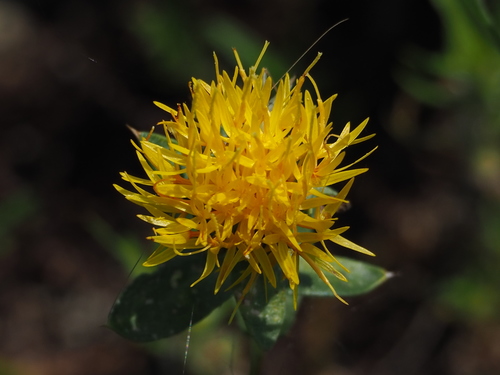
Safflower
Carthamus tinctorius
Pharmacopoeial use (WHO) for wounds or sores with pain and swelling; no clinical studies.
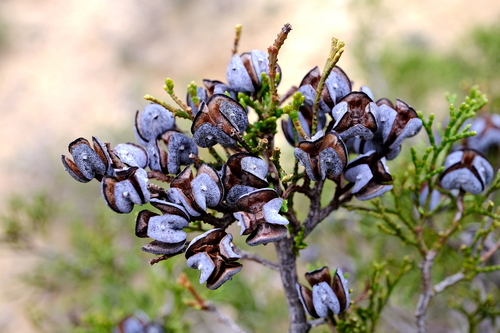
Sandarac tree
Tetraclinis articulata
Leaf decoctions are applied to bruises and wounds, and in Algeria the plant is used to dry the umbilical wound of newborns. In the laboratory the leaf oil at 5% suppressed biofilms of skin bacteria; there are no clinical studies.
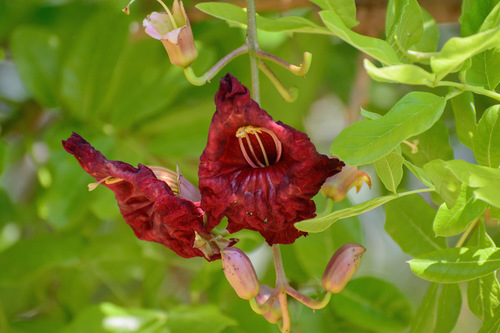
Sausage tree
Kigelia africana
Mature fruit is used across Africa to dress wounds, abscesses, ulcers and boils, and unripe fruit as a wound dressing in Central Africa. Fruit extracts inhibited several bacteria and fungi in disc-diffusion and MIC tests, but no studies in people were found.
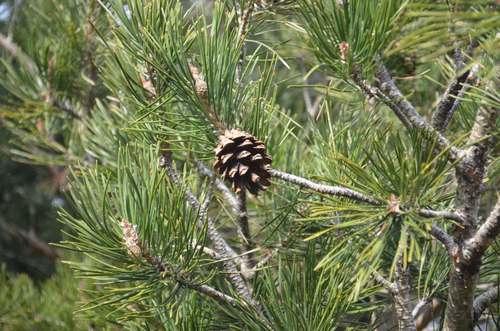
Scots pine
Pinus sylvestris
Resin melted with tallow for cracked hands, or with honey for boils, is recorded in Transylvania; in North Karelia (Finland) resin and pine tar were mainly named for skin problems. Untested in trials.
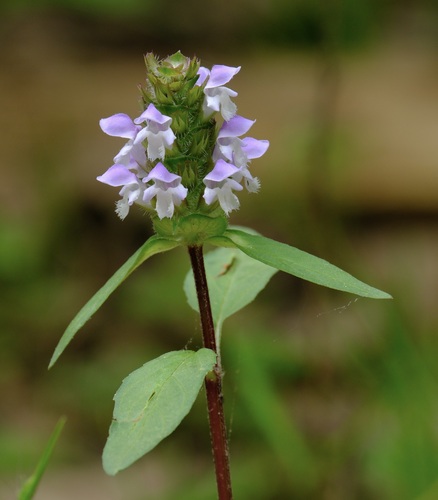
Self-heal
Prunella vulgaris
The English name reflects its old European use to speed wound healing; untested clinically.
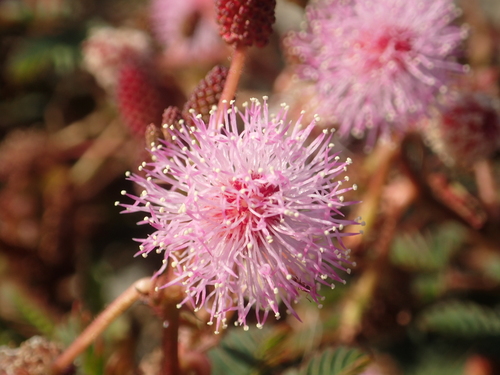
Sensitive plant (Touch-me-not)
Mimosa pudica
Root and leaf pastes are applied to cuts, boils and abscesses in Indian folk medicine; wound-healing effects have been reported in animal studies only.
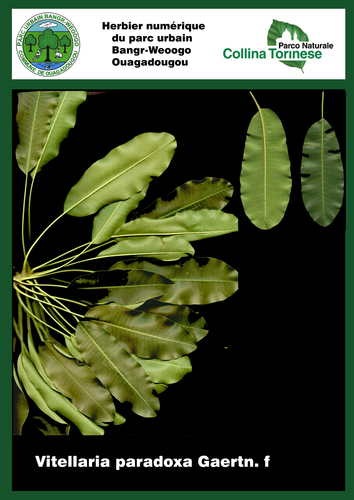
Shea tree
Vitellaria paradoxa
Wound healing and umbilical-cord care are among the commonest recorded uses of shea butter across Sub-Saharan Africa; untested in controlled studies.

Siberian musk deer
Moschus moschiferus
Listed in Chinese medicine for ulcers and sores, among many other conditions.
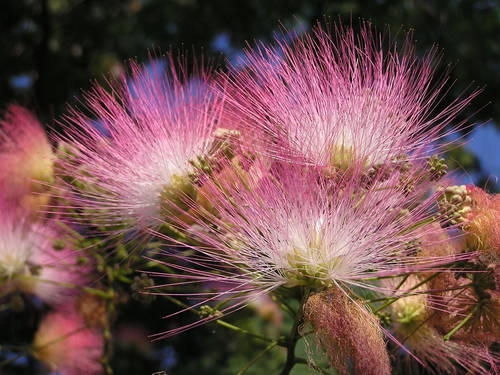
Silk tree
Albizia julibrissin
Extracts are described as useful for bruises, ulcers, abscesses, burns and fractures in traditional practice; antimicrobial activity has been reported in the laboratory.
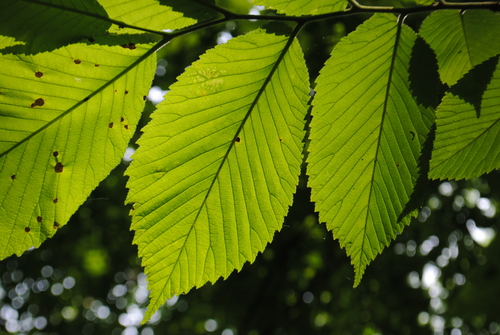
Slippery elm
Ulmus rubra
The Cherokee and Meskwaki put poultices of the bark on old sores and wounds, the Cherokee also used them on burns, and the Micmac used the bark on suppurating wounds. LiverTox notes topical use for skin rash and irritation.

Small-flowered willowherb
Epilobium parviflorum
Willowherb infusions are traditionally applied to skin and mucosal infections and used to promote wound healing; extracts are antibacterial in vitro.
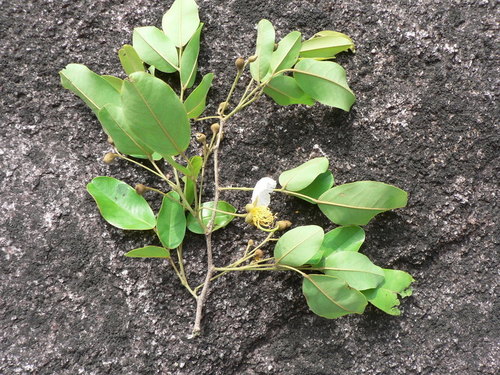
Snake bean
Bobgunnia madagascariensis
In Lubumbashi (DR Congo) the stem bark is applied as a cataplasm and the fruit as a liniment to wounds; it ranked among the top wound plants in a survey of about 2,900 people. Leaf water extracts were strongly antibacterial against Shigella, Salmonella typhi and E. coli O157 in a laboratory study.
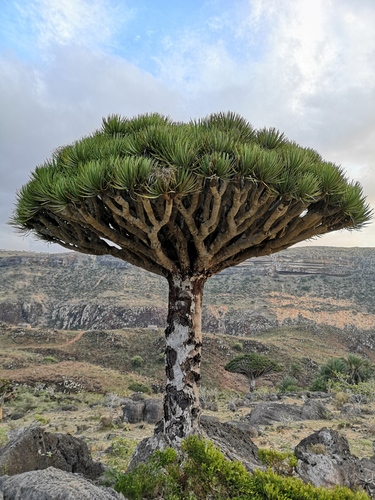
Socotra dragon tree
Dracaena cinnabari
Dragon's blood resins from several plants are used traditionally to stop bleeding and heal wounds; little research has examined their clinical use.
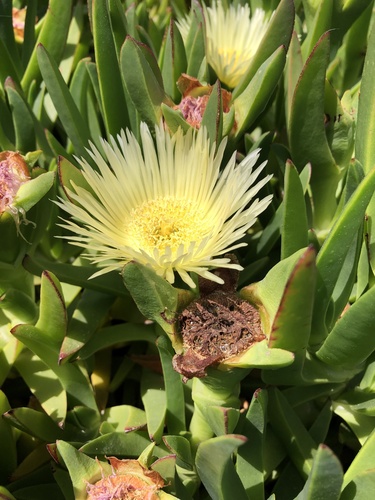
Sour fig
Carpobrotus edulis
Leaf juice is applied to burns, bruises, scrapes and wounds; Xhosa healers use it for sores.
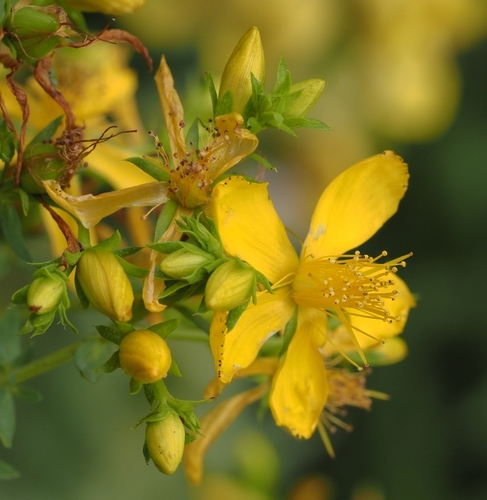
St John's wort
Hypericum perforatum
EMA traditional use of the oil extract (the red 'St John's oil') or tincture on the skin for minor inflammation such as sunburn and to aid healing of minor wounds; NCCIH notes wound-healing research has not clearly shown benefit.
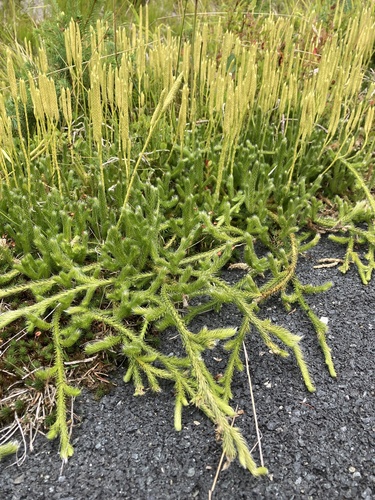
Stag's-horn clubmoss
Lycopodium clavatum
The Forest Potawatomi used the spores as a styptic and coagulant. Serbian folk medicine sprinkled the powdered dry plant on moist, inflamed skin, especially in small children. Hospitals used the spores as a dusting powder in the 1920s–30s, but spores entering surgical wounds caused granulomas that mimicked tuberculosis or cancer, sometimes decades later.
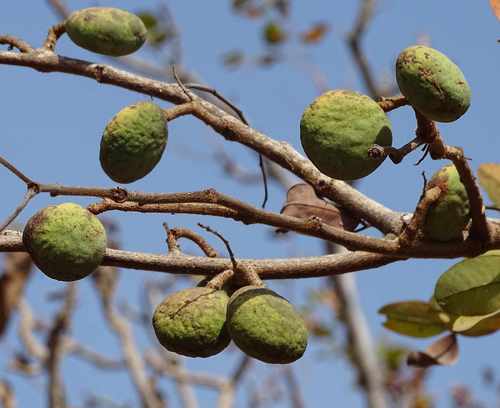
Sweet detar
Detarium microcarpum
Fresh bark or leaves are applied to wounds to prevent infection, and the fruit pulp is used for skin diseases in Burkina Faso.
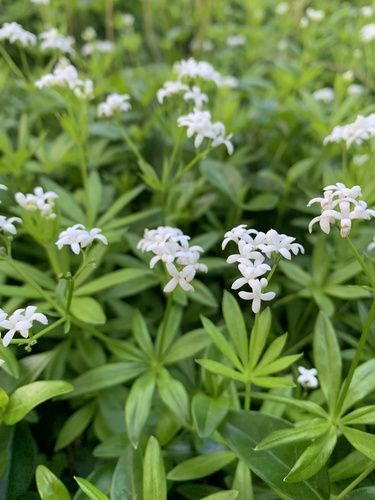
Sweet woodruff
Galium odoratum
Used externally on wounds in Central European folk medicine. A topical extract improved wound contraction in a rat burn model; there are no human trials.
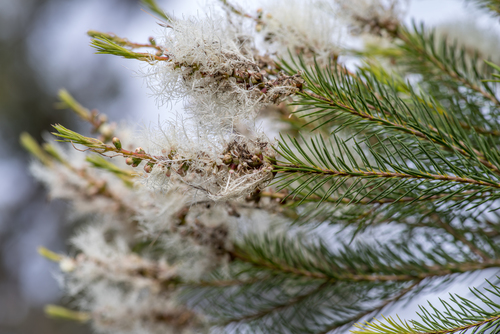
Tea tree
Melaleuca alternifolia
EU traditional-use indication for small superficial wounds, based on its long history as an Australian antiseptic rather than on wound-healing trials.
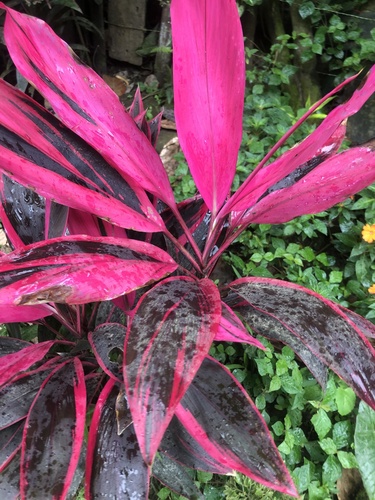
Ti plant
Cordyline fruticosa
Leaves are applied to fresh cuts and sores in East Sepik, Papua New Guinea. Leaf extracts showed modest antibacterial activity in laboratory tests.

Tiger milk mushroom
Lignosus rhinocerotis
Indigenous use for wounds is recorded, and the powder was mixed with Chinese rice wine for lumps, sores and boils; experimental wound dressings are being studied in the laboratory.
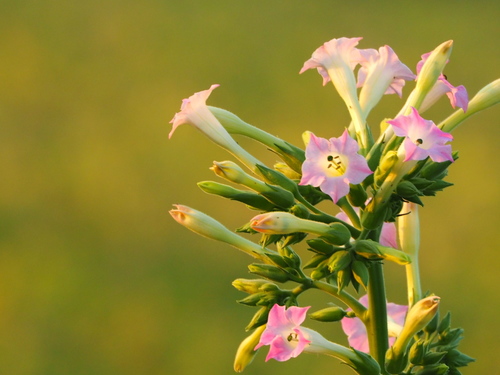
Tobacco
Nicotiana tabacum
Poultices of the leaf were used for boils, cuts and sores by the Cherokee, Hesquiat and Thompson peoples, and in Hawaiian medicine to draw pus from scrofulous sores.
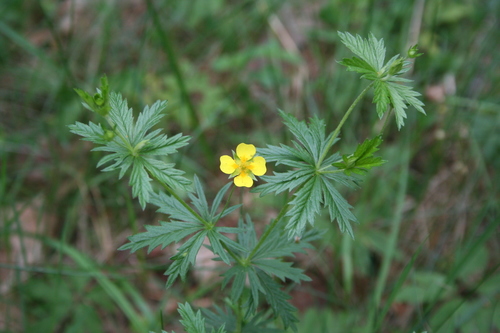
Tormentil
Potentilla erecta
Traditionally applied externally to poorly healing wounds and to stop bleeding, according to the handbooks reviewed by the EMA; untested clinically.

Tree turmeric
Coscinium fenestratum
The stem and root are used traditionally as antiseptics for wounds and ulcers. Not clinically studied.
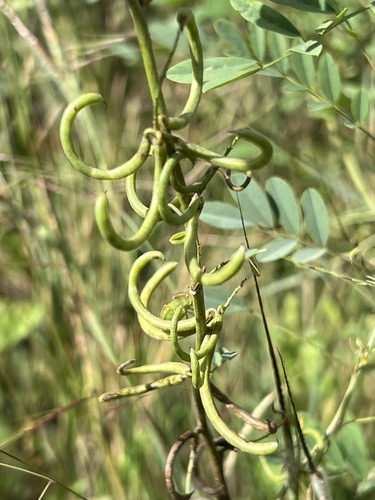
True indigo
Indigofera tinctoria
The Romans used indigo pigment for medicinal and cosmetic purposes; there is no clinical testing of Indigofera tinctoria preparations.
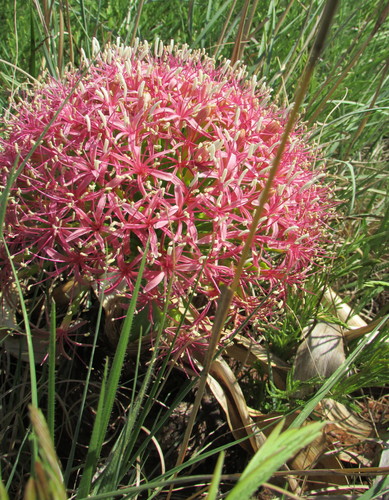
Tumbleweed
Boophone disticha
Dried bulb scales are traditionally laid on wounds, including as a dressing after circumcision. The bulb's crinane alkaloids buphanidrine and distichamine moderately inhibited common bacteria in the test tube (best MIC 0.063 mg/ml). No clinical studies.

Uzara
Xysmalobium undulatum
Applied externally to wounds and abscesses in traditional African medicine; untested.
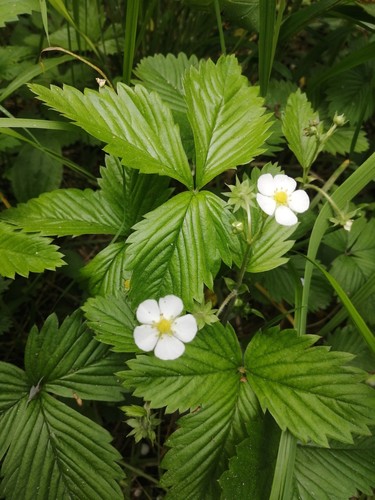
Wild strawberry
Fragaria vesca
The Okanagan-Colville applied leaf powder to open sores as a disinfectant, or mixed with deer fat as a poultice.

Wild thyme
Thymus serpyllum
The same paste was used to disinfect wounds and scrapes.
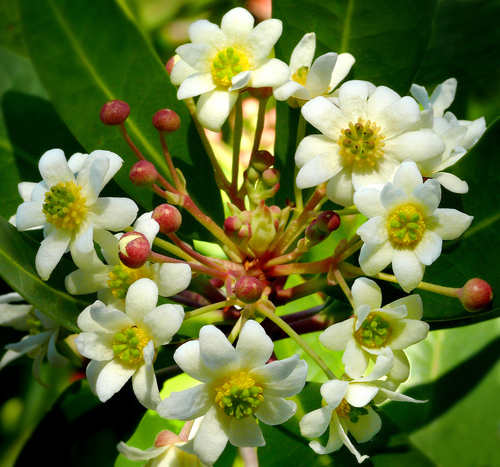
Winter's bark
Drimys winteri
Applied as a plaster to wounds, ulcers, warts and scabies. Leaf and bark essential oil and drimane compounds are antibacterial and antifungal in the lab, including against Candida strains from Chilean patients.
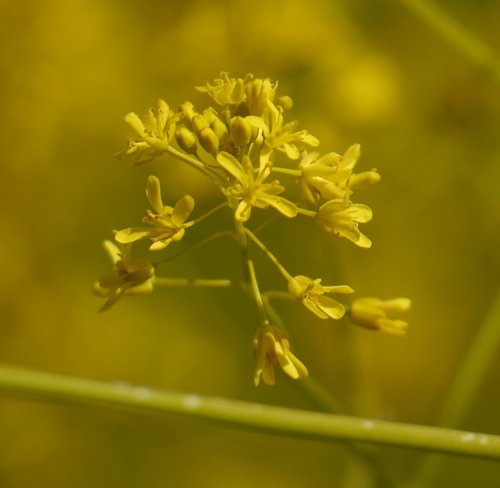
Woad
Isatis tinctoria
Hippocrates recommended woad for wounds, ulcers and haemorrhoids, and Galen and Pliny also recommended it; the name Isatis is linked to this wound-healing use.
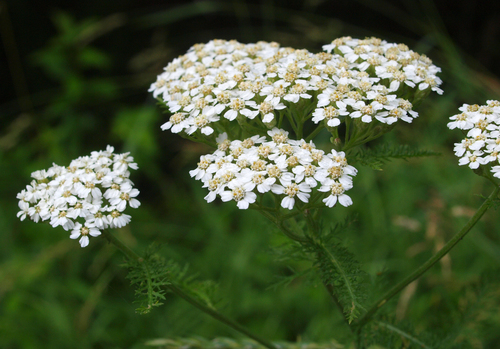
Yarrow
Achillea millefolium
EMA traditional use for small superficial wounds; many Indigenous North American nations applied leaf poultices to wounds, burns and sores.
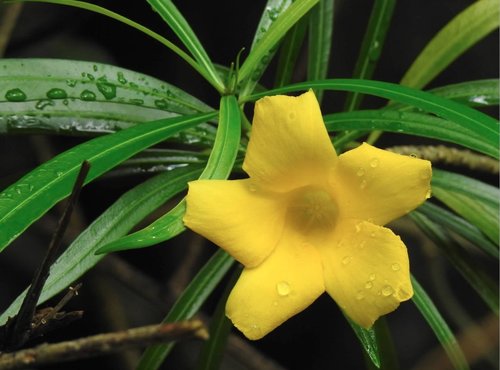
Yellow oleander
Cascabela thevetia
External wounds are among the reported traditional uses; the case-report literature also mentions use for haemorrhoids and as an antiseptic. No clinical evidence.
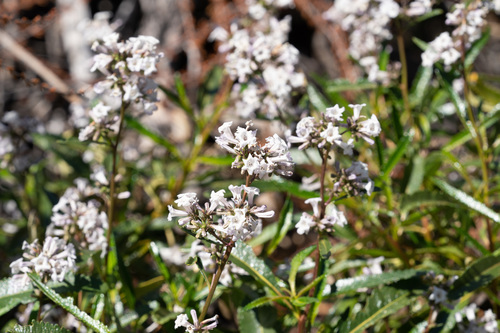
Yerba santa
Eriodictyon californicum
Leaf poultices were applied to sores, cuts and abrasions (Coahuilla, Miwok, Yuki); the Miwok also applied them to fractures and swellings.