The Apothecary / Skin & wounds
Insect bites and stings
30 remedies
See a doctor if
Swelling of the face or throat, or difficulty breathing (anaphylaxis).
Reference, not prescription. Nothing here is medical advice. Herbs can interact with medicines and be dangerous in pregnancy; tell your doctor or pharmacist about anything you take.
Limited evidence
LimitedSmall or few trials, mixed results, or mainly lab and animal work.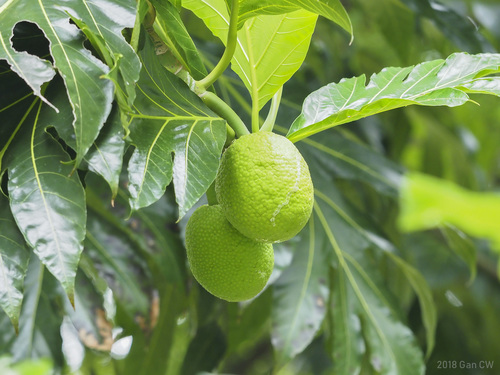
Breadfruit
Artocarpus altilis
Dried male flower clusters are burned throughout Oceania to keep mosquitoes away. In laboratory biting-deterrent tests on Aedes aegypti, fatty acids from the flowers (capric, undecanoic and lauric acid) deterred biting more than DEET; protection in real-world use has not been measured.
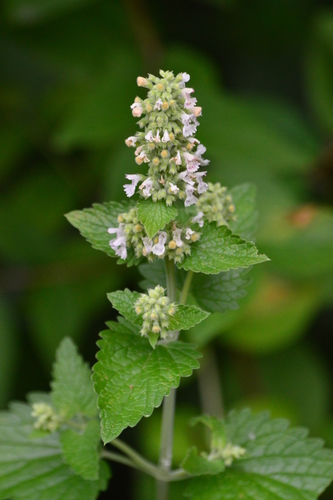
Catnip
Nepeta cataria
Nepetalactone, the main component of catnip oil, repels mosquitoes in laboratory tests by activating the insect irritant receptor TRPA1 (it does not activate the human receptor). It was a better spatial repellent than DEET but a weaker contact repellent.

Sangre de grado
Croton lechleri
Sap preparations applied to the skin relieved itching, pain and swelling of insect bites in clinical studies summarised in a 2003 review; details and trial quality are not given in the abstract.
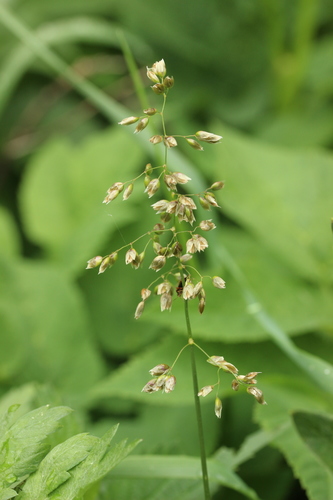
Sweetgrass
Anthoxanthum nitens
The Flathead burned it as incense to 'keep the bugs away'. In a laboratory feeding bioassay, extracts deterred biting by Aedes aegypti mosquitoes, and phytol and coumarin were identified as the active compounds. Not tested on people.
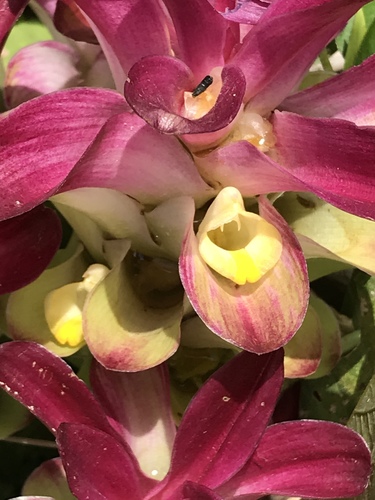
Zedoary
Curcuma zedoaria
A water-balm with 15% zedoary essential oil repelled Aedes aegypti mosquitoes in arm-in-cage tests (median complete protection 150 minutes) and caused no irritation in 12 volunteers' patch tests.
Traditional use
TraditionalLong recorded use, essentially untested in clinical trials.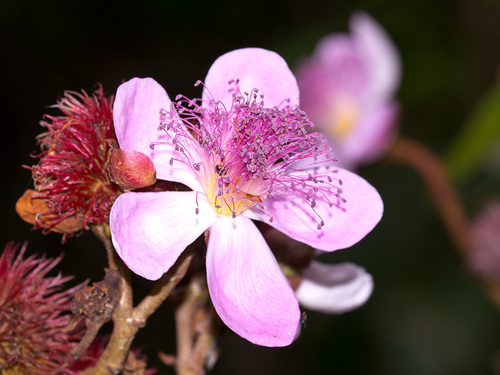
Annatto
Bixa orellana
Seed paste is applied to the skin by forest peoples to repel mosquitoes and in Brazil, Cuba and Paraguay as an insect repellent; repellent action against sandflies has been shown experimentally.
Arnica
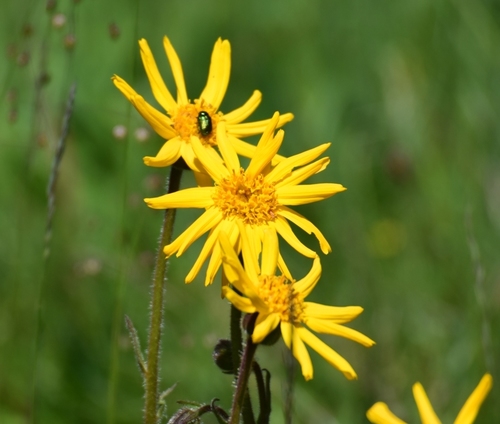
Arnica montana
Inflammation from insect bites was among the external uses in the German Commission E (1984) and WHO monographs, as recorded in the EMA assessment; EMA did not adopt this indication.

Balm of Gilead
Commiphora gileadensis
Used in Saudi Arabia as an antidote to scorpion stings.
Burn jelly plant
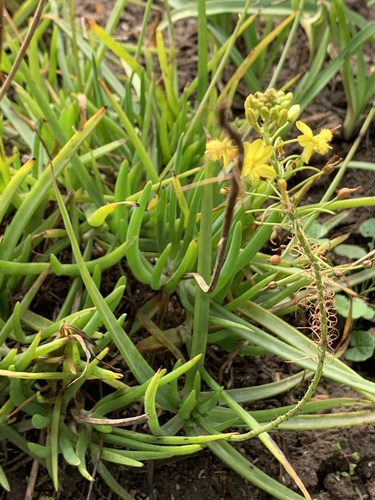
Bulbine frutescens
Zulu and Afrikaans folk use for insect bites.
Cajuput
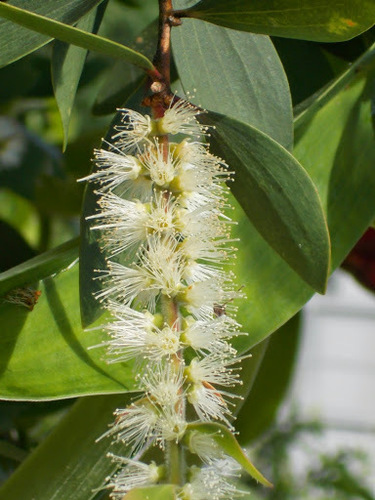
Melaleuca cajuputi
A common south-east Asian household remedy for insect bites.
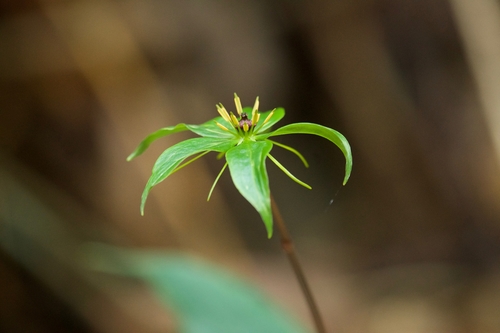
Chong lou
Paris polyphylla
Listed in the Chinese Pharmacopoeia for venomous snake bites and used in Nepal as an antidote to poisonous insects and snakes; untested clinically.
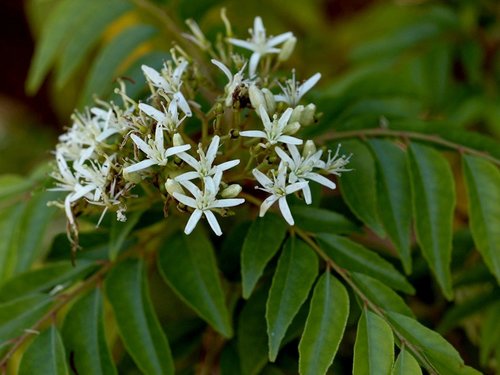
Curry leaf
Murraya koenigii
In Ayurveda, a paste of curry leaves and buttermilk (Kaidaryayuktatakra lepa) is applied to scorpion stings, and juice of the leaves, bark and root is taken by mouth. There are no clinical studies; a scorpion sting can be a medical emergency.

Ethiopian frankincense
Boswellia papyrifera
Near Abay National Park in northeast Ethiopia, the resin is crushed, mixed with butter and painted on scorpion stings.
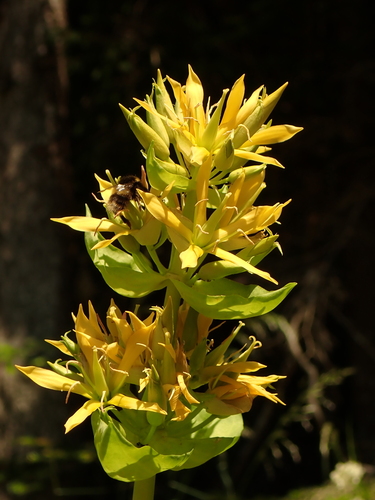
Great yellow gentian
Gentiana lutea
In Iranian traditional medicine, gentian roots (the texts cover several Gentiana species) were applied with vinegar to scorpion and viper bites and taken as an antidote to animal venoms. There is no evidence this works; venomous bites need emergency treatment.
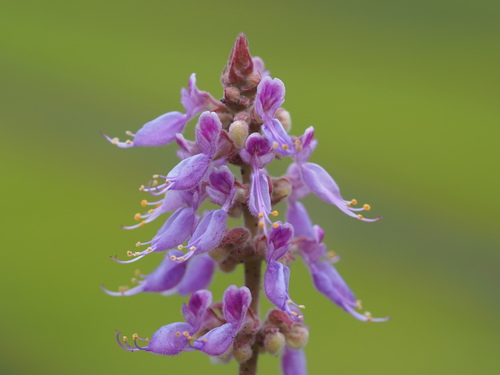
Indian borage
Coleus amboinicus
Fresh leaves are rubbed on insect bites, burns, bruises and skin inflammation in several countries; a 20% oil solution repelled Aedes mosquitoes as well as DEET for up to 6 hours in one study.
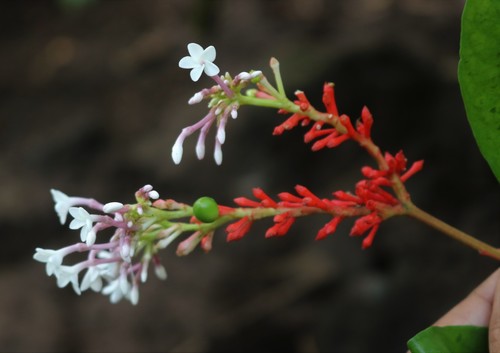
Indian snakeroot
Rauvolfia serpentina
Folk use against snake and insect bites, listed by WHO as unsupported.
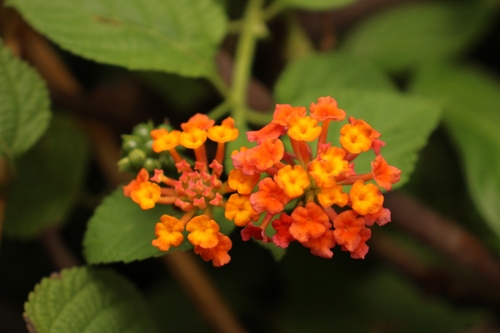
Lantana
Lantana camara
Leaves are burned as a mosquito and insect repellent in Kenya, Nigeria and Uganda (prevention of bites, not treatment).
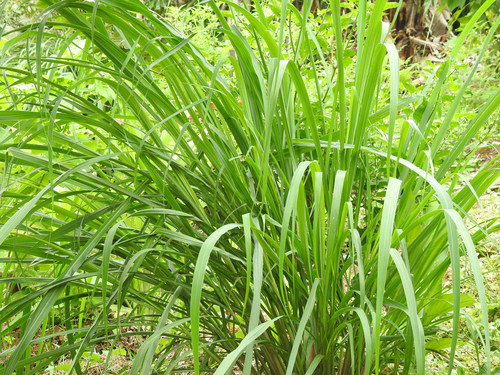
Lemongrass
Cymbopogon citratus
The most cited mosquito-repellent plant in a Guadeloupe survey; the essential oil is used as an insect repellent.
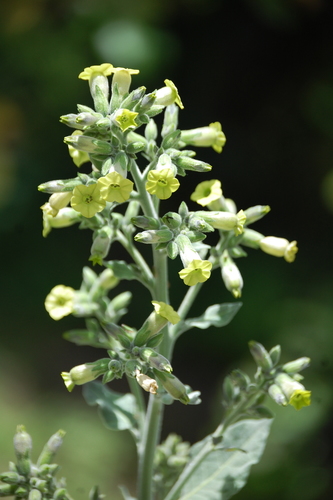
Mapacho
Nicotiana rustica
Cherokee healers applied a poultice of the beaten plant to boils and insect bites, and Iroquois a poultice of the chewed plant to insect bites; the juice was put on snakebite.
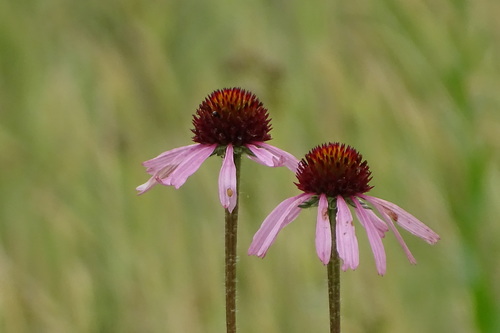
Narrow-leaved coneflower
Echinacea angustifolia
Plains nations used the root for snakebite and venomous bites and stings (Omaha: a poultice of smashed roots); late-nineteenth-century American physicians also used it for poisonous bites.
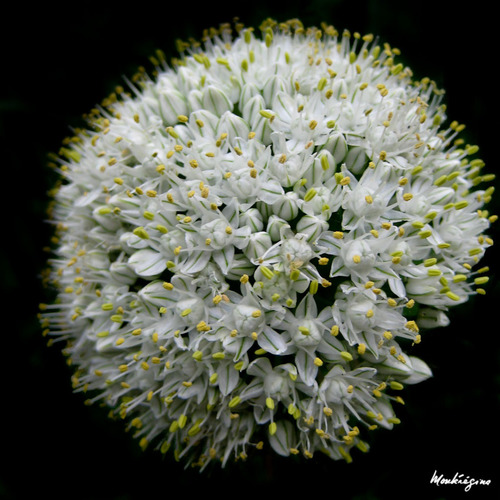
Onion
Allium cepa
Applied externally in European folk medicine for insect bites, wounds, minor burns, boils, warts and bruises; not tested in trials.
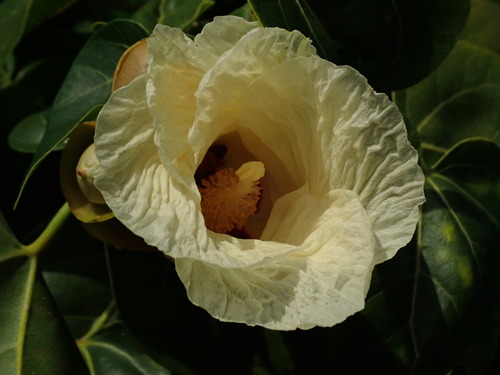
Portia tree
Thespesia populnea
Kani and Irula communities in Tamil Nadu apply fruit juice or crushed fruit to insect bites.
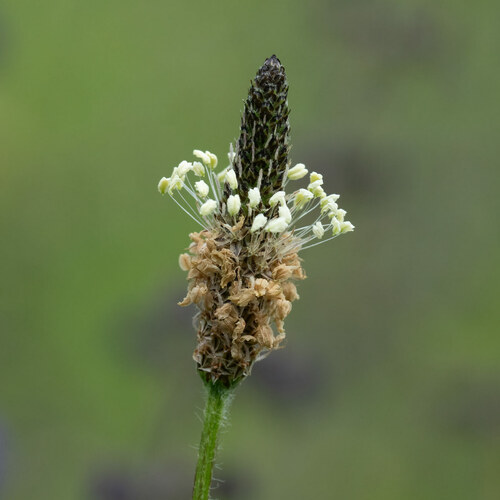
Ribwort plantain
Plantago lanceolata
Listed in European handbooks for insect stings, and by the Cherokee as a poultice for stings and an infusion for poisonous bites. No clinical testing.
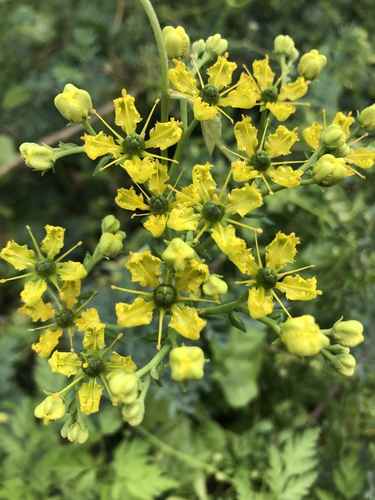
Rue
Ruta graveolens
Chinese texts record it for insect and snake bites ('managing snake wounds'); leaf extracts slowed snake-venom-induced clotting in a lab test.

Sea hibiscus
Hibiscus tiliaceus
In French Polynesia boiled flowers are used to bathe children with chickenpox and skin infections from mosquito bites (one or two reports each).
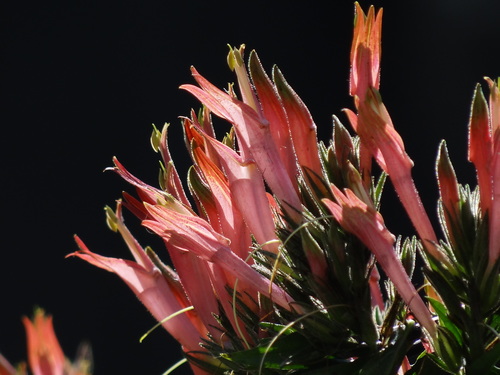
Snake grass
Clinacanthus nutans
Fresh leaves are a traditional remedy for snake, scorpion and insect bites and skin rashes.
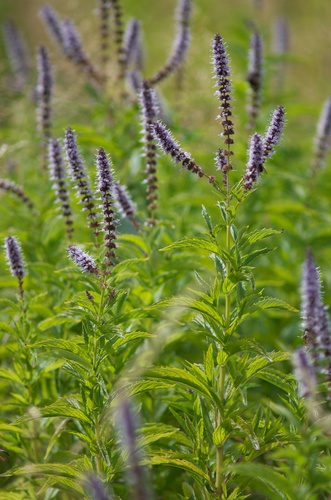
Spearmint
Mentha spicata
Traditional Persian medicine lists na'na' among antidotal plants for scorpion venom and dog bites. Not a substitute for emergency treatment.
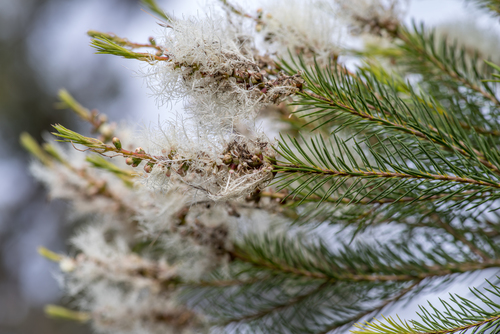
Tea tree
Melaleuca alternifolia
EU traditional-use indication alongside small wounds; Aboriginal use of the leaves for insect bites is recorded by NCCIH and EMA.
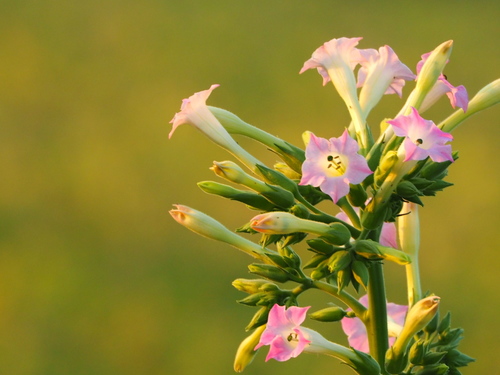
Tobacco
Nicotiana tabacum
A Cherokee poultice of the beaten plant was applied to insect bites, and the juice to snakebite.

Wild dagga
Leonotis leonurus
Decoctions are used for spider and snake bites.