The Apothecary / Skin & wounds
Warts and molluscum
10 remedies
See a doctor if
A growth that bleeds, changes or grows quickly, or warts on the genitals, need a clinician.
Reference, not prescription. Nothing here is medical advice. Herbs can interact with medicines and be dangerous in pregnancy; tell your doctor or pharmacist about anything you take.
Strong evidence
StrongAn approved medicine, or consistent good-quality trials and reviews.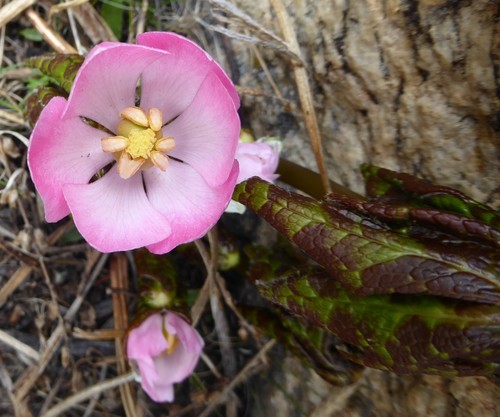
Himalayan mayapple
Sinopodophyllum hexandrum
Genital warts (caused by human papillomavirus): podophyllotoxin is the active ingredient of marketed creams and solutions such as Wartec and Condylox, sometimes combined with imiquimod to reduce recurrence.
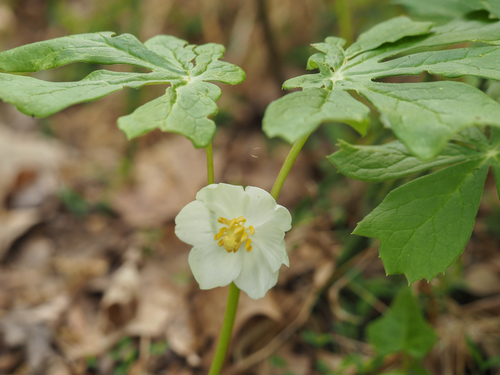
Mayapple
Podophyllum peltatum
For external genital warts (condyloma acuminata, caused by human papillomavirus), purified podophyllotoxin 0.5% solution cleared lesions more often than imiquimod 5% cream in a 2020 network meta-analysis of 41 trials (6371 patients), at the cost of more side effects.
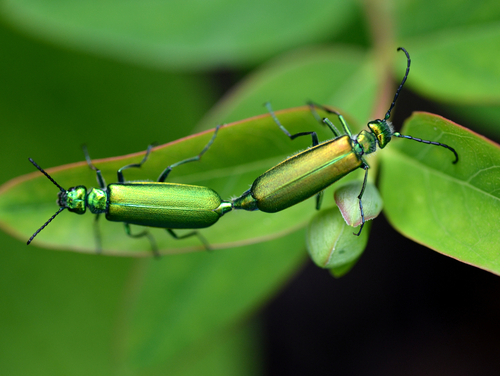
Spanish fly
Lytta vesicatoria
For molluscum contagiosum (a poxvirus skin infection), cantharidin 0.7% topical solution applied by a clinician every 21 days for up to four treatments cleared all lesions in 46% and 54% of patients versus 18% and 13% on vehicle in two phase 3 trials (CAMP-1, CAMP-2); a Japanese phase 3 trial found 50% versus 23%. Approved by the FDA in 2023 (YCANTH) for patients aged 2 and over. The drug is made synthetically, not from beetles.
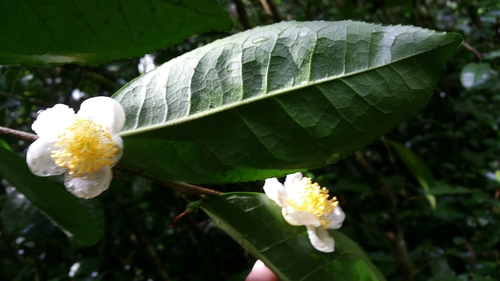
Tea plant
Camellia sinensis
Sinecatechins (Veregen, Polyphenon E), a defined green tea extract ointment approved by the FDA in 2006, cleared all anogenital warts in about 53–57% of patients on the 15% ointment versus 34–37% on vehicle in two randomised trials.
Limited evidence
LimitedSmall or few trials, mixed results, or mainly lab and animal work.
Common fig
Ficus carica
Fig sap is a rural Iranian and Mediterranean remedy for common warts. In an open trial in 25 patients, warts treated with fig latex cleared completely in 44%, compared with 56% for cryotherapy on the other side of the body; the study was small and unblinded.
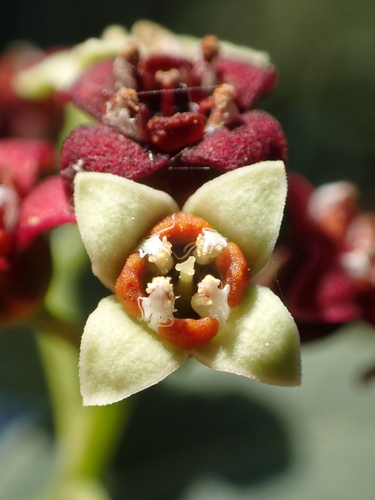
Indian sandalwood
Santalum album
For warts and molluscum (skin viruses): in an open-label pilot of 10 people with common warts, 8 cleared all treated warts after 12 weeks of twice-daily oil, and a 10-person open pilot in molluscum contagiosum reported clearance in 9. An unpublished placebo-controlled dose-finding wart trial by the oil's developer reported more clearance than placebo. Very small, uncontrolled or unpublished.
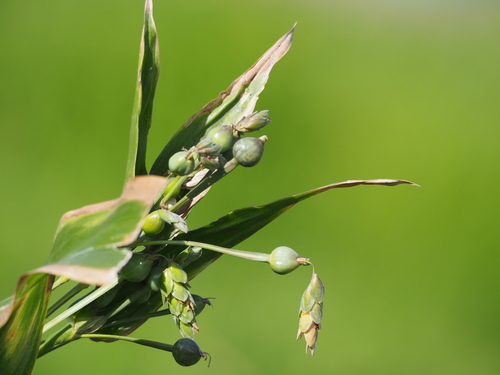
Job's tears
Coix lacryma-jobi
In Japan, yokuinin (adlay seed extract) is used to treat common warts (verruca vulgaris) caused by HPV. A retrospective study of 73 women with mildly abnormal cervical smears found those given 1 g/day yokuinin returned to normal cytology sooner (median 3 v 5 months), with no side effects; this was not randomised.
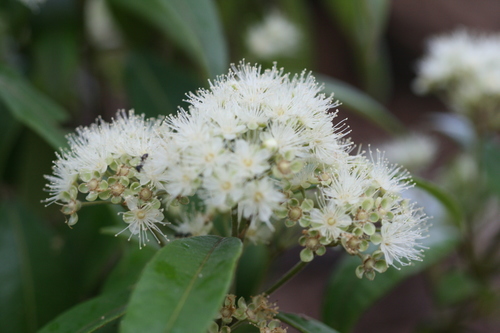
Lemon myrtle
Backhousia citriodora
In a randomised trial in 31 children with molluscum contagiosum (a viral skin infection with wart-like bumps), a 10% lemon myrtle oil solution applied once daily for 21 days cut lesions by more than 90% in 9 of 16 children, versus none of 16 given olive oil. A later report described its use in children with atopic dermatitis.
Traditional use
TraditionalLong recorded use, essentially untested in clinical trials.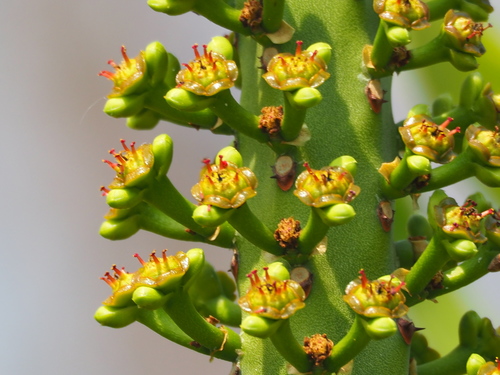
Indian spurge tree
Euphorbia neriifolia
The juice is applied externally to remove warts, relying on its caustic action. It blisters surrounding skin.
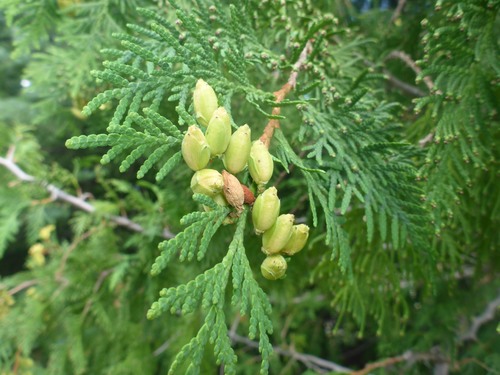
Northern white cedar
Thuja occidentalis
The tincture has been used for warts, papillomas and condylomas caused by human papillomavirus; a case report describes its use as an add-on for laryngeal papillomas in a child. No controlled trials of the herbal tincture; a homeopathic warts trial in which Thuja was the most prescribed remedy was inconclusive.