The Apothecary / Skin & wounds
Burns and sunburn
47 remedies
See a doctor if
Burns larger than the palm, on the face, hands or genitals, or that are white or charred.
Reference, not prescription. Nothing here is medical advice. Herbs can interact with medicines and be dangerous in pregnancy; tell your doctor or pharmacist about anything you take.
Strong evidence
StrongAn approved medicine, or consistent good-quality trials and reviews.
Moderate evidence
ModerateSeveral trials, mostly positive, or an EMA ‘well-established use’ monograph.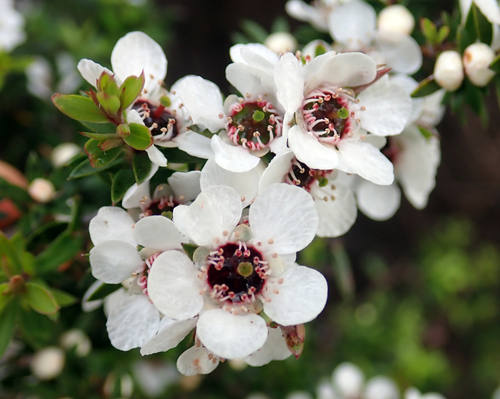
Mānuka
Leptospermum scoparium
Cochrane (2015, 26 trials of honey in general, not only mānuka): high-quality evidence that honey dressings heal partial-thickness burns about 4.7 days faster than conventional dressings; no difference from silver sulfadiazine in healing within 6 weeks, with fewer adverse events.

Western honey bee
Apis mellifera
A 2015 Cochrane review found high-quality evidence from 2 trials (992 people) that honey dressings heal partial-thickness burns about 4.7 days faster than conventional dressings; compared with silver sulfadiazine, healing within 6 weeks was similar but adverse events were fewer.
Limited evidence
LimitedSmall or few trials, mixed results, or mainly lab and animal work.
Aloe vera
Aloe vera
Clinical research suggests topical aloe gel may speed burn healing and reduce burn pain; WHO notes faster healing of first- and second-degree thermal and radiation burns in studies of gel preparations.

Cuachalalate
Amphipterygium adstringens
In mice with burns infected with Pseudomonas aeruginosa, a folk remedy (washing with a bark infusion and applying powdered bark) increased survival by 50% and reduced spread of the bacteria; the extract reduced bacterial virulence rather than killing the bacteria.
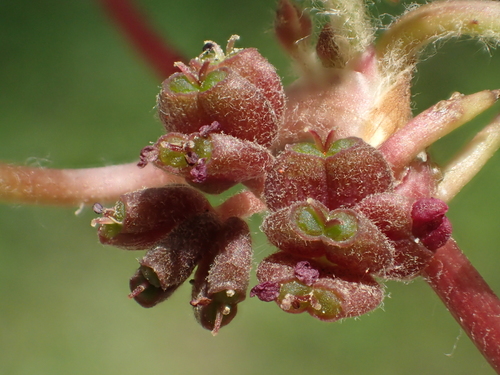
Gotu kola (Indian pennywort)
Centella asiatica
WHO cites studies in which extracts were used on second- and third-degree burns; the trials are small and dated.
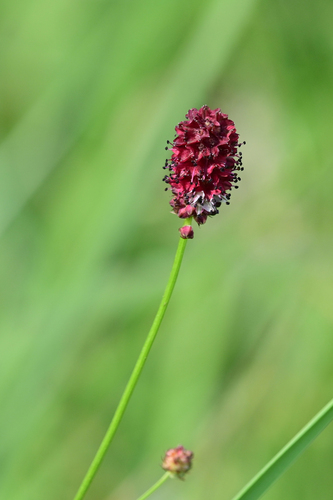
Great burnet
Sanguisorba officinalis
Widely used in China for wounds, especially burns. A root polysaccharide given orally (50 and 200 mg/kg) sped wound contraction and healing of burns in mice; no clinical trials were found.
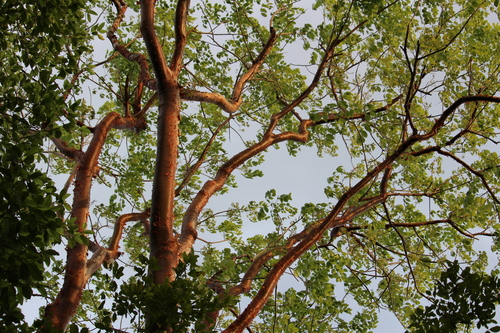
Gumbo-limbo
Bursera simaruba
Bark macerations are washed over burns and other skin complaints in Mesoamerica. Lipophilic bark extracts reduced experimental ear swelling in mice when applied to the skin; there are no human data.
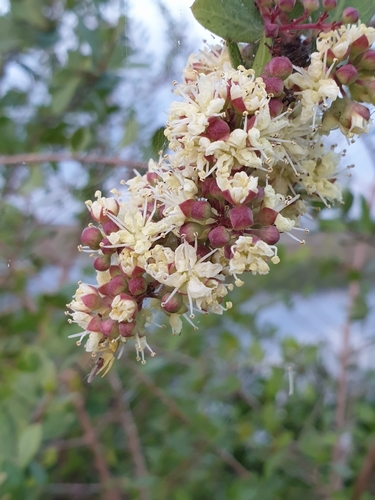
Henna
Lawsonia inermis
Leaf extracts inhibit bacteria that infect burn wounds in the laboratory, and one small trial compared a henna–beeswax ointment with silver sulfadiazine cream for second-degree burns.
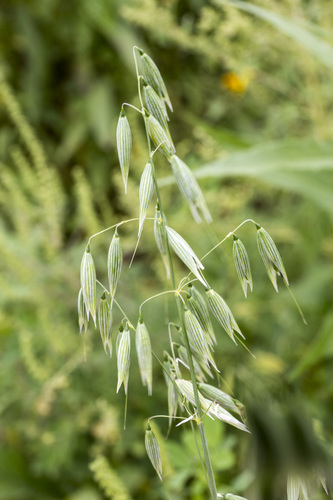
Oat
Avena sativa
EMA traditional use for sunburn and as an aid in healing minor wounds. In 35 burns patients, a bath oil with 5% colloidal oatmeal reduced itch and antihistamine use compared with liquid paraffin alone (assessor-blinded).
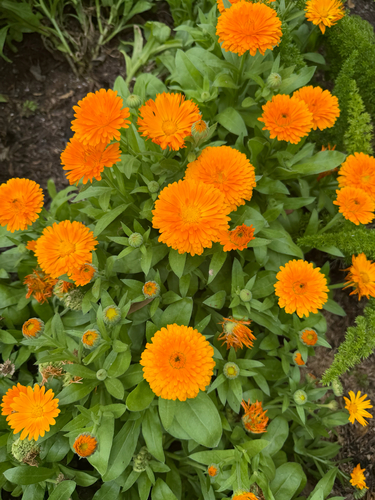
Pot marigold
Calendula officinalis
In a randomised trial of 254 women having radiotherapy after breast-cancer surgery, calendula ointment reduced grade 2 or worse radiation dermatitis (41% vs 63%) and radiation pain compared with trolamine cream. EMA also lists traditional use for sunburn.
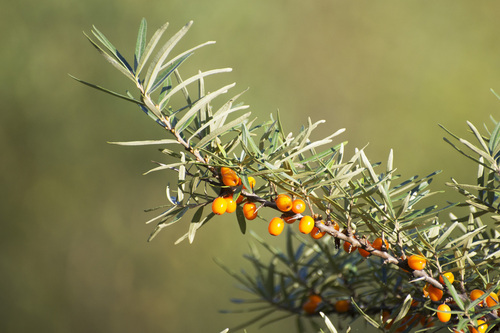
Sea buckthorn
Hippophae rhamnoides
In a triple-blind trial in 55 patients with second-degree burns in Iran, sea buckthorn cream dressings healed burns faster than 1% silver sulfadiazine. A single small trial.
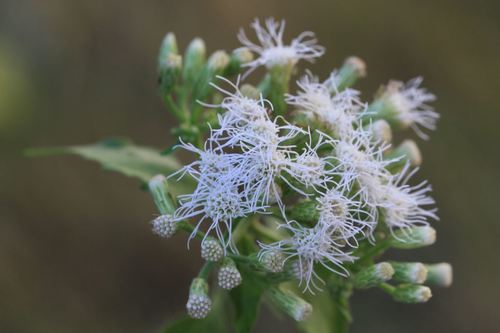
Siam weed
Chromolaena odorata
Eupolin ointment, made from an aqueous leaf extract, is used for soft-tissue wounds and burns in Vietnam; the 1998 study describing it cites earlier clinical studies that were not available to check.
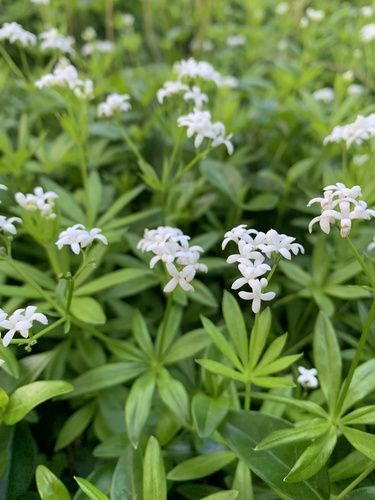
Sweet woodruff
Galium odoratum
In a rat second-degree burn model, topical woodruff extract formulations improved wound contraction and tissue healing; the active constituents were not identified. Animal data only.
Traditional use
TraditionalLong recorded use, essentially untested in clinical trials.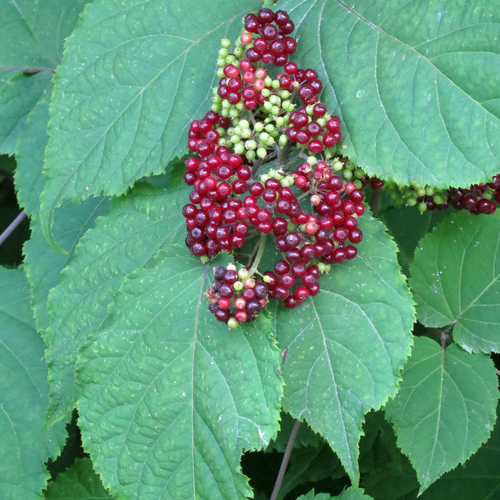
American spikenard
Aralia racemosa
The Cherokee used the ooze of beaten roots as a wash for burns.
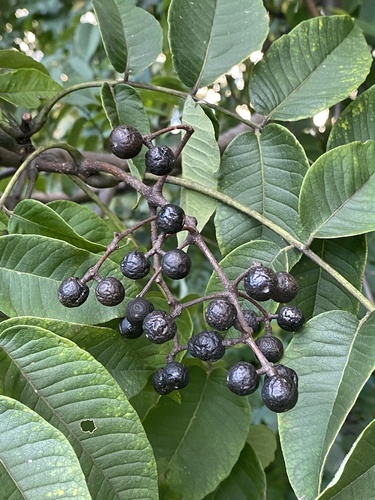
Amur cork tree
Phellodendron amurense
WHO records traditional use for burns, skin wounds and sores.
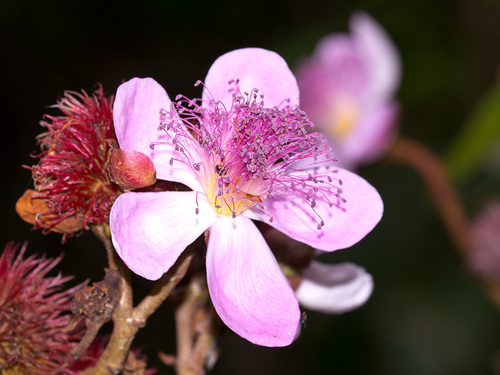
Annatto
Bixa orellana
Seeds and leaves are used for burns in Brazilian and Nicaraguan folk medicine.
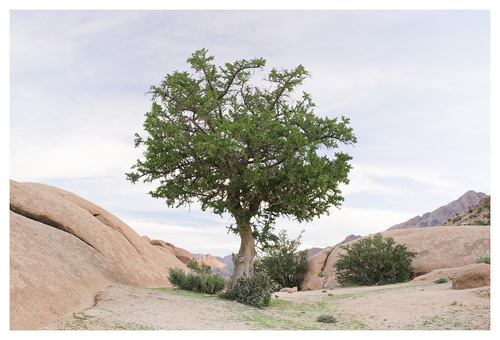
Argan
Argania spinosa
Traditionally used on burns and chapped skin.

Balm of Gilead
Commiphora gileadensis
The bark exudate is applied to burns in Yemen, Oman and Saudi Arabia.
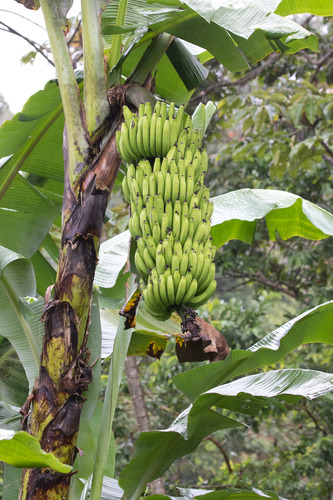
Banana
Musa acuminata
Banana peel is used in local and traditional practice to promote wound healing, mainly after burns. Not tested in trials.
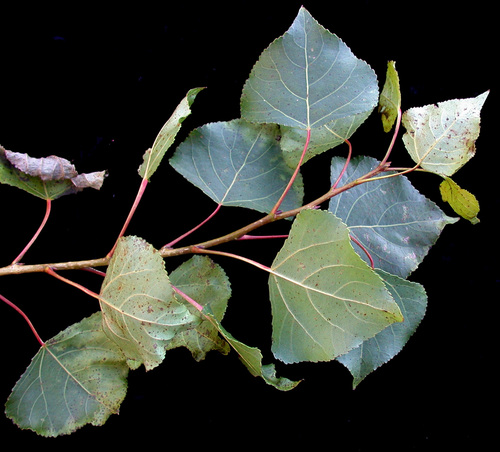
Black poplar
Populus nigra
The bark was applied to sunburn, insect bites and bruises.
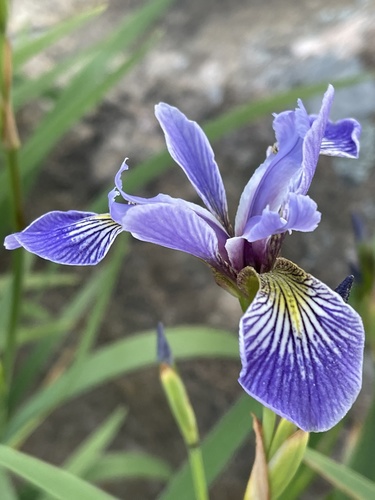
Blue flag
Iris versicolor
Tête-de-Boule and Meskwaki people applied root poultices to burns.
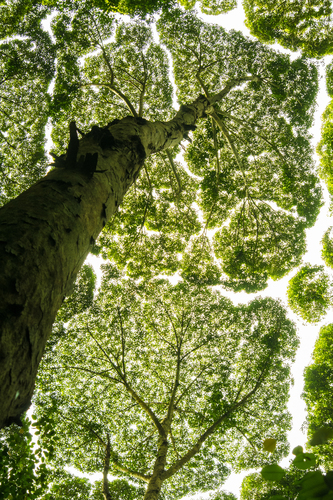
Borneo camphor
Dryobalanops aromatica
Applied for limited painful conditions including burns and joint pain on the basis of its anti-inflammatory and analgesic action.
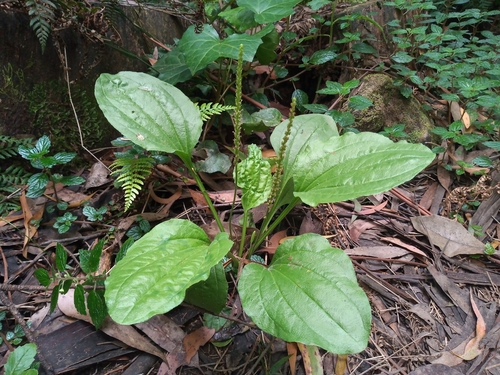
Broadleaf plantain
Plantago major
Leaves are applied to burns in India and among Thai hill peoples; untested in people.
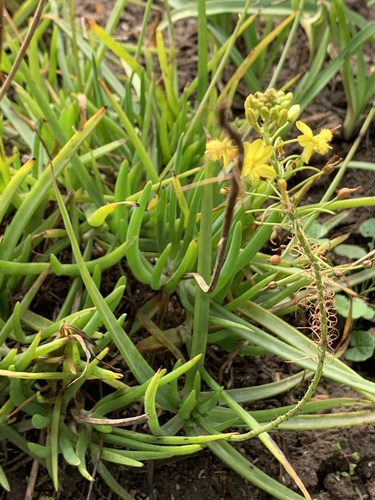
Burn jelly plant
Bulbine frutescens
Recorded as a burn treatment in Afrikaans folk use; not tested clinically for burns.
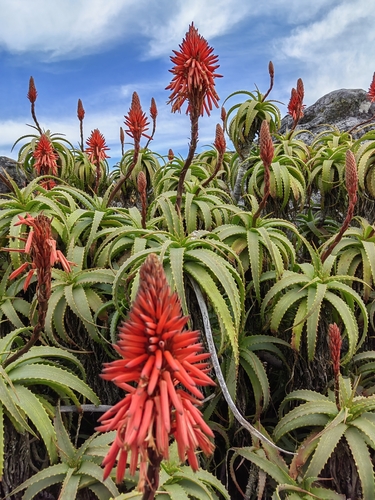
Candelabra aloe
Aloe arborescens
Used in South African traditional medicine for burns and abrasions; lyophilised leaf gel promoted closure in a cell scratch test and was not genotoxic to skin fibroblasts in vitro.

Cleavers
Galium aparine
A folk recipe of butter mixed with the fresh juice is used as an ointment for scalds, burns and swelling. Estonian authors also cite traditional use for burns and skin diseases. Not clinically tested.
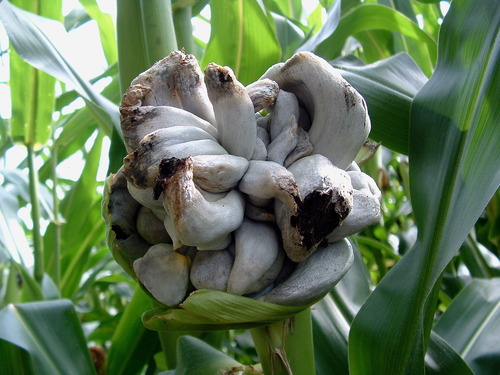
Corn smut
Ustilago maydis
Used in Mexico for skin burns, blisters, pimples, baby rashes and wounds.
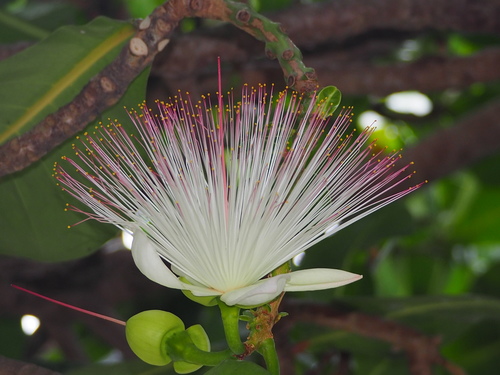
Fish poison tree
Barringtonia asiatica
Seeds grated and mixed with coconut cream are applied to burns and ringworm, according to a 1998 WHO regional compilation cited in a 2020 Philippine study.
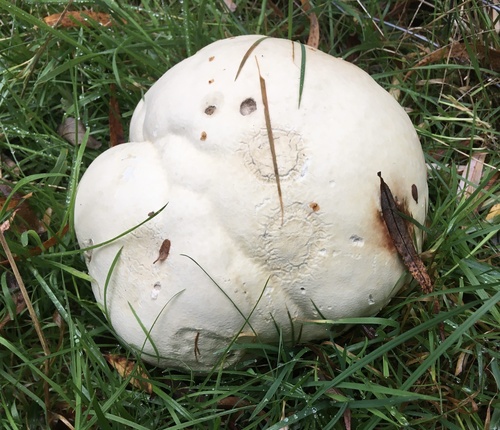
Giant puffball
Calvatia gigantea
The Māori of New Zealand used puffballs to stem bleeding and treat burns, as well as eating them.
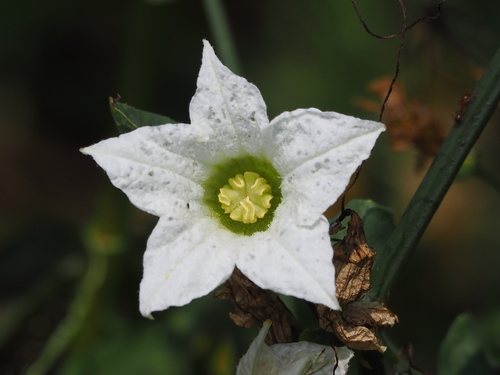
Ivy gourd
Coccinia grandis
Leaves applied to burns in traditional practice; not tested clinically.

Japanese angelica
Angelica acutiloba
Shiunkō is traditionally applied to burns, chilblains and cracked skin.
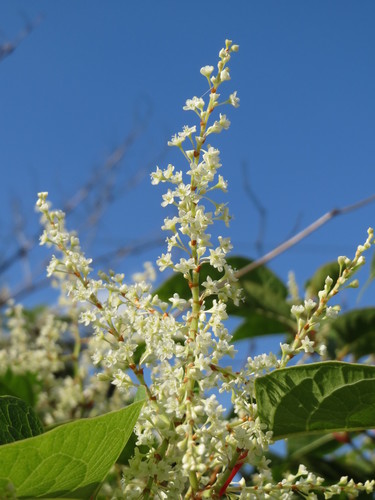
Japanese knotweed
Reynoutria japonica
TCM uses include scalds, bruises, snake bites and carbuncles.
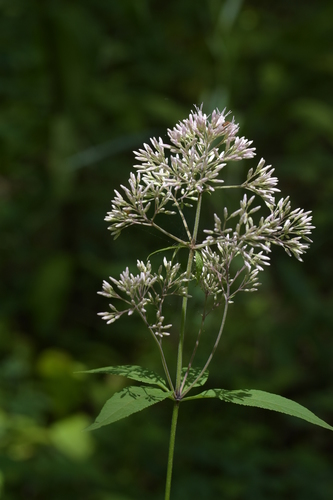
Joe-Pye weed
Eutrochium purpureum
The Forest Potawatomi applied a poultice of fresh leaves to burns.
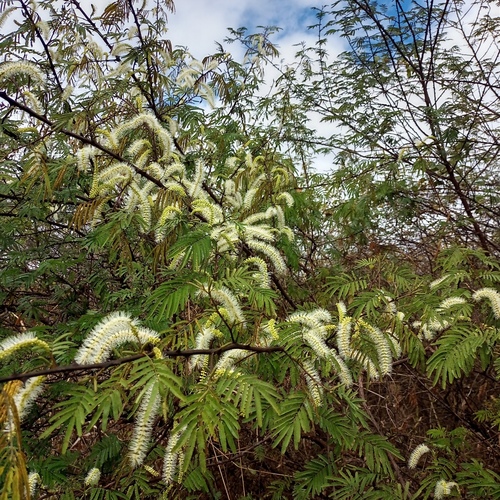
Jurema
Mimosa tenuiflora
Aqueous bark extracts are widely used for burns and wound healing in Central and South America; bark polysaccharides stimulated human skin fibroblasts in the lab.
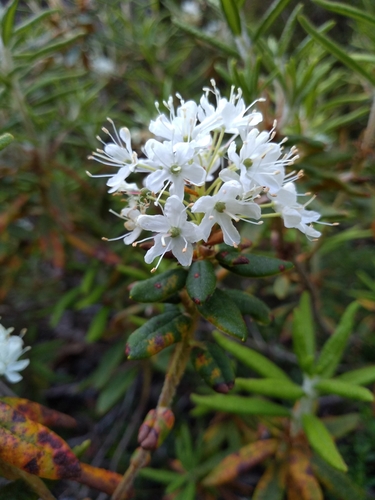
Labrador tea
Rhododendron groenlandicum
Cree healers applied powdered-leaf ointment or leaf-and-grease poultices to burns and scalds, and the Chippewa a powder containing the root.
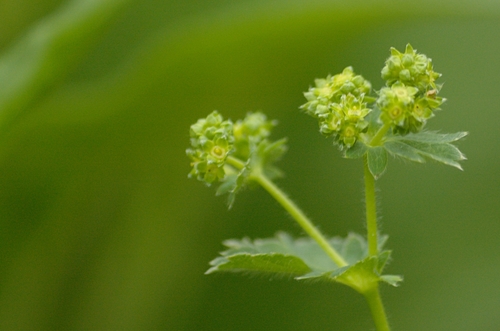
Lady's mantle
Alchemilla vulgaris
Leaf powder is used for burns in the Taza region of Morocco, according to an ethnobotanical survey cited in a 2025 review.
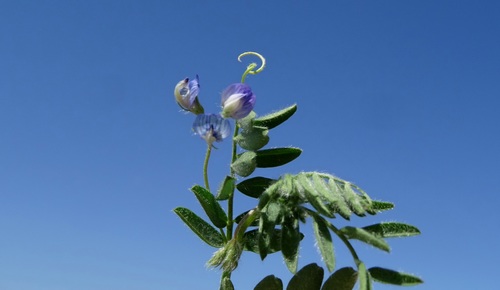
Lentil
Vicia lens
Pliny records parboiled, sieved lentil meal with a little honey as a dressing for burns, and lentil poultices for abscesses and sores. Not clinically tested.
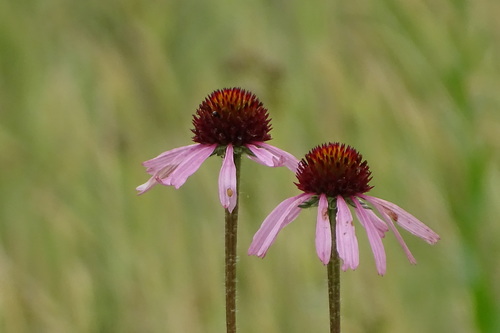
Narrow-leaved coneflower
Echinacea angustifolia
Dakota, Omaha and Pawnee people washed burns with the plant juice to ease the pain.
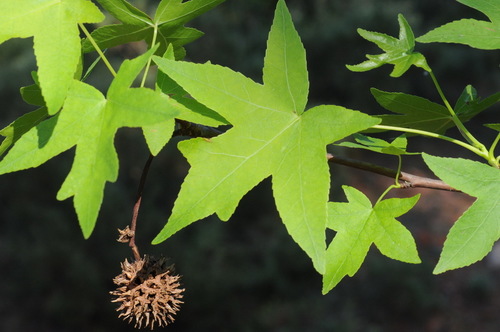
Oriental sweetgum
Liquidambar orientalis
Part of the same Turkish folk use; not tested clinically.
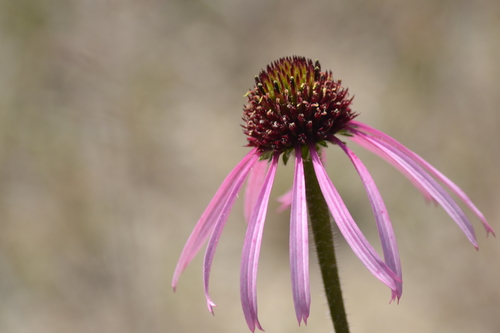
Pale purple coneflower
Echinacea pallida
Cheyenne and Sioux used a root decoction as a wash or dressing for burns; Dakota applied a root poultice to inflamed skin.

Papaya
Carica papaya
Mashed ripe fruit pulp has been used as a burns dressing in a paediatric unit in The Gambia to remove dead tissue before grafting; this is a descriptive report, not a controlled trial.

Purple gromwell
Lithospermum erythrorhizon
Used for centuries in Chinese medicine for burns, and Shiunkō is a Japanese topical medicine for burns and dermatitis.
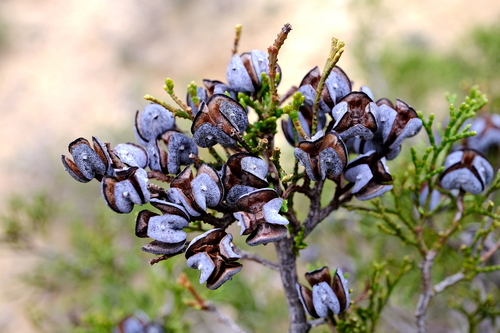
Sandarac tree
Tetraclinis articulata
Powdered leaves are sprinkled straight onto burns in Moroccan practice, and a paste with honey and alum is applied to burns and skin problems.
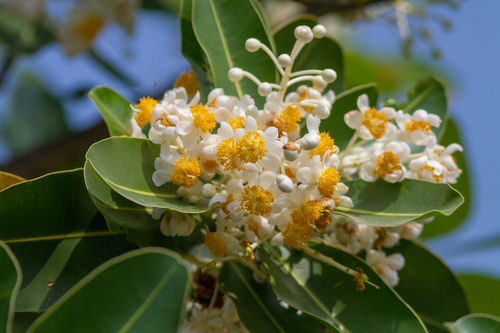
Tamanu
Calophyllum inophyllum
The oil is used across French Polynesia for burns and sunburn.
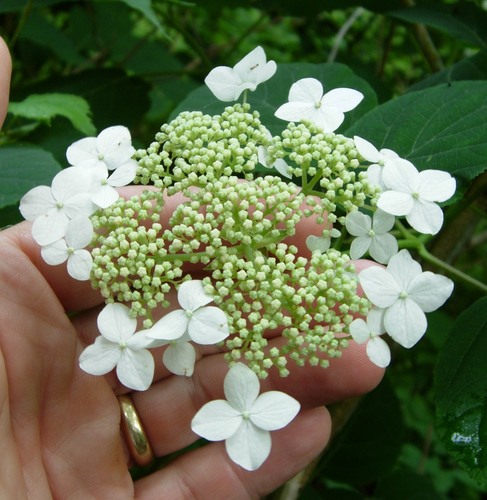
Wild hydrangea
Hydrangea arborescens
The Cherokee applied a poultice of scraped bark to burns and to 'risings' (boils), and used the plant for ulcers.
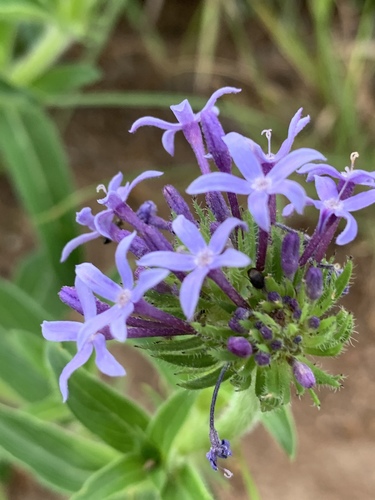
Wild verbena
Pentanisia prunelloides
Pounded roots are applied to burns. No experimental burn studies were found.