 NL·0041
Herbarium of the Nature Library
- Name
- Carnegiea gigantea
- Family
- Cactaceae
- Native to
- Sonoran Desert of Arizona, south-eastern California and Sonora, Mexico
- Habitat
- Hot desert
Saguaro
Carnegiea gigantea
Also calledHaashañ (Tohono O'odham) · Sahuaro (Mexican Spanish) · Giant cactus (English) · 巨人柱 jùrénzhù (Chinese)
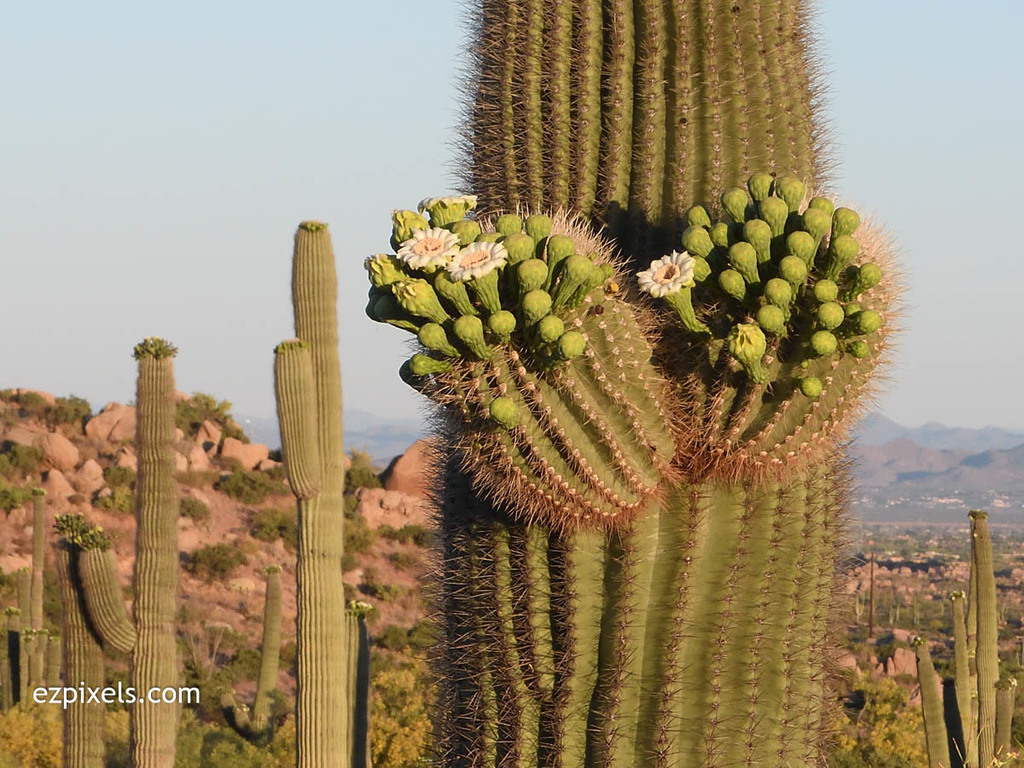
The giant cactus of the Sonoran Desert, which can grow taller than 12 m, live for around 150–200 years and weigh several tonnes when full of water. It may take 50–100 years to grow its first arm. Its pleats swell like an accordion after rain.
The saguaro is a tree-like cactus species in the monotypic genus Carnegiea that can grow to be over 12 meters tall. It is native to the Sonoran Desert in Arizona, the Mexican state of Sonora, and the Whipple Mountains and Imperial County areas of California. Saguaro typically grow at elevations ranging from sea level to 4,500 feet (1,400 m), although they may be found at up to 5,000 feet (1,500 m). The saguaro blossom is the state wildflower of Arizona. Its scientific name is given in honor of Andrew Carnegie. In 1933, Saguaro National Park, near Tucson, Arizona, was designated to help protect this species and its habitat. Wikipedia
What it can do
- iExpands its pleated stem to store hundreds of litres of water after rain
- iiOpens night-blooming flowers pollinated by lesser long-nosed bats, then birds and bees by day
- iiiIts hollows, carved by Gila woodpeckers and gilded flickers, house owls, martins and other birds
- ivFeeds desert animals in early summer, when its fruit ripens and little else is available
At the table
Eatenfruit pulp · seeds
Ripe fruit is eaten fresh, dried, or boiled into syrup and jam. Harvesting from wild plants on protected land requires permission.
Fruit & seed


Fruit
Berry
Ripens: June–July
Green fruits split to reveal red pulp packed with tiny black seeds.
Seed
~1.5 mm
Tiny glossy black seeds
- Dispersal
- Birds, bats and mammals
- Germination
- Surface-sow on gritty mix, warm and humid; seedlings need shade
Photographs from Wikimedia Commons under open licences; hover for the photographer, click for the file.
How to grow it
Hardiness (USDA zones)
USDA 9–11. Survives winters down to about -7 °C.
- Light
- Full sun (shade for seedlings)
- Water
- Very low
- Soil
- Gritty, rocky, perfectly drained
- Propagation
- Seed
- To harvest
- Flowers at around 35–70 years
- Climates
- Arid
- 1Surface-sow seed under a clear cover and keep warm and lightly moist
- 2Shade seedlings, as wild ones grow under 'nurse' trees like palo verde
- 3Water sparingly; protect from frost
- 4Buy only nursery-grown plants: removing wild saguaros is illegal in Arizona
Can it grow where you are?
Where it lives
Recorded sightings
—
geo-referenced records in GBIF, from museums, herbaria and field observers.
Native range
Sonoran Desert of Arizona, south-eastern California and Sonora, Mexico
Drag the globe to turn it. Dots are where records exist, not a range map; darker means more records.
In the stacks
Searching the stacks…
Every page naming Carnegiea gigantea in the Biodiversity Heritage Library →
Marginalia
For the Tohono O'odham the saguaro harvest (bahidaj) in early summer begins the new year, and fermented saguaro wine is used in a rain ceremony to call the monsoon. The saguaro blossom is Arizona's state flower.
Curiosity
Saguaro seedlings may grow only a few centimetres in their first decade.
Kinship

Photographs: iNaturalist contributors under the licences shown. Records: GBIF.org. Historical plates: Source Library (CC BY-SA 4.0; originals public domain). Summary text: Nature Library editors and Wikipedia (CC BY-SA). Medicinal and edibility notes are historical and educational, not advice. iNaturalist taxon 54449.