 NL·0149
Herbarium of the Nature Library
- Name
- Citrus × aurantium
- Family
- Rutaceae
- Native to
- Hybrid origin in southern China and north-east India; cultivated throughout the tropics, subtropics and Mediterranean
- Habitat
- Subtropical orchards, Mediterranean lowlands
Sweet orange
Citrus × aurantium
Also calledCitrus × sinensis (synonym) · Santra / Narangi (Hindi/Urdu) · Burtuqāl (Arabic) · Portakal (Turkish) · Chéngzi (Chinese) · Naranja (Spanish) · Laranja (Portuguese)
The sweet orange is an ancient hybrid of pomelo and mandarin that arose in southern China; iNaturalist now groups it with bitter and other oranges under Citrus × aurantium. It is the world's most-grown citrus, its highly scented blossom (orange blossom, neroli) as valued as its fruit.
The bitter orange, sour orange, Seville orange, bigarade orange, or marmalade orange is the hybrid citrus tree species Citrus × aurantium, and its fruit. It is native to Southeast Asia and has been spread by humans to many parts of the world. It is a cross between the pomelo, Citrus maxima, and the wild type mandarin orange, Citrus reticulata. The bitter orange is used to make essential oil, used in foods, drinks, and pharmaceuticals. The Seville orange is prized for making British orange marmalade. Wikipedia
What it can do
- iMany seeds are polyembryonic and produce clones of the mother tree via nucellar embryos
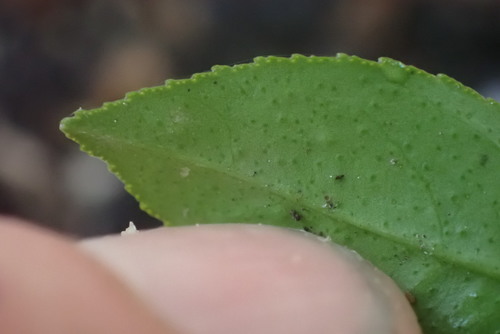
- iiPeel is studded with oil glands full of limonene, which repels many insects
- iiiFruit can hang ripe on the tree for months without spoiling, 'storing' itself
- ivBlossom nectar yields a prized single-flower honey
At the table
Eatenfruit (fresh, juiced) · peel (zest, candied, marmalade) · flowers (orange-blossom water)
Fruit, juice, peel and blossom water are widely eaten. Essential oil is concentrated and not for internal use.
In the medicine cabinet
| Tradition | Use |
|---|---|
| Traditional Chinese Medicine | Dried citrus peel (chén pí, mainly of mandarin) to regulate qi, aid digestion and resolve phlegm |
| Naval medicine (18th century) | Oranges and lemons as a cure for scurvy, shown in James Lind's 1747 trial |
| Persian / Arab perfumery and medicine | Orange-blossom water as a calming tonic |
Weight of evidence
Strong. An approved drug, or consistent results in well-run clinical trials.
Active compounds
vitamin C (ascorbic acid), hesperidin, limonene, naringenin
Fruit & seed


Fruit
Hesperidium (modified berry)
Ripens: Winter to spring (Northern Hemisphere); 'Valencia' into summer
Round fruit 6–10 cm, with an oil-dotted orange rind, a white spongy pith (albedo) and 10–13 juicy segments filled with tiny juice vesicles.
Seed
8–12 mm
Pale cream to whitish, ovoid to wedge-shaped seeds with a pointed end and wrinkled surface, about 8–12 mm long; seedless navel and 'Valencia' types have few or none
- Dispersal
- Animals and humans
- Germination
- Sow fresh, never dried, 1 cm deep at 25–30 °C; sprouts in 2–4 weeks. Often several shoots per seed
Photographs from Wikimedia Commons under open licences; hover for the photographer, click for the file.
How to grow it
Hardiness (USDA zones)
USDA 9–11 (damaged below about −4 °C). Survives winters down to about -7 °C.
- Light
- Full sun
- Water
- Moderate; deep regular watering, never waterlogged
- Soil
- Sandy loam, well-drained, pH 6–7.5
- Propagation
- Budding onto rootstocks such as trifoliate orange or 'Carrizo' citrange; seed for rootstocks
- To harvest
- 3–4 years from a budded tree; fruit takes 7–12 months from flower to ripe
- Climates
- Subtropical, Mediterranean, Tropical highlands
- 1Buy a budded tree on a rootstock suited to your soil and cold (trifoliate for cold, 'Swingle' for sandy soils).
- 2Plant with the bud union well above soil in full sun, sheltered from cold wind; in pots use a fast-draining citrus mix.
- 3Water deeply when the top 5 cm of soil is dry; feed with a citrus fertiliser containing iron, zinc and manganese in spring and summer.
- 4Remove any shoots from the rootstock below the graft; prune only to shape and remove dead wood.
- 5Taste-test before picking — colour is not a reliable sign of ripeness, and fruit stores well on the tree.
Can it grow where you are?
Where it lives
Recorded sightings
—
geo-referenced records in GBIF, from museums, herbaria and field observers.
Native range
Hybrid origin in southern China and north-east India; cultivated throughout the tropics, subtropics and Mediterranean
Drag the globe to turn it. Dots are where records exist, not a range map; darker means more records.
In the old herbals & bestiaries
Woodcuts and engravings matched from the Source Library’s scanned books by name. Plates marked “relative” show a close kin rather than this exact species. Click a plate to read the page it came from, with translation.

Commentaries on the Six Books of Dioscorides on Medical Matter
Pietro Andrea Mattioli · 1563 · p.254

History of Rare Plants
Carolus Clusius · 1601 · p.19

Rariorum Plantarum Historia (with Fungorum Historia)
Carolus Clusius · 1601 · p.25

Elements of Botany
Joseph Pitton de Tournefort · 1719 · p.144

Elements of Botany
Joseph Pitton de Tournefort · 1719 · p.145
In the stacks
Searching the stacks…
Every page naming Citrus × aurantium in the Biodiversity Heritage Library →
Marginalia
Portuguese traders brought improved sweet oranges from Asia in the 16th century, which is why the fruit is called 'portokali' in Greek and 'burtuqāl' in Arabic. The Versailles orangery built for Louis XIV still houses over 1,000 potted citrus and other trees, wheeled outside each summer.
Curiosity
In tropical climates without cool nights, ripe oranges stay green outside — the orange colour develops only when temperatures drop.
Kinship




Fact-checked: 1 correction made to this sheet. Photographs: iNaturalist contributors under the licences shown. Records: GBIF.org. Historical plates: Source Library (CC BY-SA 4.0; originals public domain). Summary text: Nature Library editors and Wikipedia (CC BY-SA). Medicinal and edibility notes are historical and educational, not advice. iNaturalist taxon 331122.