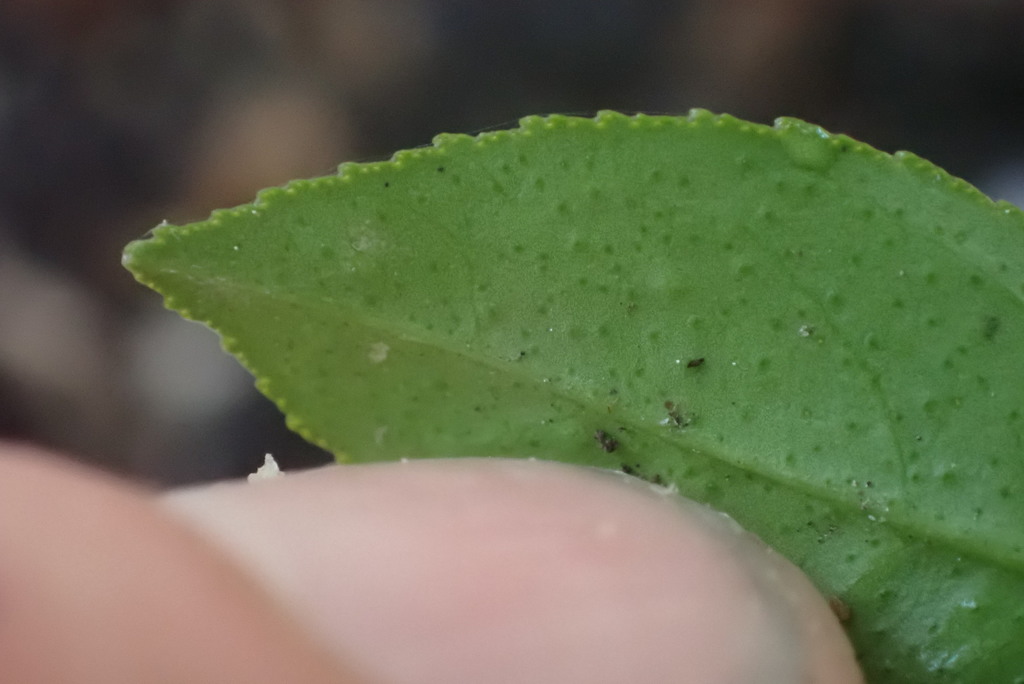
 NL·0150
Herbarium of the Nature Library
- Name
- Citrus × limon
- Family
- Rutaceae
- Native to
- Hybrid origin in north-east India, northern Myanmar or south China; cultivated in the subtropics and Mediterranean worldwide
- Habitat
- Subtropical orchards, Mediterranean coasts
Lemon
Citrus × limon
Also calledNimbu (Hindi/Urdu) · Laymūn (Arabic) · Limu (Persian) · Níngméng (Chinese) · Limón (Spanish) · Limau (Malay) · Jambīra (Sanskrit)
The lemon is a hybrid of citron and bitter orange that arose in north-east India or Burma and travelled west with Arab traders. Unlike most citrus, it flowers and fruits almost year-round, carrying blossom and ripe fruit at once.
The lemon is a species of small evergreen tree in the Citrus genus of the flowering plant family Rutaceae. A true lemon is a hybrid of the citron and the bitter orange. Its origins are uncertain, but some evidence suggests lemons originated during the 1st millennium BC in what is now northeastern India. Some other citrus fruits are called lemon. Wikipedia
What it can do
- iFlowers repeatedly through the year ('everbearing') in mild climates
- iiJuice is about 5–6% citric acid, with a pH near 2.2
- iiiPeel oil glands release limonene and citral, deterring insects
- ivThorny shoots protect young growth from browsing
At the table
Eatenjuice · zest and peel (fresh, candied, preserved in salt) · leaves (as wrapping and flavouring)
Juice and peel are widely used. The acid erodes tooth enamel with frequent neat use.
In the medicine cabinet
| Tradition | Use |
|---|---|
| Royal Navy | Lemon juice issued to sailors against scurvy from 1795 |
| Ayurveda | Nimbu with warm water and salt as a digestive and for nausea |
| European folk medicine | Hot lemon and honey for colds and sore throats |
Weight of evidence
Strong. An approved drug, or consistent results in well-run clinical trials.
Active compounds
citric acid, vitamin C, limonene, citral, eriocitrin
Fruit & seed


Fruit
Hesperidium
Ripens: Year-round, main crop winter
Oval fruit 7–12 cm with a nipple-like tip; bright yellow, oil-dotted rind and pale-yellow, very sour segments.
Seed
8–10 mm
Smooth, pale cream to whitish, pointed-oval seeds about 8–10 mm long, slightly flattened
- Dispersal
- Animals and humans
- Germination
- Sow fresh 1 cm deep at 22–28 °C; sprouts in 2–3 weeks. Seedlings take 5–10 years to fruit
Photographs from Wikimedia Commons under open licences; hover for the photographer, click for the file.
How to grow it
Hardiness (USDA zones)
USDA 9–11 ('Meyer' to about 8b with protection). Survives winters down to about -7 °C.
- Light
- Full sun
- Water
- Moderate; keep evenly moist, never soggy
- Soil
- Well-drained loam or sandy soil, pH 5.5–7
- Propagation
- Budding or grafting onto rootstock; lemons also root from semi-hardwood cuttings
- To harvest
- 2–3 years from a grafted tree; fruit 6–9 months from flower
- Climates
- Mediterranean, Subtropical
- 1Choose a variety for your climate: 'Eureka' or 'Lisbon' for warm zones, 'Meyer' for pots and cooler areas.
- 2Plant in full sun in very well-drained soil; in pots, use a 40–50 cm container with gritty mix and move indoors below 0 °C.
- 3Water when the top few cm dry out and feed monthly in the growing season with a citrus fertiliser.
- 4Pinch out water shoots and rootstock suckers; prune lightly after the main harvest.
- 5Pick when fully yellow and slightly glossy; lemons store on the tree for weeks.
Can it grow where you are?
Where it lives
Recorded sightings
—
geo-referenced records in GBIF, from museums, herbaria and field observers.
Native range
Hybrid origin in north-east India, northern Myanmar or south China; cultivated in the subtropics and Mediterranean worldwide
Drag the globe to turn it. Dots are where records exist, not a range map; darker means more records.
In the old herbals & bestiaries
Woodcuts and engravings matched from the Source Library’s scanned books by name. Plates marked “relative” show a close kin rather than this exact species. Click a plate to read the page it came from, with translation.

Metamorphosis Insectorum Surinamensium
Maria Sibylla Merian · 1705 · p.60

Hortus Eystettensis
Basilius Besler · 1640 · p.367

Herbal of Virtues
1499 · p.179

Commentaries on the Six Books of Pedanius Dioscorides on Medical Matter
Pietro Andrea Mattioli · 1565 · p.998

The Anatomy of Plants (Vol. 2)
Nehemiah Grew · 1682 · p.528

Latin Herbal with German Synonyms
1484 · p.207

Herbarius latinus (with Dutch synonyms)
1486 · p.177

Latin Herbal with German Synonyms
1486 · p.180

The Great Herbary with all the figures of the herbs
1532 · p.202

Notable Commentaries on the History of Plants
Leonhart Fuchs · 1542 · p.532
In the stacks
Searching the stacks…
Every page naming Citrus × limon in the Biodiversity Heritage Library →
Marginalia
Arab agronomists such as Ibn al-Awwam described lemon cultivation in Andalusia in the 12th century, and Genoese ships carried lemons across the Mediterranean. Preserved lemons remain a cornerstone of Moroccan cuisine.
Curiosity
A 1747 experiment by naval surgeon James Lind, giving scurvy-stricken sailors oranges and lemons, is often called one of the first controlled clinical trials.
Kinship


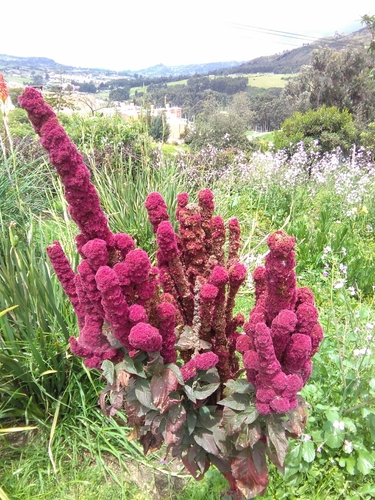
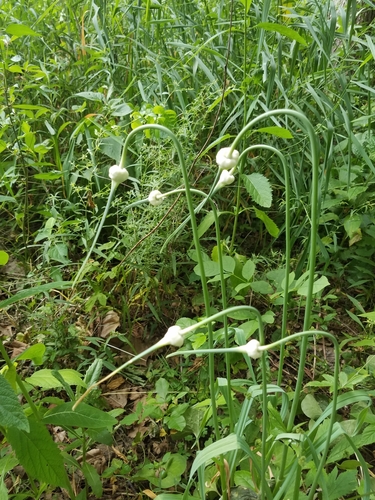


Photographs: iNaturalist contributors under the licences shown. Records: GBIF.org. Historical plates: Source Library (CC BY-SA 4.0; originals public domain). Summary text: Nature Library editors and Wikipedia (CC BY-SA). Medicinal and edibility notes are historical and educational, not advice. iNaturalist taxon 331124.