 NL·0057
Herbarium of the Nature Library
- Name
- Hippomane mancinella
- Family
- Euphorbiaceae
- Native to
- Southern Florida, the Caribbean, the Bahamas, Central America and northern South America
- Habitat
- Coastal strand, Mangrove edges, Beaches
Manchineel
Hippomane mancinella
Also calledManzanilla de la muerte ('little apple of death', Spanish) · Mancenillier (French Caribbean) · Beach apple (English) · Poison guava (English) · Manzanillo (Spanish)
Often called the most dangerous tree in the world. Its small green apple-like fruits burn the mouth and throat, its milky sap blisters skin, and sheltering under it during rain can cause burns as sap is washed off the leaves. It still does important work holding Caribbean beaches together.
The manchineel tree, also known as the tree of death, is a species of flowering plant in the spurge family (Euphorbiaceae). Its native range stretches from tropical southern North America to northern South America. Wikipedia
What it can do
- iIts latex contains phorbol esters that cause severe blistering of skin and eyes
- iiStabilises sandy beaches and dunes with dense roots and windbreak crowns
- iiiTolerates salt spray, storms and nutrient-poor sand
- ivFruits float, spreading the tree along coasts by sea
At the table
All parts are toxic. Eating the sweet-smelling fruit causes intense burning, blistering and swelling of the mouth and throat, vomiting and bloody diarrhoea; historical accounts describe deaths, though modern documented fatalities are rare. Sap causes blistering dermatitis and can cause temporary blindness; rain dripping from the leaves and smoke from burning wood are also harmful. Lookalike: crab apples or guava. Trees are often marked with red bands or warning signs.
Fruit & seed

Fruit
Drupe
Ripens: Much of the year
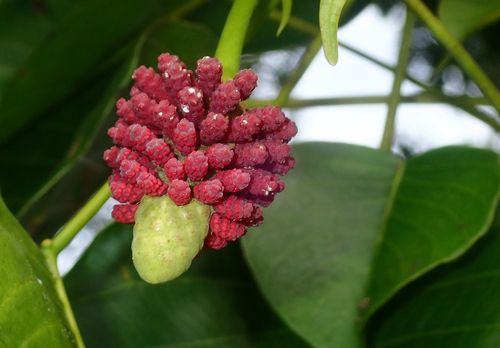
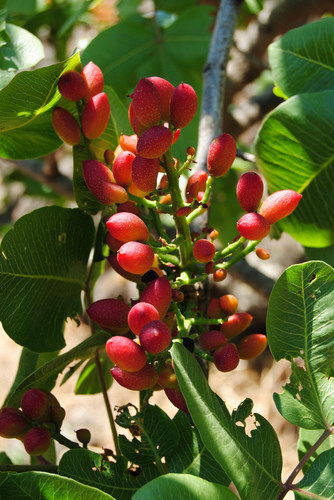
Small green to yellowish fruits like crab apples, with a pleasant smell.
Seed
~1.5 cm
Hard stone with several seeds
- Dispersal
- Sea currents; land crabs
- Germination
- Not for cultivation
Photographs from Wikimedia Commons under open licences; hover for the photographer, click for the file.
Where it lives
Recorded sightings
—
geo-referenced records in GBIF, from museums, herbaria and field observers.
Native range
Southern Florida, the Caribbean, the Bahamas, Central America and northern South America
Drag the globe to turn it. Dots are where records exist, not a range map; darker means more records.
In the old herbals & bestiaries
Woodcuts and engravings matched from the Source Library’s scanned books by name. Plates marked “relative” show a close kin rather than this exact species. Click a plate to read the page it came from, with translation.


In the stacks
Searching the stacks…
Every page naming Hippomane mancinella in the Biodiversity Heritage Library →
Marginalia
The Spanish called it 'manzanilla de la muerte', and Caribbean peoples reportedly used its sap on arrows; legend says Juan Ponce de León died in 1521 after being wounded by such an arrow in Florida.
Curiosity
Some animals are unaffected: the black spiny-tailed iguana (Ctenosaura similis) eats the fruit and even lives among the branches.
Kinship



Photographs: iNaturalist contributors under the licences shown. Records: GBIF.org. Historical plates: Source Library (CC BY-SA 4.0; originals public domain). Summary text: Nature Library editors and Wikipedia (CC BY-SA). Medicinal and edibility notes are historical and educational, not advice. iNaturalist taxon 62849.