 NL·0065
Herbarium of the Nature Library
- Name
- Indigofera tinctoria
- Family
- Fabaceae
- Native to
- Uncertain due to ancient cultivation; probably tropical Asia or Africa; grown across the tropics
- Habitat
- Tropical dry grassland, Farmland
True indigo
Indigofera tinctoria
Also calledNeel (Hindi/Urdu) · Nili (Sanskrit) · Nila (Tamil) · Nīl (Arabic/Persian) · Mùlán 木蓝 (Chinese) · Tarum (Malay/Indonesian) · Indigotier (French) · Anil (Portuguese, from Arabic an-nīl)
The source of indigo, the dye of blue jeans and once one of the world's most valuable trade goods. The leaves are green; the blue appears only when they are fermented in water and the liquid is beaten with air, turning the colourless indican into insoluble blue indigotin.
Indigofera tinctoria, also called true indigo, is a species of plant from the bean family that was one of the original sources of indigo dye. Wikipedia
What it can do
- iStores indican, a colourless glycoside, which turns into blue indigo when fermented and exposed to air
- iiFixes nitrogen in root nodules, so it was used as a soil-improving crop
- iiiRegrows after cutting, allowing several leaf harvests a year
At the table
Not eaten. Some Indigofera species (e.g. Indigofera spicata) are poisonous to livestock; I. tinctoria should not be eaten.
In the medicine cabinet
| Tradition | Use |
|---|---|
| Ayurveda | Leaves (nili) in hair oils for hair growth and greying, and for liver and skin complaints |
| Traditional Chinese medicine | Indigo pigment (qing dai, mostly from other plants) for skin and inflammatory conditions |
Weight of evidence
Traditional. Long historical use; little or no modern clinical evidence.
Active compounds
indican, indigotin, indirubin
Fruit & seed
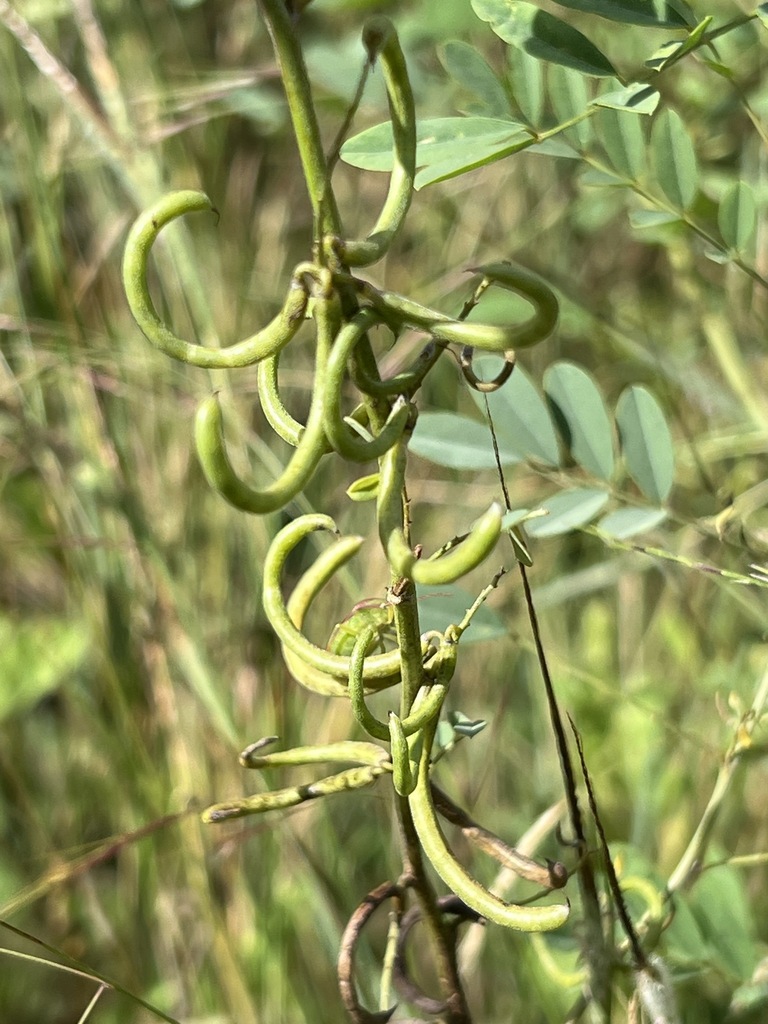
Fruit
Legume (pod)
Ripens: After flowering
Thin, straight brown pods with small seeds.
Seed
~2 mm
Small, squarish seeds
- Dispersal
- Pods shatter
- Germination
- Soak or scratch seed; sow in warmth, 1–2 weeks
How to grow it
Hardiness (USDA zones)
Tropical (USDA 10–12); annual elsewhere. Survives winters down to about -1 °C.
- Light
- Full sun
- Water
- Moderate
- Soil
- Well-drained; tolerates poor soil
- Propagation
- Seed
- To harvest
- First leaf harvest at 3–4 months
- Climates
- Tropical, Subtropical
- 1Scarify and soak seed, then sow in warm soil
- 2Grow in full sun with moderate water
- 3Cut leafy stems just before flowering
- 4Steep leaves in water for 12–24 hours, add lime, then beat in air until it turns blue
Can it grow where you are?
Where it lives
Recorded sightings
—
geo-referenced records in GBIF, from museums, herbaria and field observers.
Native range
Uncertain due to ancient cultivation; probably tropical Asia or Africa; grown across the tropics
Drag the globe to turn it. Dots are where records exist, not a range map; darker means more records.
In the old herbals & bestiaries
Woodcuts and engravings matched from the Source Library’s scanned books by name. Plates marked “relative” show a close kin rather than this exact species. Click a plate to read the page it came from, with translation.

Compendium of Materia Medica
李時珍 · 1596 · p.51

Hortus Eystettensis
Basilius Besler · 1640 · p.351

Medical and Philosophical Garden
Joachim Camerarius · 1588 · p.376

Hortus Eystettensis
Basilius Besler · 1640 · p.350

De Indiae utriusque re naturali et medica
Willem Piso · 1658 · p.553

Illustrated Compendium of Materia Medica (Vol. 33)
吳其濬 · 1848 · p.73

Commentaries on the Six Books of Dioscorides
Pietro Andrea Mattioli · 1560 · p.127

Commentaries on the Six Books of Pedanius Dioscorides on Medical Matter
Pietro Andrea Mattioli · 1565 · p.579

Commentaries on the Six Books of Pedanius Dioscorides on Medical Matter
Pietro Andrea Mattioli · 1565 · p.748

Florum et coronariarum historia
Rembert Dodoens · 1568 · p.308
In the stacks
Searching the stacks…
Every page naming Indigofera tinctoria in the Biodiversity Heritage Library →
Marginalia
The Greeks called the dye 'indikon', 'from India'. The Bengal Indigo Revolt of 1859 and the play Nil Darpan (1860) protested forced indigo growing, and Gandhi's first satyagraha in India, at Champaran in 1917, defended indigo farmers.
Curiosity
Adolf von Baeyer worked out indigo's structure and synthesis by 1883, and BASF's synthetic indigo from 1897 destroyed the plant indigo trade within a few decades.
Kinship

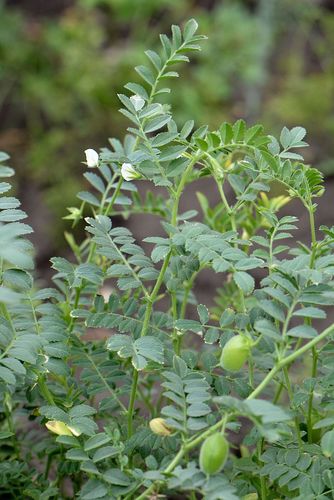
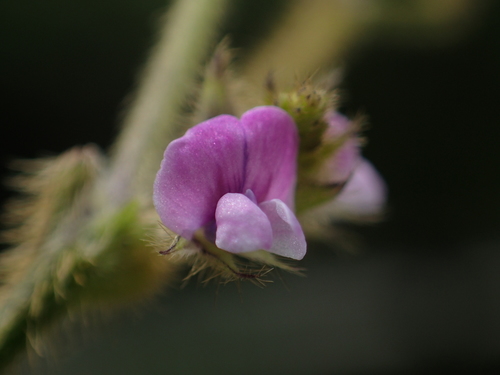
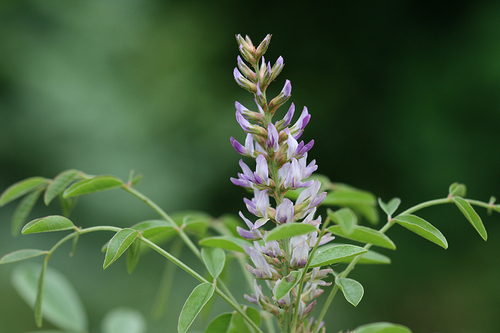
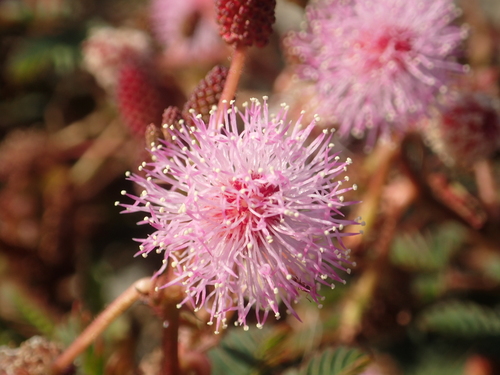

Photographs: iNaturalist contributors under the licences shown. Records: GBIF.org. Historical plates: Source Library (CC BY-SA 4.0; originals public domain). Summary text: Nature Library editors and Wikipedia (CC BY-SA). Medicinal and edibility notes are historical and educational, not advice. iNaturalist taxon 164065.