 NL·0067
Herbarium of the Nature Library
- Name
- Senna alexandrina
- Family
- Fabaceae
- Native to
- North-east Africa (Egypt, Sudan, Somalia), the Arabian Peninsula and across to Pakistan and India
- Habitat
- Desert, Arid scrub, Wadis
Senna
Senna alexandrina
Also calledSanā Makkī (Urdu/Unani, 'Mecca senna') · Sanā سنا (Arabic) · Markandika / Swarnapatri (Sanskrit) · Tinnevelly senna (English, Indian crop) · Fān xiè yè 番泻叶 (Chinese)
A small yellow-flowered desert shrub whose leaves and pods are among the world's most used laxatives. It was introduced to medicine by medieval Arab physicians and still sold in pharmacies everywhere.
Senna alexandrina is an ornamental plant in the genus Senna. It is used in herbalism. It grows natively in upper Egypt, especially in the Nubian region, and near Khartoum (Sudan), where it is cultivated commercially. It is also grown elsewhere, notably in India and Somalia. Wikipedia
What it can do
- iContains sennosides, inactive 'prodrugs' that gut bacteria convert into rhein anthrone in the colon
- iiSurvives extreme heat and drought in desert wadis
- iiiFlat pods carry the seeds on the wind
At the table
Not a food. Leaves and pods are used only as a laxative medicine.
In the medicine cabinet
| Tradition | Use |
|---|---|
| Unani | Sana makki as a purgative of black bile and phlegm, in compounds for skin disease, joint pain and melancholy |
| Ayurveda | Leaves as a purgative (virechana) and for constipation |
| Traditional Chinese Medicine | Fanxieye (introduced from abroad) to purge heat accumulation and relieve constipation |
| Modern medicine | Standardised sennoside tablets as an over-the-counter stimulant laxative and for bowel preparation |
Weight of evidence
Strong. An approved drug, or consistent results in well-run clinical trials.
Active compounds
sennoside A, sennoside B, rhein, aloe-emodin, kaempferol
Fruit & seed
Fruit
Legume (pod)
Ripens: Variable; after rains
Flat, papery, oblong pod 4–6 cm, greenish-brown, with 5–7 seeds.
Seed
~5–7 mm
Flat, heart-shaped, greyish-green seeds
- Dispersal
- Wind (papery pods) and water
- Germination
- Scarify or soak; 1–2 weeks at 25–30 °C
How to grow it
Hardiness (USDA zones)
USDA 9–12. Survives winters down to about -7 °C.
- Light
- Full sun
- Water
- Low
- Soil
- Sandy, well-drained; tolerates poor soil
- Propagation
- Seed
- To harvest
- Leaves at 2–3 months; pods later
- Climates
- Arid, Semi-arid, Tropical dry
- 1Soak seed overnight and sow in warm, sandy soil
- 2Thin to 30–45 cm and water sparingly
- 3Strip leaflets before flowering and pick pods as they mature
- 4Dry in shade to keep the colour
Can it grow where you are?
Where it lives
Recorded sightings
—
geo-referenced records in GBIF, from museums, herbaria and field observers.
Native range
North-east Africa (Egypt, Sudan, Somalia), the Arabian Peninsula and across to Pakistan and India
Drag the globe to turn it. Dots are where records exist, not a range map; darker means more records.
In the old herbals & bestiaries
Woodcuts and engravings matched from the Source Library’s scanned books by name. Plates marked “relative” show a close kin rather than this exact species. Click a plate to read the page it came from, with translation.

Introductio Generalis in Rem Herbariam
Augustus Quirinus Rivinus · 1690 · p.525

Commentaries on the Six Books of Pedanius Dioscorides on Medical Matter
Pietro Andrea Mattioli · 1565 · p.954

Elements of Botany
Joseph Pitton de Tournefort · 1719 · p.141

The Great Herbary with all the figures of the herbs
1532 · p.295

Notable Commentaries on the History of Plants
Leonhart Fuchs · 1542 · p.481

Book of Herbs
Hieronymus Bock (Tragus) · 1546 · p.769

Notable Commentaries on the History of Plants
Leonhart Fuchs · 1549 · p.478

Notable Commentaries on the History of Plants
Leonhart Fuchs · 1549 · p.479

On the Names of Plants
Hieronymus Bock (Tragus) · 1552 · p.1036

Commentaries on the Six Books of Dioscorides
Pietro Andrea Mattioli · 1560 · p.570
In the stacks
Searching the stacks…
Every page naming Senna alexandrina in the Biodiversity Heritage Library →
Marginalia
Medieval Arab physicians brought senna into medicine; the word comes from Arabic sanā. 'Alexandrian senna' was named after the Egyptian port it was shipped from, and 'Tinnevelly senna' after the district in Tamil Nadu where it was later grown.
Curiosity
Senna leaf does nothing until it reaches the colon, where gut bacteria break the sennosides into the active laxative compound.
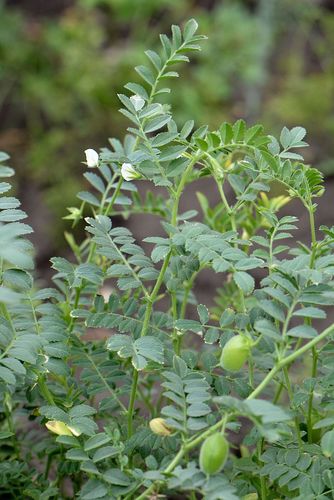
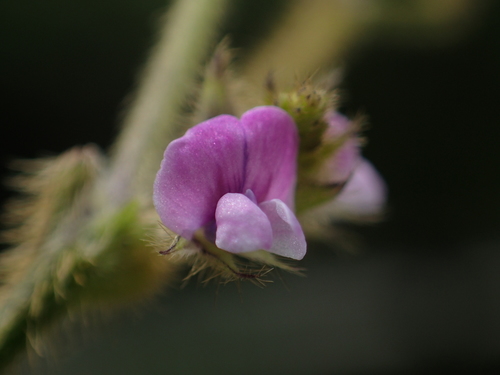
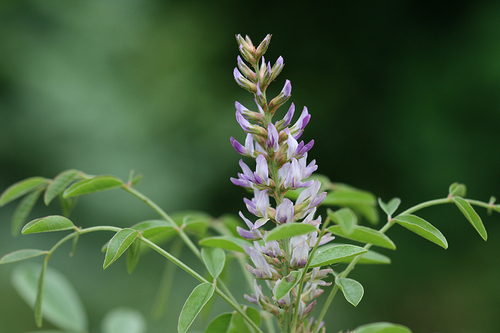
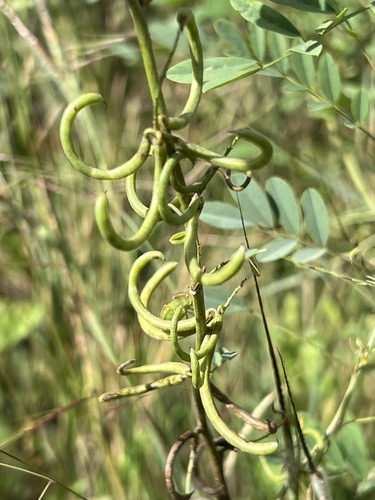
Kinship

Photographs: iNaturalist contributors under the licences shown. Records: GBIF.org. Historical plates: Source Library (CC BY-SA 4.0; originals public domain). Summary text: Nature Library editors and Wikipedia (CC BY-SA). Medicinal and edibility notes are historical and educational, not advice. iNaturalist taxon 52349.