 NL·0088
Herbarium of the Nature Library
- Name
- Linum usitatissimum
- Family
- Linaceae
- Native to
- Domesticated in the Fertile Crescent from wild Linum bienne; cultivated worldwide
- Habitat
- Farmland, Temperate grassland
Flax (Linseed)
Linum usitatissimum
Also calledAlsi (Hindi/Urdu) · Atasi / Uma (Sanskrit) · Kattan (Arabic) · Yàmá 亚麻 (Chinese) · Lino (Spanish/Italian) · Lin (French) · Talba (Amharic)
One of humanity's first crops, giving both linen and linseed oil. Its bast fibres are among the strongest plant fibres, and dyed wild flax fibres from a cave in Georgia are about 30,000 years old. The seeds are rich in omega-3 fatty acids and fibre.
Flax, also known as common flax or line, is a flowering plant, Linum usitatissimum, in the family Linaceae. It is cultivated as a food and fiber crop in regions of the world with temperate climates. Wikipedia
What it can do
- iProduces long, strong bast fibres used for linen, rope and fine paper
- iiIts seeds are rich in α-linolenic acid (an omega-3) and lignans
- iiiIts oil dries to a tough film, the basis of oil paints, putty and linoleum
- ivIts seed coat makes mucilage when wet, which swells to many times its volume
At the table
Eatenseeds (whole, ground) · seed oil
Seeds are widely eaten. They contain cyanogenic glycosides (linamarin); normal amounts are safe, but very large quantities of raw or unripe seed should be avoided. Drink plenty of water with ground seed, since it swells. Linseed oil sold for wood finishing is not food-grade.
In the medicine cabinet
| Tradition | Use |
|---|---|
| European herbal medicine (Commission E) | Whole or cracked seed as a bulk laxative; poultices for skin inflammation |
| Ayurveda | Seeds (atasi) for cough, constipation and skin conditions |
| Modern nutrition research | Ground flaxseed studied for lowering blood pressure and cholesterol |
Weight of evidence
Moderate. Some clinical trials with promising but limited or mixed results.
Active compounds
α-linolenic acid, secoisolariciresinol diglucoside (lignan), mucilage, linamarin
Fruit & seed

Fruit
Capsule (boll)
Ripens: Late summer
Round capsules with ten shiny seeds.


Seed
~4–6 mm
Flat, glossy brown or golden seeds
- Dispersal
- Capsules mostly stay closed on modern cultivars; harvested by people
- Germination
- Sow 1–2 cm deep in cool spring soil; 5–10 days
Photographs from Wikimedia Commons under open licences; hover for the photographer, click for the file.
How to grow it
Hardiness (USDA zones)
Annual; USDA 4–10. Survives winters down to about -34 °C.
- Light
- Full sun
- Water
- Low–moderate
- Soil
- Light, well-drained, not over-rich
- Propagation
- Seed
- To harvest
- Fibre at ~90 days; seed at ~100–120 days
- Climates
- Temperate, Continental, Mediterranean
- 1Broadcast seed thickly in early spring
- 2Keep weeded in the first weeks
- 3For fibre, pull whole plants when lower stems yellow, and rett them in dew or water
- 4For seed, harvest when capsules are brown and rattle
Can it grow where you are?
Where it lives
Recorded sightings
—
geo-referenced records in GBIF, from museums, herbaria and field observers.
Native range
Domesticated in the Fertile Crescent from wild Linum bienne; cultivated worldwide
Drag the globe to turn it. Dots are where records exist, not a range map; darker means more records.
In Gerard's Herball, 1597

Second Booke · Chap. 157 · p. 444 · read the page →
Of Garden Flaxe.
John Gerard, The Herball, or Generall Historie of Plantes, London, 1597. What England's best-known herbal said of flax (linseed), in its own spelling.
- The vertues
- Galen in his first booke of the faculties of nourishments saith, that diuers vse the seede hereof parched as a sustenance with Garum, no otherwise then made salt. They also vse it mixed with honie; some likewise put it among bread, but it is hurtfull to the stomacke, and is hard of digestion, and yeeldeth to the bodie but little nourishment: but touching the qualities which maketh the belly soluble, neither wil I praise or dispraise it; yet that hath it some force to prouoke vrine, is more apparant when it is parched: but then it also staieth the belly more. The same author in his bookes of the faculties of simple medicines saith, that Lineseede being eaten is windie although it be parched, so full is it of superfluous moisture: and it is also after a sort hot in the first degree, and in a meane betweene moist and drie.
- The place
- It prospereth best in a fat and fruitfull soile, in moist and not drie places; for it requireth as Columella saith a very fat grounde, and somewhat moist. Some, saith Palladius, do sowe it thicke in a leane grounde, and by that meanes the flaxe groweth fine: Pliny saith that it is to be sowen in grauellie places, especially in one forrowe: Nec magis festinare aliud: and that it burneth the ground …
- The time
- Flaxe is sowen in the spring, it flowreth in Iune and Iuly. After it is cutte downe (as Plinie in his 19. booke first chapter saith) the stalks are put into the water subiect to the heate of the sunne, and some waight laide on them to be steeped ther…
- The names
- It is called both in Greeke and Latine Linon, Linum: in high Dutch Flachs: in Italian and Spanish Lino: in French Du lin: in lowe Dutch Vlas: in English Flaxe and Lyne.
Gerard wrote within Galenic humoral medicine, and his opinions, including about the peoples of the Americas and their crops, are those of 1590s London. His “vertues” are history, not advice. Transcription: Source Library (CC BY-SA 4.0). The whole chapter in the Herball Room.
In the old herbals & bestiaries
Woodcuts and engravings matched from the Source Library’s scanned books by name. Plates marked “relative” show a close kin rather than this exact species. Click a plate to read the page it came from, with translation.

The Great Herbary with all the figures of the herbs
1532 · p.195

Notable Commentaries on the History of Plants
Leonhart Fuchs · 1549 · p.503

Compendium of Materia Medica: Illustrated Volume Middle of Middle
李時珍 · 1596 · p.33

Living Images of Plants
Otto Brunfels · 1532 · p.180

History of Rare Plants Observed in Pannonia
Carolus Clusius · 1583 · p.304

History of Rare Plants Observed in Pannonia
Carolus Clusius · 1583 · p.306

Living Images of Plants
Otto Brunfels · 1532 · p.177

Ortus sanitatis
1491 · p.242

Garden of Health
Jacob Meydenbach · 1491 · p.242

Garden of Health
1507 · p.195
In the stacks
Searching the stacks…
Every page naming Linum usitatissimum in the Biodiversity Heritage Library →
Marginalia
Ancient Egyptians wrapped mummies in linen and called it 'woven moonlight'. Dzudzuana Cave in Georgia yielded dyed wild flax fibres around 30,000 years old, among the oldest known fibres used by people.
Curiosity
The species name usitatissimum means 'most useful' in Latin.
Kinship

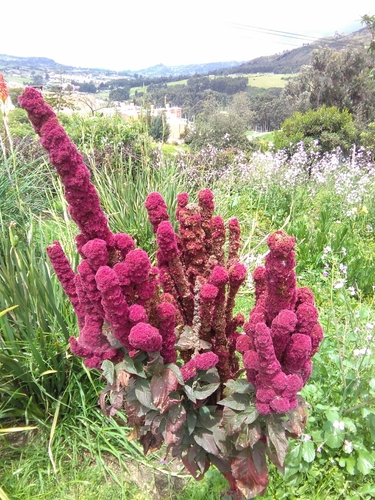
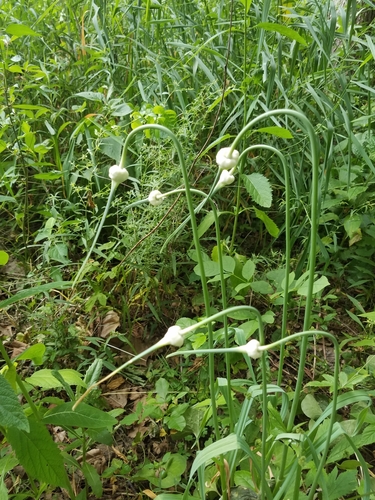


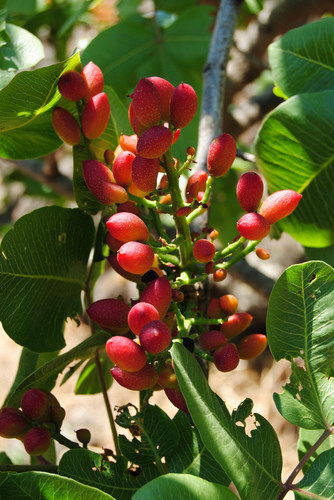
Photographs: iNaturalist contributors under the licences shown. Records: GBIF.org. Historical plates: Source Library (CC BY-SA 4.0; originals public domain). Summary text: Nature Library editors and Wikipedia (CC BY-SA). Medicinal and edibility notes are historical and educational, not advice. iNaturalist taxon 51306.