 NL·0117
Herbarium of the Nature Library
- Name
- Passiflora edulis
- Family
- Passifloraceae
- Native to
- Southern Brazil, Paraguay and northern Argentina; cultivated throughout the tropics and subtropics
- Habitat
- Tropical and subtropical forest edges, Gardens
Passion fruit
Passiflora edulis
Also calledMaracujá (Portuguese/Tupi) · Maracuyá / Parcha (Spanish) · Lilikoʻi (Hawaiian) · Bǎixiāngguǒ (Chinese) · Markisa (Indonesian) · Granadilla (Spanish, loosely)
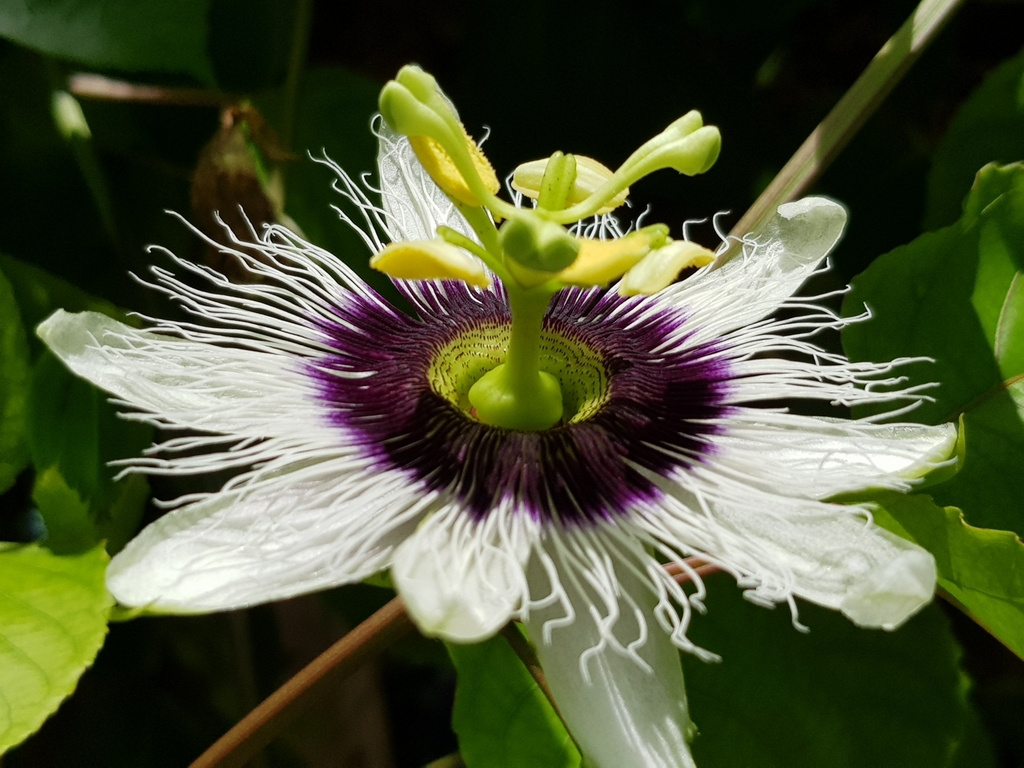
A vigorous tendril-climbing vine from South America with elaborate fringed flowers that Spanish missionaries read as symbols of Christ's Passion. Its wrinkled purple or yellow fruit holds fragrant, tangy pulp around crunchy black seeds.
Passiflora edulis, commonly known as passion fruit, is a vine species of passion flower native to southern Brazil, through Paraguay, and northern Argentina. The fruit is a pepo, a type of botanical berry, round to oval, either yellow or dark purple at maturity, with a soft to firm, juicy interior filled with numerous seeds. Wikipedia
What it can do
- iFlowers last a single day and are pollinated mainly by carpenter bees (Xylocopa)
- iiClimbs fast with coiling tendrils, covering a fence in a season
- iiiYellow form (flavicarpa) is largely self-incompatible and needs cross-pollination
- ivLeaves and unripe fruit contain cyanogenic glycosides
At the table
Eatenfruit pulp with seeds (fresh, juiced)
Ripe pulp and seeds are safe. Leaves, stems and very unripe fruit contain cyanogenic glycosides and should not be eaten.
In the medicine cabinet
| Tradition | Use |
|---|---|
| Brazilian folk medicine | Leaf tea ('maracujá') as a calming sedative |
| Caribbean folk medicine | Leaves and flowers as a remedy for sleeplessness and nerves |
Weight of evidence
Traditional. Long historical use; little or no modern clinical evidence.
Active compounds
vitamin C, piceatannol (seeds), harman alkaloids (leaves, traces), cyanogenic glycosides
Fruit & seed


Fruit
Berry
Ripens: Summer to autumn; often two crops in the tropics
Round to egg-shaped berry 4–8 cm, smooth skin turning deep purple or yellow and wrinkling when ripe; hollow inside, filled with juicy golden pulp sacs around seeds.
Seed
5–6 mm
Flat, oval, black seeds 5–6 mm, with a finely pitted surface, each enclosed in a juicy yellow-orange aril
- Dispersal
- Birds and mammals
- Germination
- Clean off pulp, soak 1–2 days, sow 0.5 cm deep at 20–30 °C; 2–4 weeks
Photographs from Wikimedia Commons under open licences; hover for the photographer, click for the file.
How to grow it
Hardiness (USDA zones)
USDA 9b–11 (purple form tolerates light frost). Survives winters down to about -7 °C.
- Light
- Full sun
- Water
- Moderate–high; regular
- Soil
- Light, well-drained, rich in organic matter, pH 6–7.5
- Propagation
- Seed, cuttings, or grafting onto disease-resistant yellow rootstock
- To harvest
- 12–18 months from seed
- Climates
- Subtropical, Tropical highland, Mediterranean (frost-free)
- 1Sow seed or plant a grafted vine next to a sturdy trellis, fence or pergola at least 2 m tall.
- 2Train the main stem up to the top wire, then let side shoots hang down — fruit forms on new growth.
- 3Water deeply and feed every 1–2 months in the growing season with a balanced fertiliser; mulch roots.
- 4Prune lightly after harvest to remove old, tangled growth; hand-pollinate yellow forms in the afternoon if carpenter bees are scarce.
- 5Gather fruit as it falls or when it colours fully; let it wrinkle for a few days for the sweetest pulp.
Can it grow where you are?
Where it lives
Recorded sightings
—
geo-referenced records in GBIF, from museums, herbaria and field observers.
Native range
Southern Brazil, Paraguay and northern Argentina; cultivated throughout the tropics and subtropics
Drag the globe to turn it. Dots are where records exist, not a range map; darker means more records.
In the old herbals & bestiaries
Woodcuts and engravings matched from the Source Library’s scanned books by name. Plates marked “relative” show a close kin rather than this exact species. Click a plate to read the page it came from, with translation.

Treasury of Medical Matters of New Spain
Francisco Hernández · 1651 · p.938

De Indiae utriusque re naturali et medica
Willem Piso · 1658 · p.276

Thesaurus of Medical Things of New Spain, or History of Mexican Plants, Animals, and Minerals
Francisco Hernández; Nardo Antonio Recchi (ed.) · 1651 · p.486

Thesaurus of Medical Things of New Spain, or History of Mexican Plants, Animals, and Minerals
Francisco Hernández; Nardo Antonio Recchi (ed.) · 1651 · p.926

Treasury of Medical Matters of New Spain
Francisco Hernández · 1651 · p.507

Jan Moninckx; Maria Moninckx — Moninckx Atlas, vol. 2 (1686)
Jan Moninckx; Maria Moninckx · 1686 · p.42

Jan Moninckx; Maria Moninckx — Moninckx Atlas, vol. 2 (1686)
Jan Moninckx; Maria Moninckx · 1686 · p.39

Illustrated Compendium of Materia Medica (Vol. 27)
吳其濬 · 1848 · p.108
In the stacks
Searching the stacks…
Every page naming Passiflora edulis in the Biodiversity Heritage Library →
Marginalia
In the 17th century Jesuit missionaries saw the corona as the crown of thorns, the five anthers as Christ's wounds and the three styles as the nails, calling it 'flos passionis' — the root of the genus name Passiflora. Brazil is today the world's largest producer.
Curiosity
The name has nothing to do with romance — it refers to the Passion (suffering) of Christ.
Kinship

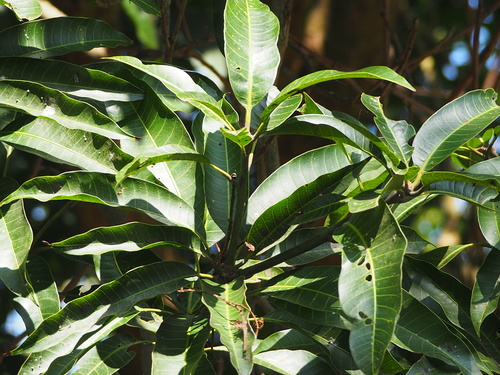
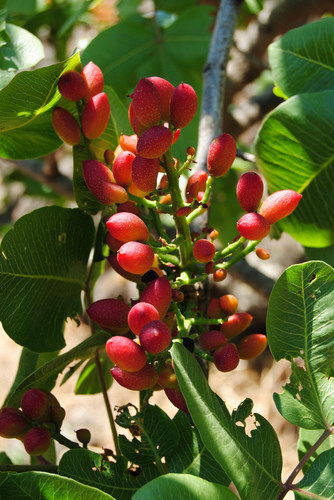
Fact-checked: 1 correction made to this sheet. Photographs: iNaturalist contributors under the licences shown. Records: GBIF.org. Historical plates: Source Library (CC BY-SA 4.0; originals public domain). Summary text: Nature Library editors and Wikipedia (CC BY-SA). Medicinal and edibility notes are historical and educational, not advice. iNaturalist taxon 51446.