 NL·0145
Herbarium of the Nature Library
- Name
- Prunus avium
- Family
- Rosaceae
- Native to
- Europe, Anatolia, the Caucasus and north-west Africa; cultivated in temperate regions worldwide
- Habitat
- Temperate deciduous woodland, Woodland edges, Orchards
Sweet cherry
Prunus avium
Also calledGilas (Persian/Urdu) · Karaz (Arabic) · Kiraz (Turkish) · Yīngtáo (Chinese) · Cereza (Spanish) · Kerasi (Greek) · Mazzard / Gean (English)
A tall, glossy-barked European and West Asian tree whose wild form, the gean or mazzard, gave rise to all sweet cherries. Its spring blossom is a key early nectar source for bees, and birds spread its stones widely — hence 'avium', of the birds.
Prunus avium, commonly called wild cherry, sweet cherry or gean, is a species of cherry, a flowering plant in the rose family, Rosaceae. It is native to western Eurasia and naturalized elsewhere. It is an ancestor of P. cerasus. Wikipedia
What it can do
- iExtrafloral nectaries on the leaf stalks attract ants that defend the tree
- iiBark peels in horizontal shining bands with conspicuous lenticels
- iiiMost varieties are self-incompatible and need a compatible pollinator variety
- ivWood is a fine-grained, reddish cabinet timber
At the table
Eatenfruit (fresh, cooked, fermented as kirsch) · stalks (tea)
Flesh is safe. Crushed stones, leaves and bark contain cyanogenic glycosides; swallowed whole stones pass harmlessly, but crushed kernels in quantity are dangerous. Leaves are toxic to livestock.
In the medicine cabinet
| Tradition | Use |
|---|---|
| European folk medicine | Cherry-stalk tea as a diuretic |
| Persian / Unani | Cherry stalks for kidney stones and fluid retention |
Weight of evidence
Traditional. Long historical use; little or no modern clinical evidence.
Active compounds
anthocyanins, melatonin, amygdalin (seed), quercetin
Fruit & seed

Fruit
Drupe
Ripens: Early to mid-summer
Round to heart-shaped drupe 1.5–3 cm on a long stalk, glossy deep red to almost black, or yellow-red in 'Rainier' types; sweet, juicy flesh around a smooth stone.
Seed
7–10 mm (stone)
A smooth, round to slightly oval, cream to pale-tan stone 7–10 mm, with a faint ridge; it holds one almond-like kernel
- Dispersal
- Birds (thrushes, starlings, waxwings) and mammals
- Germination
- Needs 90–120 days moist cold stratification at 1–5 °C (or sow outdoors in autumn); sprouts in spring
Photographs from Wikimedia Commons under open licences; hover for the photographer, click for the file.
How to grow it
Hardiness (USDA zones)
USDA 5–8. Survives winters down to about -29 °C.
- Light
- Full sun
- Water
- Moderate; avoid heavy watering near harvest (causes splitting)
- Soil
- Deep, well-drained loam, pH 6–7.5; dislikes wet clay
- Propagation
- Budding or grafting onto rootstocks such as 'Colt' or 'Gisela 5' (dwarfing)
- To harvest
- 3–5 years on dwarfing rootstock
- Climates
- Temperate, Continental, Cool Mediterranean
- 1Choose a self-fertile variety (e.g. 'Stella', 'Lapins') or plant two compatible varieties; use a dwarfing rootstock for easy netting.
- 2Plant bare-root in winter in a sunny spot with good air drainage to avoid spring frost on blossom.
- 3Water deeply in dry spells during fruit growth but ease off in the last week before harvest.
- 4Prune only in summer, after fruiting, to reduce the risk of silver leaf and bacterial canker.
- 5Net the tree as fruit colours, and pick cherries with stalks attached when fully coloured and sweet.
Can it grow where you are?
Where it lives
Recorded sightings
—
geo-referenced records in GBIF, from museums, herbaria and field observers.
Native range
Europe, Anatolia, the Caucasus and north-west Africa; cultivated in temperate regions worldwide
Drag the globe to turn it. Dots are where records exist, not a range map; darker means more records.
In the old herbals & bestiaries
Woodcuts and engravings matched from the Source Library’s scanned books by name. Plates marked “relative” show a close kin rather than this exact species. Click a plate to read the page it came from, with translation.

Garden of Health (Hortus Sanitatis)
Jacob Meydenbach · 1491 · p.91

Notable Commentaries on the History of Plants
Leonhart Fuchs · 1549 · p.457

Ortus sanitatis
1491 · p.109

Six Groups of the History of Plants
Rembert Dodoens · 1583 · p.817

Herbarium Portatile, Oder Behendes Kräuter- und Gewächs-Buch: Darinn nicht allein 1363. so wol Einheimische als Außländndische Kräuter mit Lateinisch und Deutscher Benennung abgebildet, sondern auch die meisten, so in der Medicin gebräuchlich, kürtzlich erkläret werden
Panckow, Thomas · 1656 · p.352

Herbarium Portatile, Oder Behendes Kräuter- und Gewächs-Buch: Darinn nicht allein 1363. so wol Einheimische als Außländndische Kräuter mit Lateinisch und Deutscher Benennung abgebildet, sondern auch die meisten, so in der Medicin gebräuchlich, kürtzlich erkläret werden
Panckow, Thomas · 1656 · p.351
In the stacks
Searching the stacks…
Every page naming Prunus avium in the Biodiversity Heritage Library →
Marginalia
Pliny says the Roman general Lucullus brought cherries to Rome from Kerasous (Giresun) on the Black Sea in 74 BCE, though wild cherries grew in Europe long before. Cherry stones are common finds at Bronze Age sites across Europe.
Curiosity
The Greek town name Kerasous may have given us the very word 'cherry', via Latin cerasum.
Kinship
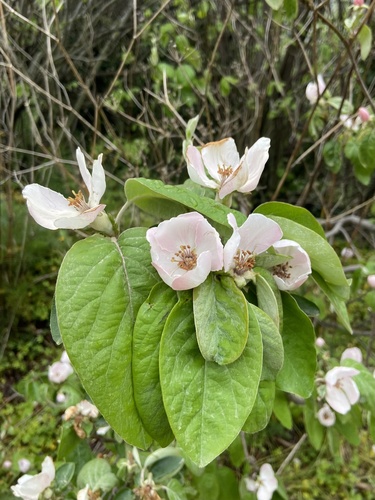
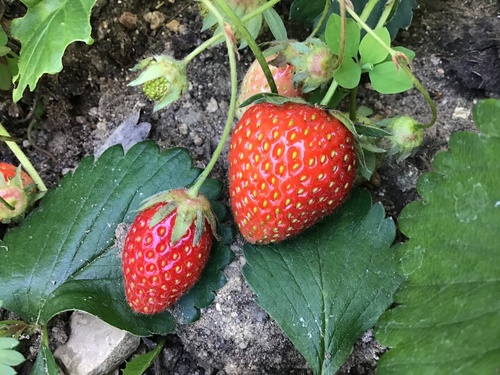
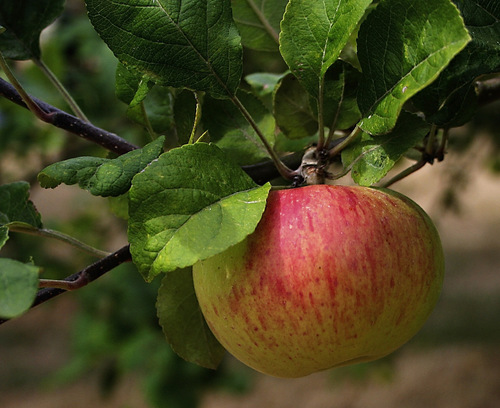

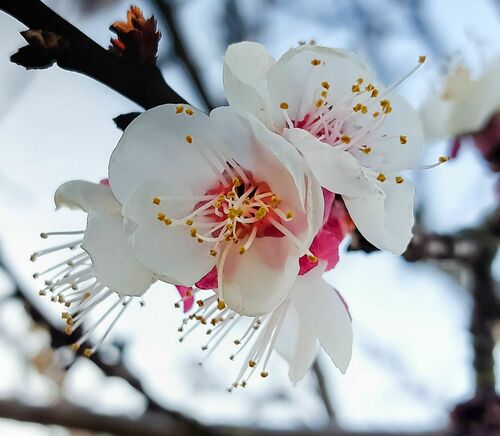

Photographs: iNaturalist contributors under the licences shown. Records: GBIF.org. Historical plates: Source Library (CC BY-SA 4.0; originals public domain). Summary text: Nature Library editors and Wikipedia (CC BY-SA). Medicinal and edibility notes are historical and educational, not advice. iNaturalist taxon 61964.