 NL·0146
Herbarium of the Nature Library
- Name
- Prunus persica
- Family
- Rosaceae
- Native to
- Northwest and central China; cultivated worldwide in temperate and subtropical climates
- Habitat
- Temperate orchards, Hillsides
Peach
Prunus persica
Also calledTáo (Chinese) · Momo (Japanese) · Shaftalu (Persian/Urdu) · Durrāq / Khawkh (Arabic) · Aadu (Hindi) · Melocotón / Durazno (Spanish) · Şeftali (Turkish)
Despite its name ('Persian plum'), the peach was domesticated in China's Yangtze valley about 7,500 years ago and reached Europe via Persia. Nectarines are the same species, differing by a single gene for smooth skin.
The peach is a deciduous tree that bears edible juicy fruits with various characteristics. Most are simply called peaches, while the glossy-skinned, non-fuzzy varieties are called nectarines. Though from the same species, they are regarded commercially as different fruits. Wikipedia
What it can do
- iSelf-fertile, unlike many relatives: a single tree sets fruit
- iiNectarines arise from a recessive mutation that removes the fuzz
- iiiFruits on one-year-old wood, so it needs hard annual pruning
- ivKernels contain amygdalin, which yields cyanide
At the table
Eatenfruit (fresh, cooked, dried) · flowers (in salads and tea, small amounts)
Flesh is safe. The kernel inside the stone, and the leaves and bark, contain cyanogenic glycosides and should not be eaten in quantity.
In the medicine cabinet
| Tradition | Use |
|---|---|
| Traditional Chinese Medicine | Peach kernel (táo rén) used to 'invigorate blood' and relieve constipation, in prescribed doses |
| European folk medicine | Leaf tea as a sedative and for coughs |
Weight of evidence
Traditional. Long historical use; little or no modern clinical evidence.
Active compounds
amygdalin (kernel), chlorogenic acid, β-carotene, vitamin C
Fruit & seed

Fruit
Drupe
Ripens: Summer
Round drupe 5–9 cm with a groove along one side; velvety (or smooth in nectarines) yellow skin blushed red; juicy white or yellow flesh around a deeply pitted stone, 'clingstone' or 'freestone'.
Seed
2–3.5 cm (stone)
Hard, deeply furrowed and pitted, oval stone 2–3.5 cm, reddish-brown, with a pointed tip; holds a single almond-shaped, brown-skinned kernel
- Dispersal
- Mammals and humans
- Germination
- Remove kernel or crack the stone, cold-stratify 60–90 days at 2–5 °C, sow in spring; seedlings often give decent fruit
Photographs from Wikimedia Commons under open licences; hover for the photographer, click for the file.
How to grow it
Hardiness (USDA zones)
USDA 5–9 (low-chill varieties to 10). Survives winters down to about -29 °C.
- Light
- Full sun
- Water
- Moderate; regular in dry spells while fruit swells
- Soil
- Sandy loam, well-drained, pH 6–7
- Propagation
- Budding onto peach seedling or 'St Julien A' rootstock; seed
- To harvest
- 2–4 years
- Climates
- Temperate, Mediterranean, Warm continental
- 1Choose a variety matched to your chill hours (e.g. 'Redhaven' for cold areas, 'Florida Prince' for low-chill areas), with resistance to peach leaf curl if possible.
- 2Plant in the sunniest, warmest spot, ideally a fan trained against a south-facing wall in cool climates.
- 3Prune to an open vase each year in late winter or just after bud-break, removing a third of old wood, as fruit grows only on last year's shoots.
- 4Thin fruitlets to 15–20 cm apart when marble-sized for bigger, sweeter peaches.
- 5In wet climates, cover with a rain shelter from late winter to spring to prevent leaf curl; pick when the fruit gives slightly near the stalk.
Can it grow where you are?
Where it lives
Recorded sightings
—
geo-referenced records in GBIF, from museums, herbaria and field observers.
Native range
Northwest and central China; cultivated worldwide in temperate and subtropical climates
Drag the globe to turn it. Dots are where records exist, not a range map; darker means more records.
In the old herbals & bestiaries
Woodcuts and engravings matched from the Source Library’s scanned books by name. Plates marked “relative” show a close kin rather than this exact species. Click a plate to read the page it came from, with translation.

Complete Treatise on Agricultural Administration
Xu Guangqi · 1909 · p.823

Commentaries on the Six Books of Dioscorides
Pietro Andrea Mattioli · 1560 · p.269

Commentaries on the Six Books of Dioscorides
Pietro Andrea Mattioli · 1560 · p.253

Mustard Seed Garden Manual of Painting, Vol. 1b
Wang Gai · 1868 · p.9

Ortus sanitatis
1491 · p.322

Garden of Health (Hortus Sanitatis)
Jacob Meydenbach · 1491 · p.263

Ortus sanitatis
1491 · p.320

The Book of Health: The Art of Distillation
Brunschwig, Hieronymus · 1505 · p.207

Garden of Health
1507 · p.112

Garden of Health
1507 · p.260
In the stacks
Searching the stacks…
Every page naming Prunus persica in the Biodiversity Heritage Library →
Marginalia
In Chinese myth the Queen Mother of the West grows peaches of immortality that ripen once every 3,000 years, and the Monkey King steals them in Journey to the West. The 'Peach Blossom Spring' of the poet Tao Yuanming (421 CE) is China's archetypal hidden paradise.
Curiosity
Peach stones about 2.6 million years old have been found fossilised in Kunming, China, showing wild peaches existed long before humans.
Kinship
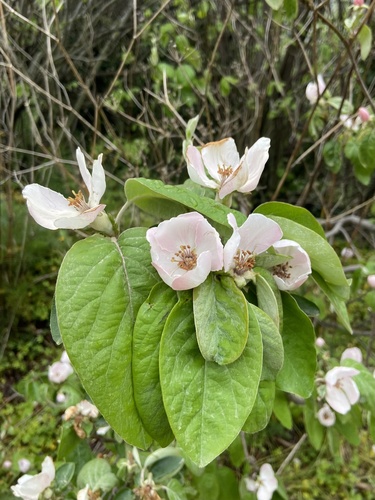
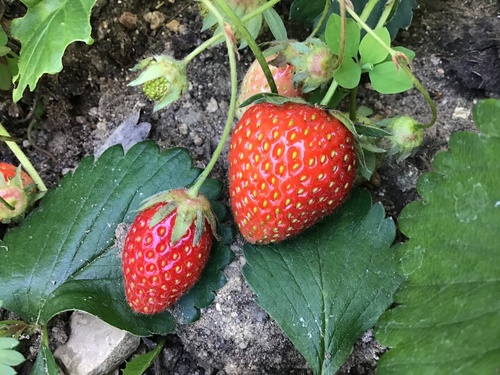
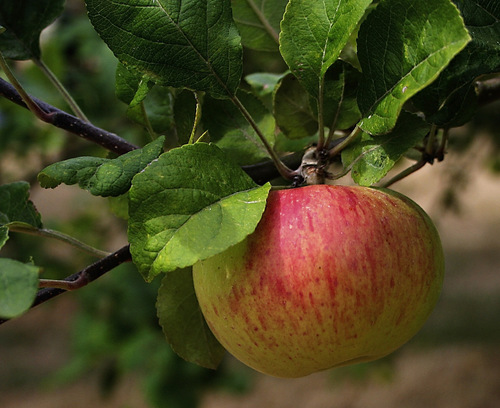

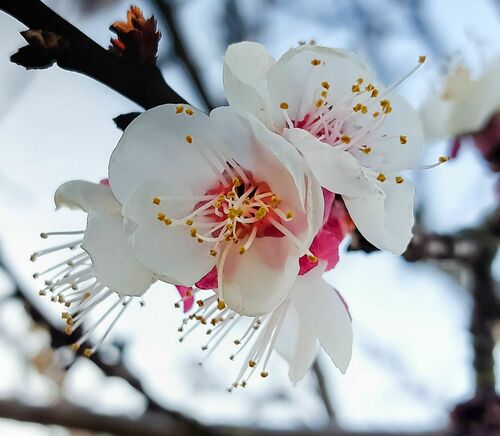

Photographs: iNaturalist contributors under the licences shown. Records: GBIF.org. Historical plates: Source Library (CC BY-SA 4.0; originals public domain). Summary text: Nature Library editors and Wikipedia (CC BY-SA). Medicinal and edibility notes are historical and educational, not advice. iNaturalist taxon 78755.