The Apothecary / Nerves, sleep & pain
Addiction and withdrawal
25 remedies
Reference, not prescription. Nothing here is medical advice. Herbs can interact with medicines and be dangerous in pregnancy; tell your doctor or pharmacist about anything you take.
Strong evidence
StrongAn approved medicine, or consistent good-quality trials and reviews.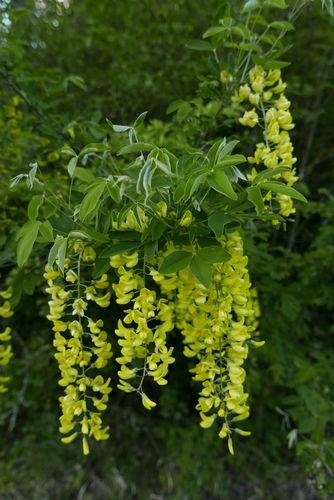
Golden chain
Laburnum anagyroides
This refers to the purified drug cytisine, not the plant. A 1971 randomised trial in 1,214 smokers found a relative risk of quitting of 1.77 versus placebo at two years, and later trials found cytisine more effective than nicotine replacement and at least as effective as varenicline, with mostly mild to moderate side effects. Laburnum itself, as tea or leaves, is poisonous and has killed people.
Tobacco
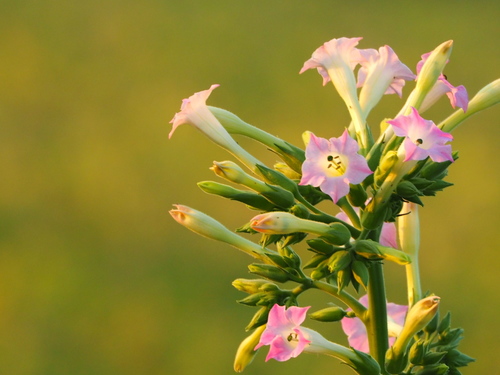
Nicotiana tabacum
Purified nicotine, not tobacco: a 2018 Cochrane review of 133 trials (64,640 people) found that any form of nicotine replacement raised long-term quit rates by about 55% (RR 1.55); patches, gum, lozenges, inhalators and nasal spray all worked. The evidence was judged high quality.
Limited evidence
LimitedSmall or few trials, mixed results, or mainly lab and animal work.
Akuamma
Picralima nitida
Some US users take it as an opioid substitute. A 2026 case report described severe opioid-like withdrawal, relieved by buprenorphine, after heavy use of a 'kava' shot whose label listed akuamma; kratom derivatives were also found in the product.
Angel's trumpet
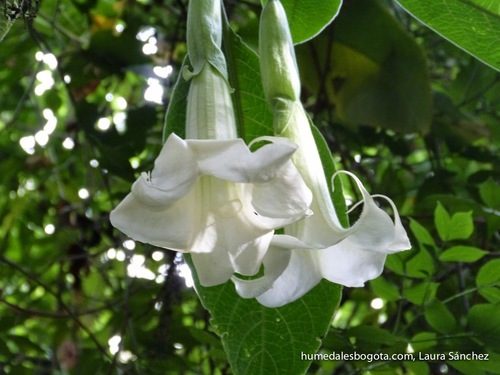
Brugmansia arborea
In mice, a methanol extract and its alkaloids reduced the development and expression of morphine dependence and altered the rewarding effects of morphine and cocaine; there are no human data.

Black pepper
Piper nigrum
In a single 3-hour laboratory session with 48 overnight-abstinent smokers, puffing a vapour of black pepper essential oil reduced reported cigarette craving compared with a menthol or empty device. It has not been tested as a quit-smoking treatment.

Chacruna
Psychotria viridis
A 2026 meta-analysis of DMT and 5-MeO-DMT studies found large reductions in substance use (g = 0.94), but with high risk of bias and very high heterogeneity; the authors call the effects preliminary.
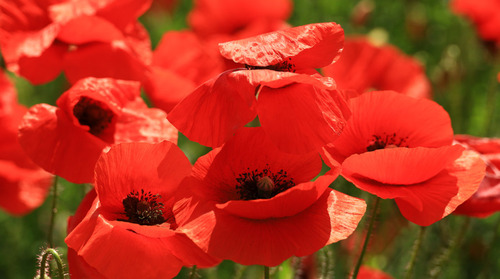
Corn poppy
Papaver rhoeas
Reported to be used to reduce opioid withdrawal symptoms, and an extract eased morphine withdrawal in rats, according to a case series that cites these studies. There are no human trials.
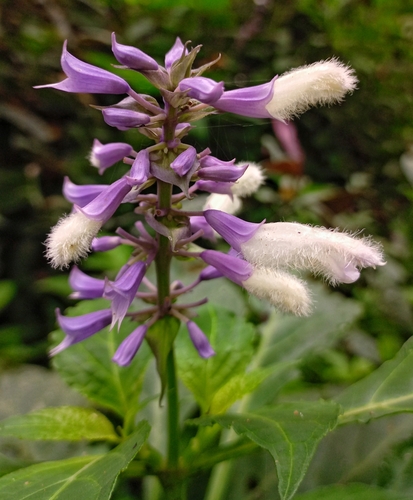
Diviner's sage
Salvia divinorum
Mazatec use against alcohol addiction is reported; salvinorin A reduced cocaine self-administration in monkeys. Untested clinically.
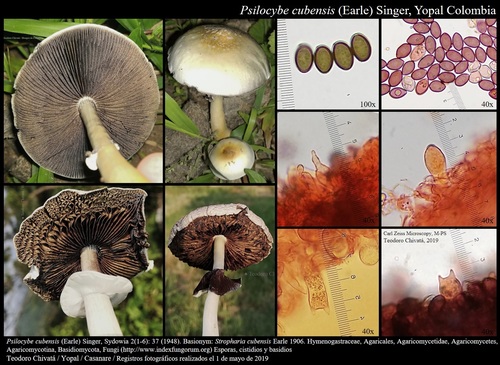
Golden cap (magic mushroom)
Psilocybe cubensis
In 95 people with alcohol use disorder, psilocybin plus psychotherapy reduced heavy-drinking days to 9.7% versus 23.6% with an active placebo over 32 weeks. An open pilot in 15 smokers reported 80% abstinence at 6 months.

Iboga
Tabernanthe iboga
A 2022 systematic review of 24 studies (705 people, only two randomised double-blind trials) found ibogaine reduced withdrawal symptoms and craving in substance use disorders, but also reported severe complications and deaths from its heart and nerve toxicity. A 2026 scoping review concludes rigorous trials in medical settings are needed.
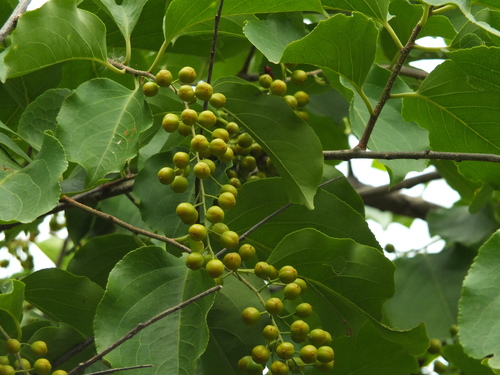
Jyotishmati
Celastrus paniculatus
In mice, the plant reduced alcohol-seeking behaviour and withdrawal anxiety, tested because Ayurvedic texts describe it for nervous disorders; no human data.

Kratom
Mitragyna speciosa
Many Western users report taking kratom to manage opioid withdrawal and cravings, and this is being researched, but kratom itself can cause dependence and withdrawal. Approved, effective medicines for opioid use disorder exist.
Kudzu
Pueraria montana var. lobata
In a 4-week double-blind trial in 17 young male heavy drinkers, a standardised kudzu root extract (250 mg isoflavones three times daily) cut weekly drinks by 34–57% and increased alcohol-free days without reducing craving; an earlier crossover study found heavy drinkers drank fewer beers, more slowly, after a week of extract. Trials are small, and the extract did not increase intoxication.
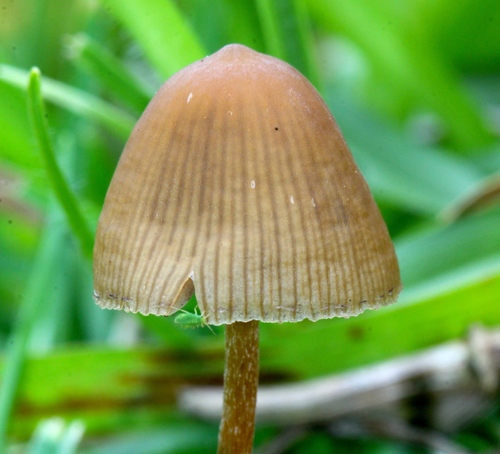
Mexican liberty cap
Psilocybe mexicana
Randomised trials reported benefits of psilocybin-assisted therapy for tobacco, alcohol and cocaine use disorders.
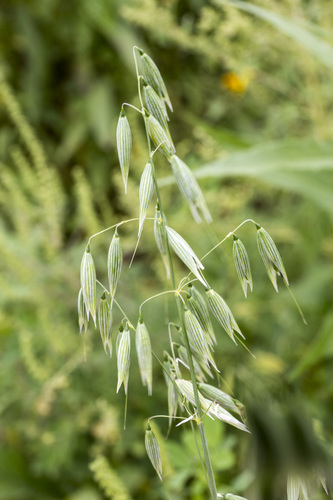
Oat
Avena sativa
An early study of oat extract in opium addicts reported loss of interest in smoking, but a second study did not repeat it. In the 2024 trial, more people on green oat extract cut their cigarettes by over 20% (66.7% vs 49.3%).
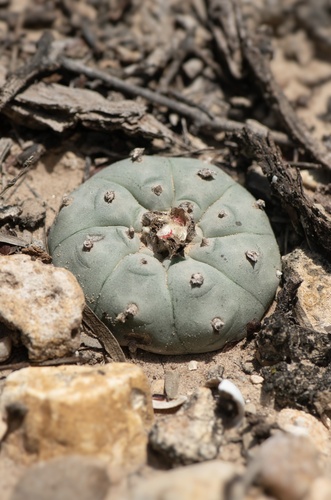
Peyote
Lophophora williamsii
Studies of Native American Church members (1974, 2005) reported that peyote meetings helped many overcome alcohol problems; these are observational studies within a religious setting, not controlled trials.
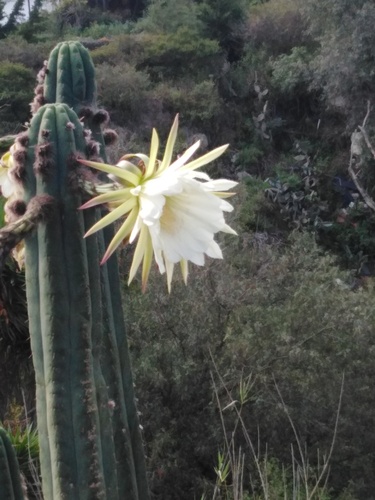
San Pedro cactus
Trichocereus macrogonus var. pachanoi
The same review found reports of reduced alcohol and nicotine use with mescaline-containing plants, from surveys and case reports only.

Voacanga
Voacanga africana
Not a use of the plant itself. Voacangine from its root bark is the usual starting material for semi-synthetic ibogaine, which open-label and retrospective studies suggest may reduce craving and withdrawal in substance use disorder. Ibogaine is cardiotoxic, has been linked to deaths, and is a controlled substance in the United States.
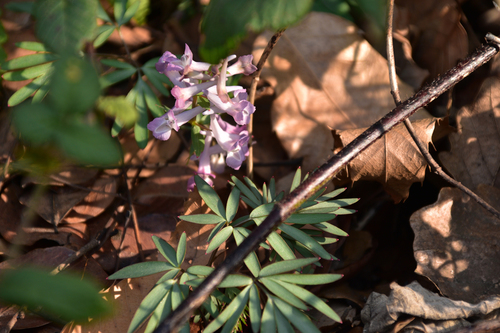
Yan hu suo
Corydalis yanhusuo
In a small randomised, double-blind trial in 24 cocaine users, l-tetrahydropalmatine 30 mg twice daily for 4 days was well tolerated and did not alter cocaine's effects or pharmacokinetics; it was a safety study, not a test of benefit.
Traditional use
TraditionalLong recorded use, essentially untested in clinical trials.
French lavender
Lavandula stoechas
In Turkey it is used as a traditional aid to stopping smoking. The supporting placebo-controlled study used a different species (L. angustifolia), and the L. stoechas work is lab-only.
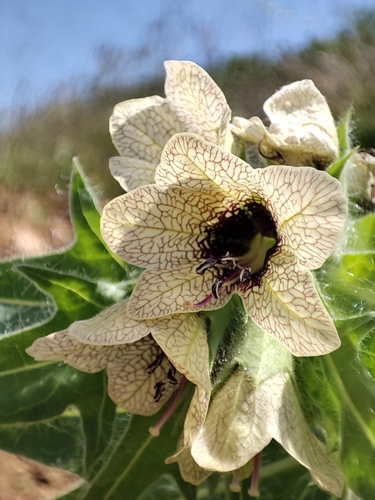
Henbane
Hyoscyamus niger
Iranian physicians used henbane in withdrawal treatment for people addicted to opium; untested and dangerous.
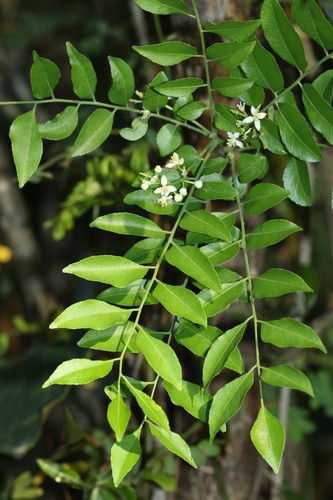
Horsewood
Clausena anisata
In Thailand the leaves are used as a smoking-cessation aid, like Vernonia cinerea; researchers have measured the nitrate content (thought to numb the tongue and make cigarettes taste worse) and developed lozenges, but no clinical results were found.
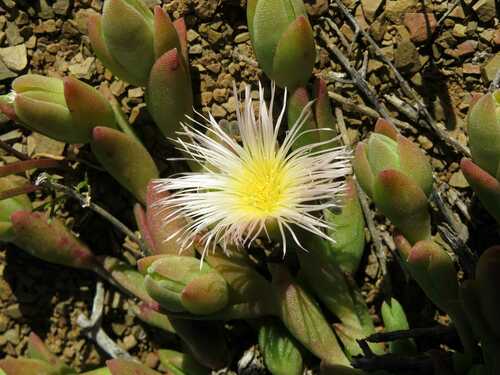
Kanna
Mesembryanthemum tortuosum
Healers in Namaqualand use it against alcohol abuse, giving it the name 'onse droë drank' (our dry liquor).

Pointed gourd
Trichosanthes dioica
The Charaka Samhita mentions the leaves and fruits for alcoholism, according to a 2012 review.