The Apothecary / Nerves, sleep & pain
Low mood and depression
38 remedies
See a doctor if
Thoughts of suicide or self-harm: contact emergency services or a crisis line now.
Reference, not prescription. Nothing here is medical advice. Herbs can interact with medicines and be dangerous in pregnancy; tell your doctor or pharmacist about anything you take.
Strong evidence
StrongAn approved medicine, or consistent good-quality trials and reviews.
Moderate evidence
ModerateSeveral trials, mostly positive, or an EMA ‘well-established use’ monograph.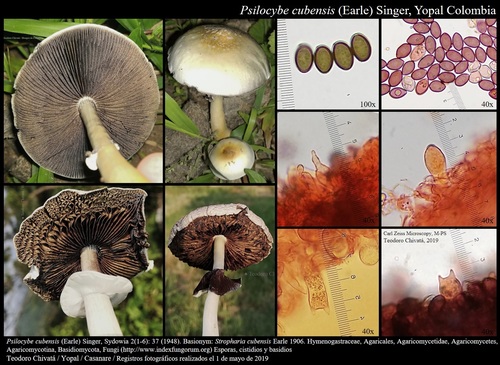
Golden cap (magic mushroom)
Psilocybe cubensis
In a phase 2 trial of 233 people with treatment-resistant depression, a single 25 mg dose of synthetic psilocybin with psychological support cut depression scores 6.6 points more than a 1 mg dose at 3 weeks, but the effect was not sustained at 12 weeks and suicidal ideation or self-harm occurred in all groups. A smaller trial in major depression (24 participants) found large effects at 4 weeks.
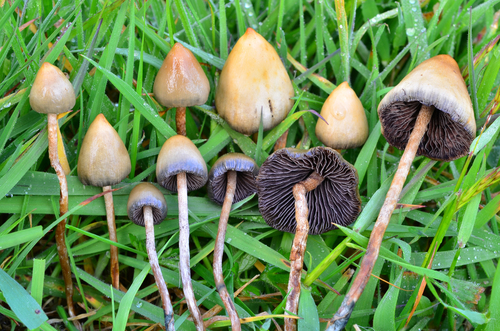
Liberty cap
Psilocybe semilanceata
Trials used synthetic psilocybin, not the mushroom. A 2024 BMJ meta-analysis of seven trials (436 people) found a moderate-certainty benefit over comparators (Hedges' g 0.66). In a phase 2 trial in 233 people with treatment-resistant depression, a single 25 mg dose lowered MADRS scores by 6.6 points more than 1 mg at 3 weeks, but not sustainably at 12 weeks, and suicidal ideation or self-harm occurred in all dose groups.
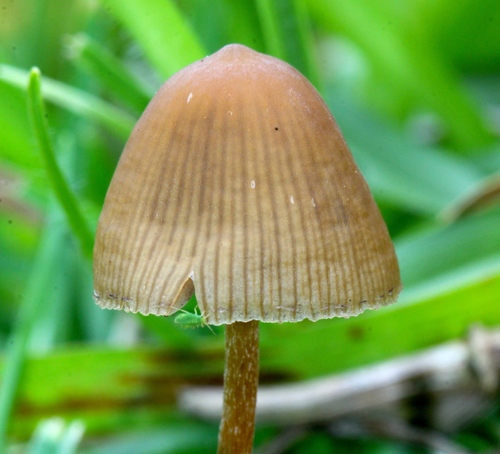
Mexican liberty cap
Psilocybe mexicana
Several randomised trials of psilocybin-assisted therapy reported benefits in treatment-resistant and major depression; a meta-analysis found effectiveness comparable to escitalopram for long-standing depression. The FDA gave it breakthrough-therapy status (2018, 2019). Trials are small, hard to blind and exclude many patients.
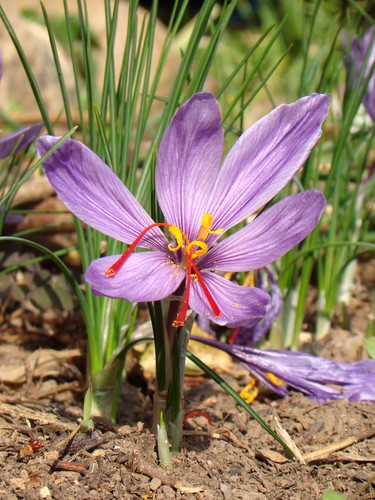
Saffron crocus
Crocus sativus
Meta-analyses of small randomised trials (mostly 30 mg/day for 6–8 weeks) found saffron better than placebo for mild to moderate depression and similar to standard antidepressants. Nearly all trials were done in Iran, and reviewers call for larger independent trials.
Limited evidence
LimitedSmall or few trials, mixed results, or mainly lab and animal work.
Ayahuasca vine
Banisteriopsis caapi
In a double-blind trial of 29 people with treatment-resistant depression, one dose of ayahuasca brew reduced depression scores more than placebo at 1, 2 and 7 days (response at day 7: 64% vs 27%). The trial was small and short and was run under clinical supervision.
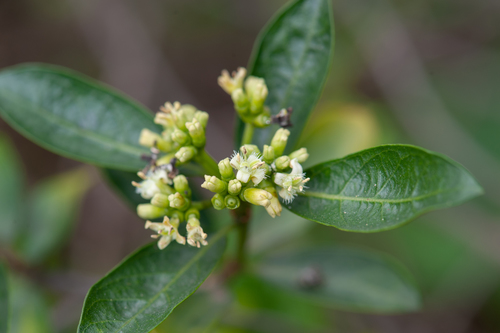
Ba ji tian
Morinda officinalis
A 2021 meta-analysis of seven Chinese randomised trials (1,384 people) found Morinda oligosaccharide capsules no different from conventional antidepressants in response rate for mild to moderate depression (RR 0.99) with similar adverse events, but rated the evidence low quality. A 2025 placebo-controlled trial of adding probiotics to the capsules found no extra benefit on overall depression scores.

Brahmi (Water hyssop)
Bacopa monnieri
The same small trial in older adults found depression scores (CESD-10) fell with Bacopa; this has not been tested in people with diagnosed depression.

Chacruna
Psychotria viridis
In the main double-blind trial (Palhano-Fontes et al., 35 people with treatment-resistant depression, 29 analysed), one dose of ayahuasca (0.36 mg/kg DMT) in a clinical setting reduced depression scores more than placebo from day 1 to day 7; response at day 7 was 64% vs 27%, remission 36% vs 7%. The placebo group also improved strongly, and the trial is small.
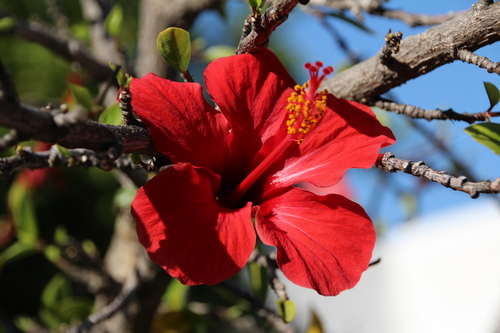
Chinese hibiscus
Hibiscus rosa-sinensis
Anthocyanidin-rich flower extracts reduced immobility in mouse despair tests, comparable to imipramine.
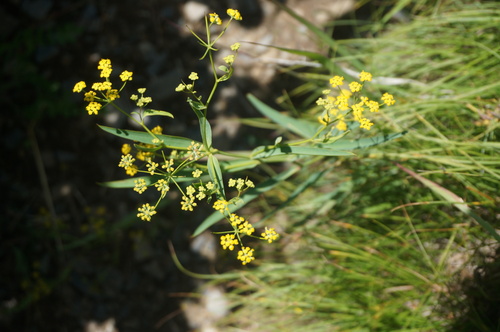
Chinese thorowax
Bupleurum chinense
A 2020 meta-analysis of 55 Chinese trials found Bupleurum-based formulas, alone or added to SSRIs, reduced Hamilton depression scores more than SSRIs alone, with fewer adverse events, but the trials were of low quality with very high heterogeneity. A 2024 review of Chaihu Shugan San (15 studies, 1,034 patients) reached similar, similarly limited conclusions.
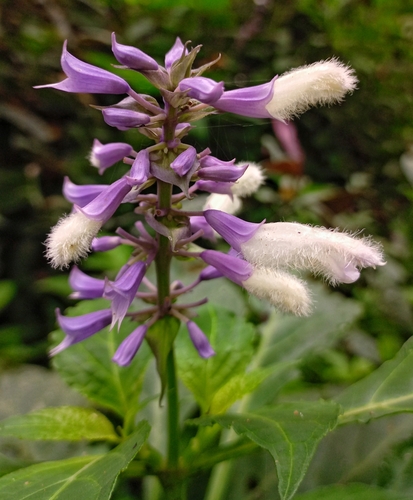
Diviner's sage
Salvia divinorum
Evidence is a single case report of a woman with chronic depression who improved on sublingual leaf, and a registered trial that struggled to recruit; high doses caused depression-like behaviour in rodents and kappa-opioid activation can cause dysphoria.

Griffonia
Griffonia simplicifolia
A Cochrane review found only 2 of 108 trials (64 patients) good enough to include; 5-HTP or tryptophan beat placebo but the evidence was too weak to be conclusive. A 2020 meta-analysis of 13 studies found high remission rates but judged the studies weak, with few placebo groups.

Iboga
Tabernanthe iboga
In an open-label study of 30 US special-operations veterans with mostly mild traumatic brain injury, magnesium plus ibogaine (given with other treatments) was followed by large improvements in disability, PTSD, depression and anxiety at 1 month, with no serious adverse events; there was no control group.
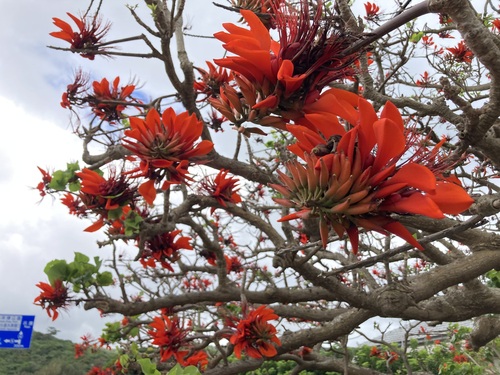
Indian coral tree
Erythrina variegata
Bark extracts shortened immobility time in mouse forced-swim and tail-suspension tests and inhibited brain monoamine oxidase A and B in mice. Animal data only.
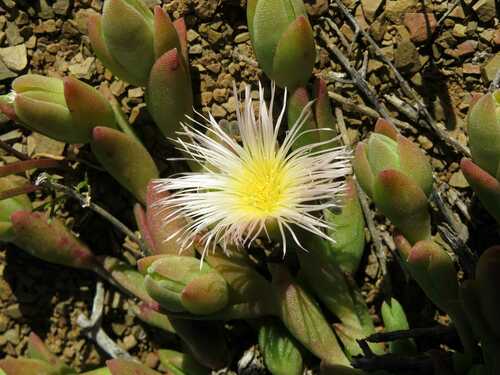
Kanna
Mesembryanthemum tortuosum
Traditionally used to elevate mood; mesembrine inhibits the serotonin transporter, but there are no trials in people with diagnosed depression.
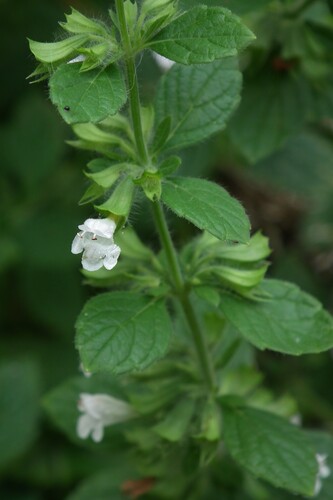
Lemon balm
Melissa officinalis
The same 2021 meta-analysis found a smaller improvement in depression scores (SMD about -0.5), with the authors cautioning that high-quality trials are still needed.
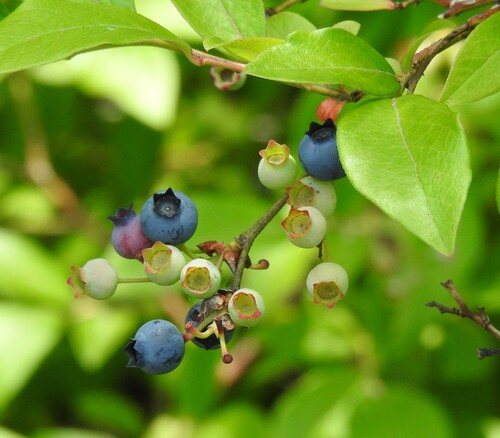
Northern highbush blueberry
Vaccinium corymbosum
In the same review, one trial found better positive mood with blueberry and four found no effect.
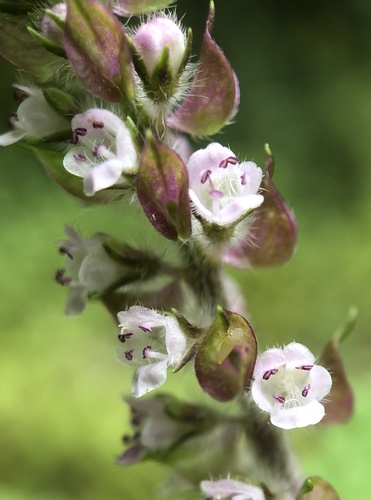
Perilla
Perilla frutescens
Banxia houpo tang, a formula containing perilla leaf, was compared with antidepressants in 15 low-quality RCTs (1,714 people); it was roughly similar alone and better in combination. The contribution of perilla itself is unknown.
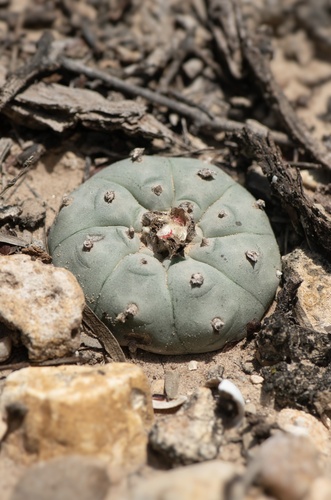
Peyote
Lophophora williamsii
In an online survey of 452 people using mescaline-containing cacti outside clinics, most reported improvement in depression, anxiety or PTSD. Self-reported surveys cannot show that the drug caused improvement; no controlled trials exist.
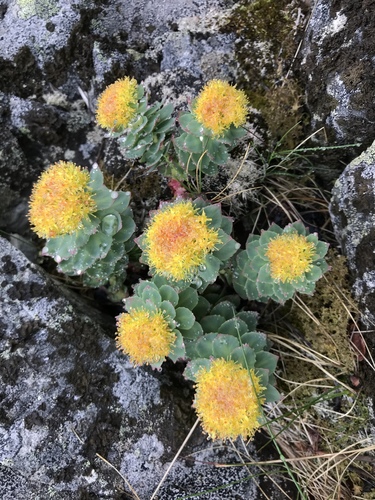
Roseroot
Rhodiola rosea
A 6-week trial in mild-to-moderate depression reported lower Hamilton scores than placebo, but the EMA questioned the near-absent placebo response; in a 12-week trial in major depression rhodiola was less effective than sertraline, with fewer side effects.
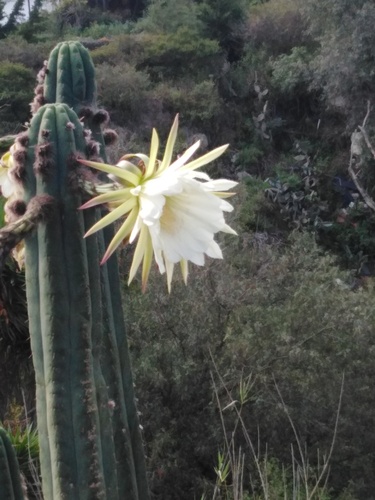
San Pedro cactus
Trichocereus macrogonus var. pachanoi
A 2026 systematic review of mescaline (from peyote, San Pedro or pure) found reports of improved depression scores, well-being, and nicotine and alcohol use, but only 10 of 66 eligible studies were analysable, mostly surveys, case reports and 1950s trials with serious risk of bias; it concluded the evidence is insufficient for clinical decisions.

Satsuma
Citrus unshiu
A pilot randomised trial in 26 healthy people found that eating two satsumas a day for 8 weeks did not change serum BDNF (a mood-related marker) compared with no fruit; only exploratory within-group changes were seen.
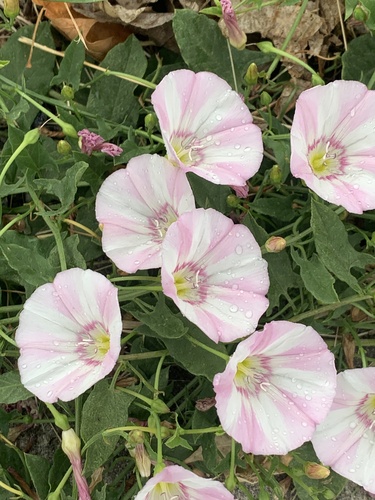
Shankhpushpi
Convolvulus prostratus
A chloroform fraction showed antidepressant-like effects in mice (forced swim test), apparently via adrenergic, dopaminergic and serotonergic systems. Animal data only.

Siberian musk deer
Moschus moschiferus
In mice under chronic stress, inhaled diluted musk reduced immobility, corticosterone and inflammatory markers to a degree comparable with fluoxetine. No human studies were found.
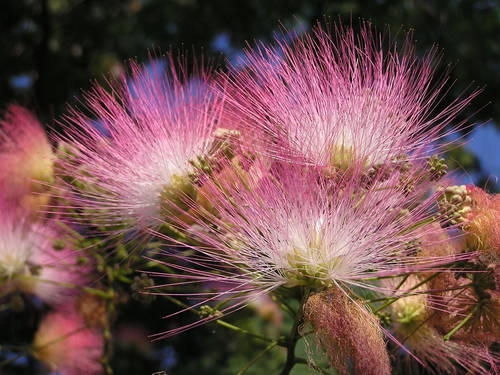
Silk tree
Albizia julibrissin
Lignan glycosides from the plant inhibit the serotonin transporter in cell studies, and flower flavonoids raised BDNF in stressed rats. Chinese clinical studies of formulas containing the bark or flower (Jieyu granules, Jieyu Hehuan decoction) reported benefit, sometimes alongside antidepressants, but the role of the herb alone cannot be separated and these studies were not individually assessed here.
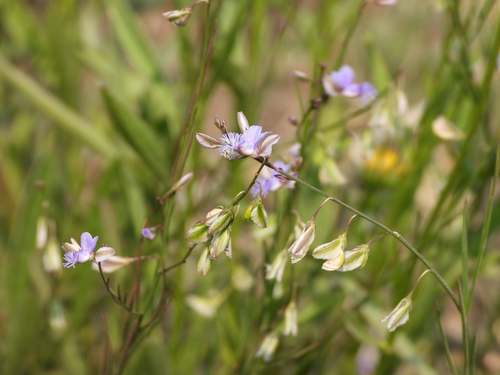
Thin-leaf milkwort
Polygala tenuifolia
Extracts and the oligosaccharide ester 3,6′-disinapoyl sucrose had antidepressant effects in stressed rodents; there are no human trials of the single herb.

Toothed clubmoss
Huperzia serrata
A systematic review of three small, open-label Chinese trials found no difference in depressive symptoms when huperzine A was added to antidepressants; any effect on cognition in depression is unproven.
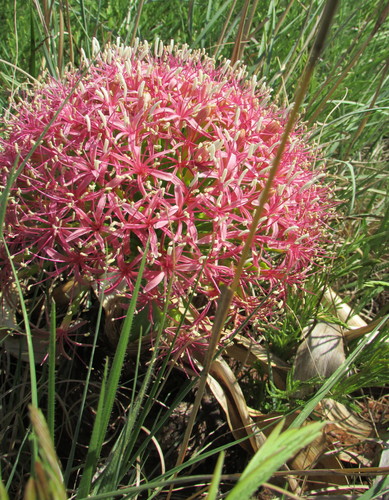
Tumbleweed
Boophone disticha
It was the most frequently cited plant for depression-like conditions in South African ethnobotanical surveys. Extracts showed antidepressant-like effects in mouse models, and its alkaloids bind the serotonin transporter. No human trials, and the effective doses lie close to toxic ones.
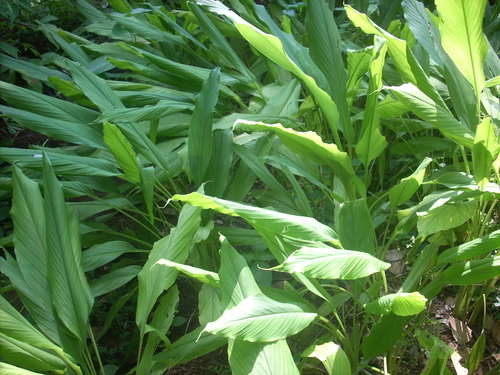
Turmeric
Curcuma longa
MSK lists major depressive disorder among possible benefits from small trials; NCCIH judges the evidence insufficient to draw conclusions.
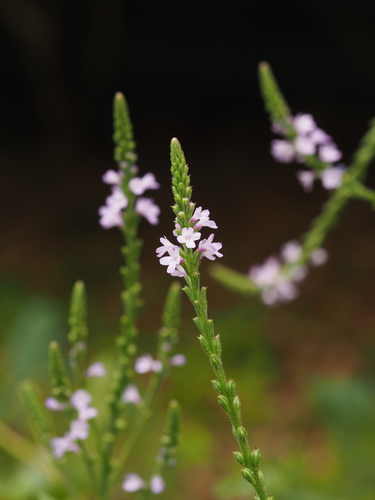
Vervain
Verbena officinalis
Used in Chinese and European folk medicine for low mood. An ethanolic extract reduced immobility in the mouse tail-suspension test; there is no human evidence.
Traditional use
TraditionalLong recorded use, essentially untested in clinical trials.
Abata kola
Cola acuminata
The British Herbal Pharmacopoeia (1974) and British Herbal Compendium (1992) listed kola for 'depressive states' and melancholia, especially with muscular weakness. There is no trial evidence, and EMA did not adopt this indication.
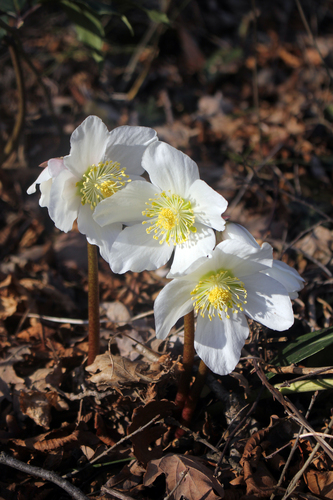
Christmas rose
Helleborus niger
Hahnemann listed H. niger as a homeopathic remedy for depression, lethargy and sleepiness. Complementary-medicine texts still list it for stupor, mental sluggishness and deep depression. In the dementia study above, depression scores (GDS) also improved more in the treated group, as a secondary outcome of a non-randomised study.
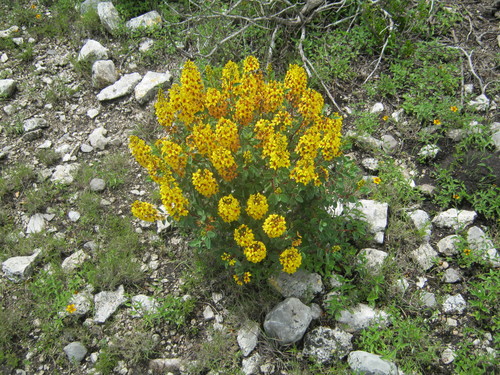
Galphimia
Galphimia glauca
Mexican traditional medicine uses it for 'nervios', a folk illness whose symptoms resemble depression and anxiety. Depression itself has not been tested in trials.

Kola nut
Cola nitida
The British Herbal Pharmacopoeia listed it for depressive states and melancholia with muscular weakness; untested.
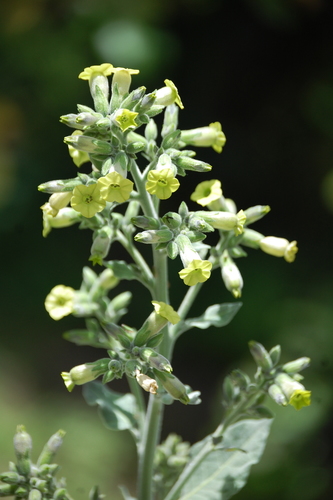
Mapacho
Nicotiana rustica
A Peruvian tabaquero described oral tobacco as his main treatment for 'problems of the mind', including attention and mood; a single case study reported improved well-being after a week-long ritual retreat. Contraindicated, in his practice, for psychosis, severe nervousness and aggression. No controlled studies.

Nutgrass
Cyperus rotundus
TCM uses xiang fu to 'soothe liver-qi stagnation and relieve depression'; not tested clinically.
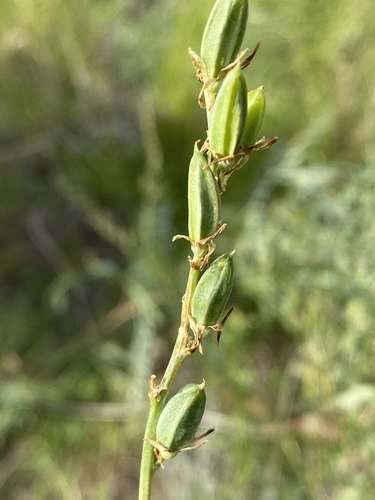
Zhi mu
Anemarrhena asphodeloides
Baihe Zhimu decoction (with lily bulb) has long been used for depression in Chinese medicine; timosaponin AIII from it reaches the blood in rats. Evidence is from animals only.