The Apothecary / Nerves, sleep & pain
Sleeplessness
51 remedies
See a doctor if
Lasting more than three months, loud snoring with pauses in breathing, or daytime sleepiness that is dangerous (driving).
Reference, not prescription. Nothing here is medical advice. Herbs can interact with medicines and be dangerous in pregnancy; tell your doctor or pharmacist about anything you take.
Moderate evidence
ModerateSeveral trials, mostly positive, or an EMA ‘well-established use’ monograph.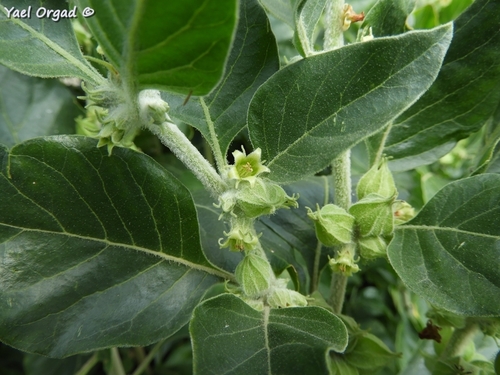
Limited evidence
LimitedSmall or few trials, mixed results, or mainly lab and animal work.
American skullcap
Scutellaria lateriflora
In a 2025 randomised, double-blind crossover trial of 66 adults with mild to moderate primary insomnia, 400 mg a day of a standardised extract for 56 days improved Pittsburgh Sleep Quality Index scores and other sleep measures versus placebo, with no adverse effects reported. A single, industry-linked trial.
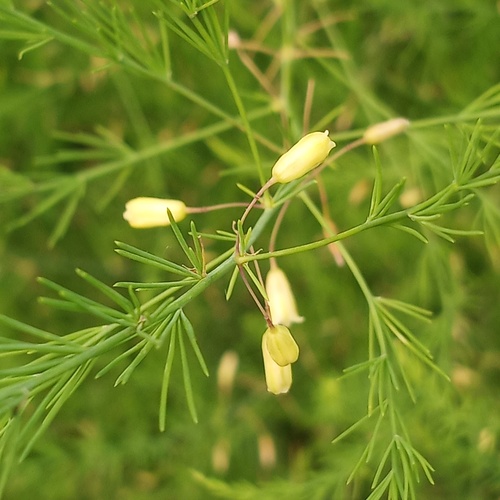
Asparagus
Asparagus officinalis
In a double-blind crossover trial in 38 healthy adults unhappy with their sleep, a standardised stem extract (ETAS, 300 mg/day for 14 days) did not change deep sleep, its main outcome, but reduced time awake after falling asleep.
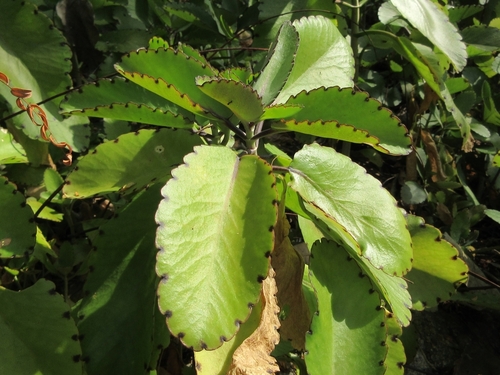
Cathedral bells
Bryophyllum pinnatum
Uncontrolled observational studies of leaf-press-juice tablets in 49 pregnant women and 20 people with cancer reported fewer night awakenings and better subjective sleep quality over 2–3 weeks; there was no control group.
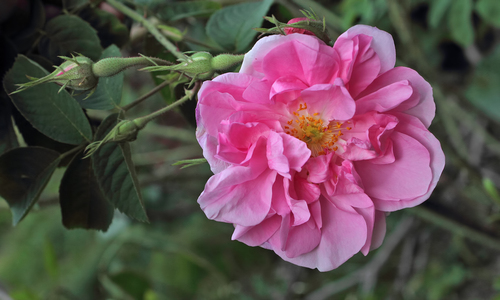
Damask rose
Rosa damascena
Pooled trials of rose-oil inhalation reported better sleep-quality scores (SMD −2.10), but with extreme heterogeneity (I² 95.5%) and no clear effect in younger adults.
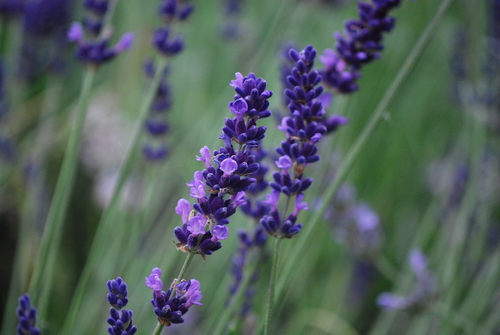
English lavender
Lavandula angustifolia
EMA lists traditional use 'to aid sleep'. NCCIH says it is unclear whether lavender oil aromatherapy improves sleep quality or insomnia.
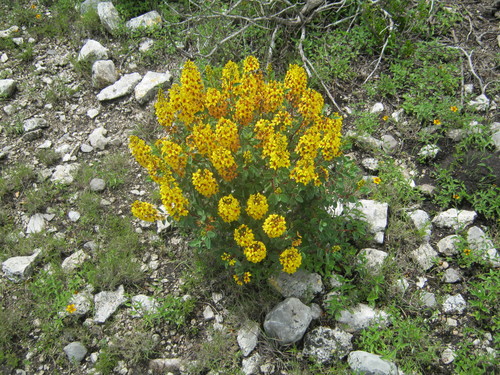
Galphimia
Galphimia glauca
Used in Mexico as a sedative. In a mouse study comparing Mexican insomnia remedies, the methanolic extract of G. glauca was the most active (ED50 22.06 mg/kg). No human sleep trials were found.
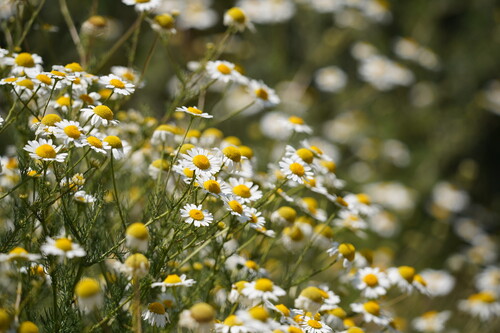
German chamomile
Matricaria chamomilla
A 2019 review found only one trial in people with insomnia, and it showed no benefit.
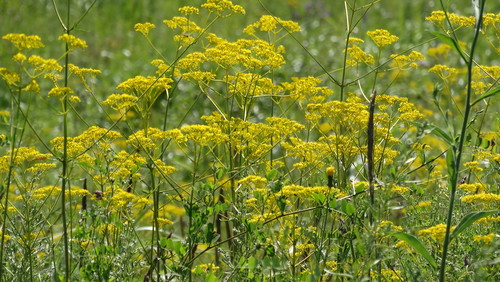
Golden lace
Patrinia scabiosifolia
Ethanol extracts and the volatile oil were sedative in mice and were given as capsules and tablets to patients with neurasthenia and insomnia in older Chinese reports; the review does not describe controlled trials.
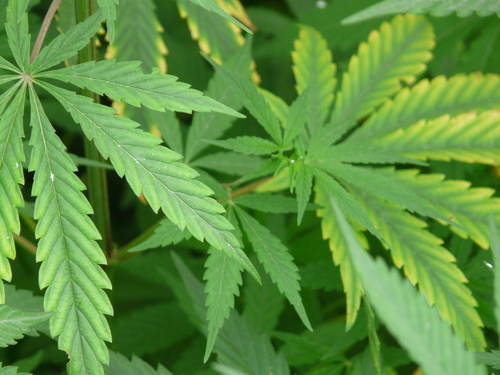
Hemp (Cannabis)
Cannabis sativa
Some studies report better sleep, but it is uncertain whether cannabis products act on sleep directly or via relief of pain or other symptoms; the JAMA review rated sleep evidence low quality.

Indian valerian
Valeriana jatamansi
In a small Indian trial, 30 people with primary insomnia took 4 g of Tagara or Nardostachys jatamansi powder with milk three times daily for a month; both groups improved, Tagara more, but there was no placebo group. A 2026 review judged the evidence for V. wallichii limited, mostly from studies in which sleep was a secondary outcome.
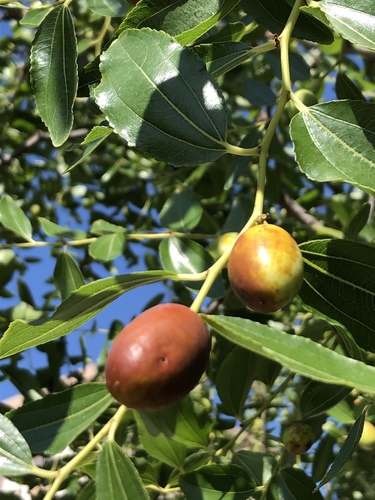
Jujube
Ziziphus jujuba
A 2023 meta-analysis of 9 trials (about 900 people) of Suanzaoren, the seed of var. spinosa, found better self-reported sleep quality than placebo over the short term; long-term results were mixed and the trials were small.

Lemon verbena
Aloysia citrodora
EMA traditional use to aid sleep. In an Iranian trial in 100 people with insomnia, a lemon verbena syrup before bed for 4 weeks improved sleep-quality (PSQI) and insomnia-severity scores more than placebo; a 90-day Spanish trial in 71 healthy people with poor sleep found modest gains in sleep quality and actigraphy measures with a standardised extract.
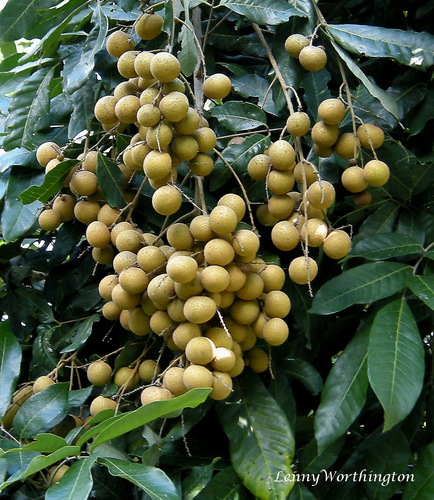
Longan
Dimocarpus longan
A traditional use, mostly within formulas. In a 12-week pilot trial in 34 older adults with insomnia, Kami Guibi-tang (which contains longan aril) and placebo both improved sleep scores, with no clear difference in sleep; the formula group did better on memory tests.
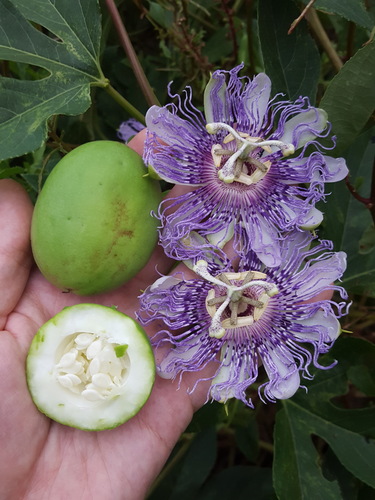
Maypop
Passiflora incarnata
In a 2-week placebo-controlled trial in 110 adults with insomnia, passionflower extract increased total sleep time on polysomnography by about 23 minutes; other sleep measures did not differ from placebo. EMA lists traditional use 'to aid sleep'.
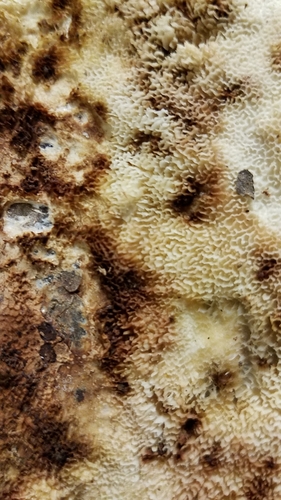
Poria
Wolfiporia cocos
In an uncontrolled study of 21 poor sleepers, 800 mg of an ethanol extract nightly increased measured total sleep from about 327 to 357 minutes and reduced time awake. A randomised trial tested poria only in combination with jujube seed and GABA. No placebo-controlled trial of poria alone was found.
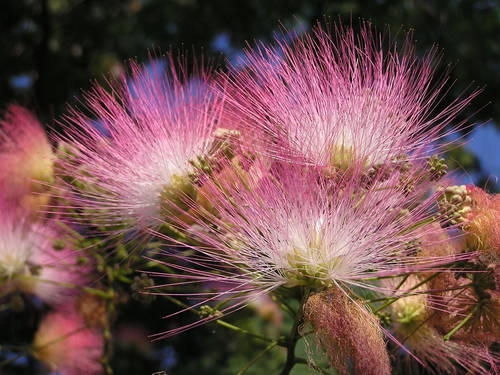
Silk tree
Albizia julibrissin
A decoction of the dried bark is a traditional Asian folk remedy for insomnia; an aqueous extract protected sleep-deprived fruit flies and extracts improved memory loss after sleep deprivation in animals. Formulas pairing it with other herbs are used for depression with insomnia.

Sweet cherry
Prunus avium
The same review found four small studies reporting better sleep with cherry products, almost all with tart cherry; sweet cherry itself is barely tested.

Sweet violet
Viola odorata
A 2022 meta-analysis of five small studies (224 patients, mostly intranasal violet oil) found better overall sleep-quality scores than placebo (PSQI mean difference −4.67) and longer sleep, but no effect on time to fall asleep; heterogeneity was high and study quality poor. In a 2024 trial in 84 postmenopausal women, violet syrup lowered PSQI scores more than placebo (4.9 vs 8.1).
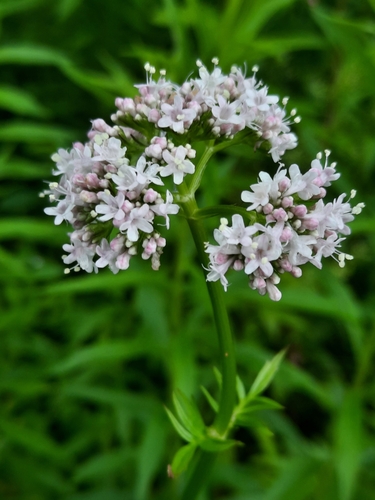
Valerian
Valeriana officinalis
EMA grants well-established use for ethanolic dry extracts for sleep disorders, but results are inconsistent: a 2006 meta-analysis found a relative 'chance of improved sleep' of 1.8 in six studies, with publication bias and poor methods, and the American Academy of Sleep Medicine (2017) recommended against valerian for chronic insomnia in adults.
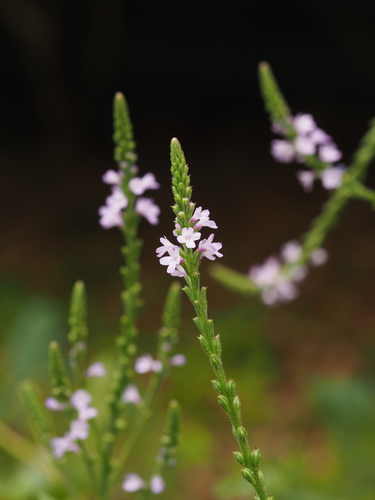
Vervain
Verbena officinalis
Used in folk medicine for sleeplessness. In mice and rats, extracts lengthened drug-induced sleep and shortened the time to fall asleep. Clinical studies are lacking.
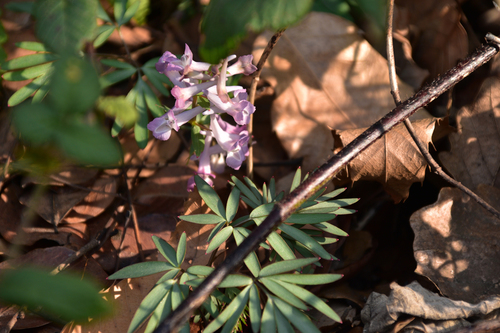
Yan hu suo
Corydalis yanhusuo
Sedative effects of the herb are reported in animal studies. Tetrahydropalmatine, its best-known alkaloid, is sold in Vietnam (as rotundine) as an over-the-counter sedative and sleep aid, but its effect on sleep has not been tested in good trials.
Traditional use
TraditionalLong recorded use, essentially untested in clinical trials.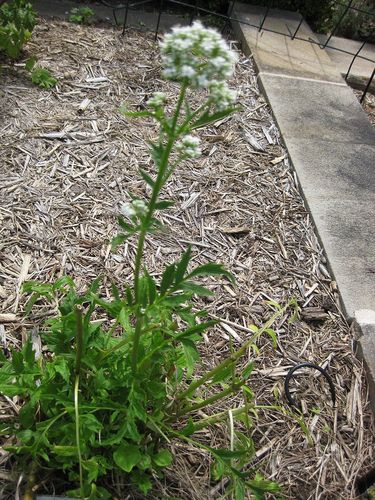
Anise
Pimpinella anisum
Pliny records it as a cure for sleeplessness, and later folk medicine used it for insomnia (Wichtl, 1994). No trials.

Blue lotus
Nymphaea caerulea
Sedation and drowsiness are among the effects reported by users and in emergency case reports; no studies have examined it as a sleep aid.
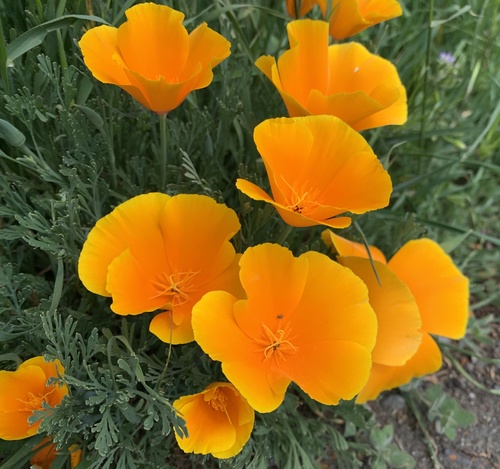
California poppy
Eschscholzia californica
EMA traditional use 'to aid sleep'. The only clinical data are an uncontrolled 6-month study of 60 people with sleep disorders (Baldacci 1984), in which 86% reported good or excellent results; the EMA found the data insufficient for well-established use.

Cat's claw (Gou teng)
Uncaria rhynchophylla
Yi-Gan San was used classically for neurosis, sleeplessness and night weeping and restlessness in infants; sleep-promoting effects of Uncaria hook have been shown only in mice.
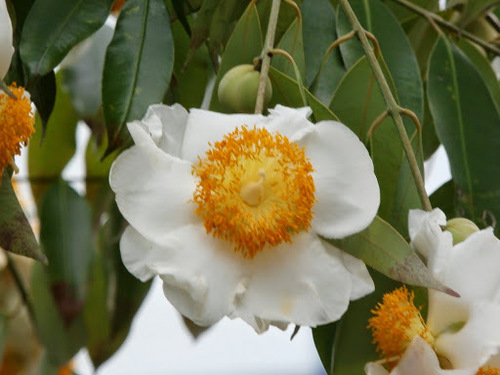
Ceylon ironwood
Mesua ferrea
In Myanmar the flowers, mixed with thanaka, are used for the skin and for insomnia, palpitations, dizziness and breathlessness.
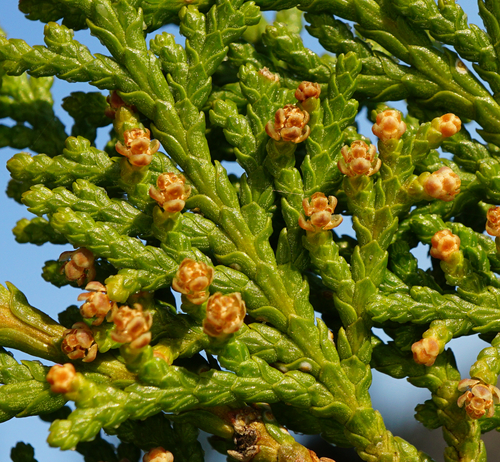
Chinese arborvitae
Platycladus orientalis
The seed (Baiziren, Semen Platycladi) is one of the common herbs in Chinese formulas for insomnia of the 'heart and spleen deficiency' pattern and appears in patent sleep formulas such as Zaoren'anshen tablets.
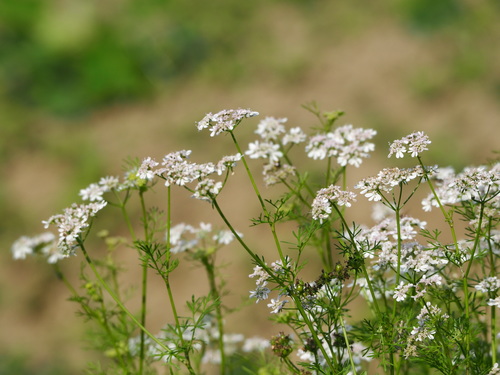
Coriander
Coriandrum sativum
Recorded in Iranian traditional medicine, Morocco and Mexico to promote sleep; no clinical trials.
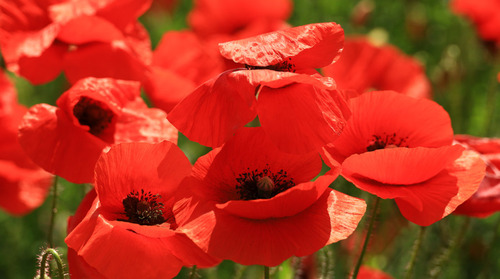
Corn poppy
Papaver rhoeas
Decoctions of the seed heads for insomnia appear in the earliest Hungarian records. Fresh poppy heads were given to crying babies to suck as a sedative 'pacifier', and Turkish folk medicine uses a flower tea for disturbed sleep. No clinical trials were found.

Hawthorn
Crataegus monogyna
EMA traditional use 'to aid sleep'; WHO records its use as a sedative for insomnia in folk medicine, unsupported by experimental or clinical data.

Heather
Calluna vulgaris
Part of the same Estonian sedative tradition; no studies in people with poor sleep.
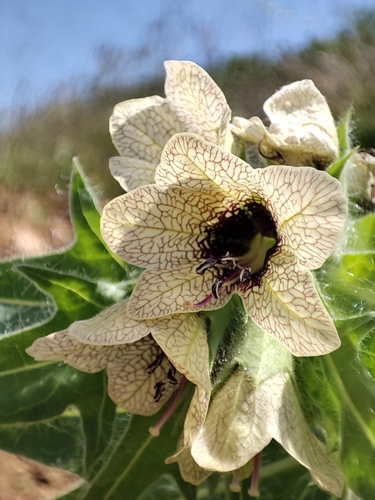
Henbane
Hyoscyamus niger
A sleep-inducing herb from Dioscorides onwards and in Iranian traditional medicine; long abandoned because of its toxicity.
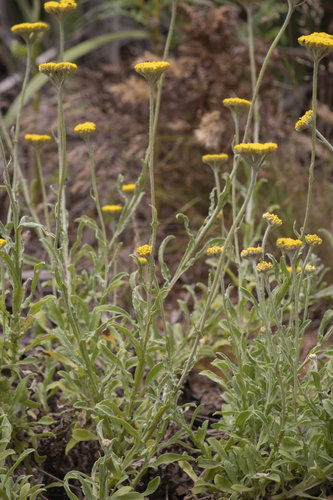
Imphepho
Helichrysum odoratissimum
In KwaZulu-Natal the smoke of burned leaves or stems is inhaled as a sedative and for sleeplessness, and healers inhale it to induce trance. Not studied.
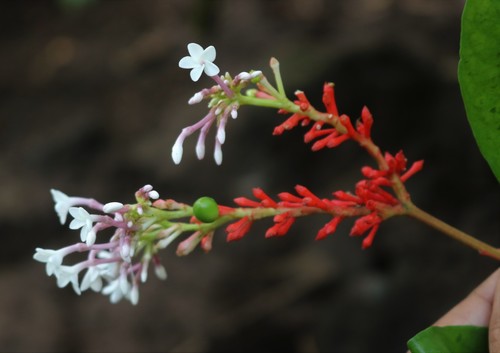
Indian snakeroot
Rauvolfia serpentina
A folk use listed by WHO as unsupported by experimental or clinical data.
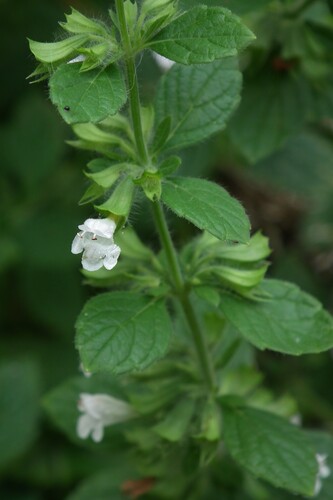
Lemon balm
Melissa officinalis
EU traditional-use indication 'to aid sleep', and WHO lists it as a sedative for nervous disturbances of sleep, based on long use in European handbooks rather than trials.
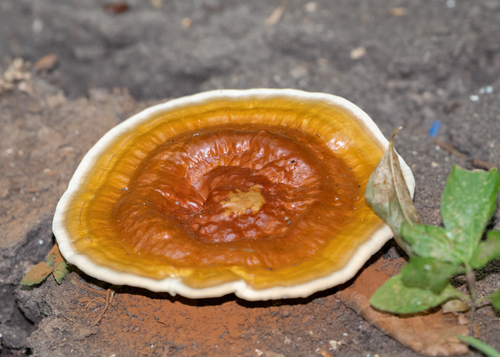
Lingzhi (reishi)
Ganoderma lingzhi
In Chinese tradition lingzhi 'calms the spirit'; no adequate trials for sleep were found.
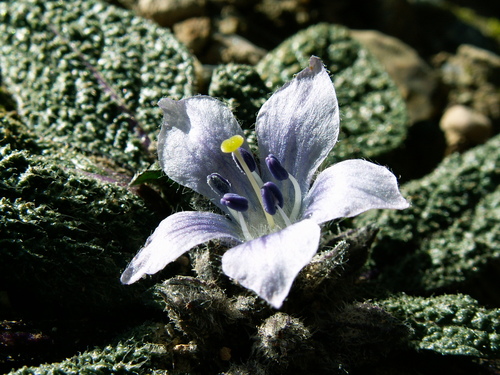
Mandrake
Mandragora officinarum
Medieval formularies include mandrake in 'sleeping pills', sometimes with henbane and opium, applied to the forehead and temples or given by mouth; several vernacular names refer to its sleep-inducing effect.
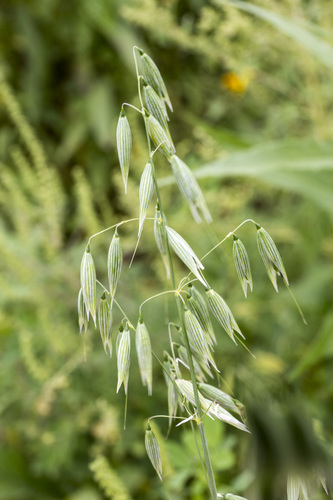
Oat
Avena sativa
Part of the EMA traditional indication ('to aid sleep'); the 2024 smoking-reduction trial reported better sleep-quality scores, but sleep was not its main aim.
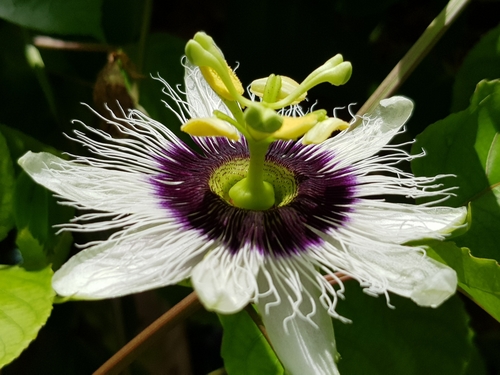
Passion fruit
Passiflora edulis
Leaf and fruit preparations are used as sedatives in folk medicine in Brazil and elsewhere in the Americas, and the Chinese materia medica ZhongHuaBenCao lists insomnia among its uses. Extracts of the aerial parts were sedative at high doses in mice; there are no trials in people with insomnia.
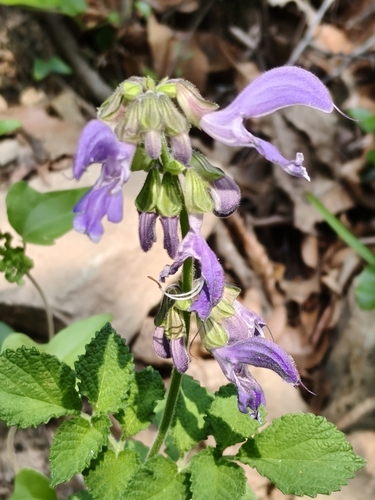
Red sage
Salvia miltiorrhiza
The Chinese Pharmacopoeia lists 'insomnia caused by vexation', and it has been used in China for neurasthenic insomnia; there are no adequate trials.
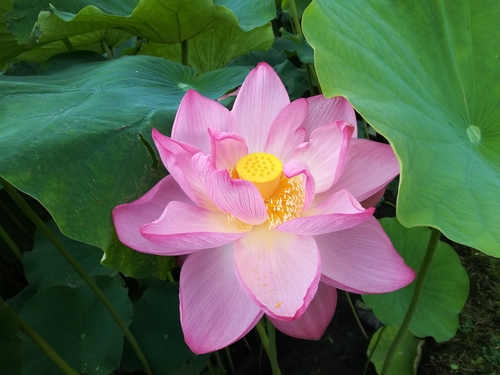
Sacred lotus
Nelumbo nucifera
Used for insomnia and nervous disorders. In Chinese medicine the seed embryo is said to 'calm the mind'. Supporting evidence is from animal studies only.
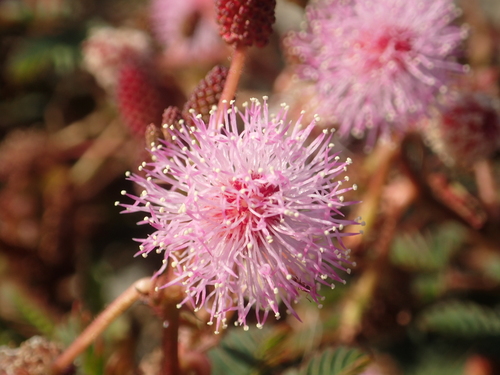
Sensitive plant (Touch-me-not)
Mimosa pudica
In Ecuador the leaves are put in pillows to help sleep, and in Mexico leaf extracts are taken for low mood; there is no human research.
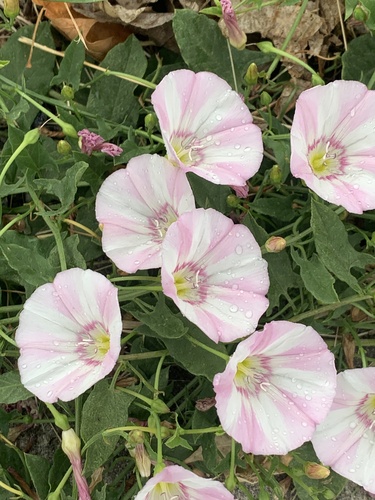
Shankhpushpi
Convolvulus prostratus
Used in Ayurvedic formulations for sleeplessness; extracts lengthened barbiturate-induced sleeping time in rats.
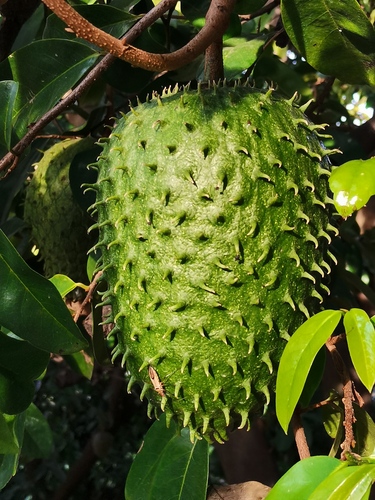
Soursop
Annona muricata
Leaves are used for headaches and insomnia, and sedative effects are attributed to leaves, bark and roots.
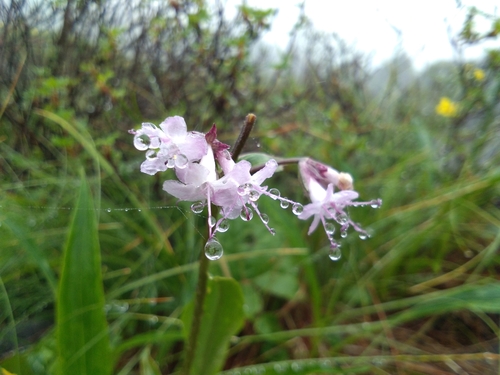
Spikenard
Nardostachys jatamansi
Used in Ayurveda for sleeplessness and as a tranquilliser; animal studies show sedative and tranquillising effects. A 2026 review of Ayurvedic insomnia trials in the elderly lists Jatamansi among the herbs tested but found few, weak studies.
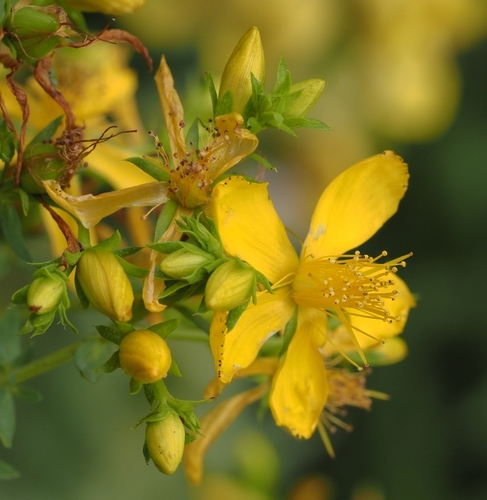
St John's wort
Hypericum perforatum
EMA traditional use of the herbal tea as supportive treatment for nervous restlessness with difficulty falling asleep.
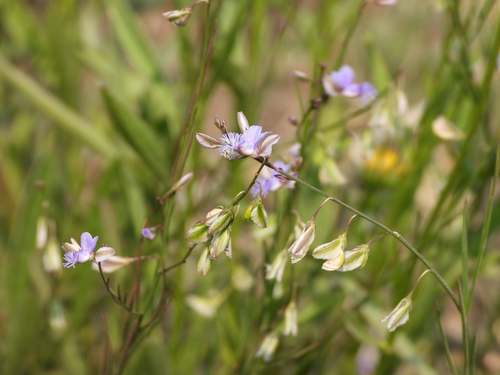
Thin-leaf milkwort
Polygala tenuifolia
The Chinese Pharmacopoeia lists it for insomnia, dream-disturbed sleep and palpitations. Tenuifolin lengthened total and non-REM sleep in animal studies, and more than 70 health products contain the root, most claiming to improve sleep. No clinical sleep trials of the root alone were found.
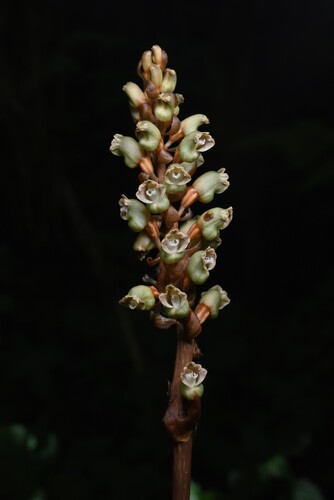
Tian ma
Gastrodia elata
Tian ma preparations in the Chinese Pharmacopoeia are used for insomnia, poor memory and tremor among many other complaints; sedative and hypnotic effects have been reported only in laboratory and animal studies.

Wild lettuce
Lactuca virosa
The latex of L. virosa, lactucarium, was taken as a sedative-hypnotic. Latex from some related Lactuca species (not L. virosa) had sedative effects in mice at 100 mg/kg; there are no human trials.
