The Apothecary / Nerves, sleep & pain
Headache
57 remedies
See a doctor if
Sudden 'worst ever' headache, headache with fever and stiff neck, after a head injury, or with weakness, confusion or loss of vision.
Reference, not prescription. Nothing here is medical advice. Herbs can interact with medicines and be dangerous in pregnancy; tell your doctor or pharmacist about anything you take.
Strong evidence
StrongAn approved medicine, or consistent good-quality trials and reviews.
Moderate evidence
ModerateSeveral trials, mostly positive, or an EMA ‘well-established use’ monograph.
Limited evidence
LimitedSmall or few trials, mixed results, or mainly lab and animal work.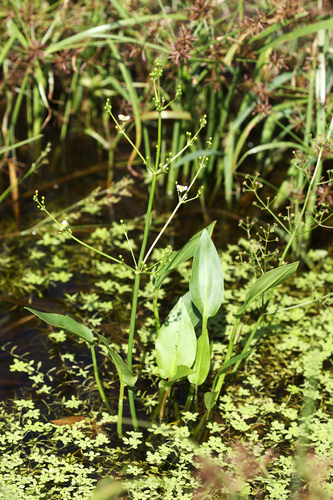
Asian water plantain
Alisma orientale
Only as part of Goreisan (Wuling San), a five-herb Kampo formula that includes Alisma: a meta-analysis of 11 studies (5 randomised) in 9,443 patients found fewer symptomatic recurrences of chronic subdural haematoma after surgery (5.7% vs 7.4%). The effect of Alisma alone cannot be separated.
Butterbur
Petasites hybridus
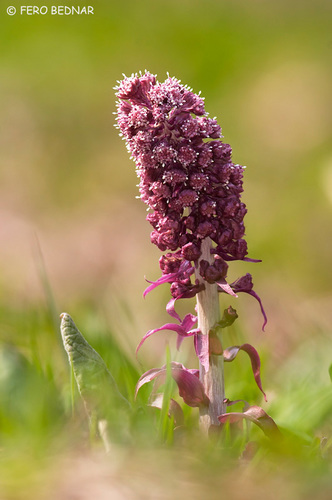
In an open, uncontrolled study, 108 children and adolescents with migraine given 50–150 mg of the root extract for 4 months reported 63% fewer attacks; without a placebo group, pediatric reviewers rate the evidence as poor.
Dahurian angelica
Angelica dahurica
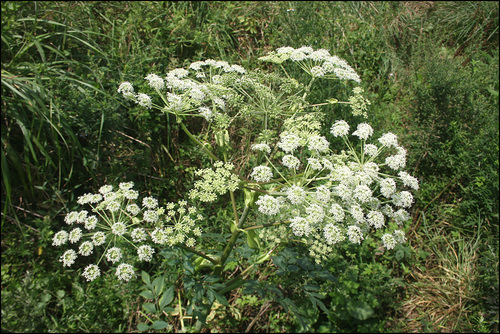
A core herb of Chuan xiong cha tiao san and related formulas for headache in Traditional Chinese Medicine; a 2024 analysis of emergency-department records in China found bai zhi among the eight herbs most often prescribed in decoctions for headache. No trials of the single herb; analgesic effects are shown in animal pain models.
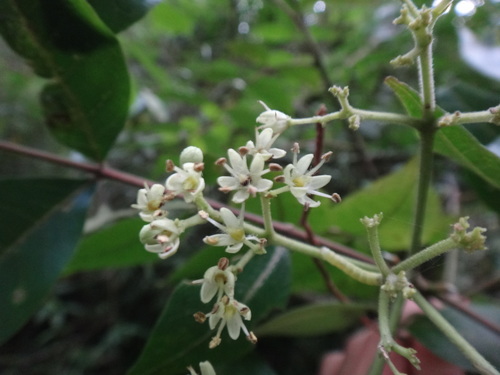
Evodia
Tetradium ruticarpum
In a Japanese trial, 53 chronic-headache patients who had responded to the evodia formula goshuyuto in an open 4-week phase were randomised to goshuyuto or placebo for 12 weeks; headache days fell by 2.6 versus 0.3 days a month (p = 0.034), with no difference in use of rescue painkillers. The responder-only design limits how far the result can be generalised.
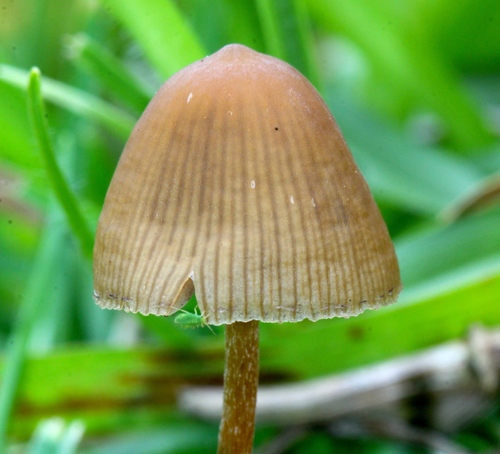
Mexican liberty cap
Psilocybe mexicana
Preliminary studies suggest benefit in cluster headache and migraine.
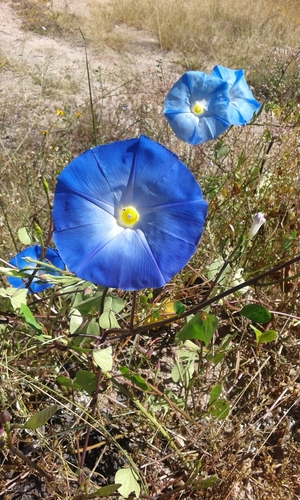
Morning glory
Ipomoea tricolor
A 2025 systematic review found anecdotal and observational reports that LSA (ergine) relieved cluster headache in some people (9 of 12 in one series), mostly using Hawaiian baby woodrose seeds rather than morning glory. There are no controlled trials, and the review concludes LSA poses significant health risks.
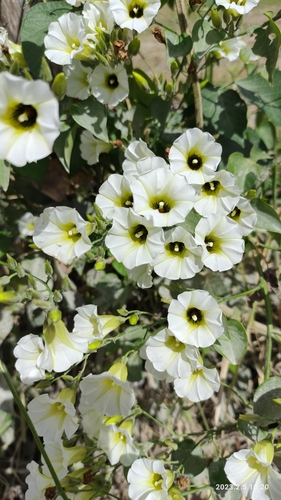
Ololiuhqui
Turbina corymbosa
Observational online surveys of people with cluster headache reported that LSA (mostly from other morning glory seeds) prevented attacks in some, e.g. 20% of 108 respondents; there are no controlled trials.
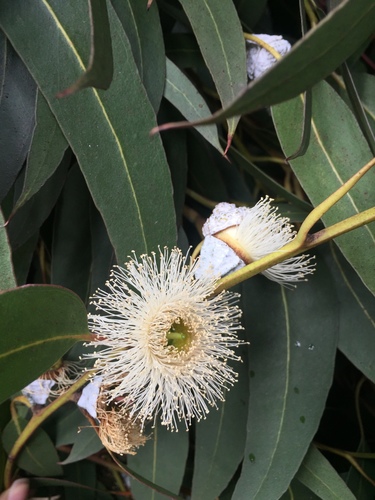
Tasmanian blue gum
Eucalyptus globulus
In a small crossover study of 32 people, ethanol preparations of eucalyptus and peppermint oil rubbed on the forehead improved relaxation and cognitive measures but did not reduce sensitivity to headache pain.
Traditional use
TraditionalLong recorded use, essentially untested in clinical trials.
African moringa
Moringa stenopetala
Healers press juice from fresh leaves and massage it into the forehead for headache and migraine, or drink leaf powder in tea.
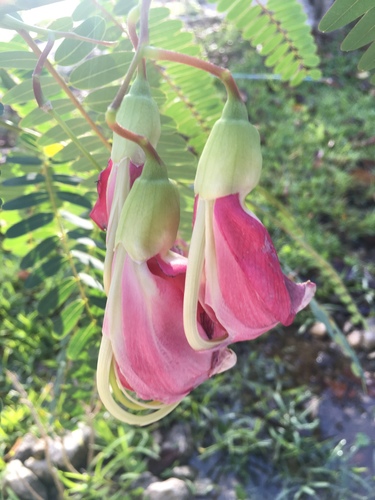
Agati
Sesbania grandiflora
Leaf and flower juice is used for headache in Myanmar folk medicine.
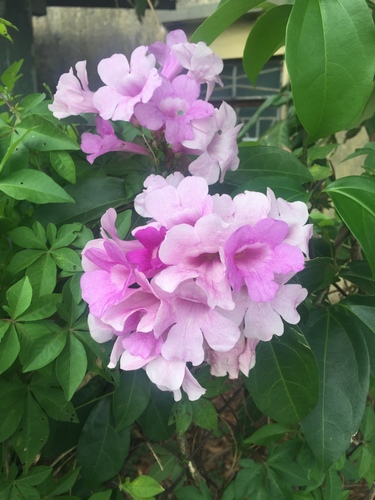
Ajo sacha
Mansoa alliacea
Recorded for headache in the Ecuadorian pharmacopoeia proposal.
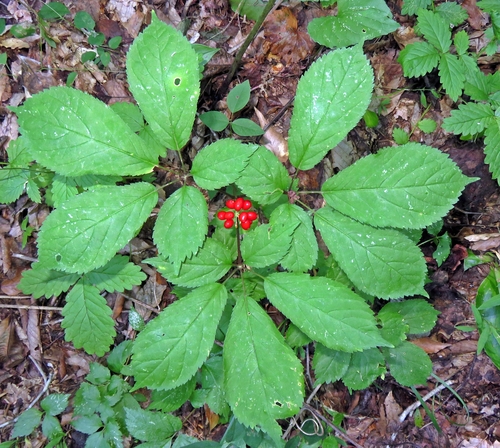
American ginseng
Panax quinquefolius
The Cherokee used the root for headache, and a root decoction was drunk for headaches and cramps (Mooney). Not clinically tested.
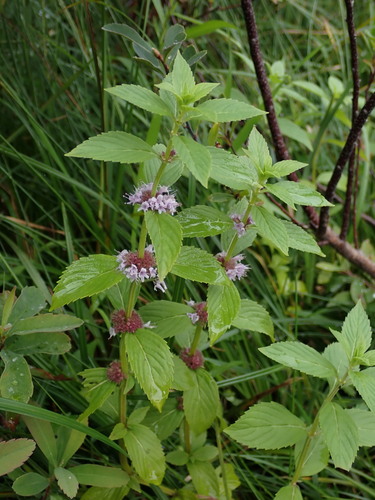
Asian mint
Mentha canadensis
Shennong's Materia Medica lists headache, and Chinese medicine says Bo he 'clears the head'; Cree, Gros Ventre and Keres used leaf infusions for headache.
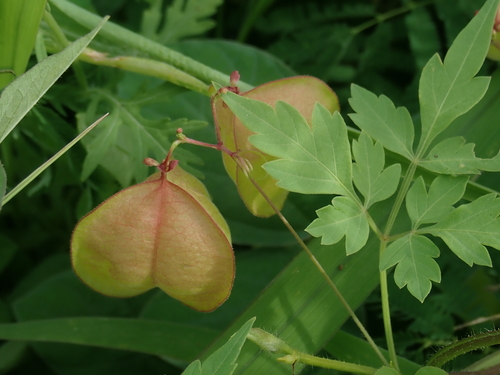
Balloon vine
Cardiospermum halicacabum
Traditional healers in Kancheepuram district, Tamil Nadu, boil the root in oil and apply it to the head before bathing for headache and throat infection.
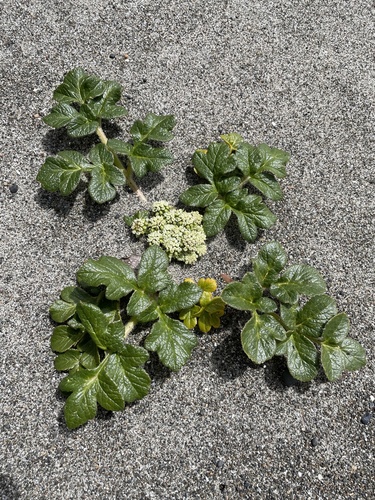
Beach silvertop
Glehnia littoralis
In Korea it is used mainly for migraine and headache.
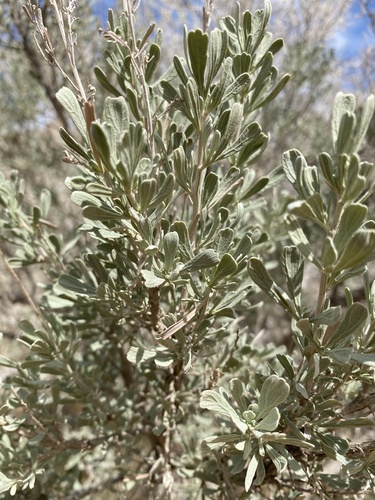
Big sagebrush
Artemisia tridentata
Paiute, Northern Paiute, Shoshoni and Kawaiisu used decoctions, washes, poultices or inhaled smoke for headache.
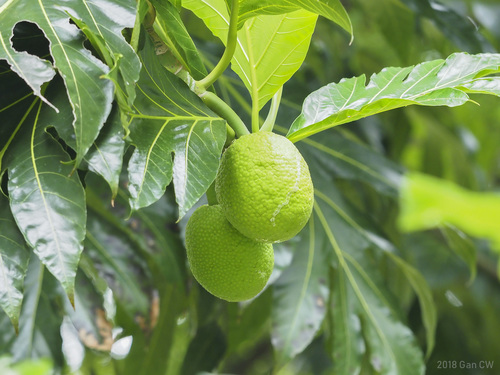
Breadfruit
Artocarpus altilis
On many Pacific islands the bark is used for headaches. Untested.
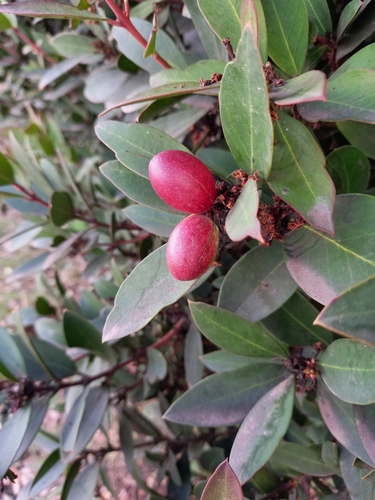
Bushman's poison
Acokanthera oppositifolia
In Ehlanzeni District, Mpumalanga, the leaves are used as powder, infusion or snuff for memory loss, headache and epilepsy, including in children. No clinical testing; given its toxicity this use carries real danger.
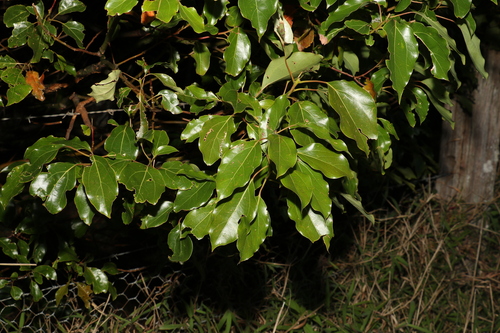
Camphor tree
Cinnamomum camphora
Unani texts use Kafoor in hot conditions for headache and for 'strengthening the senses and brain'; not clinically tested.

Cat's claw (Gou teng)
Uncaria rhynchophylla
In Chinese medicine, gou teng's role in Tianma Gouteng Yin is to pacify the liver and extinguish wind, treating headache, dizziness and insomnia attributed to rising liver yang.
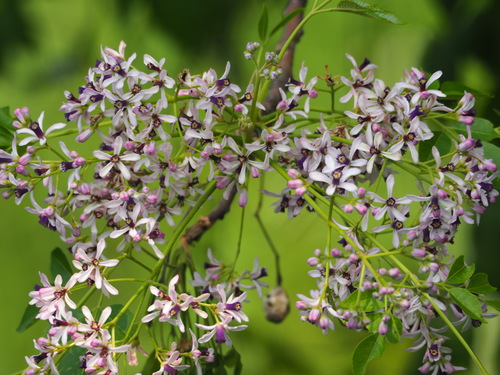
Chinaberry
Melia azedarach
In western India the flowers and leaves were applied locally for nervous headache.
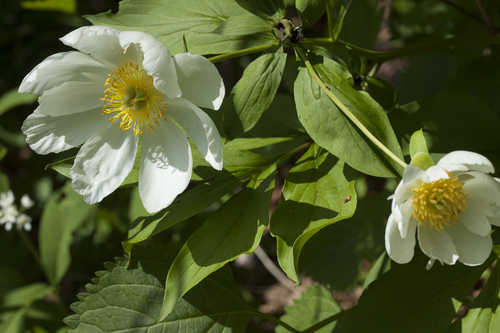
Chinese peony
Paeonia lactiflora
WHO records traditional use for headache and vertigo; untested in trials.
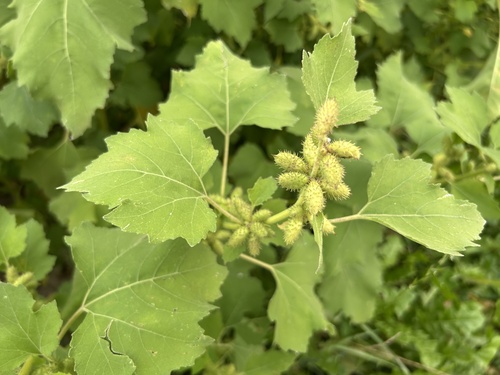
Cocklebur
Xanthium strumarium
Listed among the traditional Chinese uses of Xanthii Fructus, alongside rhinitis and sinusitis; no clinical trials of the herb for headache were found.
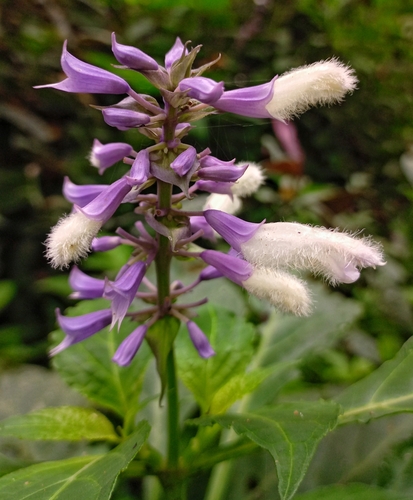
Diviner's sage
Salvia divinorum
Recorded in Mazatec folk medicine for headache; untested in people.
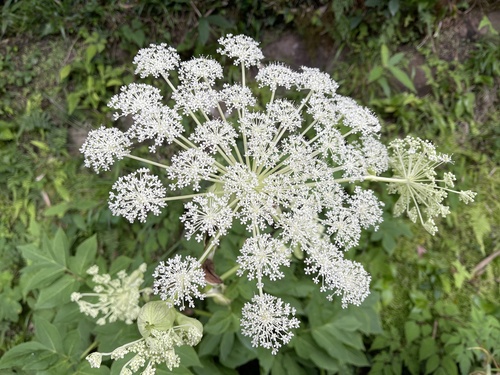
Du huo
Angelica pubescens
Used in Chinese medicine for headache attributed to wind-cold-damp, alone and in formulas such as Zhengtian Wan; no controlled trials of the herb were found.
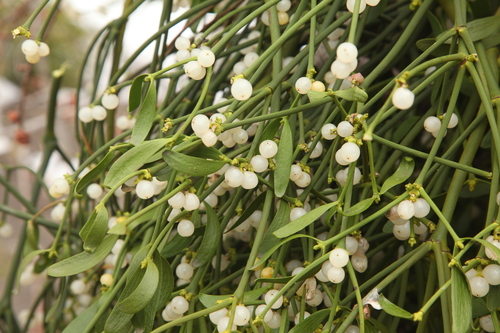
European mistletoe
Viscum album
NCCIH and NCI record traditional use for seizures, headache, menopausal symptoms, nervous tension and asthma, without clinical support.

Feverfew
Tanacetum parthenium
Long European use for headache in general; John Hill wrote in 1772 that 'in the worst headache this herb exceeds whatever else is known'. Only migraine prevention has been tested.
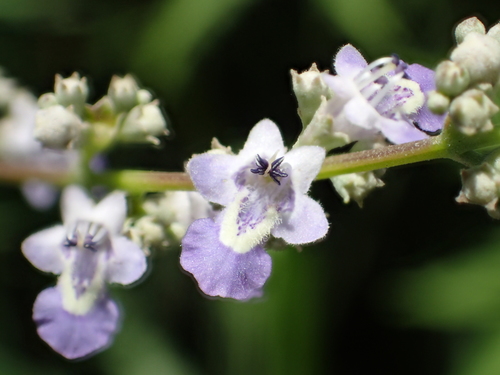
Five-leaved chaste tree
Vitex negundo
In Chinese medicine the stir-fried fruit is used to 'dispel wind-heat' and relieve headache and dizziness.

Florist's chrysanthemum
Chrysanthemum x morifolium
Used for headache and dizziness since the Shennong Bencao Jing, which recorded it for 'dizziness and pain caused by wind'. The Chinese Pharmacopoeia still lists these uses. There are no trials.
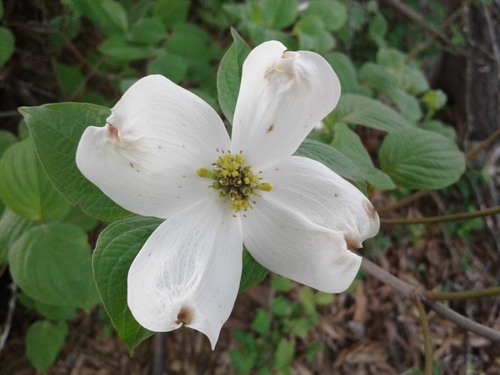
Flowering dogwood
Cornus florida
The Cherokee chewed the bark for headache. King's American Dispensatory lists it for 'headaches from quinine'.
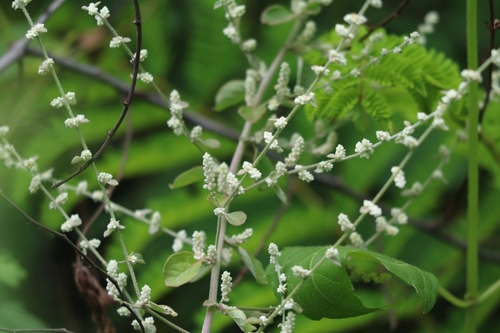
Mountain knotgrass
Aerva lanata
The roots are used for headache in India and in Ayurveda, and the plant for headache in Nigeria. No clinical testing.
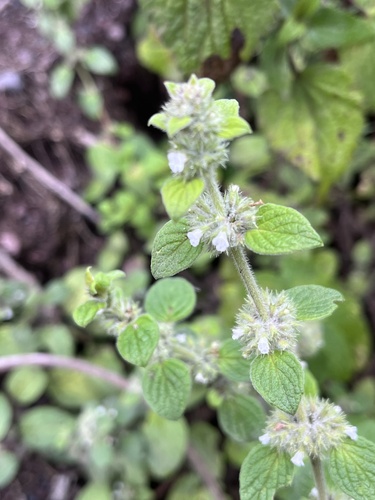
Muña
Minthostachys mollis
Listed as a pain-reliever for headache in Peruvian traditional use. Untested.
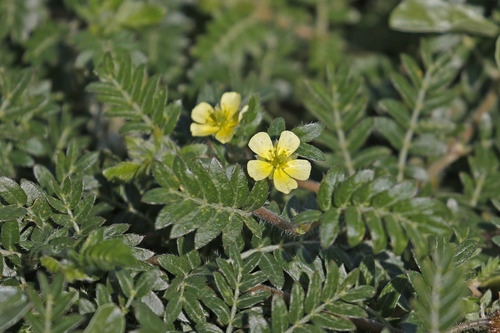
Puncture vine
Tribulus terrestris
The Chinese Pharmacopoeia, as cited by WHO, lists oral use for headache (and for mastitis); no clinical trials.
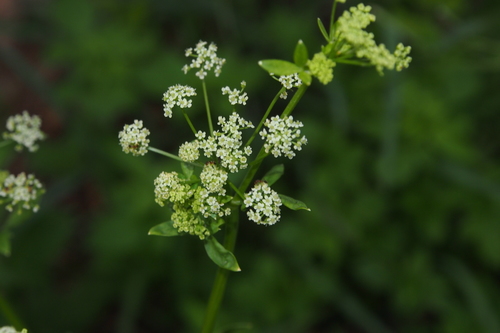
Qian hu
Peucedanum praeruptorum
Headache accompanying colds is among the uses recorded in classical materia medica; untested in trials.
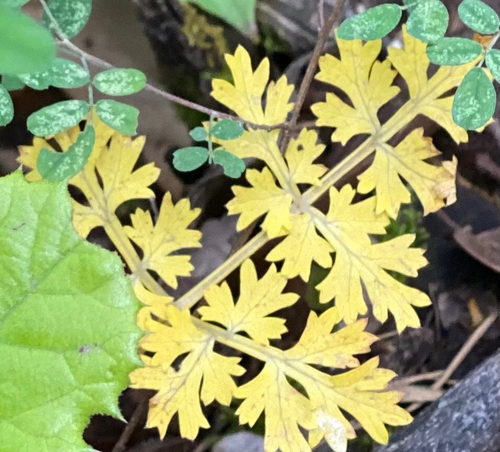
Qiang huo
Notopterygium incisum
Long used in Chinese medicine to relieve headache, especially with colds; its analgesic effect in animal studies targets pain from inflammation and ischaemia. Untested alone in people.
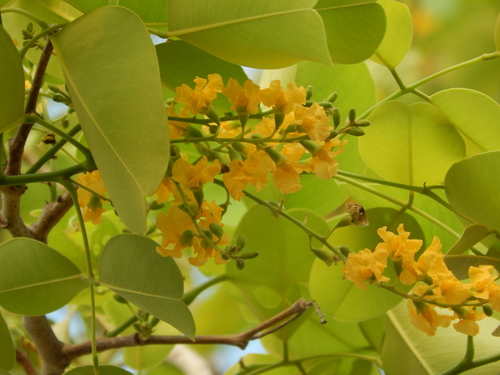
Red sanders
Pterocarpus santalinus
In Ayurveda a paste of the wood is applied externally as a cooling application for inflammations and headache.
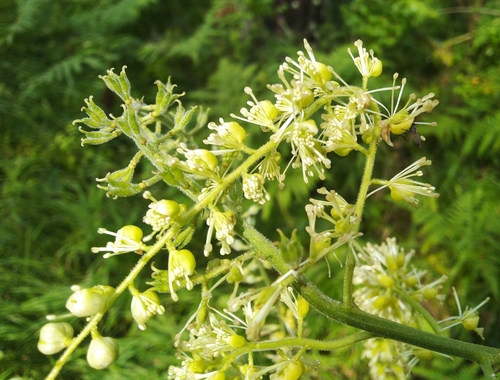
Sheng ma
Actaea cimicifuga
Used for 'wind-heat' headache, and in the Qing-dynasty Shengma Decoction for severe 'thunder headache'; untested.
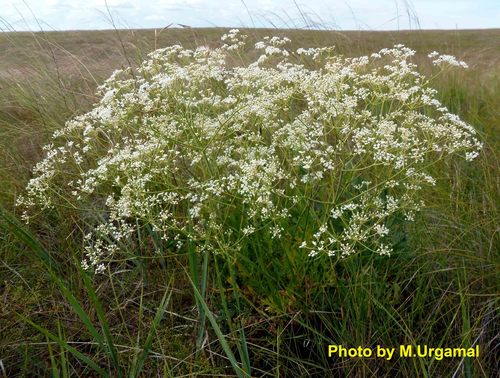
Siler
Saposhnikovia divaricata
Listed with the common cold among its main traditional Chinese uses.
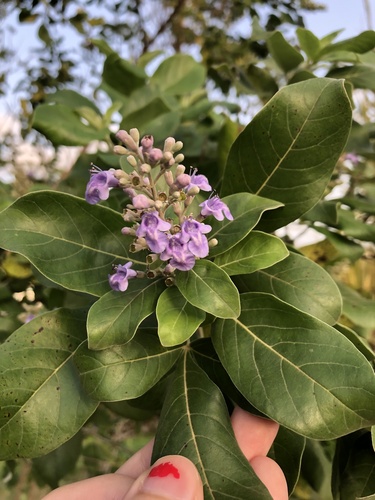
Simpleleaf chaste tree
Vitex trifolia
In Chinese medicine the fruit disperses wind-heat and is used chiefly for headache, migraine and pain around the eyes; in New Caledonia, Rotuma and the Solomon Islands heated leaves are rubbed on the forehead or taken as an infusion for severe headaches. A 2023 review found the clinical evidence poor in method and unclear.
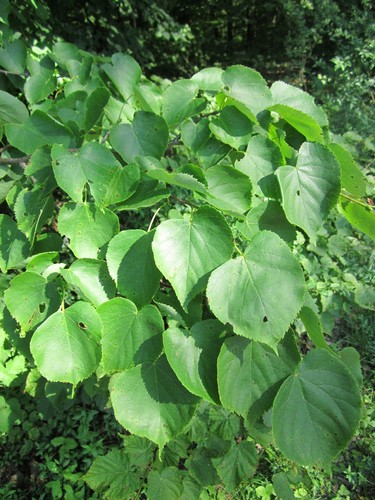
Small-leaved lime
Tilia cordata
Older European herbals record lime flower as a tranquilliser and for headache, migraine and nervous palpitations. EMA did not accept these as indications.
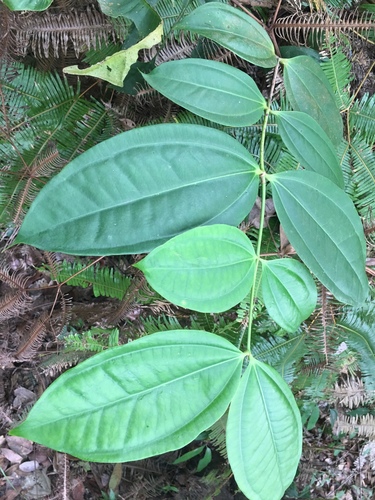
St Ignatius bean
Strychnos ignatii
In Manila the nut was rubbed down with vinegar into a paste and plastered on the temples for violent headache (1832 account).
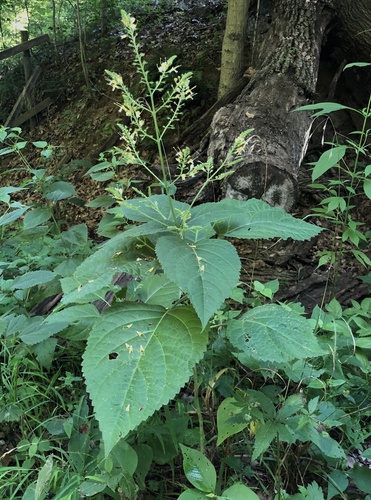
Stone root
Collinsonia canadensis
The Iroquois applied a poultice of powdered leaves to the forehead for headache.

Sweet violet
Viola odorata
Persian physicians rubbed violet oil on the head, soles and navel for headaches they judged 'hot' or caused by 'dryness'.
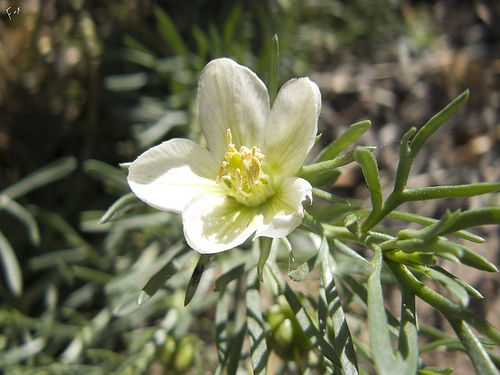
Syrian rue
Peganum harmala
Smoke of the burning seeds inhaled for headache in traditional practice.
Szechuan lovage
Conioselinum anthriscoides
Chuanxiong Cha Tiao San (with notopterygium and dahurian angelica) is the classical Chinese prescription to 'remove wind and relieve pain' in headache due to external wind; Da Chuanxiong Wan, chuan xiong with tian ma, is used for 'head wind' and vertigo.
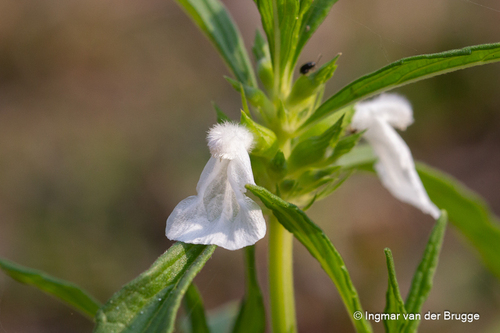
Thumbai
Leucas aspera
Crushed flowers are sniffed through the opposite nostril for migraine, and hot-water extracts are taken for headache.
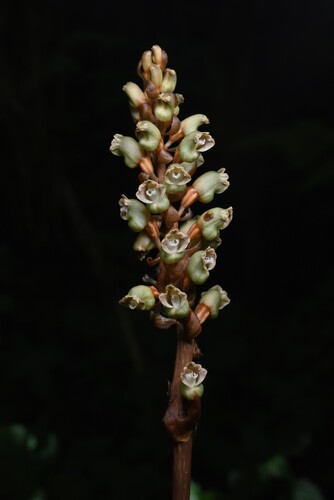
Tian ma
Gastrodia elata
The Chinese Pharmacopoeia (2020) lists headache and dizziness among tian ma's indications; classical formulas such as Tianma Gouteng Decoction and Banxia Baizhu Tianma Decoction are used for them.
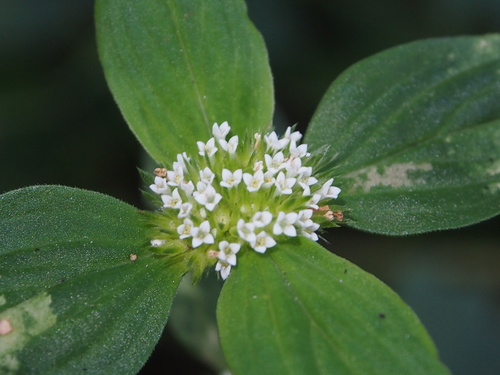
Tropical girdlepod
Mitracarpus hirtus
Listed among its West African leaf uses together with toothache, amenorrhoea, dyspepsia, liver disease, venereal disease and leprosy.

Uzara
Xysmalobium undulatum
Used for headache in traditional African medicine; untested.
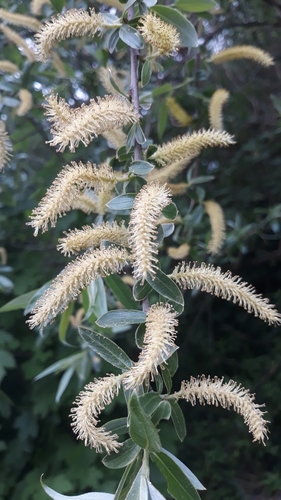
White willow
Salix alba
EMA traditional use for headache; see a doctor if it lasts more than a day.

Wild dagga
Leonotis leonurus
Decoctions are used for headache.

Wild ginger
Asarum sieboldii
One of the standard indications of Asari Radix et Rhizoma in Chinese patent medicines.
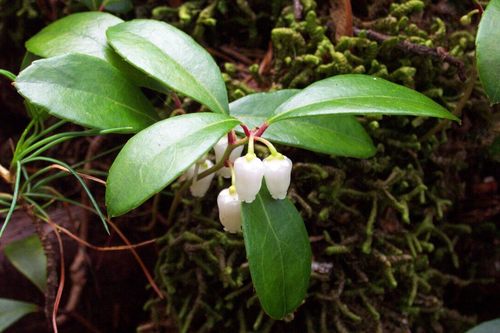
Wintergreen
Gaultheria procumbens
Algonquin of Quebec used an infusion of the plant for headaches and general discomfort.

Xin yi
Magnolia biondii
Has a long history of clinical use for headache alongside rhinitis and sinusitis.
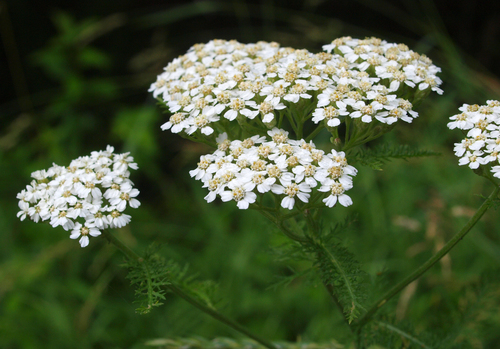
Yarrow
Achillea millefolium
Algonquin people used crushed leaves as a snuff, or a leaf and flower decoction, for headaches.