The Apothecary / Nerves, sleep & pain
Epilepsy and seizures
35 remedies
See a doctor if
A seizure lasting over five minutes, or a first seizure, is an emergency. Never stop anti-seizure medicine; some herbs lower the seizure threshold.
Reference, not prescription. Nothing here is medical advice. Herbs can interact with medicines and be dangerous in pregnancy; tell your doctor or pharmacist about anything you take.
Limited evidence
LimitedSmall or few trials, mixed results, or mainly lab and animal work.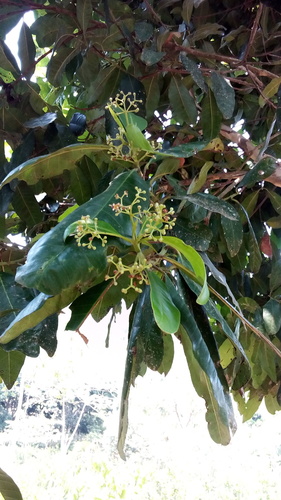
Allspice
Pimenta dioica
Animal study only: an oral leaf extract protected 83.3% of animals in the maximal-electroshock seizure model and delayed chemically induced seizures. No traditional or human evidence was found for this use.

Ammoniac
Dorema ammoniacum
Taken with honey in Persian medicine for epilepsy; an aqueous gum extract (700 mg/kg, injected) had anticonvulsant activity in mice.

Boundary tree
Newbouldia laevis
Nigerian ethnomedicine uses leaves and roots for convulsions and epilepsy; both extracts protected rats against chemically and electrically induced seizures. No human data.
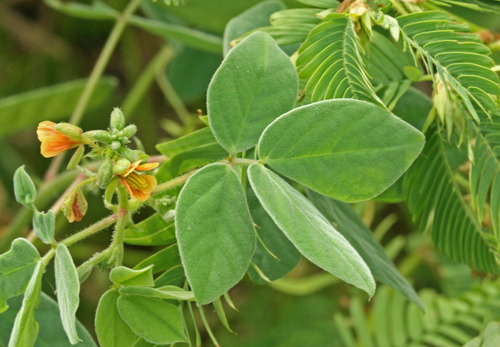
Chaksu
Chamaecrista absus
Seed extracts reduced seizure activity in mice kindled with pentylenetetrazole, apparently through the GABA pathway (the effect was probed with flumazenil).
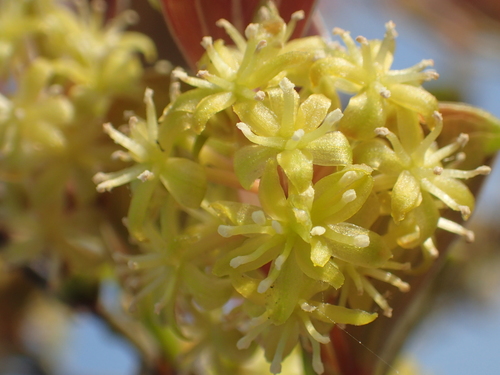
China root
Smilax china
In mice, rhizome extracts (200–400 mg/kg) shortened hind-limb extension in electroshock seizures and delayed chemically (pentylenetetrazole) induced seizures, without impairing motor coordination; they did not prevent electroshock seizures outright.
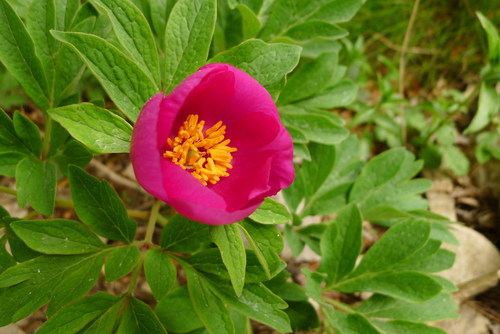
Common peony
Paeonia officinalis
Long used for epilepsy in European medicine. In an open-label pilot study of 30 children aged 1–14 with drug-resistant epilepsy in Iran, a hydroalcoholic root extract added to their usual medicines cut seizure frequency by at least half in 62.5% of the children and by at least 75% in 36.7%. There was no control group. One child became restless, and children who developed constipation stopped treatment. No serious adverse events occurred.
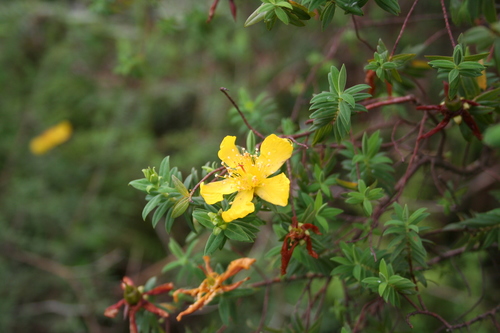
Curry bush
Hypericum revolutum
Used in Cameroon for epilepsy. Two xanthones from the stem strengthened GABA-A receptor currents in frog-egg cells (a lab model), which is relevant to anti-seizure and calming drugs, but nothing has been tested in animals or people.

False abura
Mitragyna inermis
Leaf and seed decoctions are used for epilepsy in Mauritania. Stem-bark and leaf extracts delayed tonic seizures induced by pentylenetetrazol in mice; oxindole alkaloids (pteropodine, isopteropodine, mitraphylline, corynoxeine) were isolated.
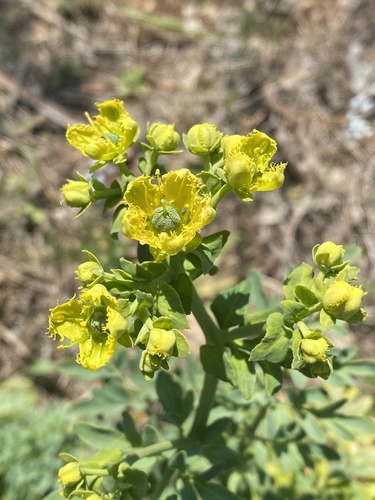
Fringed rue
Ruta chalepensis
Folk medicine uses it for convulsions. In mice, an ethyl-acetate fraction cut tonic-clonic seizures and deaths in two seizure models, but the highest dose (1000 mg/kg) flattened the EEG into a coma-like state, a sign of neurotoxicity. No human studies were found.

Galbanum
Ferula gummosa
Barijeh is an antiepileptic in Iranian traditional medicine. In mice, a seed acetone extract protected against chemically induced (ED50 55 mg/kg) and electroshock (ED50 198 mg/kg) seizures, and a root extract also worked in both models. The fruit essential oil's protective dose caused neurotoxicity and was close to its lethal dose. No human studies were found.
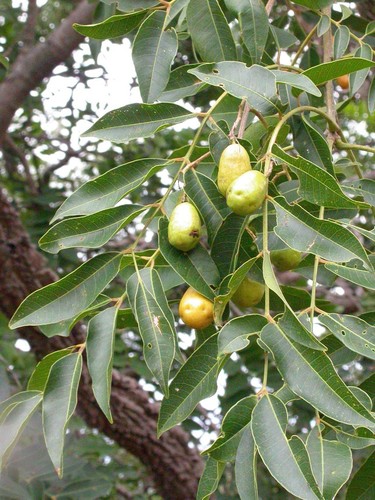
Hog plum
Spondias mombin
Leaf extracts blocked picrotoxin-induced convulsions in rats; no human data.
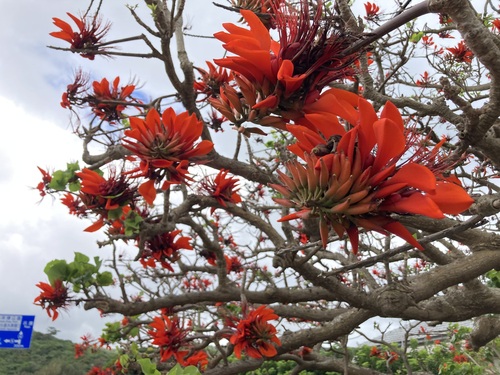
Indian coral tree
Erythrina variegata
Recorded as an antiepileptic in traditional medicine; the bark alkaloids had anticonvulsant effects in mice given pentylenetetrazole. No human data.
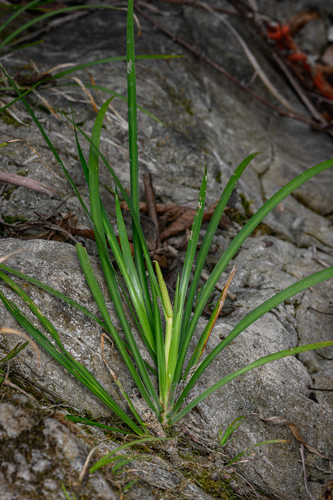
Japanese sweet flag
Acorus gramineus
Water extract and essential oil of A. gramineus delayed or reduced pentylenetetrazole-induced seizures in mice, apparently through GABA. No human trials.
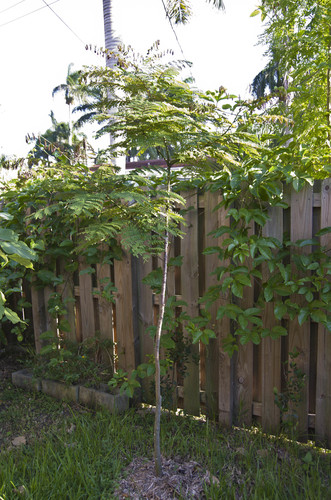
Prekese
Tetrapleura tetraptera
Used in West African medicine for convulsions. In a rat study (n = 5 per group), oral fruit extract (500 mg/kg) suppressed seizures caused by pentylenetetrazol and reduced brain oxidative stress, with results similar to the standard drug sodium valproate. There are no human data.
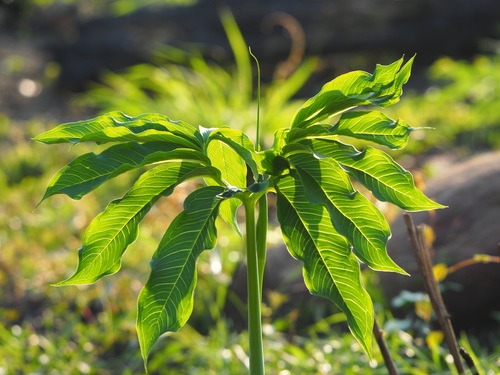
Tian nan xing
Arisaema heterophyllum
The genus is used for epilepsy and tetanus. Bile-fermented Arisaema is a traditional Chinese medicine for febrile convulsions in infants. In rats, an extract of cattle-bile Arisaema (made from the related A. erubescens) protected against febrile seizures. There are no human trials.
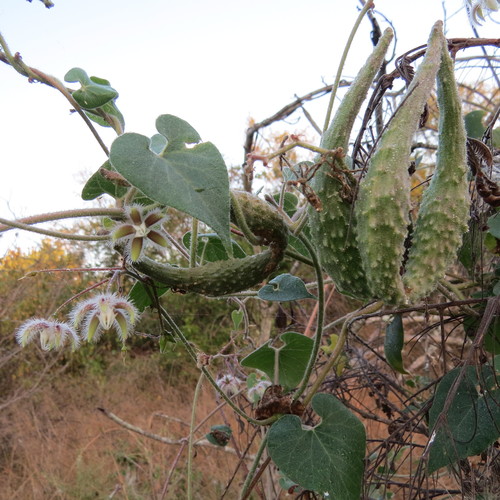
Trellis vine
Pergularia daemia
Healers in northern Cameroon and Benin use root decoctions for epilepsy and febrile seizures. In mice, a root decoction given after pilocarpine-induced status epilepticus delayed later seizures and protected cultured neurons. No human data.
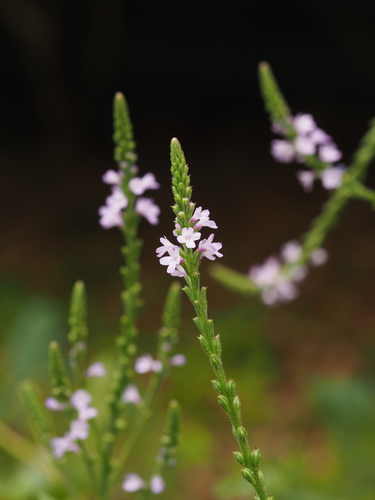
Vervain
Verbena officinalis
Local Iranian folk medicine uses it for convulsions. In mice the extract delayed and shortened chemically induced seizures, an effect blocked by flumazenil and naloxone. There is no human evidence.
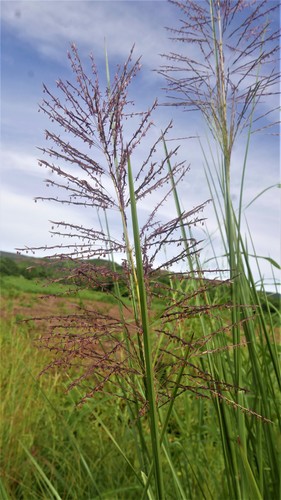
Vetiver
Chrysopogon zizanioides
An ethanol root extract (400 mg/kg) protected mice against induced seizures, and the oil reduced seizures and brain oxidative damage in rats. Notably, the same mouse study put the extract's LD50 at only 600 mg/kg.
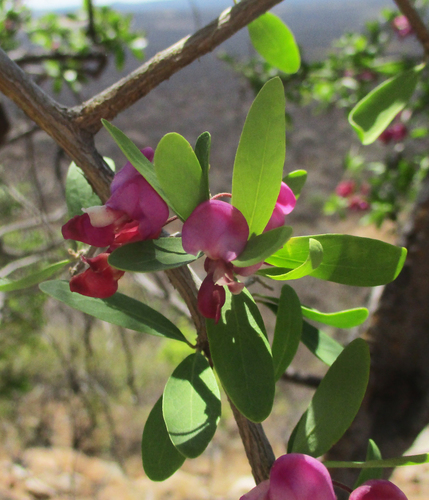
Violet tree
Securidaca longepedunculata
Reported as an epilepsy remedy in Nigeria, Ethiopia, Cameroon, Zimbabwe and Burkina Faso. A root extract had anticonvulsant activity in earlier animal work. In zebrafish larvae, a bark dichloromethane extract and two of its xanthones reduced chemically induced seizure-like activity, while the ethanol extract caused paradoxical excitation and was lethal above low concentrations.

West African pepper
Piper guineense
A water extract given by injection protected mice against sound-, NMDLA- and electroshock-induced seizures without obvious sedation, but not against pentylenetetrazole. Animal work only.
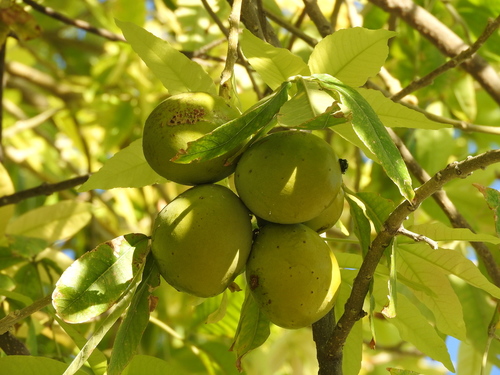
White sapote
Casimiroa edulis
Oral leaf and seed extracts protected rats against electroshock and metrazole seizures, in some tests nearly as well as phenytoin. Animal work only.

Wild dagga
Leonotis leonurus
Dried leaves and flowers are smoked, or a decoction taken, for epilepsy. In zebrafish larvae, the smoke extract and its two main labdane diterpenoids (leoleorins A and B) suppressed chemically induced seizure-like behaviour. No human studies.
Traditional use
TraditionalLong recorded use, essentially untested in clinical trials.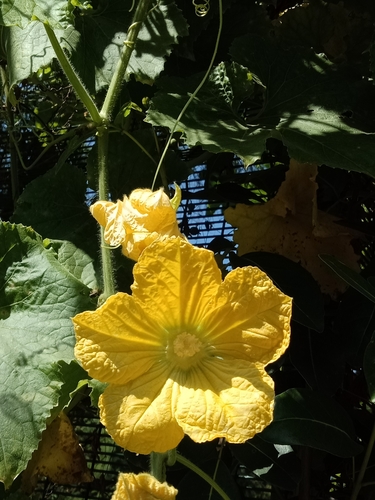
Ash gourd
Benincasa hispida
Ayurveda prescribes Kushmanda for epilepsy (Apasmara), and Kushmanda Lehyam is used for epilepsy and neuropsychological conditions. Fresh juice and water extracts reduced seizures in animal studies; no human seizure trials were found.
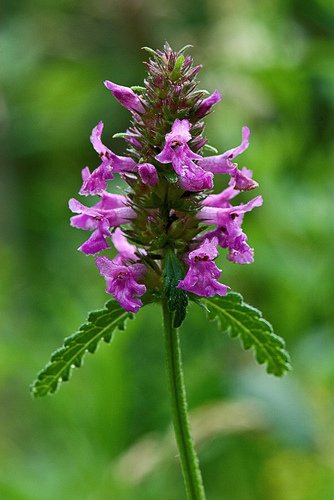
Betony
Betonica officinalis
Listed among herbs used for epilepsy in the United States; no clinical or modern animal data on betony itself were found.
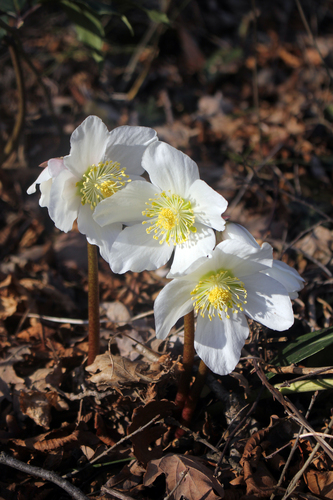
Christmas rose
Helleborus niger
Paracelsus recommended the root extract for epilepsy and apoplexy, according to a modern review of its history. No clinical evidence was found.
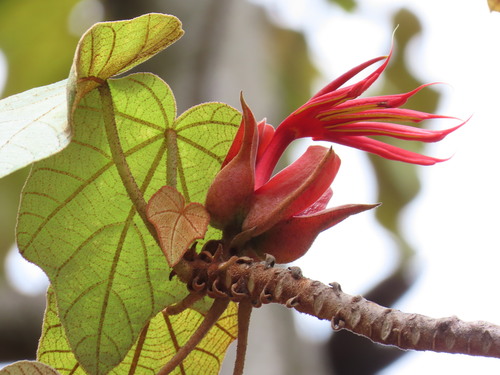
Devil's hand tree
Chiranthodendron pentadactylon
Recorded as a current folk use of the flowers in Mexico; not tested.
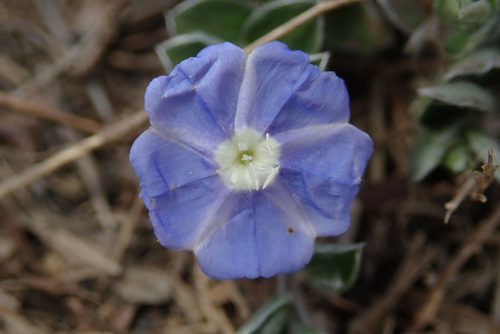
Dwarf morning glory
Evolvulus alsinoides
Ayurveda credits the plant with antiepileptic as well as memory-enhancing properties. No clinical testing was found.
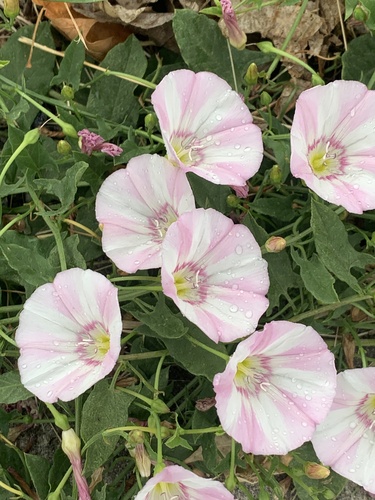
Shankhpushpi
Convolvulus prostratus
Charaka used the white-flowered Shankhpushpi with brahmi juice, vacha and kushtha for insanity and epilepsy; anticonvulsant effects have been reported in animals.
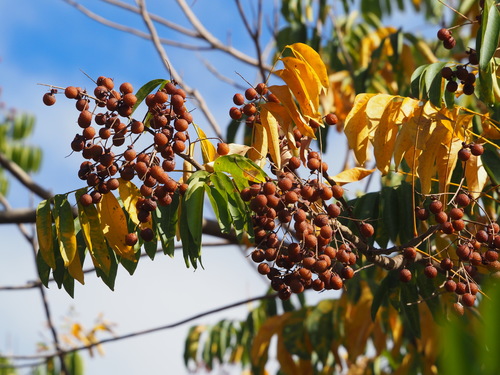
Soapnut
Sapindus mukorossi
Fruit is used for epilepsy in Myanmar and India and in natural medicine generally; there is no clinical evidence.
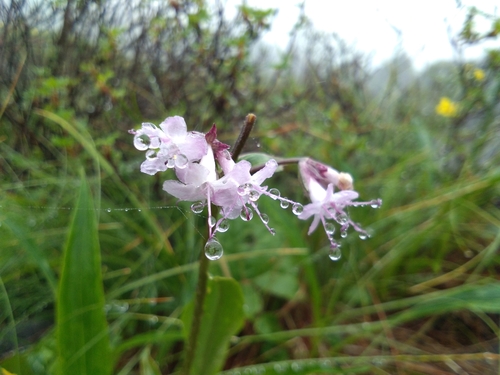
Spikenard
Nardostachys jatamansi
In Ayurveda the rhizome is used for epilepsy and hysteria; anticonvulsant activity has been shown only in animal studies.
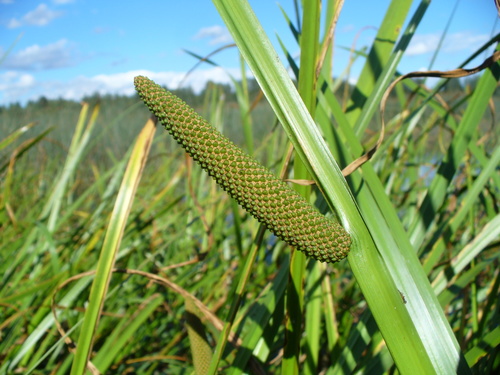
Sweet flag
Acorus calamus
In India, rhizome paste with honey is a folk remedy for epilepsy, and the Cherokee gave an infusion to 'prevent recurrent spasms'. Extracts reduced seizures in mice and rats, but no human trials were found, and calamus oil was neurotoxic at the highest dose tested in mice.
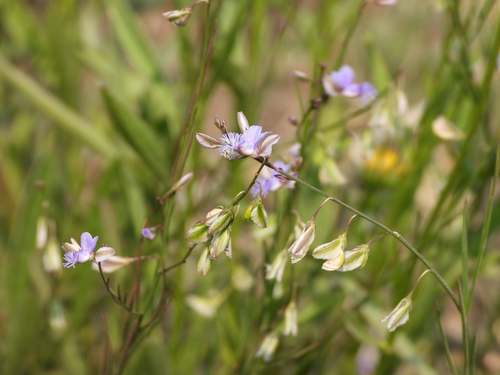
Thin-leaf milkwort
Polygala tenuifolia
Listed among its clinical uses in Chinese medicine; antiepileptic activity has been reported in animal studies only.
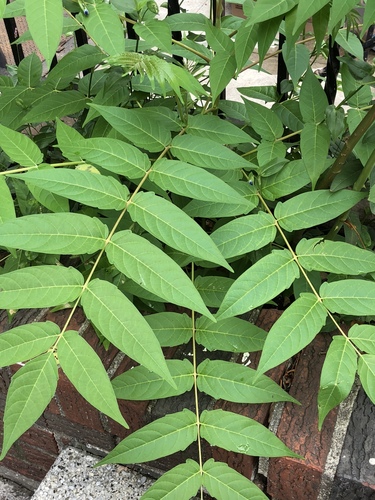
Tree of heaven
Ailanthus altissima
Epilepsy is listed among the ailments the bark has treated for centuries. There is no supporting research.

Voacanga
Voacanga africana
Stem bark is used for convulsions in children in Côte d'Ivoire, Ghana, Cameroon and the Congo. It has not been clinically tested; at very high doses the related alkaloid ibogaine causes tremors in rats.
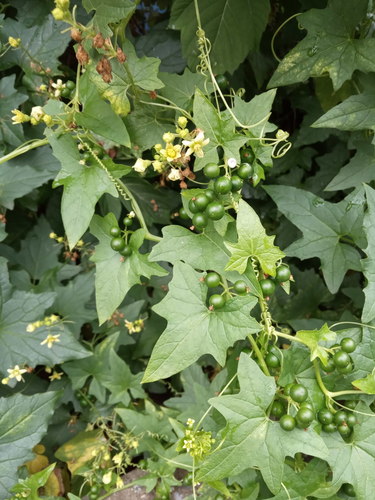
White bryony
Bryonia alba
Listed as an antiepileptic in Traditional Iranian Medicine under the name fashra; a 2013 review found no or insufficient studies to confirm any effect.