The Apothecary / Nerves, sleep & pain
Pain (general)
86 remedies
See a doctor if
Severe, unexplained or worsening pain; chest pain is an emergency.
Reference, not prescription. Nothing here is medical advice. Herbs can interact with medicines and be dangerous in pregnancy; tell your doctor or pharmacist about anything you take.
Strong evidence
StrongAn approved medicine, or consistent good-quality trials and reviews.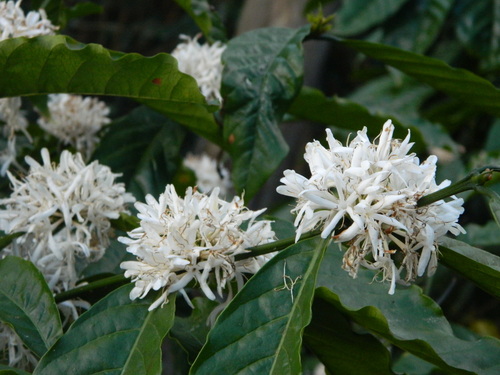
Arabica coffee
Coffea arabica
The same review covered dental, postpartum and other acute pain; the small benefit did not depend on the type of pain or painkiller.
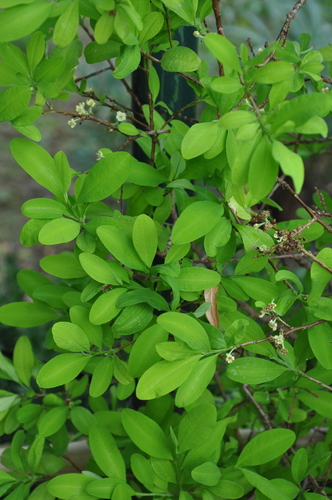
Coca
Erythroxylum coca
Cocaine hydrochloride 4% nasal solution (Goprelto, FDA-approved 2017) is licensed to anaesthetise the lining of the nose for diagnostic procedures and surgery in adults; it also constricts blood vessels.

Colombian coca
Erythroxylum novogranatense
This applies to purified cocaine, not the leaf. Cocaine hydrochloride 4% nasal solution (Goprelto) is FDA-approved to numb the lining of the nose for diagnostic procedures and surgery in adults. Cocaine and its derivatives were the first local anaesthetics known to science.

Magician's cone snail
Conus magus
Approved for severe chronic pain needing intrathecal therapy in patients intolerant of or not helped by other treatments, including intrathecal morphine. In three placebo-controlled studies (589 patients), pain scores fell from 74 to 35 mm with ziconotide versus 61 mm on placebo in cancer/AIDS pain, and from 80 to 54 versus 72 mm in other pain; the 3-week study showed only a trend.

Opium poppy
Papaver somniferum
Morphine, isolated from opium by Sertürner in 1804, and codeine are approved analgesics on the WHO Model List of Essential Medicines. They are prescription medicines given in measured doses, never home preparations of the plant.
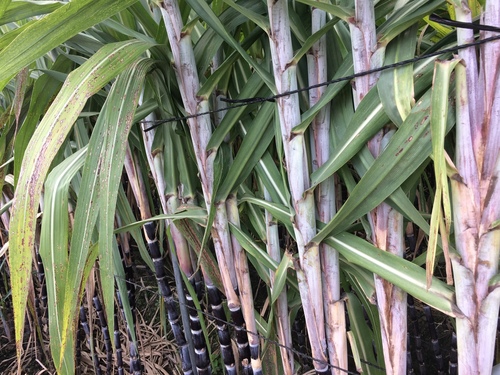
Sugarcane
Saccharum officinarum
A Cochrane review of 74 studies (7,049 infants) found high-quality evidence that 24% sucrose given by mouth or on a dummy before heel lance, venepuncture or injection reduces pain scores in preterm and term newborns, with only minor side effects. This applies to sucrose from any source (cane or beet).
Limited evidence
LimitedSmall or few trials, mixed results, or mainly lab and animal work.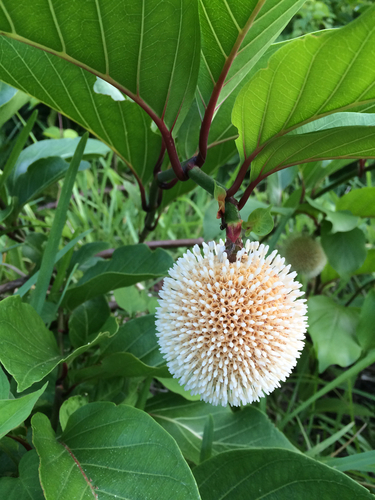
African peach
Sarcocephalus latifolius
Used traditionally for painful conditions; anti-nociceptive effects shown only in rodent pain tests.

Ajwain
Trachyspermum ammi
In a randomised trial in 52 children aged 6–10, ajwain oil applied to the gum reduced pain from dental anaesthetic injections more than 15% lidocaine spray. A single small trial.

Akuamma
Picralima nitida
Seeds are used traditionally for pain. The isolated alkaloids bind mu and kappa opioid receptors, but in a 2021 study the mu-acting alkaloids showed limited pain relief in mice, contradicting earlier reports. In a 2024 US web survey, 28 of 369 respondents had tried akuamma, mostly for pain or opioid substitution, and 61% of them reported relief; there are no controlled trials.

Boundary tree
Newbouldia laevis
Leaves and roots are prescribed in Nigeria for pain. Leaf and root extracts (100–400 mg/kg) had dose-dependent, opioid-receptor-involving analgesic effects in rats, and a leaf-extract formulation matched diclofenac in an animal pain model.
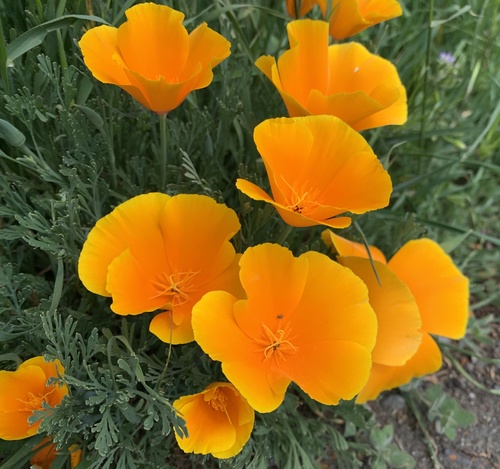
California poppy
Eschscholzia californica
Traditionally an analgesic in Western herbalism; Health Canada authorises a product as an analgesic and mild sedative. Its supporting study was a small open-label trial in 20 people with chronic pain.
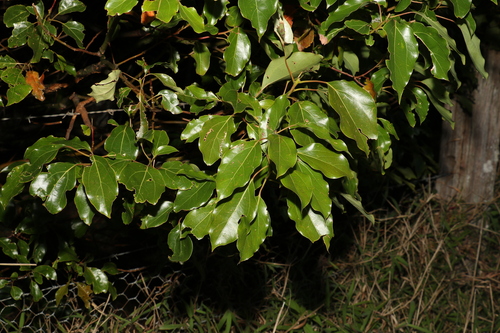
Camphor tree
Cinnamomum camphora
A bibliometric review of camphor–menthol topical products (2010–2022) found them potentially effective for pain and itch but too few studies to make a recommendation.
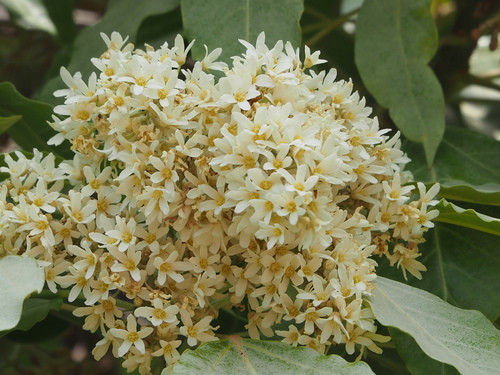
Candlenut
Aleurites moluccanus
Leaves are used in folk medicine for pain, fever, asthma, hepatitis, gastric ulcer and inflammation, and a standardised leaf extract has been extensively studied as a potential anti-inflammatory and analgesic medicine; it passed rodent and minipig toxicity studies (2026) in preparation for clinical trials. No human efficacy data yet.
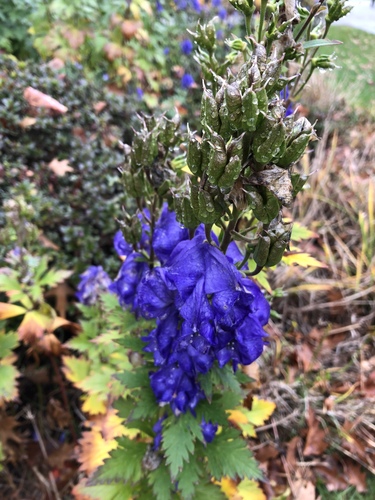
Chinese aconite
Aconitum carmichaelii
Aconitine reduces pain in animal models through effects on nerve ion channels, but analgesic benefit has not been established in people, and the same mechanism underlies its neurotoxicity.
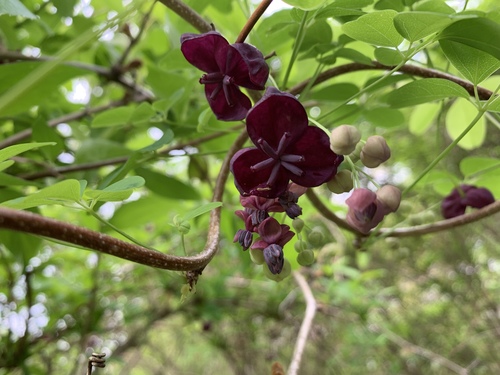
Chocolate vine
Akebia quinata
Used as an analgesic and anti-inflammatory in traditional medicine. A stem extract (100–250 mg/kg by mouth) and its sapogenins hederagenin and oleanolic acid reduced pain responses in mice and paw swelling in rats.

Cochlospermum
Cochlospermum tinctorium
Used in West Africa for pain and inflammatory conditions; leaf, root and root-bark extracts reduced writhing in mice and paw swelling in rats.
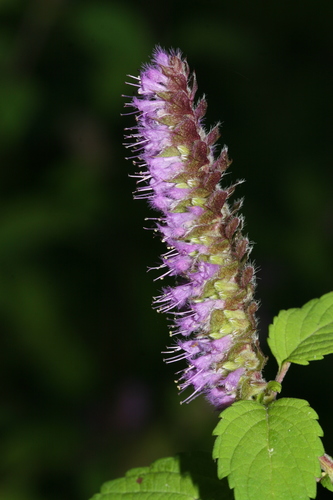
Crested late-summer mint
Elsholtzia ciliata
An ethanol extract and its dichloromethane fraction reduced pain responses in mice (formalin test), and a review lists analgesic and anti-inflammatory activity from lab studies.
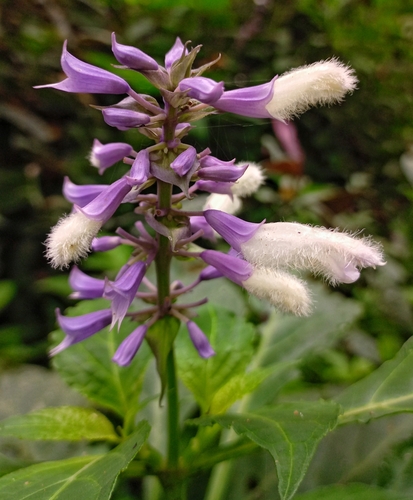
Diviner's sage
Salvia divinorum
Salvinorin A was antinociceptive in many animal tests, though results conflict, and an extract eased neuropathic pain in rats. No placebo-controlled clinical trials exist.
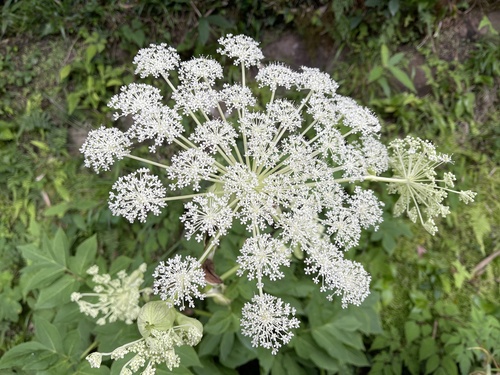
Du huo
Angelica pubescens
Root extracts and coumarins from the root (columbianadin, columbianetin acetate, bergapten, umbelliferone) reduced pain and inflammation in rodent tests, and an ethanol extract inhibited COX-1 and COX-2 in the lab. There are no human trials of the single herb.
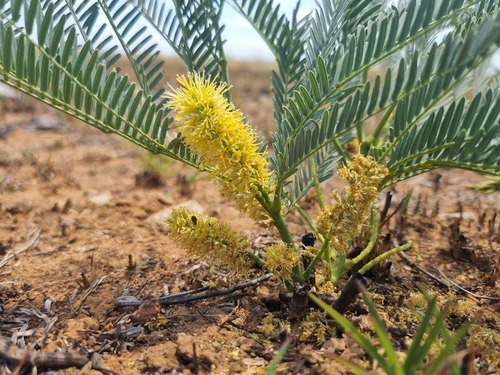
Elephant's root
Elephantorrhiza elephantina
Used as a painkiller in Mozambique. In rats, an aqueous root extract reduced paw swelling and pain responses, reportedly more than indomethacin.
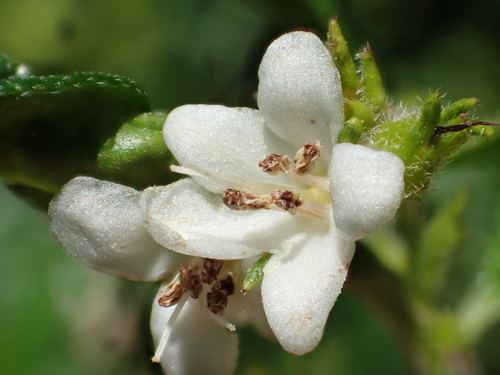
Fukien tea tree
Carmona retusa
At 100 mg/kg in mice, a triterpene mixture from the leaves gave 51% analgesic activity, statistically as active as mefenamic acid, but only 20% anti-inflammatory activity. No human pain trials were found.
Gambian tea bush
Lippia multiflora
The essential oil (2–8 ml/kg) had a dose-dependent analgesic effect in the mouse acetic-acid writhing test, but did not reduce granuloma formation. Animal data only.
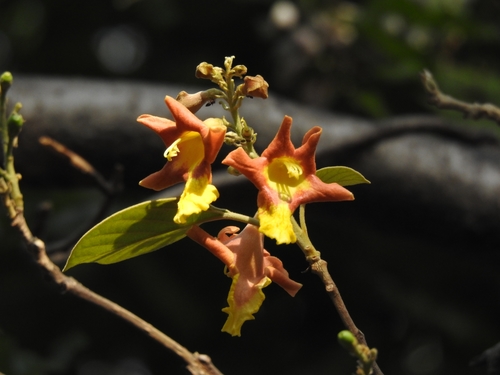
Gamhar
Gmelina arborea
Aqueous and methanol stem-bark extracts (500 mg/kg) reduced carrageenan paw swelling in rats by about 30% and reduced pain responses in mouse hot-plate and writhing tests. Animal data only.

Giant dodder
Cuscuta reflexa
Used by Indigenous communities in Bangladesh for pain and swelling. A methanol extract (400 mg/kg) reduced chemically induced pain responses in mice. Animal data only.
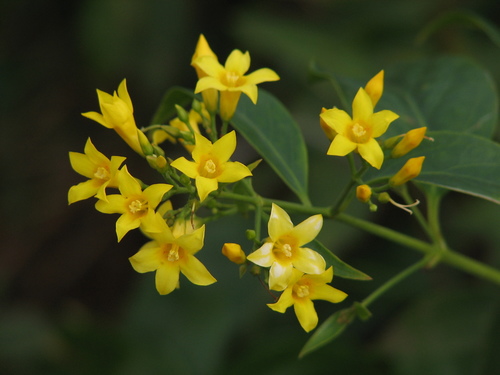
Heartbreak grass
Gelsemium elegans
Total alkaloids, koumine and gelsemine reduced pain in mouse and rat models (including diabetic nerve pain) without the tolerance seen with morphine. There are no controlled human trials, and the therapeutic dose is close to the toxic dose.
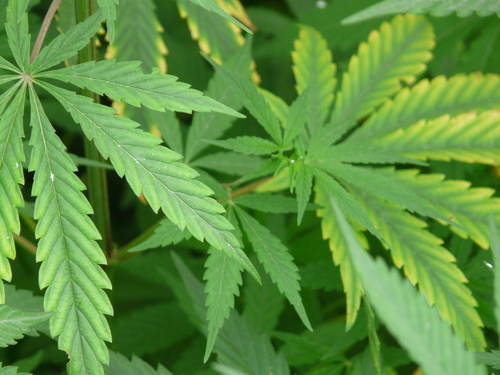
Hemp (Cannabis)
Cannabis sativa
Meta-analyses find a small benefit over placebo for chronic pain, which NCCIH notes 'may be too small to be meaningful to patients'.
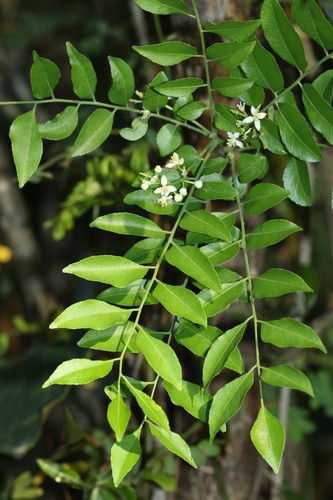
Horsewood
Clausena anisata
Root and leaf extracts reduced pain responses in mice in writhing, formalin and hot-plate tests; the effects were reversed by naloxone, pointing to opioid pathways among others. Animal data only.
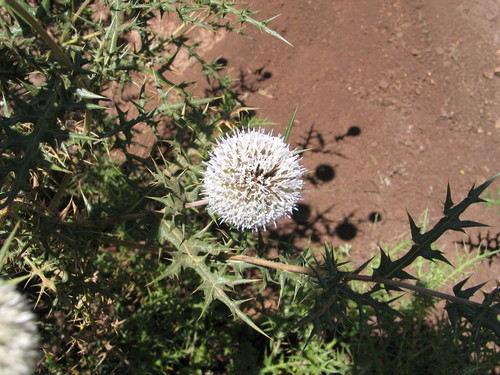
Kebericho
Echinops kebericho
Traditionally used for headache, toothache and stomach ache. Root fractions had dose-dependent analgesic and anti-inflammatory effects in mice at 100–400 mg/kg.
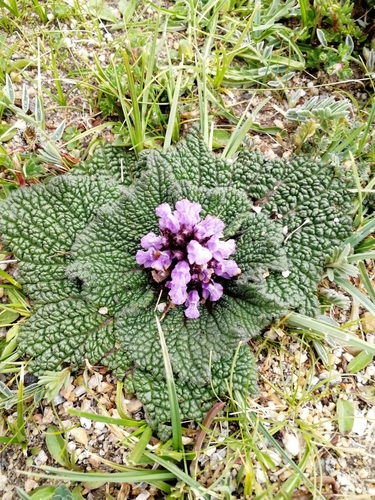
Lamiophlomis
Phlomoides rotata
Used chiefly for pain relief. A water extract reduced formalin pain, nerve-injury pain and bone-cancer pain in rats (up to 82% inhibition) without tolerance over 7 days, and the iridoid shanzhiside methylester reduced neuropathic pain via spinal β-endorphin. No good human trials of the herb alone were found.
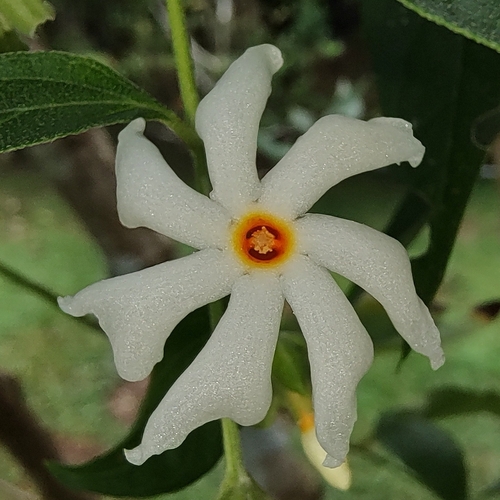
Night jasmine
Nyctanthes arbor-tristis
Leaf and stem-bark extracts had aspirin-like pain-relieving and anti-inflammatory effects in rodent tests, but not morphine-like analgesia. No human trials.

Njansang
Ricinodendron heudelotii
The bark is used for stomach pain and for menstrual, childbirth and other pain. In mice the stem-bark extract (30–300 mg/kg) reduced pain responses in the hot-plate, formalin and glutamate tests. The opioid blocker naloxone reversed the effect, which suggests an opioid-pathway mechanism. Animal work only.

Orient vine
Sinomenium acutum
Sinomenine has a morphine-like structure and analgesic and sedative effects in animal studies.
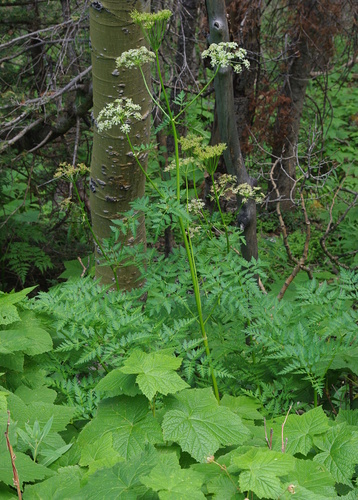
Osha
Ligusticum porteri
Zuni used a root infusion for body aches, and Mexican folk medicine for painful complaints. In mice, extracts, essential oil and its phthalides Z-ligustilide and Z-3-butylidenephthalide reduced pain responses.

Patala
Stereospermum chelonoides
A stem-bark extract relieved pain in several mouse tests, and Dashamoolarishta (the ten-root preparation) was analgesic and anti-inflammatory in rats, comparable with aspirin. No human trials of Patala.
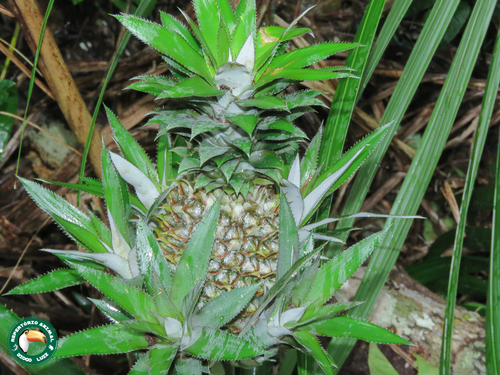
Pineapple
Ananas comosus
Some studies suggest oral bromelain may reduce pain and swelling after wisdom-tooth surgery; German Commission E approved bromelain for swelling after surgery or injury, especially of the nose and sinuses, but later trials after facial surgery were mixed.
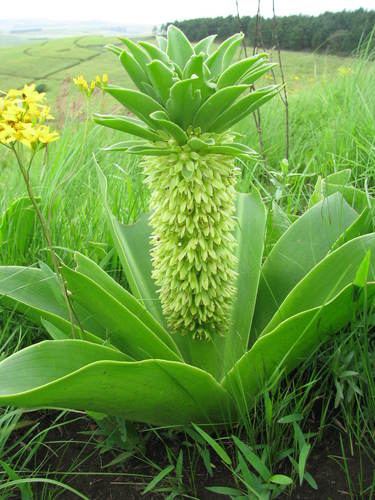
Pineapple flower
Eucomis autumnalis
Bulbs, and sometimes leaves and roots, of Eucomis species are widely used in South Africa for pain, fever and inflammation; in Limpopo markets the bulb is sold for body pains. Ethanol extracts strongly inhibited the prostaglandin-making enzyme COX-1 in vitro (IC50 about 72 µg/ml bulb, 27 µg/ml root, 15 µg/ml leaf). One study found this activity was stable for three years; another found COX-1 activity in stored material fell quickly. Test-tube work only.
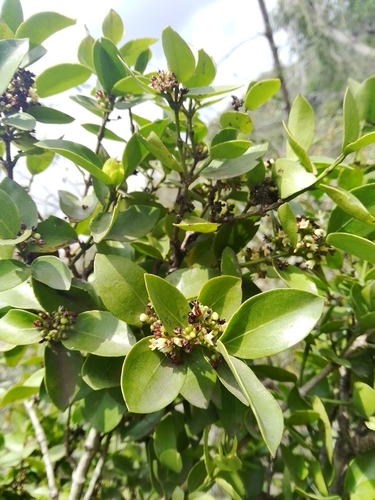
Red bitterberry
Strychnos henningsii
A methanol bark extract reduced pain responses in mice and, at 25–100 mg/kg, reduced formalin-induced paw swelling dose-dependently, the top dose matching diclofenac by the fourth hour. Animal work only.
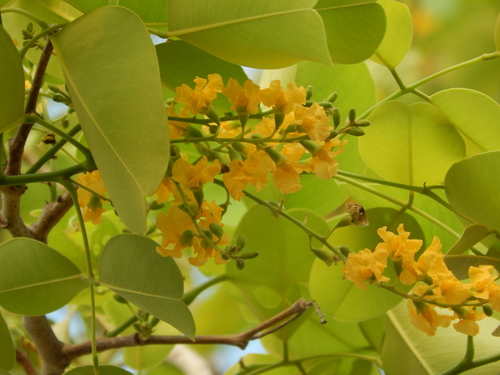
Red sanders
Pterocarpus santalinus
Methanol wood extract (100–500 mg/kg by mouth) reduced carrageenan paw swelling and pain responses in rats and mice; the heartwood extract also reduced writhing in mice. No human trials.
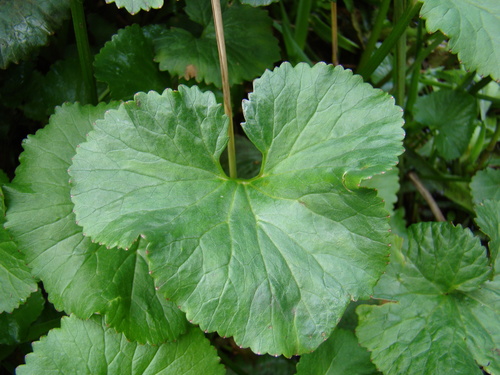
River pumpkin
Gunnera perpensa
Taken for general body pains and rheumatic pains. Rhizome extracts reduced pain responses in rodent tests and inhibited COX-2 in an enzyme assay.
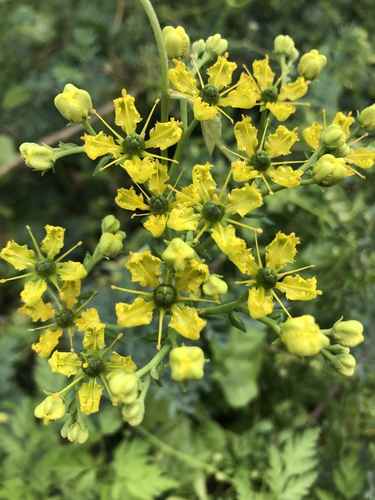
Rue
Ruta graveolens
Used for headache, toothache, bruises and sprains in Chinese medicine; extracts reduced pain responses and inflammation in mice and rats.
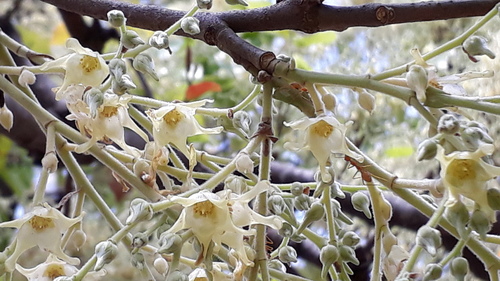
Sal
Shorea robusta
An ethanol extract of the resin (100 and 300 mg/kg by mouth) reduced pain responses in several mouse and rat models, including heat, chemical and post-surgical pain. Animal work only.
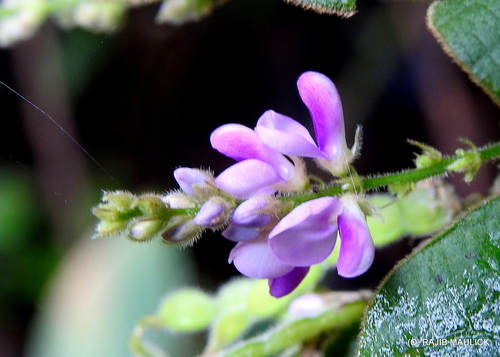
Shalaparni
Desmodium gangeticum
Water decoctions of root and aerial parts (5–20 mg/kg) reduced inflammatory swelling and pain responses in a dose-dependent way in animal tests, in line with Dashamula's use as a pain reliever. Animal data only.
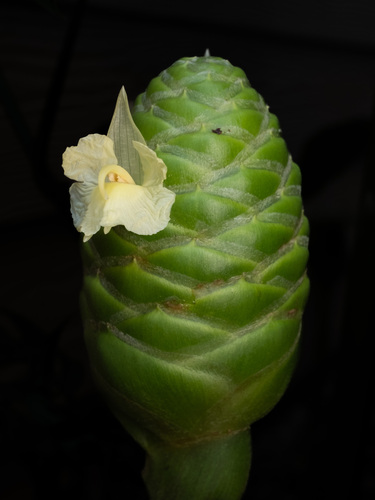
Shampoo ginger
Zingiber zerumbet
Used in Southeast Asian and Hawaiian folk medicine for sprains, sore spots and pain. Zerumbone, the essential oil and methanol extracts reduced pain responses in rodent models of acute, inflammatory and nerve pain; no human trials were found.

Spiked ginger lily
Hedychium spicatum
Rhizome extracts (200 mg/kg) were anti-inflammatory and increased pain thresholds in rats, and protected against histamine-induced gastric ulcers in guinea pigs.
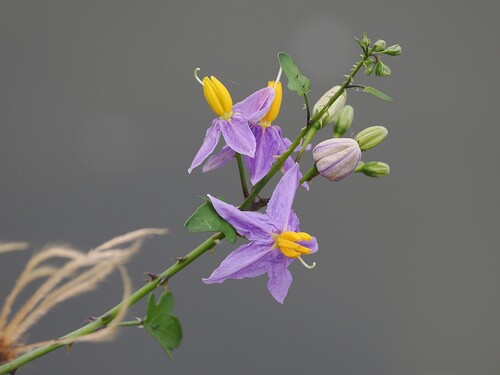
Thoothuvalai
Solanum trilobatum
Solasodine, a steroidal alkaloid isolated from the plant, reduced pain responses and inflammation in rodent models. Not studied in people.
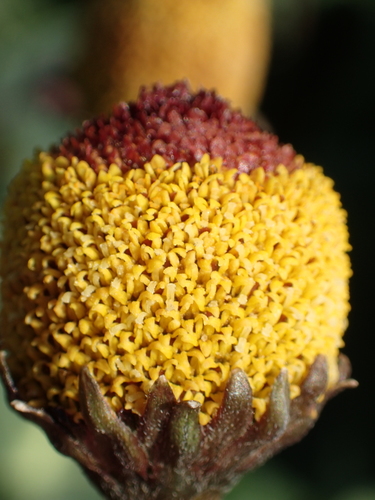
Toothache plant
Acmella oleracea
In a 40-person crossover trial of topical anaesthetics for the gums, adding 20% jambu extract (7.5% spilanthol) to lidocaine–prilocaine gave intermediate pain relief, no better than lidocaine–prilocaine alone.
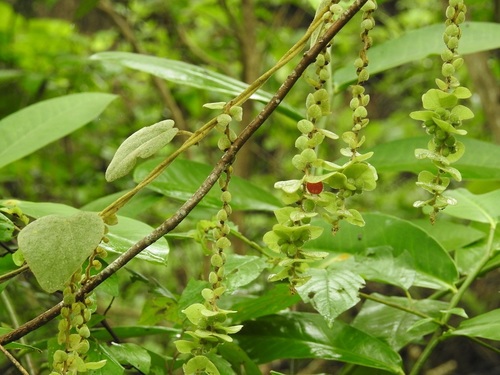
Velvet leaf
Cissampelos pareira
The root extract raised pain thresholds in mice in mechanical, chemical and hot-plate tests. No human studies.
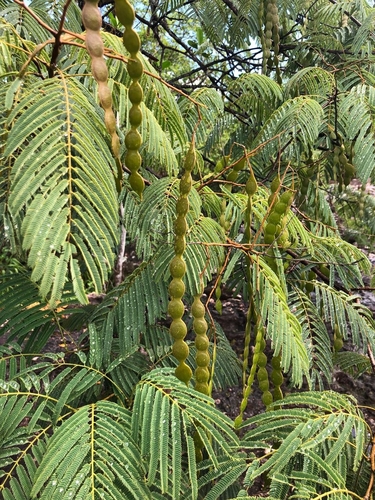
Vilca
Anadenanthera colubrina
An aqueous bark extract (100–400 mg/kg by mouth) reduced chemically induced pain and carrageenan-induced paw swelling, peritonitis and synovitis in rodents. Animal work only.
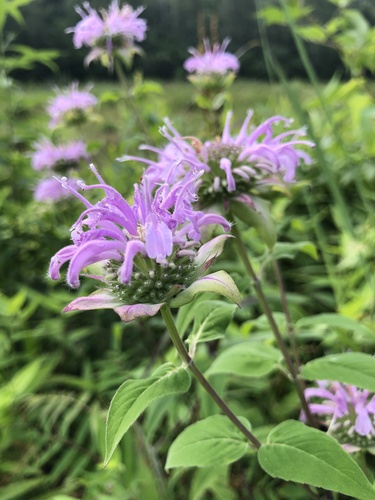
Wild bergamot
Monarda fistulosa
Cherokee used leaf poultices for headache. A polyphenol-rich dry extract reduced paw oedema and writhing in rodents and showed no toxicity at 500–5,000 mg/kg in rats.
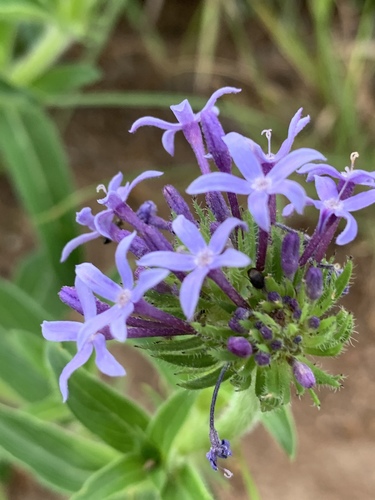
Wild verbena
Pentanisia prunelloides
Used for general body pains, sprains and painful swellings. The aqueous extracts reduced formalin-induced paw licking in mice.
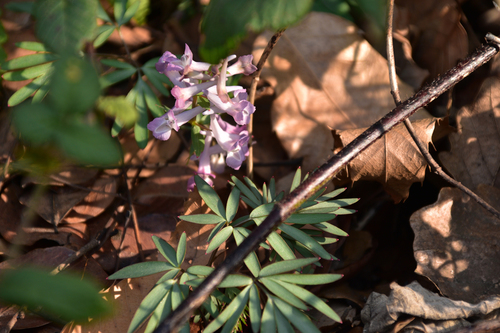
Yan hu suo
Corydalis yanhusuo
In Chinese practice the tuber is combined with Angelica sinensis, myrrh, cinnamon twig and red peony for chest pain, lumbago and abdominal pain. Analgesic effects of the extract and of dehydrocorybulbine and tetrahydropalmatine are shown in animals; no good human trials of the herb were found.
Traditional use
TraditionalLong recorded use, essentially untested in clinical trials.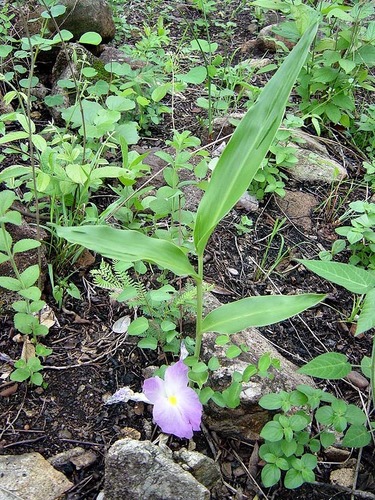
African ginger
Siphonochilus aethiopicus
Chewed for pain and body pains; sold in Limpopo markets for asthma, colds, cough, body pains, flu and HIV symptoms.
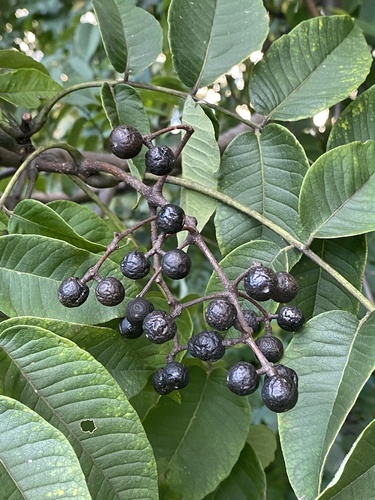
Amur cork tree
Phellodendron amurense
The Ainu used the fruit as a painkiller.
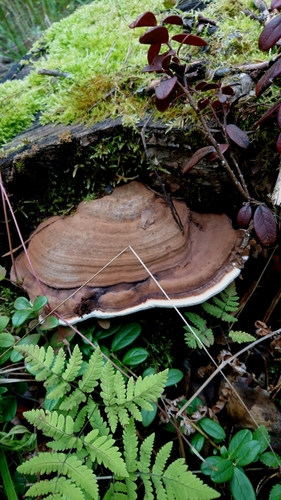
Artist's conk
Ganoderma applanatum
Chinese medicine credits it with relieving pain.
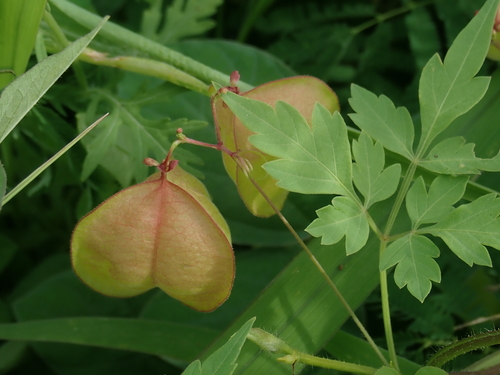
Balloon vine
Cardiospermum halicacabum
Non-institutionally trained Siddha practitioners in Tamil Nadu prescribe it internally for pain and other musculoskeletal ailments.

Balm of Gilead
Commiphora gileadensis
Among Arab populations of the Middle East a decoction of the aerial parts is taken as a pain reliever, diuretic and laxative.
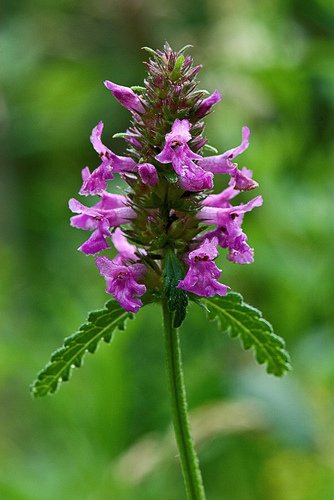
Betony
Betonica officinalis
A 2018 review of Lamiaceae in pain therapy notes traditional analgesic use, but the analgesic components have not been identified and no trials exist.
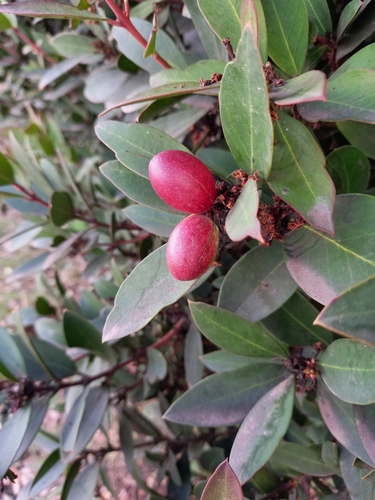
Bushman's poison
Acokanthera oppositifolia
Described as a commonly used South African treatment for pain, snakebite and anthrax. Leaf extracts strongly inhibited COX-1 and COX-2 enzymes in the test tube, but there are no human studies.
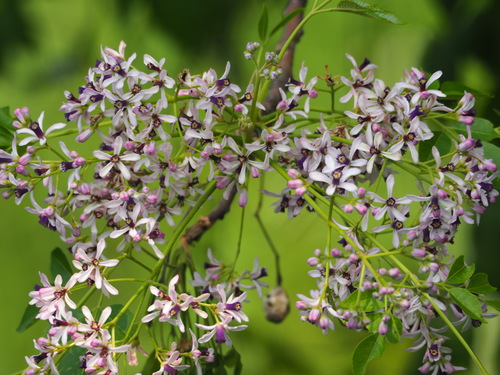
Chinaberry
Melia azedarach
Recorded in the Chinese Pharmacopoeia as an insecticide and painkiller; the Bencao Gangmu lists it for stomach ache and hernia.
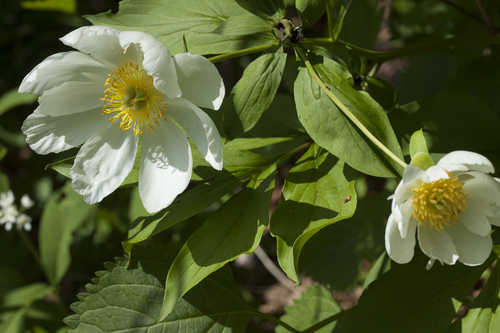
Chinese peony
Paeonia lactiflora
WHO lists traditional use for pain in the chest and abdomen. Paeoniflorin was analgesic in mice.
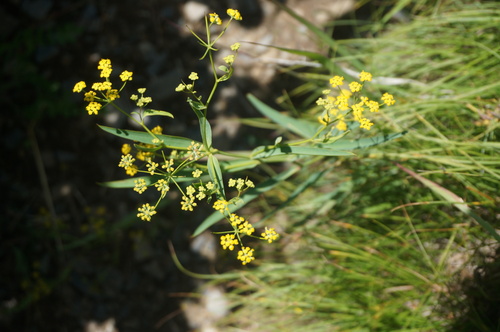
Chinese thorowax
Bupleurum chinense
Chinese pharmacopoeial use as an analgesic for 'distending pain' in the chest and under the ribs, recorded by WHO; saikosaponins are analgesic in mice.
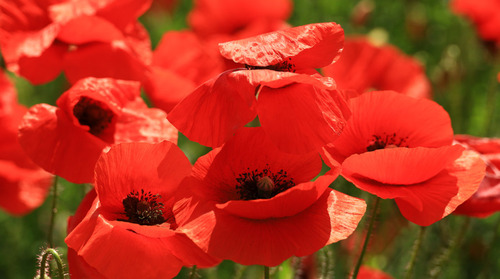
Corn poppy
Papaver rhoeas
Used in Turkish folk medicine for pain relief. A case-series report notes it is also used in Iran and elsewhere for analgesia and sedation. No clinical trials were found.
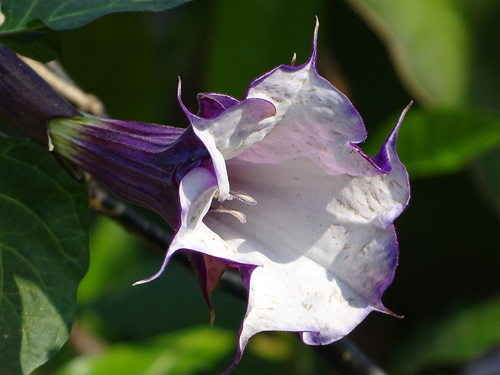
Devil's trumpet
Datura metel
Leaves are used for pain relief and rheumatic pain in folk medicine of India and Bangladesh.
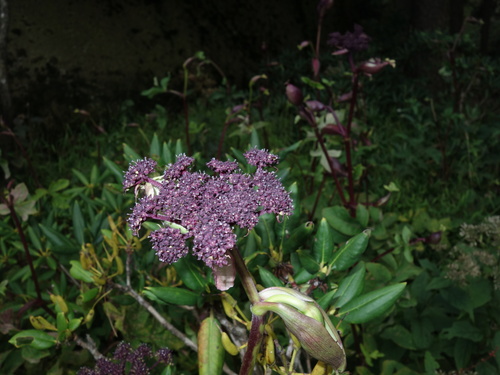
Dong quai
Angelica sinensis
WHO lists use as an analgesic for rheumatic joint pain, abdominal pain and after operations, from pharmacopoeias and traditional systems.
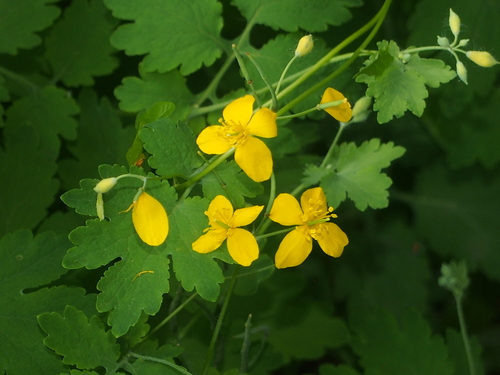
Greater celandine
Chelidonium majus
Part of the same Chinese Pharmacopoeia description (relieving spasms and pain).
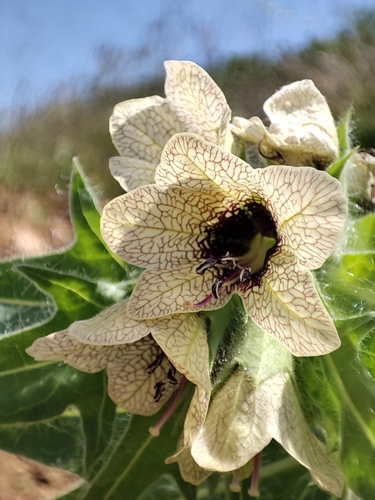
Henbane
Hyoscyamus niger
Dioscorides used it for pain and sleeplessness; Indian and Chinese medicine for stomach ache and nerve pain; Iranian physicians recommended it for neuropathic and abdominal pain and applied extracts for earache and toothache. Its alkaloids relax smooth-muscle spasm.

Japanese angelica
Angelica acutiloba
Used in Kampo medicine for analgesic and anti-inflammatory effects.

Jimsonweed (Thorn apple)
Datura stramonium
In Ayurvedic medicine the plant is applied as a paste for local pain, rheumatism, swellings and wounds; oral use risks severe anticholinergic poisoning.
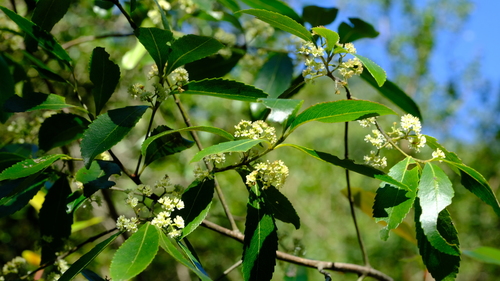
Khat
Catha edulis
Traditionally used as a remedy for headache, toothache and muscle aches; not tested as a painkiller in clinical trials.

Kratom
Mitragyna speciosa
Traditionally brewed to relieve pain; mitragynine and 7-hydroxymitragynine activate mu-opioid receptors. NCCIH and NIDA state it has not been shown safe or effective for pain; NIH-funded studies are under way.
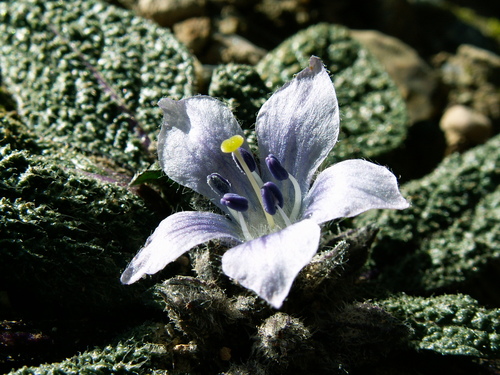
Mandrake
Mandragora officinarum
Dioscorides wrote that mandrake decoctions in wine made patients insensitive to incisions and cautery, and Pliny recommended the drink before surgery. Medieval surgeons such as Teodorico Borgognoni (13th century) used it in soporific sponges. Superseded by modern anaesthesia; never tested in trials.
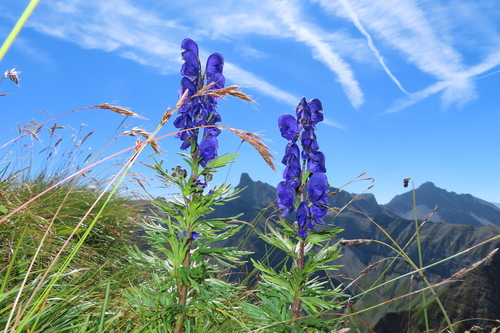
Monkshood (Aconite, Wolfsbane)
Aconitum napellus
Older Western texts gave small doses of root, and the plant was investigated as a medicine in the 19th century. The margin between a 'dose' and poisoning is so narrow that this use is abandoned. Home-made capsules taken for sleep have caused severe poisoning.

Myrrh
Commiphora myrrha
Chinese medicine uses mo yao for pain from trauma, fractures and arthritis, attributed to 'blood stasis'; lab and animal studies show analgesic and anti-inflammatory activity, without clinical confirmation.
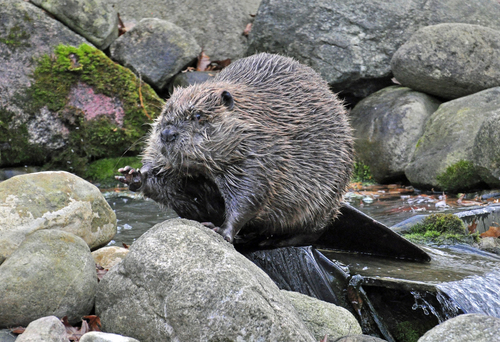
North American beaver
Castor canadensis
Pliny the Elder recommended castoreum for sciatica and other pains; its action has been attributed to salicylic-acid compounds the beaver takes in from willow and aspen bark. There is no clinical evidence.
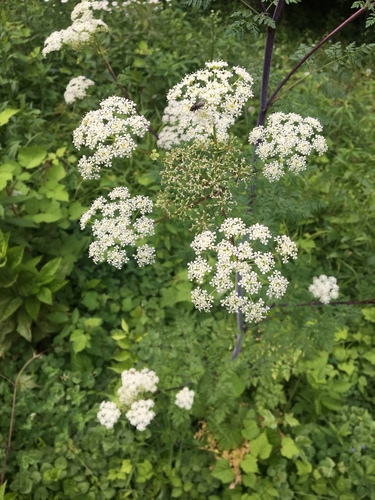
Poison hemlock
Conium maculatum
A 2017 review notes renewed research interest in coniine as a pain reliever without addictive effects; this is laboratory work only, with no human treatment. The plant itself is lethal and must not be used.
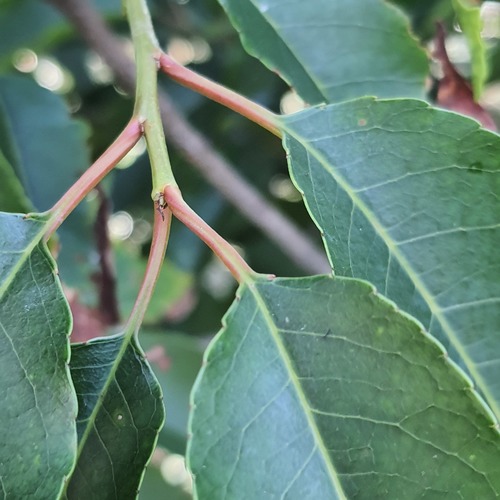
Pygeum
Prunus africana
WHO records folk use for stomach pain and intercostal (chest-wall) pain, not supported by experimental or clinical data.
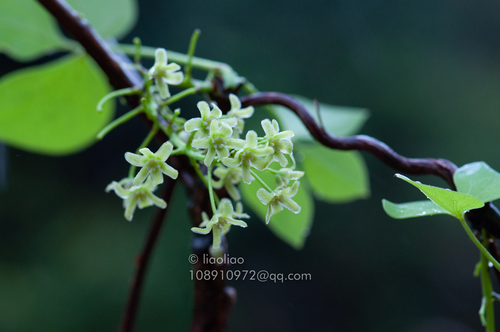
Sargent gloryvine
Sargentodoxa cuneata
Its traditional function is described as clearing heat and toxins, invigorating the blood, dispelling wind and relieving pain.

Siberian musk deer
Moschus moschiferus
Chinese medicine credits musk with stimulating blood circulation, reducing swelling and relieving pain; it is an ingredient of preparations for bone-setting injuries, swelling and pain.

Strychnine tree
Strychnos nux-vomica
Processed seed (ma qian zi) is used in Chinese medicine as an analgesic and anti-inflammatory. Support comes from lab and animal work; the narrow margin between dose and poisoning makes it unsafe.
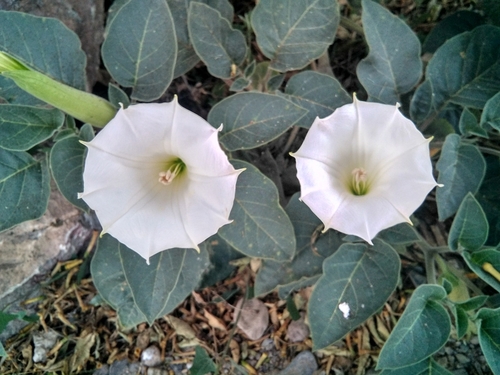
Toloache
Datura inoxia
The Cruz-Badianus codex, the 1552 Latin translation of a Nahua (Aztec) herbal by Martín de la Cruz, records crushed leaves of tolohua (Datura spp.) in a plaster applied after surgery; aqueous leaf extracts of D. innoxia have been tested as analgesic and anti-inflammatory in mice.
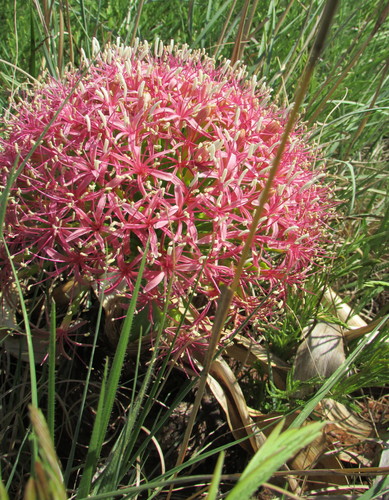
Tumbleweed
Boophone disticha
Bulb concoctions are taken for their sedative and pain-relieving effects and the bulb is used for inflammatory conditions in southern African medicine. Not tested clinically, and the doses that relieve pain also produce hallucinations.
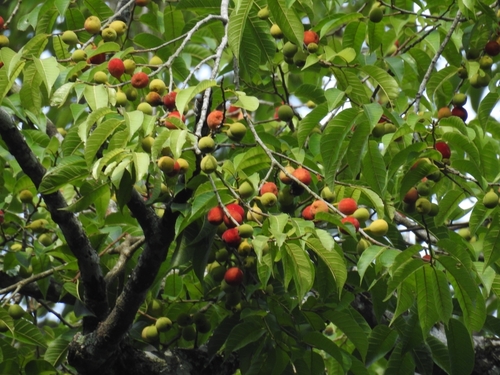
Upas tree
Antiaris toxicaria
Recorded as an analgesic and anaesthetic in traditional use in Africa and Asia; not clinically tested.

Wild lettuce
Lactuca virosa
19th-century Polish medical writers described lactucarium as a sedative and analgesic weaker than opium but, they believed, without its side effects. Attempts at the time to find the active substance failed. Untested in modern trials.
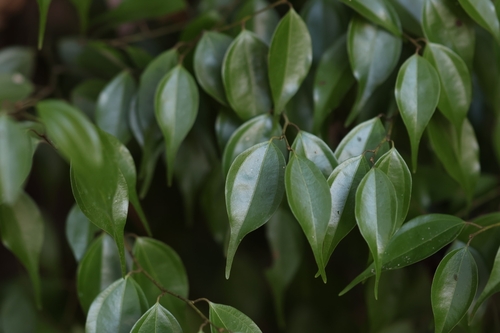
Wu yao
Lindera aggregata
Used to relieve pain and disperse cold, for example in the abdomen; no clinical trials of the herb alone.
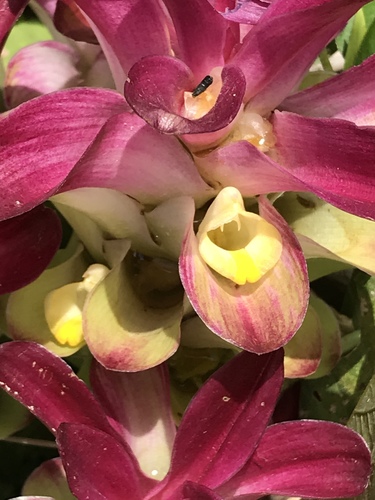
Zedoary
Curcuma zedoaria
An ingredient of the Thai remedy Lom-Am-Ma-Pruek, used to relieve pain from inflammation; its extracts and furanodiene compounds were anti-inflammatory in lab and mouse studies.