The Apothecary / Immunity & infection
Hay fever and allergy
24 remedies
See a doctor if
Swelling of the lips, tongue or throat, or difficulty breathing, is anaphylaxis: call emergency services.
Reference, not prescription. Nothing here is medical advice. Herbs can interact with medicines and be dangerous in pregnancy; tell your doctor or pharmacist about anything you take.
Strong evidence
StrongAn approved medicine, or consistent good-quality trials and reviews.
Moderate evidence
ModerateSeveral trials, mostly positive, or an EMA ‘well-established use’ monograph.
Limited evidence
LimitedSmall or few trials, mixed results, or mainly lab and animal work.
Almond mushroom
Agaricus subrufescens
In a double-blind trial in 60 blood donors with birch-pollen allergy and/or asthma, 7 weeks of the AbM-based extract AndoSan before the pollen season reduced reported allergy and asthma symptoms, medication use and birch-specific IgE compared with placebo.
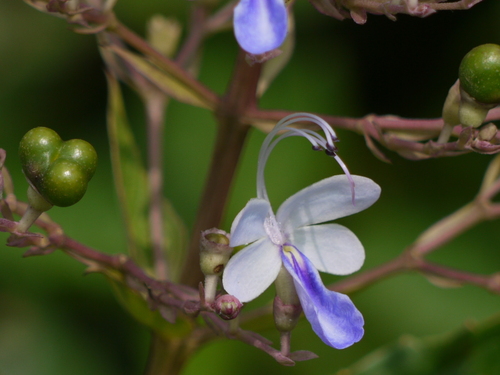
Bharangi
Rotheca serrata
Described as a well-known anti-allergic drug in Asian folk medicine; root extracts and the isolate icosahydropicenic acid are anti-allergic in animal studies.
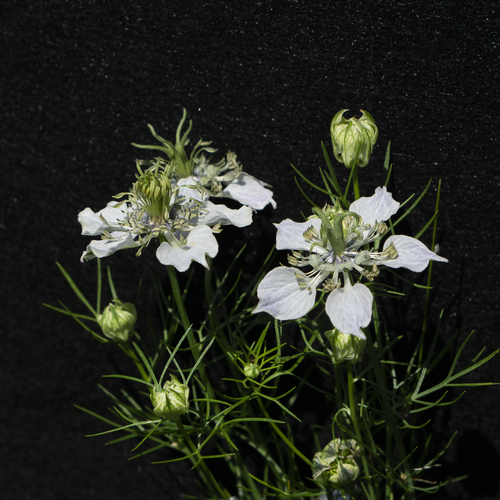
Black seed (Black cumin)
Nigella sativa
A 2024 meta-analysis of 8 small, lower-quality trials in allergic rhinitis reported better overall response and nasal symptoms than control.
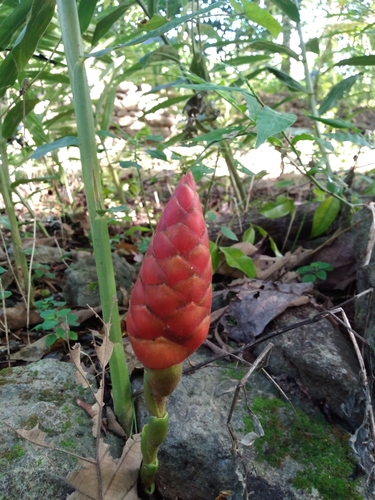
Cassumunar ginger
Zingiber montanum
An antihistamine effect has been studied in people, but the systematic review found the evidence unclear.
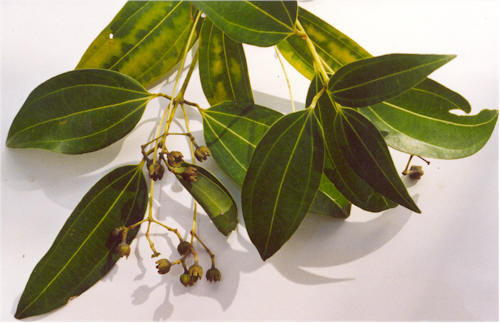
Ceylon cinnamon
Cinnamomum verum
NCCIH notes one preliminary study of a Ceylon cinnamon extract nasal spray for hay fever; more reliable evidence is needed.
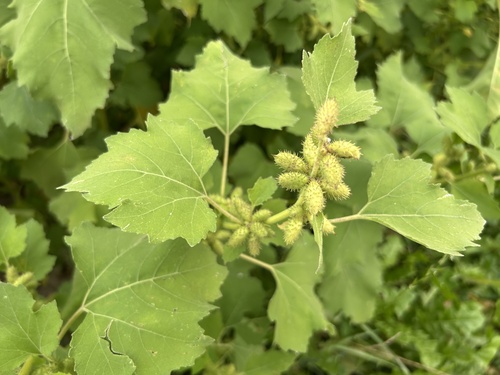
Cocklebur
Xanthium strumarium
A 2024 meta-analysis of 15 randomised trials (1,361 children) found that the four-herb formula Cang-Er-Zi-San, which contains cocklebur fruit, gave higher 'effective rates' for allergic rhinitis than comparison treatments (RR 1.21), but the authors flag bias and call for high-quality trials. The fruit alone has not been tested this way; an adult who took unprocessed fruit for two months for allergic rhinitis died of multi-organ failure.
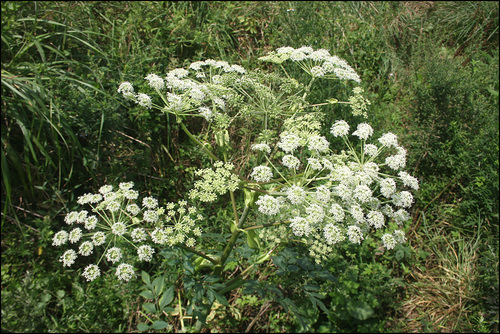
Dahurian angelica
Angelica dahurica
Bai zhi was the third most common herb in 14 trials (1,606 patients) of inhaled or nebulised herbal decoctions for allergic rhinitis; these mixtures improved response rates versus standard drugs (RR 1.20), but trial quality was low to moderate and the herb's own contribution is unknown.
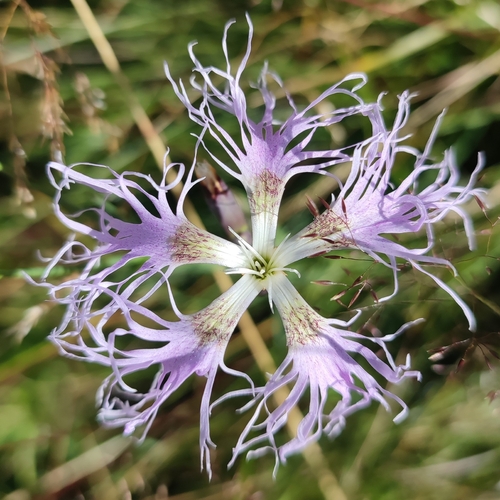
Fringed pink
Dianthus superbus
A D. superbus extract suppressed IgE production by a human B-cell line and reduced peanut-triggered anaphylaxis and histamine release in peanut-allergic mice. Lab and animal data only.
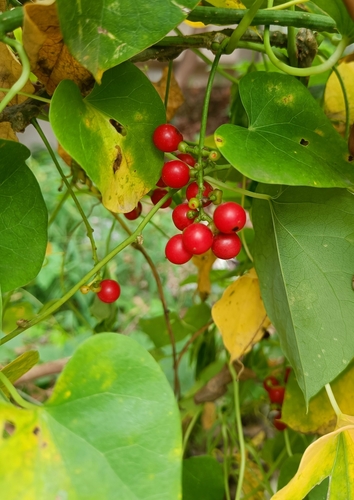
Guduchi (Giloy)
Tinospora cordifolia
In one randomised, double-blind trial of 75 people with allergic rhinitis over 8 weeks, a T. cordifolia extract relieved sneezing in 83% and nasal discharge in 69%, against little relief with placebo. It has not been confirmed in larger trials.

Indian ipecac
Tylophora indica
Double-blind studies from the late 1960s tested it in allergic rhinitis as well as asthma; a 2023 review notes these were never followed by larger, well-designed trials. It is used in Pakistan for skin and systemic allergies.
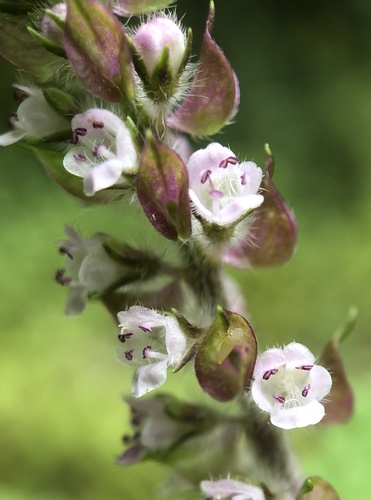
Perilla
Perilla frutescens
Several small clinical studies of a supplement combining perilla extract (80 mg) with quercetin and vitamin D, added to standard treatment, reported fewer rhinitis flare-ups and less rescue medication in children and adults; perilla alone has not been tested in these trials.
Schizonepeta
Nepeta tenuifolia
Water extract weakened histamine release from human mast cells and blocked IgE-mediated skin allergic reactions in animals; untested in people.
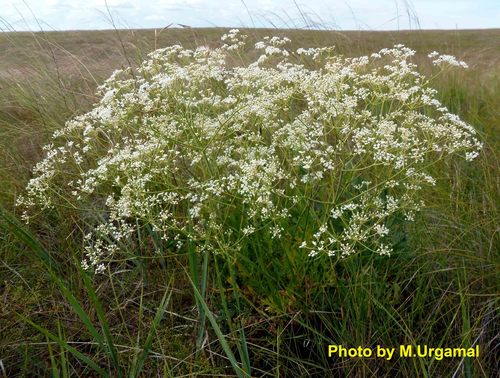
Siler
Saposhnikovia divaricata
Studied mainly within Yupingfeng San. A meta-analysis found that adding the formula to conventional allergic-rhinitis treatment eased nasal itching, sneezing and congestion. In lab studies, the root's coumarins and chromones suppress Th2 cytokines and mast-cell degranulation. The share of the effect due to fang feng is unknown.
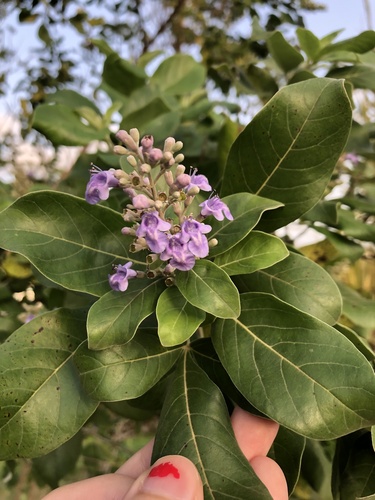
Simpleleaf chaste tree
Vitex trifolia
A water extract of the fruit (of V. trifolia subsp. litoralis) inhibited systemic allergic reactions and histamine release in rats.
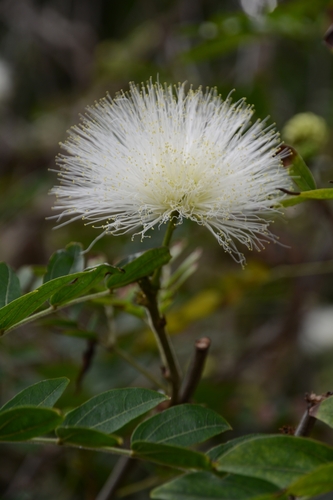
Siris
Albizia lebbeck
Bark extract reduced sneezing and nasal rubbing in allergic rats by suppressing histamine H1-receptor and histidine-decarboxylase gene expression, and a standardised extract stabilised mast cells in mice. A 2026 review lists small Indian clinical studies, including an observational study in 40 people with allergic rhinitis using bark powder; these were not available to check.

Stinging nettle
Urtica dioica
In a 1990 randomised trial of freeze-dried nettle in 98 people with hay fever (69 completed), nettle was rated better than placebo on global assessment but only slightly better in symptom diaries.

Sweet violet
Viola odorata
A trial of violet oil drops in the nose (38 vs 38 adults, two weeks) reported fewer allergic rhinitis symptoms than placebo, as summarised in a 2025 review.
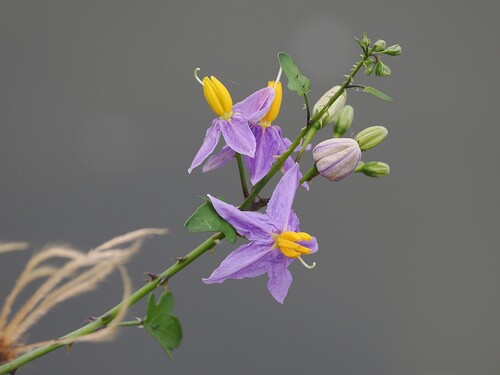
Thoothuvalai
Solanum trilobatum
Aqueous and alcoholic leaf extracts stabilised mast cells and lowered histamine release in rats and in house-dust-exposed rabbits. Animal work only.

Tiger milk mushroom
Lignosus rhinocerotis
In a randomised, double-blind trial in 108 people with allergic rhinitis, a cultivated sclerotium product (TM02) for 30 days reduced nasal symptom scores more than placebo in a modified per-protocol analysis of 56 people; immune blood markers did not change significantly.

Xin yi
Magnolia biondii
Used for acute, chronic and allergic rhinitis. In lab and animal studies, extracts and lignans such as fargesin inhibited mast-cell histamine release and T-cell activation. No trials of the herb alone.
Traditional use
TraditionalLong recorded use, essentially untested in clinical trials.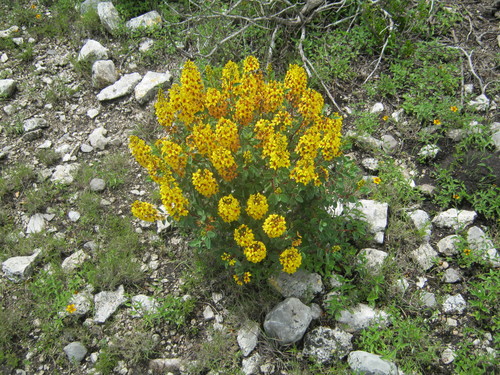
Galphimia
Galphimia glauca
Used for allergies in Mexican medicine. Homeopathic dilutions (Galphimia D4 and D6) were tested against hay fever (pollinosis) from 1985 onward. These are homeopathic preparations, not herbal extracts, and their trials are not assessed here.
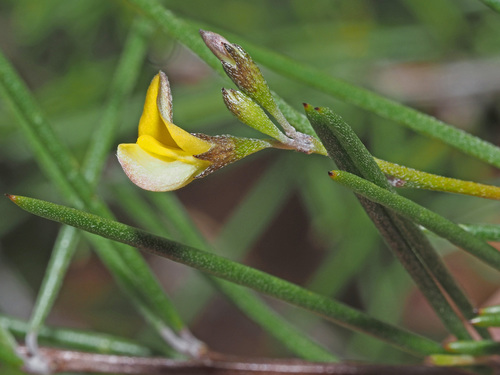
Rooibos
Aspalathus linearis
Alleviation of allergies is among rooibos's traditional medicinal uses in South Africa; no clinical trials were found.