The Apothecary / Immunity & infection
HIV
8 remedies
See a doctor if
HIV is controlled only by antiretroviral therapy. Some herbs (notably St John's wort) make antiretrovirals fail.
Reference, not prescription. Nothing here is medical advice. Herbs can interact with medicines and be dangerous in pregnancy; tell your doctor or pharmacist about anything you take.
Limited evidence
LimitedSmall or few trials, mixed results, or mainly lab and animal work.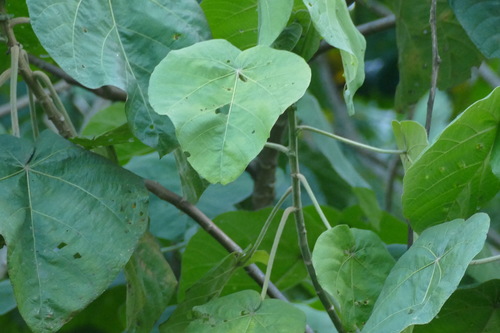
Broad-leaved croton
Croton macrostachyus
In Kenya, people living with HIV use leaf and root decoctions for cough, pneumonia, skin diseases and wounds. Leaf extract fractions and isolated lupenone inhibited HIV-1 in cell culture, but the crude leaf extract had a very narrow margin between antiviral and cell-toxic concentrations; no human data.
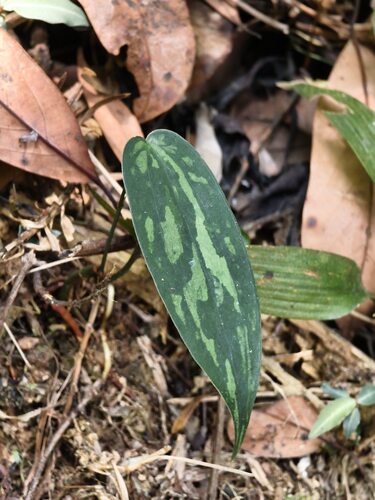
Chinaroot
Smilax glabra
Used by traditional practitioners in Thailand for AIDS and other infections; extracts inhibited HIV-1 integrase in vitro. No clinical evidence.
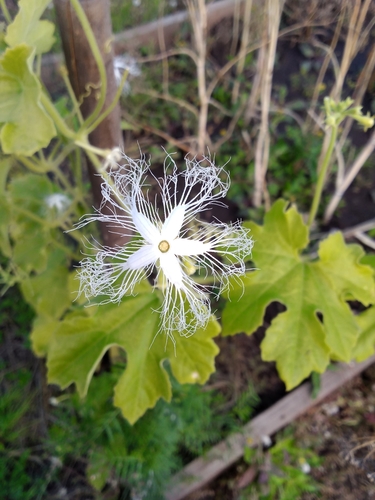
Chinese snake gourd
Trichosanthes kirilowii
Purified trichosanthin (GLQ223, 'Compound Q') kills HIV-infected macrophages in the laboratory. In a US trial in 22 people with AIDS, repeated infusions raised CD4 and CD8 counts but caused a flu-like syndrome in all; in another report two HIV patients developed coma with multifocal brain necrosis after treatment.
Mamala
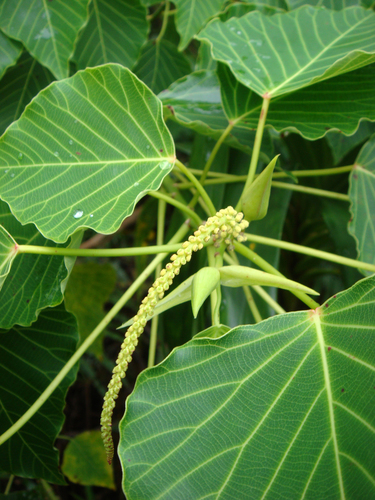
Homalanthus nutans
Prostratin protected T-cell lines from HIV-1 killing and inhibited viral replication in vitro, and strongly activates HIV in latently infected cells. It is studied, with other PKC modulators, as a latency-reversing agent; no approved use.

Neem
Azadirachta indica
Small studies of a neem leaf extract in people with HIV reported rises in CD4 counts; MSK describes the results as needing more research.
Sjambok pod
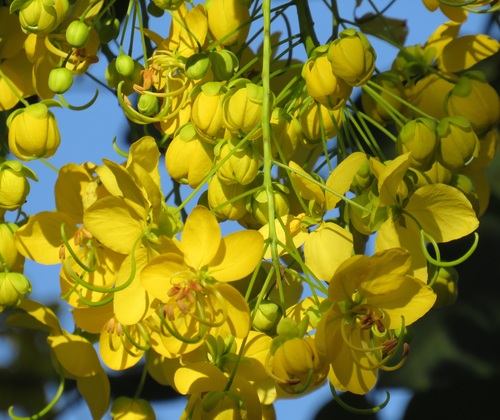
Cassia abbreviata
Root and bark are used in southern Africa as a 'blood cleanser' and to reduce HIV levels. Root extracts inhibited HIV-1 subtype C in cell culture (ethanol extract EC50 about 103 µg/ml). This is far from evidence of benefit in people, and the plant may interact with medicines (see interactions). It must not replace antiretroviral therapy.
Tamanu
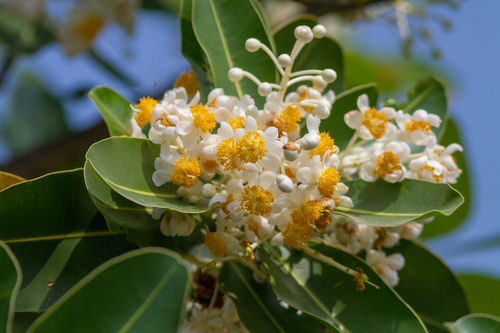
Calophyllum inophyllum
Inophyllum B and P and calanolide A (a minor component of the oil) are active against HIV-1 in lab studies. This is laboratory evidence only, and tamanu oil is not an HIV treatment.