The Apothecary / Immunity & infection
Viral infections
29 remedies
Reference, not prescription. Nothing here is medical advice. Herbs can interact with medicines and be dangerous in pregnancy; tell your doctor or pharmacist about anything you take.
Strong evidence
StrongAn approved medicine, or consistent good-quality trials and reviews.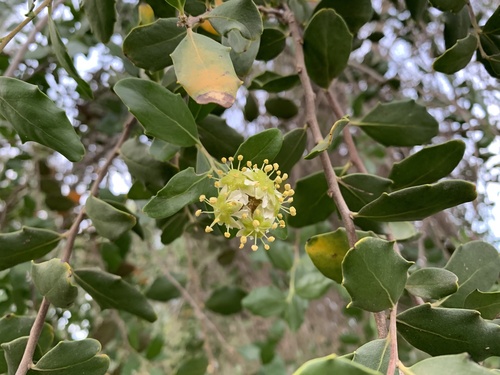
Moderate evidence
ModerateSeveral trials, mostly positive, or an EMA ‘well-established use’ monograph.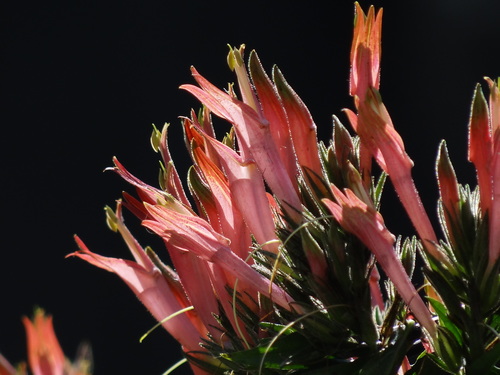
Limited evidence
LimitedSmall or few trials, mixed results, or mainly lab and animal work.
African entada
Entada africana
Used for hepatitis in traditional medicine. Stem-bark extracts and the EaF10 fraction inhibited hepatitis C virus replication in replicon cell lines (IC50 about 0.45 µg/ml for EaF10). Cell-culture data only.
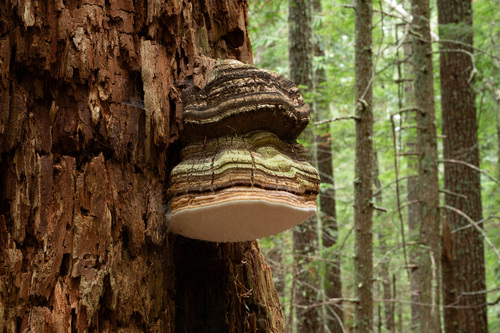
Agarikon
Laricifomes officinalis
Mycelial fractions are active against poxviruses and influenza A in the lab. In a phase I trial (50 people with mild-to-moderate COVID-19), a capsule of agarikon plus turkey-tail mycelium was safe and well tolerated; exploratory symptom improvements need confirmation. A second trial (90 people) found it safe as an adjunct to COVID-19 vaccination.
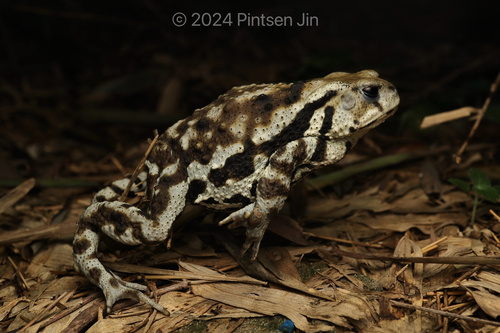
Asiatic toad
Bufo gargarizans
Liu Shen Wan, a polyherbal pill containing toad venom, added to standard treatment for shingles in 21 small trials (1,478 people) shortened healing time and lowered the rate of post-herpetic neuralgia; trial quality was limited and the toad's share of the effect is unknown.
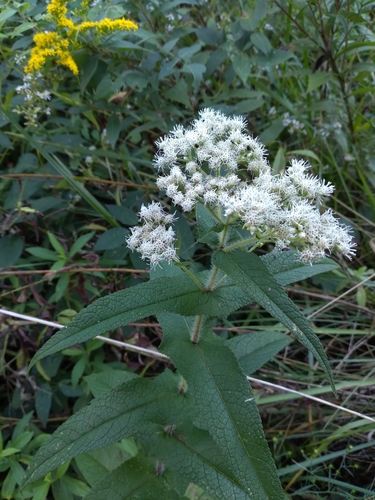
Boneset
Eupatorium perfoliatum
An extract and its flavonoids inhibited dengue virus in cell culture (2022). Open-label studies in India of homeopathic 'Eupatorium perfoliatum 30C' for dengue prevention test an ultra-diluted homeopathic product, not the herb. The US FDA warned companies in 2020 for selling boneset products with COVID-19 claims.
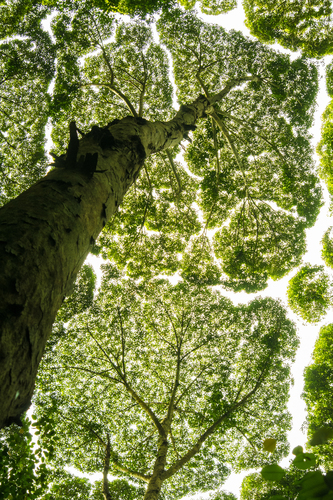
Borneo camphor
Dryobalanops aromatica
A leaf extract strongly inhibited hepatitis C virus in cell culture; the active compound, the oligostilbene vaticanol B, mainly blocked viral entry. No animal or human data.

Cedar of Lebanon
Cedrus libani
Cone and leaf extracts and the wood oil were active against herpes simplex virus type 1 in cell culture. No human data.
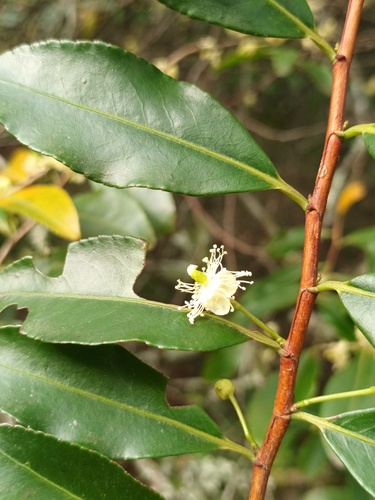
Change tree
Aphloia theiformis
Leaf extract blocked Zika virus and all four dengue serotypes from attaching to human cells in the laboratory by acting directly on virus particles.
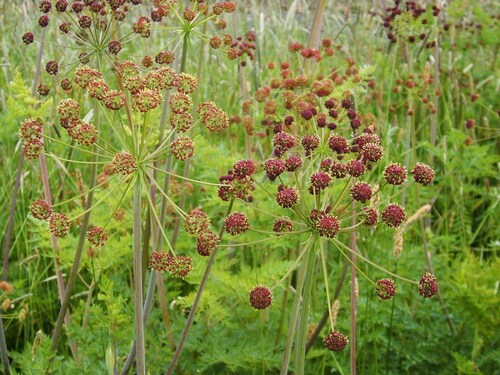
Fernleaf biscuitroot
Lomatium dissectum
In a 1995 screen of 100 British Columbian plant extracts, a L. dissectum root extract completely blocked the cell damage caused by rotavirus in culture. No animal or human antiviral data were found.
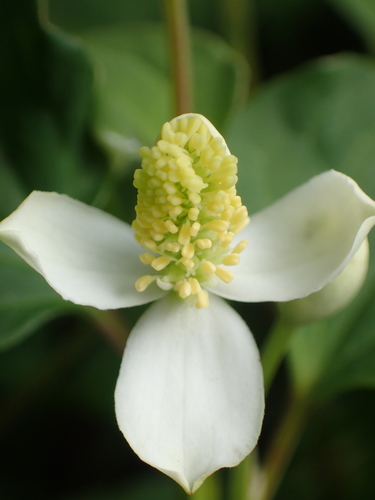
Fish mint
Houttuynia cordata
Extracts inhibited herpes simplex, influenza H1N1 and coronaviruses in cell and animal studies, and the herb was listed for treating SARS in China in 2003; human efficacy has not been tested.
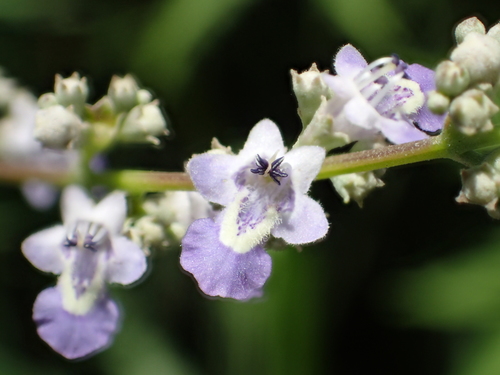
Five-leaved chaste tree
Vitex negundo
A government-funded, two-stage, multicentre randomised trial in the Philippines gave a lagundi formulation to patients with mild COVID-19. Compared with placebo, the lagundi group had significantly lower total symptom and loss-of-smell scores. The source here is an investigator's summary; the full trial report was not reviewed.
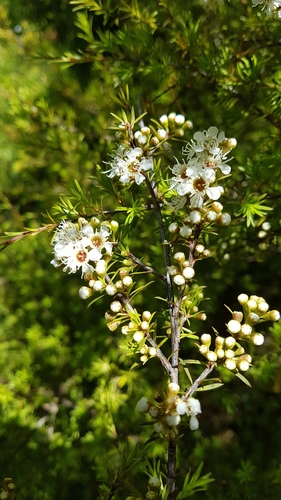
Kānuka
Kunzea ericoides
In an open trial in 952 adults with cold sores (herpes labialis), a 90% medical-grade kānuka honey cream healed lesions as fast as 5% aciclovir cream (median 9 vs 8 days). There was no placebo group.
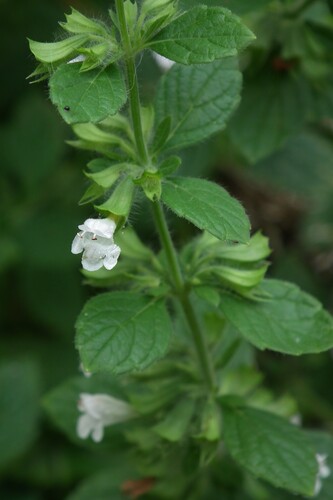
Lemon balm
Melissa officinalis
WHO cites an open study of 115 people and a placebo-controlled trial of 116 in which a cream with 1% dried aqueous leaf extract shortened healing of cold sores (herpes labialis) and reduced lesion size. EMA judged that specific extract's data not transferable to other products.

Lophatherum
Lophatherum gracile
Extracts reduced respiratory syncytial virus load in infected mice and flavonoid C-glycosides were active against RSV in cell culture. No human data.

Papaya
Carica papaya
Dengue fever: a 2019 systematic review of nine controlled trials found leaf extract raised platelet counts (pooled +35×10⁹/L by day 5, low-quality evidence) and may shorten hospital stay, but the trials were small with high risk of bias; routine use 'cannot be recommended'.
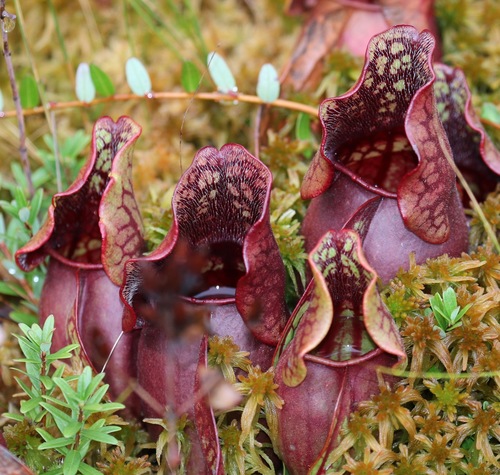
Purple pitcher plant
Sarracenia purpurea
Nineteenth-century doctors reported that a Mi'kmaq pitcher-plant infusion cured smallpox. In cell culture an extract inhibited vaccinia, monkeypox and variola (smallpox) viruses at the level of early viral transcription, with a selectivity similar to cidofovir, and it also inhibited herpes simplex virus type 1. No animal or human trials have been reported.
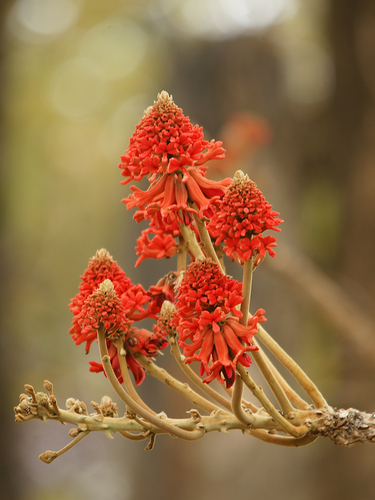
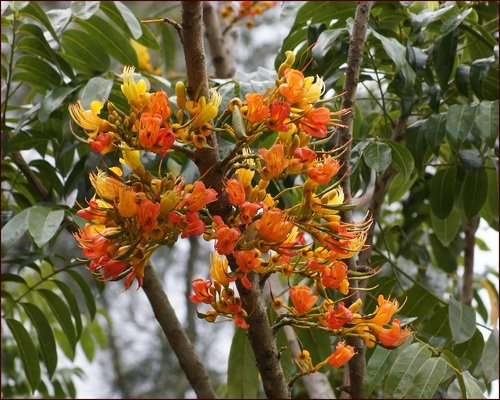
Red-hot-poker tree
Erythrina abyssinica
Tanzanian healers in Kagera use the bark for respiratory infections and blisters of the mouth and genitals. A water extract of the stem bark blocked respiratory syncytial virus and herpes simplex virus 2 from infecting cultured cells, acting on the virus particles themselves. Cell-culture work only.
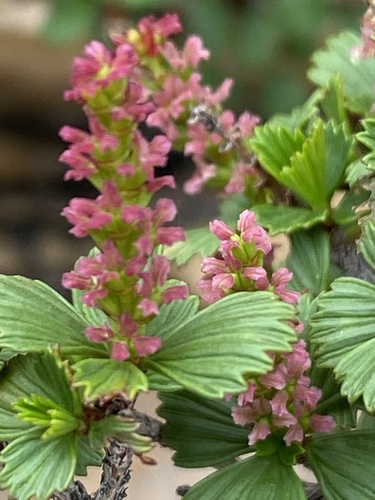
Resurrection bush
Myrothamnus flabellifolia
A proanthocyanidin-rich extract blocked herpes simplex virus type 1 from attaching to and entering cells in culture (IC50 0.4 µg/ml), and its main polyphenol inhibited HIV-1 reverse transcriptase in an enzyme assay. Neither has been tested in people.
Sheng ma
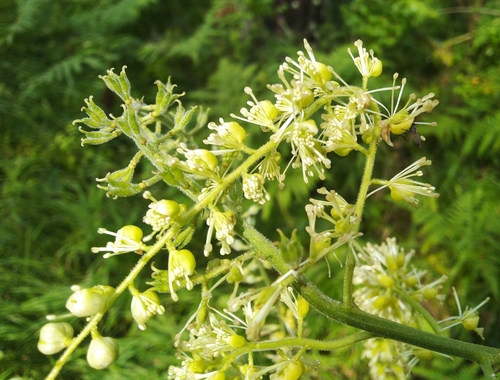
Actaea cimicifuga
Traditionally used to bring out the rash of measles and for chickenpox and mumps. In a randomised study of 60 people with chronic hepatitis B, adding a C. foetida decoction to adefovir was reported to affect cytokines involved in viral control; extracts also inhibited respiratory syncytial virus in cell culture. Evidence is preliminary.
Sichuan pepper
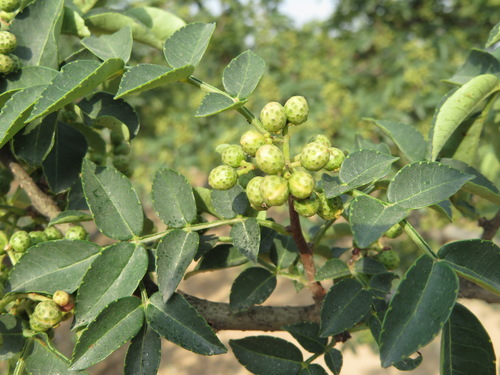
Zanthoxylum bungeanum
A 30% ethanol extract and its compound hydroxy-α-sanshool blocked entry of a human common-cold coronavirus (HCoV-OC43) into lung cells in the laboratory; no animal or human data.

Sweet violet
Viola odorata
In the same COVID-19 trial, muscle pain, headache and diarrhoea also eased more with violet syrup than with placebo; one small trial only.
Tatarian aster
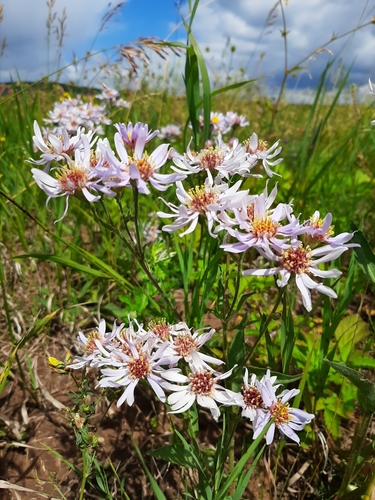
Aster tataricus
A root extract inhibited influenza A, Newcastle disease and herpes simplex viruses in cell culture and improved survival of mice given lethal influenza when given beforehand. Laboratory and animal work only.

Vietnamese sophora
Sophora tonkinensis
Matrine-type alkaloids from the rhizomes inhibited Coxsackie B3 and influenza A (H3N2) viruses in cell culture, at fairly high concentrations (IC50 roughly 26–250 µM). No clinical data.
Traditional use
TraditionalLong recorded use, essentially untested in clinical trials.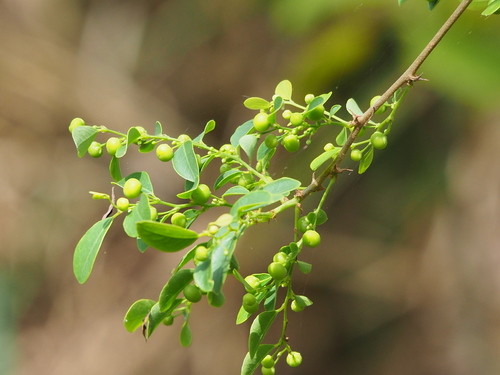
Black-honey shrub
Phyllanthus reticulatus
Haya healers in Bukoba, Tanzania, use the leaves for herpes simplex in people living with HIV/AIDS.
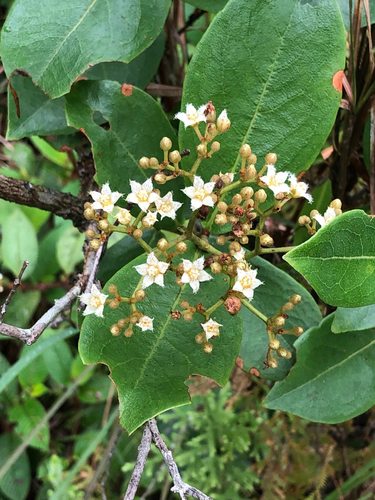
Christmas berry
Psorospermum febrifugum
In Bukoba, Tanzania, bark and root are used for herpes zoster and herpes simplex in people with HIV/AIDS; a priority plant of Ugandan traditional practitioners treating HIV/AIDS and its opportunistic infections.

Ethiopian frankincense
Boswellia papyrifera
In Melit, North Darfur, healers prepared the resin with black seed (Nigella sativa) and Acacia nilotica pods as decoctions against COVID-19 during the pandemic. There is no evidence that this works.
Woad
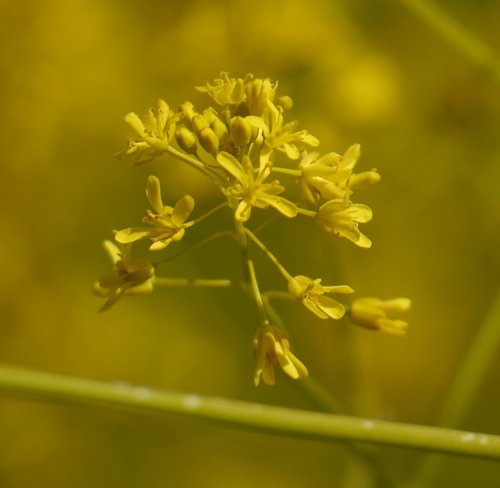
Isatis tinctoria
Used in China for mumps, viral hepatitis, herpes simplex and zoster, and was one of eight medicines the Chinese government recommended against SARS; this rests on tradition and lab work, not trials.