The Apothecary / Immunity & infection
Immune support
16 remedies
See a doctor if
Frequent or severe infections warrant investigation.
Reference, not prescription. Nothing here is medical advice. Herbs can interact with medicines and be dangerous in pregnancy; tell your doctor or pharmacist about anything you take.
Strong evidence
StrongAn approved medicine, or consistent good-quality trials and reviews.
Limited evidence
LimitedSmall or few trials, mixed results, or mainly lab and animal work.
African potato
Hypoxis hemerocallidea
Used mainly as an immune stimulant, including by people with HIV. In the mid-1990s Albrecht gave a methanolic extract to HIV patients for two years and reported stable CD4 counts and falling p24 antigen, but without a control group. A 2020 systematic review found the mechanisms unknown and the claims unsubstantiated.
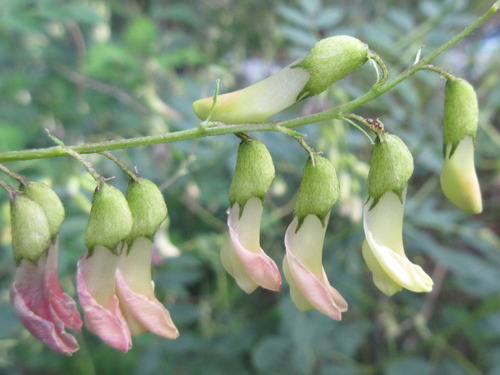
Astragalus
Astragalus mongholicus
A 2023 review of 19 human studies (1,094 participants) found raised immune-response markers and lower pro-inflammatory cytokines, but the studies were small and varied. The WHO monograph lists 'uses supported by clinical data' as none; immune effects rest mainly on lab and animal work with the root polysaccharides.
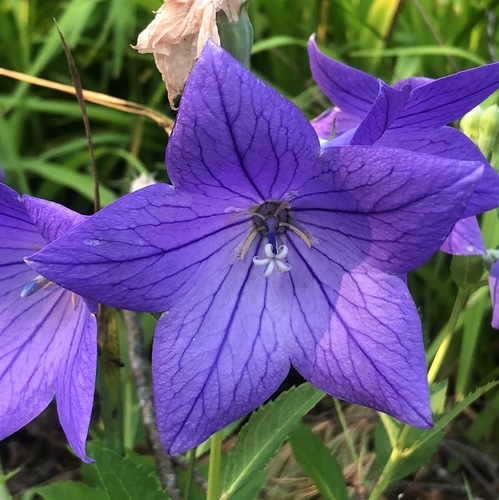
Balloon flower
Platycodon grandiflorus
In an 8-week Korean double-blind trial in 100 healthy adults, a 'red' balloon-flower root extract (1.5 g a day) raised natural-killer-cell activity and interferon-gamma compared with placebo, with no serious adverse events. Whether this changes infection rates was not tested.
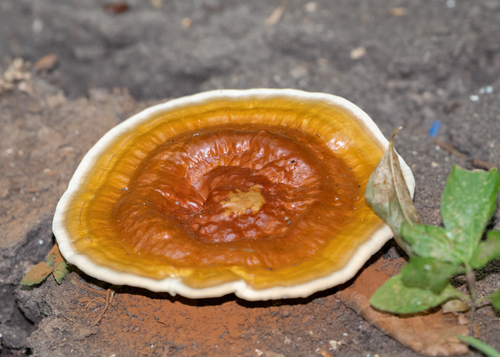
Lingzhi (reishi)
Ganoderma lingzhi
The same review found small rises in CD3, CD4 and CD8 lymphocyte percentages (2–4 percentage points) in cancer patients; the clinical meaning is uncertain.
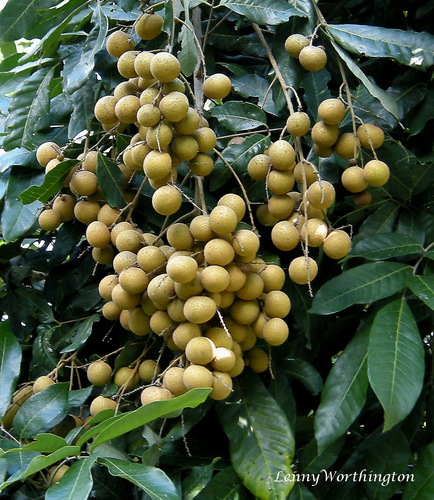
Longan
Dimocarpus longan
Polysaccharides from the fruit pulp enhanced immune responses (delayed-type hypersensitivity, macrophage activity) in mice and cell studies; no human trials.
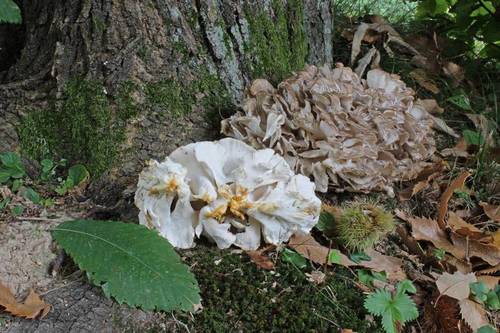
Maitake (hen-of-the-woods)
Grifola frondosa
Laboratory and early clinical work only; there were no completed phase III studies as of 2019.
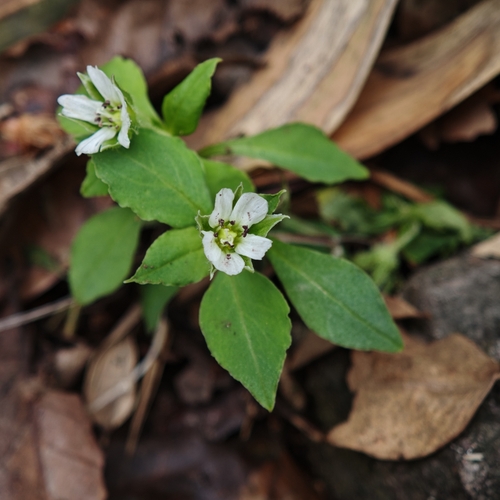
Prince ginseng
Pseudostellaria heterophylla
Root powder and polysaccharides raised immune markers (IL-2, interferon-γ, NK-cell activity, lymphocyte proliferation) in mice and altered gut bacteria. There are no clinical studies.
Sanghuang
Sanghuangporus sanghuang
In a randomised, placebo-controlled trial in 98 Korean adults, 1000 mg a day of a fermented Phellinus linteus mycelium extract for 8 weeks raised natural-killer-cell activity, but did not significantly change the secondary immune markers (cytokines, antibodies). Whether better lab numbers mean fewer infections was not tested.
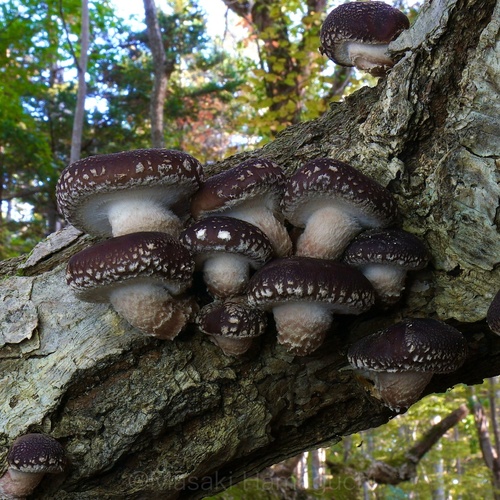
Shiitake
Lentinula edodes
Shiitake extracts are promoted for immune support; the evidence is laboratory work and small studies.
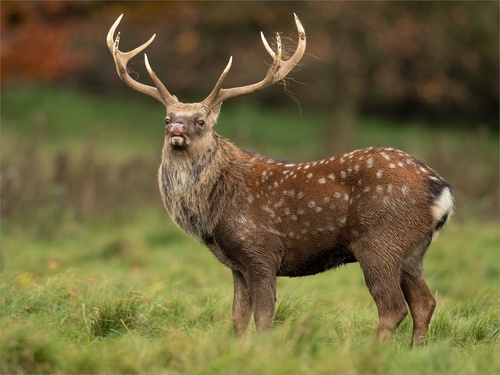
Sika deer
Cervus nippon
In an 8-week randomised trial in 120 healthy adults aged 40–70, an enzyme-digested red-deer (C. elaphus) velvet extract raised natural-killer-cell activity compared with placebo, an immune marker rather than a clinical outcome.
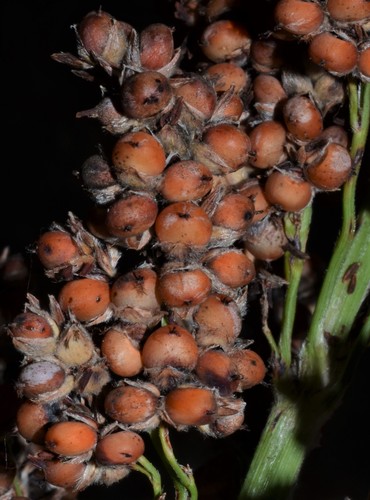
Sorghum
Sorghum bicolor
Extracts of West African sorghum leaf sheaths (sold as Jobelyn) showed anti-inflammatory and immune-modulating effects on human blood cells in the test tube and in animal models; no controlled human trials were found.
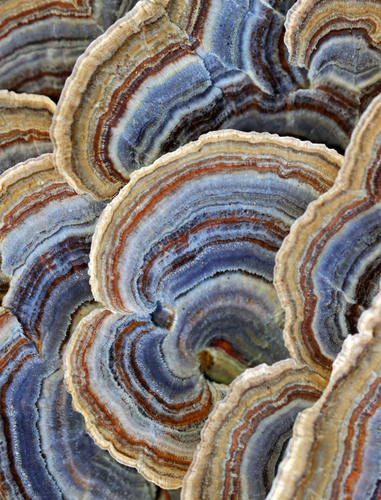
Turkey tail
Trametes versicolor
A phase 1 trial in 9 women after breast-cancer radiotherapy found up to 9 g a day of a turkey-tail preparation was well tolerated, with dose-related rises in some lymphocyte counts; clinical outcomes were not measured.
Traditional use
TraditionalLong recorded use, essentially untested in clinical trials.
Cat's claw
Uncaria tomentosa
Indigenous Amazonian peoples have used it for centuries 'to ward off disease' (NCCIH); laboratory work shows effects of its oxindole alkaloids on immune cells, but NCCIH finds no conclusive human evidence for any use, including COVID-19.
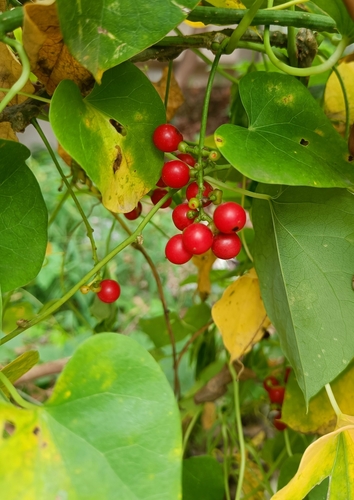
Guduchi (Giloy)
Tinospora cordifolia
Promoted in India as an immune booster to prevent COVID-19, with no clinical evidence that it does; the campaign was followed by a wave of liver-injury cases.
