The Apothecary / Immunity & infection
Malaria
103 remedies
See a doctor if
Suspected malaria is a medical emergency. Use approved antimalarials (several derive from plants).
Reference, not prescription. Nothing here is medical advice. Herbs can interact with medicines and be dangerous in pregnancy; tell your doctor or pharmacist about anything you take.
Strong evidence
StrongAn approved medicine, or consistent good-quality trials and reviews.
Baker's and brewer's yeast
Saccharomyces cerevisiae
Engineered yeast produces artemisinic acid, which is converted chemically to artemisinin, the basis of WHO first-line antimalarial combinations; again the medicine is the drug, not the yeast.

Quinine tree
Cinchona officinalis
Quinine is an approved antimalarial. A Cochrane review of 8 trials (7,429 patients) found intravenous artesunate cut deaths from severe malaria compared with quinine (risk ratio 0.61 in adults, 0.76 in children), so quinine is now the alternative where artesunate is unavailable; it remains important in the first trimester of pregnancy.
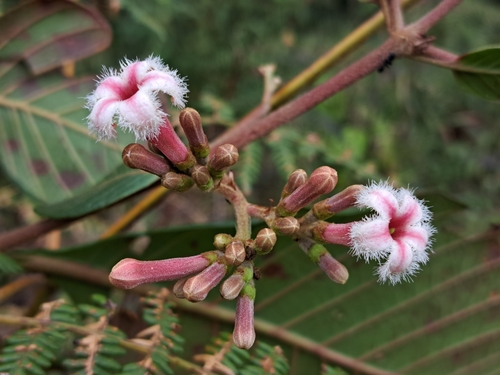
Red cinchona
Cinchona pubescens
From the seventeenth century, Cinchona bark, and from the 1820s purified quinine, was the standard treatment for intermittent fevers (malaria); the response was dramatic enough that a nineteenth-century writer said one 'may not need statistics' to prove it. Quinine remains a prescription medicine, used alone or with other drugs to treat (not prevent) malaria.
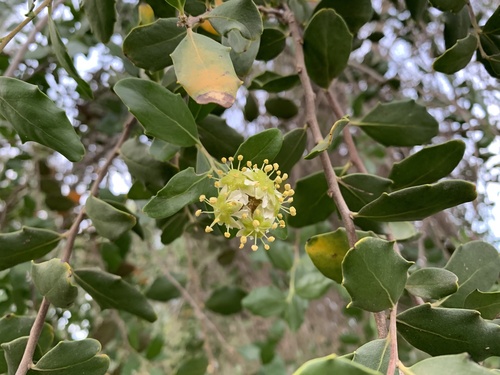
Soapbark
Quillaja saponaria
Not a herbal use: purified bark saponins are adjuvants in both approved malaria vaccines, RTS,S (Mosquirix, with the AS01 adjuvant containing QS-21) and R21 (with the Matrix-M adjuvant containing QS-21 and QS-7). The adjuvant strengthens the immune response to the vaccine antigen.
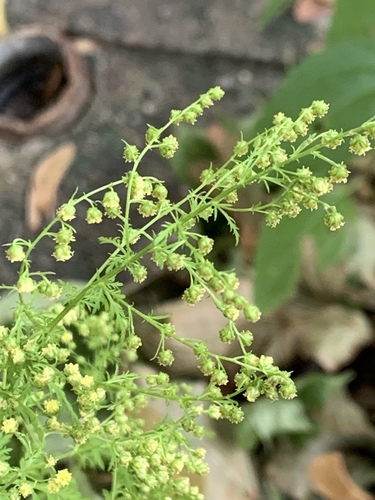
Sweet wormwood
Artemisia annua
Artemisinin derivatives, used in combination therapies, are used throughout malaria-endemic regions and are estimated to cut malaria deaths by more than 20% overall and more than 30% in children. These are purified, standardised drugs.
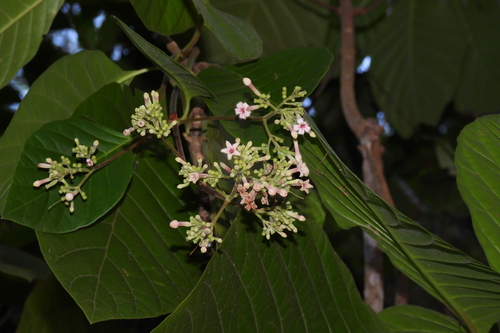
Yellow cinchona
Cinchona calisaya
Quinine is an approved prescription antimalarial, used alone or with other drugs to treat (not prevent) malaria. Cinchona alkaloids were the most effective malaria treatment until chloroquine and other synthetics arrived in the 1940s; drug resistance has since driven the search for others, such as artemisinin.
Limited evidence
LimitedSmall or few trials, mixed results, or mainly lab and animal work.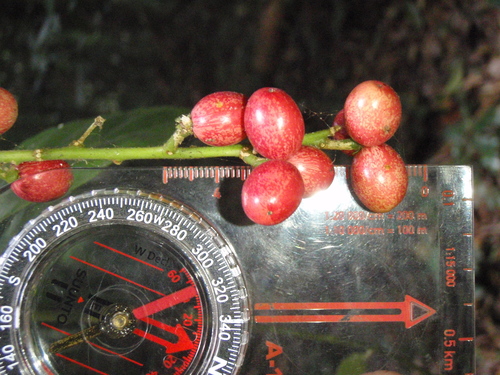
Abalo
Brucea antidysenterica
Used for malaria in Ethiopia. A leaf extract and its chloroform fraction suppressed Plasmodium berghei parasitaemia by about 33–77% in mice, and bruceantin is highly active against P. falciparum in the lab. No human trials.
African ginger
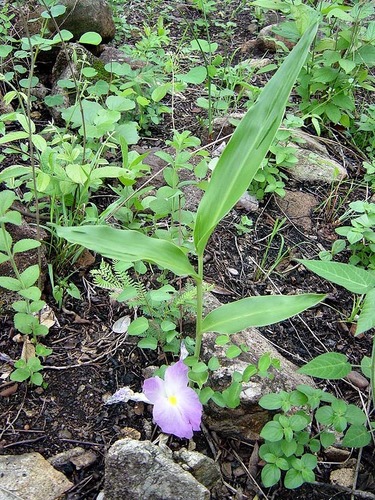
Siphonochilus aethiopicus
Used traditionally for malaria; a diarylheptanoid from the rhizome inhibited Plasmodium falciparum growth by 69–74% in vitro without cytotoxicity.
African locust bean
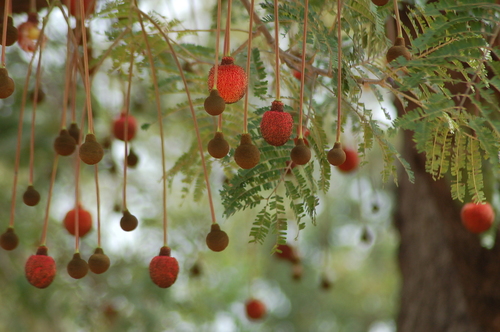
Parkia biglobosa
Used for malaria; leaf and stem-bark preparations reduced parasitaemia in Plasmodium berghei-infected mice and were active against P. falciparum in vitro.
African myrrh
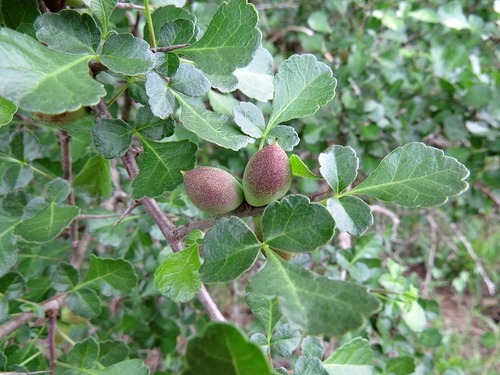
Commiphora africana
The Maasai of Arusha, Tanzania, use it for suspected malaria. A dichloromethane extract of the stem bark was active against chloroquine-sensitive and chloroquine-resistant Plasmodium falciparum in the lab. In infected mice, it suppressed parasites by about 64% and improved survival, though less than quinine.
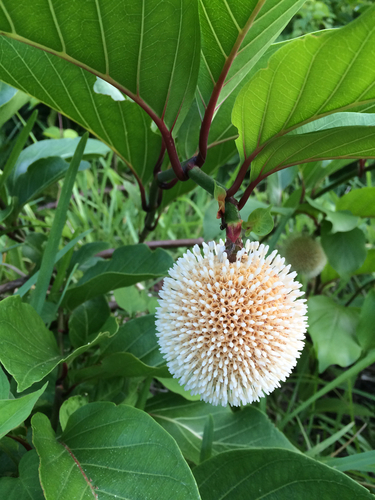
African peach
Sarcocephalus latifolius
Used across West Africa for uncomplicated malaria. A root fraction reduced Plasmodium berghei parasites in infected mice (growth inhibition up to 83%), and alkaloid-rich extracts are antimalarial in lab work; no clinical trials were found.
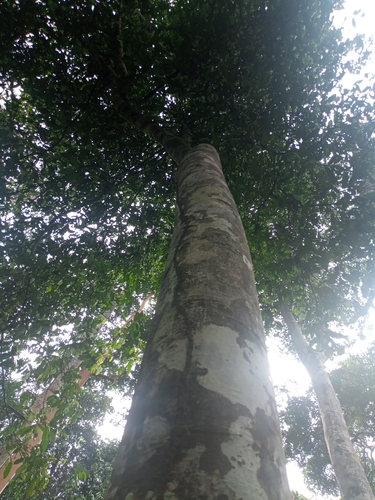
African yellow wood
Annickia chlorantha
In Kwara State, Nigeria, it was the second most-cited malaria plant (65.7% of informants). Bark extracts and alkaloids (jatrorrhizine, palmatine, berberine) were active against Plasmodium falciparum in the lab. An aqueous stem-bark extract cut parasitaemia by up to 80% in Plasmodium berghei-infected mice and prolonged survival. No human trials were found.

Akuamma
Picralima nitida
Used in folk medicine for malaria; several seed alkaloids, notably alstonine, showed antiplasmodial activity in vitro.
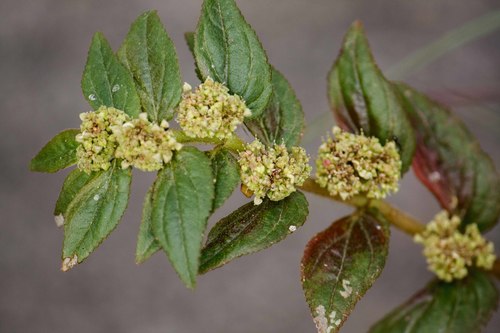
Asthma weed
Euphorbia hirta
Extracts inhibited Plasmodium falciparum in vitro (IC50 about 3 μg/ml) and reduced parasitaemia in mice at 100–400 mg/kg; untested in people.
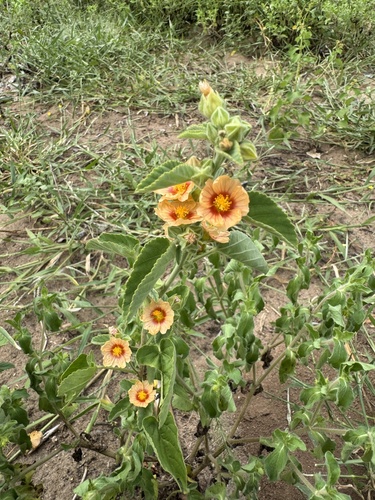
Bala
Sida cordifolia
Used for malaria in Ghana; a 2023 mouse study found antiplasmodial activity of a leaf extract against Plasmodium berghei. No human trials.

Bitter bark
Alstonia constricta
Alstonine, an indole alkaloid of the genus, showed antiplasmodial activity in the lab; the bark was not tested in people.
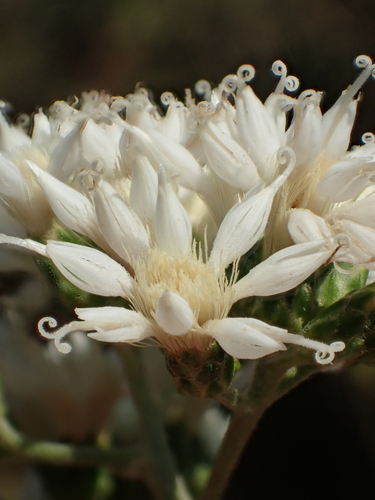
Bitter leaf
Gymnanthemum amygdalinum
In a clinical study of a fresh-leaf infusion for uncomplicated malaria in people aged 12 and over, 67% had an adequate clinical response at day 14, but parasites cleared completely in only 32% of those, and 71% of these relapsed. No significant side effects were seen. It is not a substitute for proven antimalarials.
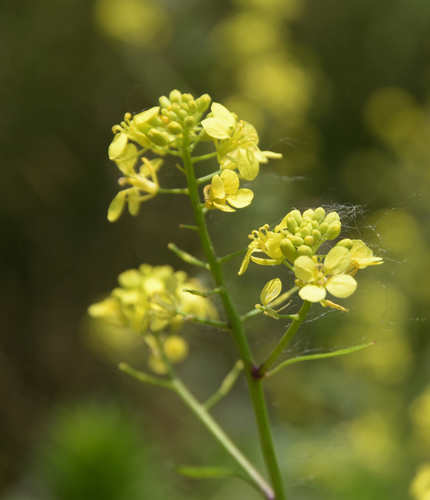
Black mustard
Brassica nigra
In Ethiopia a paste of powdered seeds is eaten with injera to prevent and treat malaria. A seed extract (200–400 mg/kg) suppressed Plasmodium berghei by about 50% in mice, less than chloroquine.
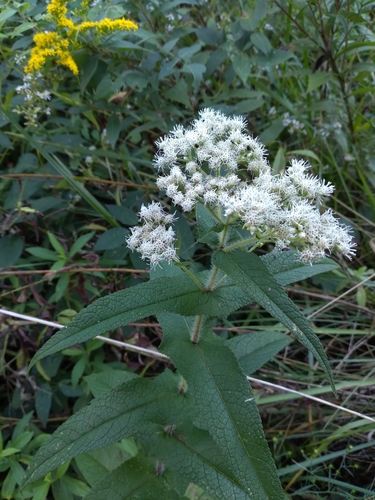
Boneset
Eupatorium perfoliatum
Used for 'ague' (malarial fever). A plant extract and its sesquiterpene lactones were active against Plasmodium falciparum in the test tube (IC50 2.7 µg/ml); there is no evidence in people.

Boundary tree
Newbouldia laevis
Used in folk medicine for malaria; newbouldiaquinone A from the roots showed only moderate suppression of Plasmodium falciparum in vitro.
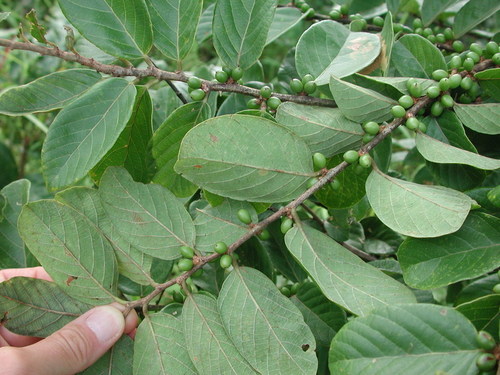
Bridelia
Bridelia ferruginea
Leaf and bark decoctions are used for malaria in parts of Nigeria (a cupful daily for 3–7 days in south-eastern Nigeria); an aqueous bark extract (100–400 mg/kg) suppressed Plasmodium berghei in mice.
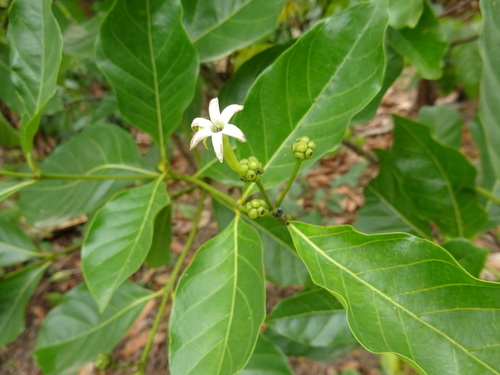
Brimstone tree
Morinda lucida
Used for malaria across southern Nigeria and Ghana, and found in several of the finished herbal antimalarial mixtures in a 2023 survey of Accra pharmacies. Antimalarial activity is shown in laboratory and mouse studies (often in combination with neem or mango leaves); no controlled human trials were found. Malaria needs proven treatment.
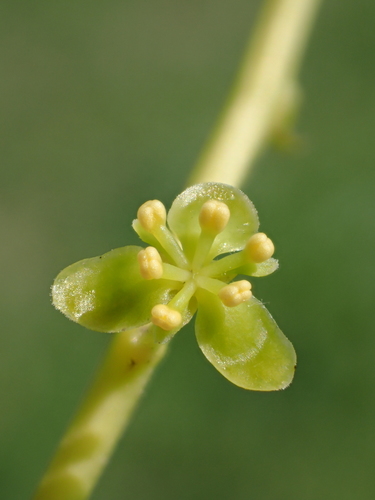
Brotowali
Tinospora crispa
Used against malaria in Malaysia, the Philippines, Indonesia, Vietnam, southern Laos and Guinea. Extracts suppressed Plasmodium in vitro and in mice, though results across studies conflict.
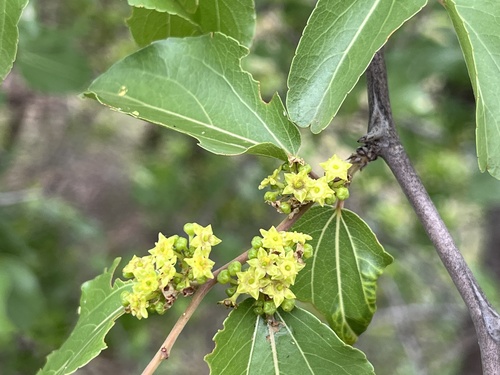
Buffalo thorn
Ziziphus mucronata
Used for malaria by the Zulu, Swazi, Tsonga and Venda. Dichloromethane stem-bark extracts inhibited Plasmodium falciparum (IC50 about 3–5.5 µg/ml) but were also toxic to mammalian cells at similar concentrations; betulinic acid and lupeol were identified as active compounds.
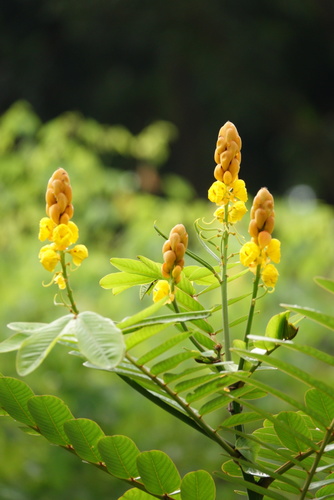
Candle bush
Senna alata
Used for malaria and influenza in Guatemala, Indonesia and Brazil; leaf extracts showed antimalarial effects in mice only.
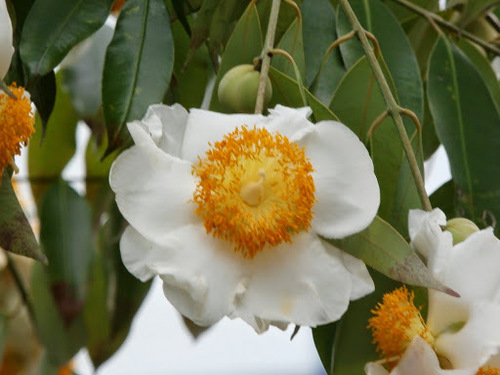
Ceylon ironwood
Mesua ferrea
Ethanolic flower extract and the Thai fever remedy Pra-Sa-Chan-Dang that contains it were active against chloroquine-resistant Plasmodium falciparum; leaf and branch extracts suppressed parasites in infected mice by up to 55–63% at 600 mg/kg. No human trials were found.
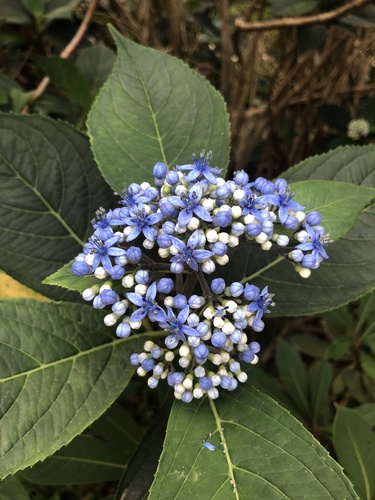
Chang shan
Dichroa febrifuga
Root and leaf extracts are active against several Plasmodium species, mainly through febrifugine, but febrifugine could not be developed for people because of its low safety margin and unacceptable adverse effects. No modern clinical trials of the herb were found.
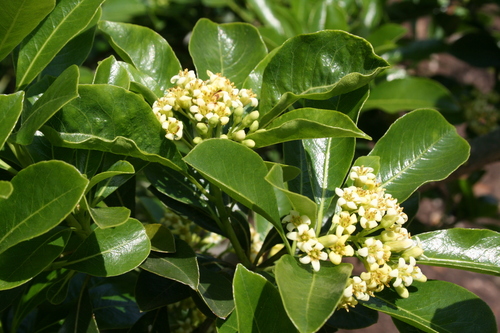
Cheesewood
Pittosporum viridiflorum
Used by the Meru of Kenya for malaria. Water and methanol extracts were toxic to mice, but at a lower dose prolonged survival of mice infected with malaria parasites; the extracts were about as toxic to mammalian cells as to parasites.

Christmas bush
Alchornea cordifolia
In a mouse model a chloroform fraction of the leaf ethanol extract showed only weak curative antiplasmodial activity (21% falling to 15% suppression) and no toxicity at the doses tested.

Cochlospermum
Cochlospermum tinctorium
Among the plants most used against malaria by healers in Sélingué, Mali, and the second most common use in Benin. Rhizome decoctions and extracts had moderate antiplasmodial activity in vitro (IC50 16–63 µg/ml), with the apocarotenoids cochloxanthine and dihydrocochloxanthine more active.
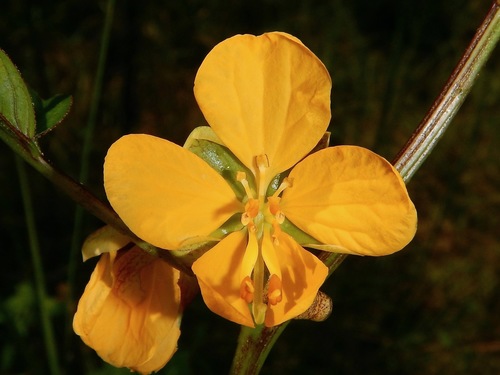
Coffee senna
Senna occidentalis
In Kenya the Luhya, Digo and Duruma drink a root decoction for malaria, and it is used for malaria in Tanzania. Root extracts inhibited Plasmodium falciparum in the lab and suppressed P. berghei and prolonged survival in infected mice; no human trials were found.
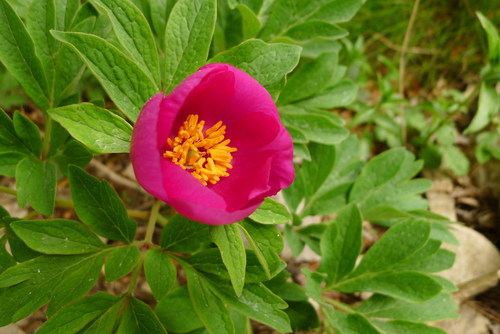
Common peony
Paeonia officinalis
In lab tests, two compounds from the root, methyl gallate and galloyl paeoniflorin, were active against Plasmodium falciparum (IC50 0.61–4.72 µg/mL, far weaker than chloroquine) and were not toxic to mammalian cells. There is no animal or human evidence.
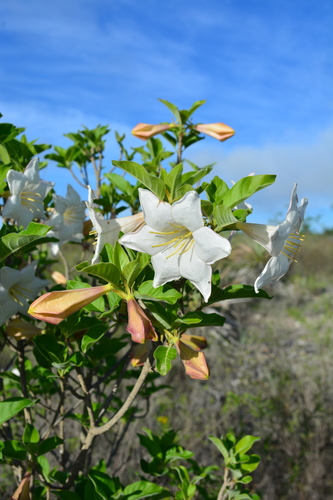
Copalchi
Hintonia latiflora
Used in Mexican traditional medicine for malaria. In mice with lethal malaria a high dose of methanol bark extract suppressed parasites for a time, but all treated mice died, unlike those given chloroquine. Historically it was regarded as a 'false cinchona' that cannot replace true cinchona bark.
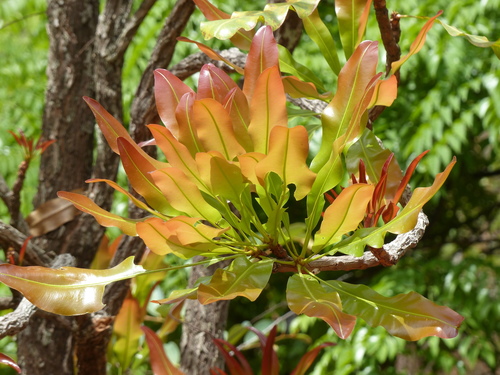
Dwarf red ironwood
Lophira lanceolata
A stem-bark ethanol extract inhibited chloroquine-sensitive and chloroquine-resistant P. falciparum in culture (IC50 about 25–32 µg/ml) and suppressed P. berghei in mice by up to 88% at 500 mg/kg. The bichalcone lophirone E killed late-stage gametocytes, and lanceolin B blocked early mosquito stages, in the lab. No human studies were found.
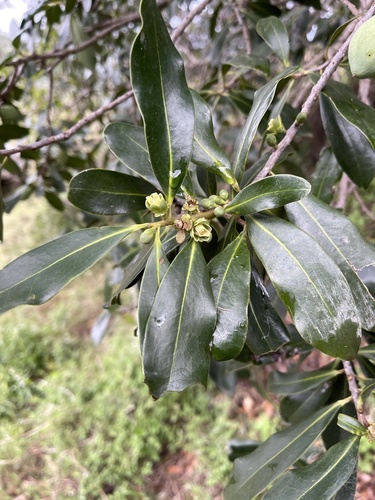
East African greenheart
Warburgia ugandensis
Used against malaria by Kenyan communities. Extracts inhibited Plasmodium knowlesi in culture and, at 200 mg/kg/day in mice infected with P. berghei, suppressed parasites by up to 69%. No human trials.

False abura
Mitragyna inermis
Used for malaria in Mauritania. Methanol and ethanol–water extracts of stem bark and twigs were highly active against drug-sensitive and multidrug-resistant Plasmodium falciparum in the lab; ellagic acid was the active compound isolated (IC50 0.84–1.62 µg/ml). No animal or human efficacy data were found.

Fever bush
Dicoma anomala
The root is used for malaria in Zimbabwe. A sesquiterpene lactone, dehydrobrachylaenolide, isolated from subsp. gerrardii was active against Plasmodium falciparum in the lab; no animal or human malaria data were found.

Fever tea
Lippia javanica
Used for malaria in several African countries. Root extracts were active against Plasmodium falciparum in the lab, and a compound from the aerial parts, lippialactone, had an IC50 of 9.1 μg/mL against a chloroquine-sensitive strain. No animal or human malaria trials were found.
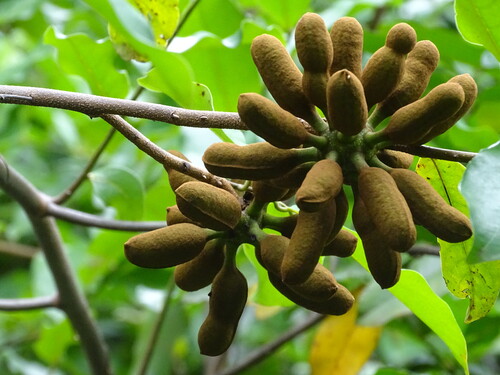
Finger root
Uvaria chamae
Used for malaria in southern Nigeria, Ghana and Benin (mainly the leaves in Benin). An ethanol root extract at 300–900 mg/kg/day was active against Plasmodium berghei in mice, and at 900 mg/kg/day survival matched chloroquine; a root extract was also active against P. falciparum in vitro. No human trials.
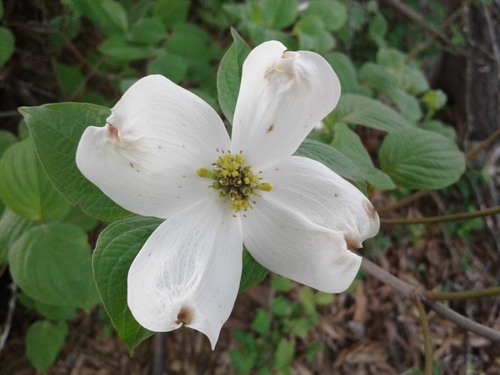
Flowering dogwood
Cornus florida
The Houma took a decoction of the root or bark for malaria. Eclectic physicians and Confederate army supply officers used the bark in place of cinchona or quinine. When Graziose et al. (2012) fractionated the bark, the compounds they isolated were only moderately active against Plasmodium falciparum in vitro (best IC50 about 10 µM). The authors said this does not fully explain the bark's historical reputation. No human trials were found.
Gambian tea bush
Lippia multiflora
The essential oil inhibited chloroquine-resistant and chloroquine-sensitive Plasmodium falciparum in culture. In Oyo State, Nigeria, it was a main ingredient of herbalists' multi-herb malaria remedies, and confirmed infections responded in 88% of urban and 42% of rural children. That was an uncontrolled observation of mixtures, so it cannot be credited to this plant.
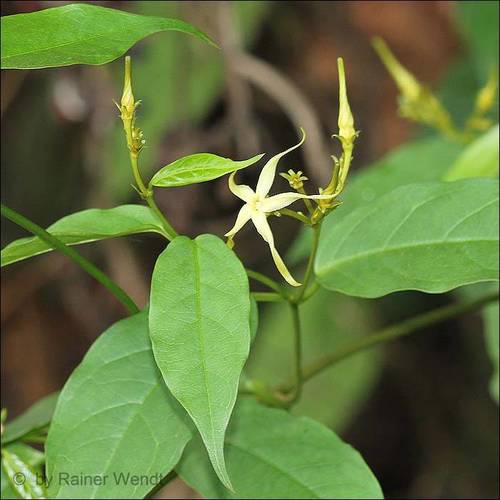
Ghana quinine
Cryptolepis sanguinolenta
In an uncontrolled clinical study of 44 people with uncomplicated falciparum malaria, a tea-bag preparation (2.5 g root powder three times daily for 5 days) cleared parasites in half within 3 days and in all by day 7; fever, chills and vomiting resolved within 72 hours, with an overall cure rate of 93.5% (two recrudescences). It is one of six improved traditional antimalarials approved by at least one government. There are no randomised trials against standard artemisinin combination therapy.
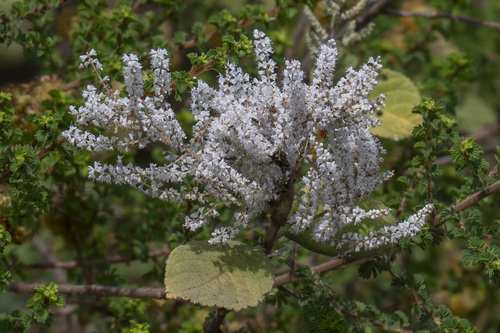
Ginger bush
Tetradenia riparia
Used for malaria in Rwanda, Kenya, Tanzania and among the Zulu, sometimes mixed with Markhamia lutea and Vernonia amygdalina. The essential oil had moderate activity against Plasmodium falciparum in the lab; no animal or human efficacy data were found.
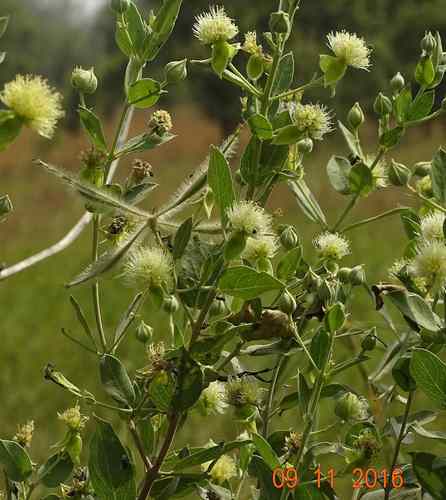
Guiera
Guiera senegalensis
Used for malaria, often combined with Mitragyna inermis or Pavetta crassipes. Its β-carboline alkaloids were antiplasmodial in vitro with low cytotoxicity, and leaf alkaloids acted synergistically with those of M. inermis. A gall extract did not block parasite transmission to mosquitoes.
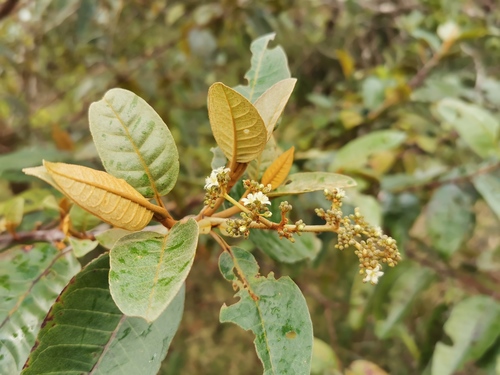
Haronga
Harungana madagascariensis
Used for malaria in Cameroon and elsewhere. An ethanolic stem-bark extract inhibited Plasmodium falciparum isolates in vitro (IC50 0.05–0.52 µg/ml) and suppressed Plasmodium yoelii in mice; root-bark constituents are also antiplasmodial. No human trials.
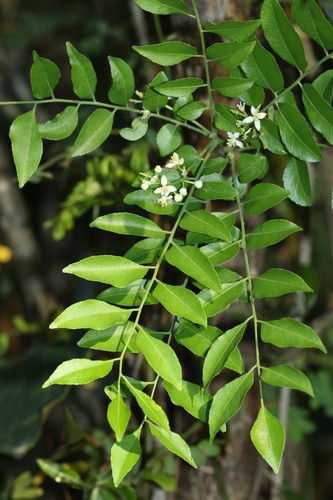
Horsewood
Clausena anisata
Used traditionally for malaria. A leaf extract reduced parasitaemia and prolonged survival in mice infected with Plasmodium berghei, and the root compounds heptaphylline and imperatorin killed human P. falciparum in the lab, though far less potently than artesunate. No clinical trials.
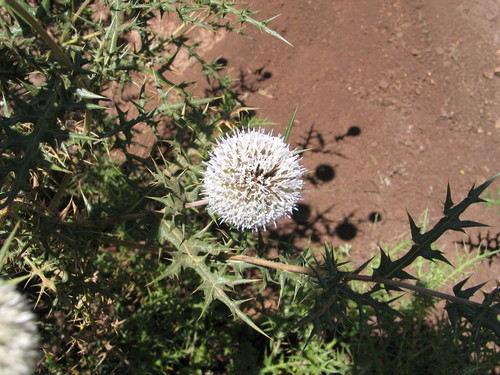
Kebericho
Echinops kebericho
Used in Ethiopian folk medicine for malaria. An ethanol root extract suppressed Plasmodium berghei parasitaemia in mice by up to 57% at 500 mg/kg and prolonged survival, but did not prevent weight loss. No human trials.
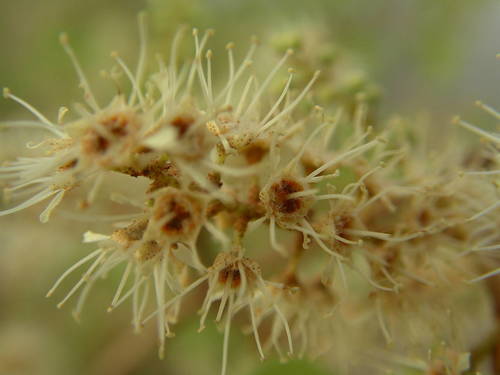
Kinkeliba
Combretum micranthum
Used traditionally against malaria and fever; leaf and bark extracts show moderate antiplasmodial activity in the lab only.
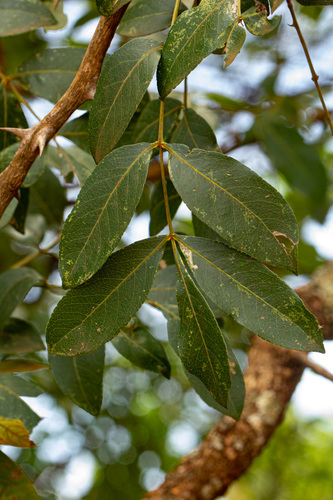
Knobwood
Zanthoxylum chalybeum
Among the plants most often named for malaria in Budiope county, Uganda, prepared as water extracts at variable doses. In Kenyan work an aqueous extract suppressed rodent malaria parasites by about 81%, similar to chloroquine in that study, with no toxicity in mice at 2000 mg/kg. No human trials; malaria needs proven antimalarial drugs.
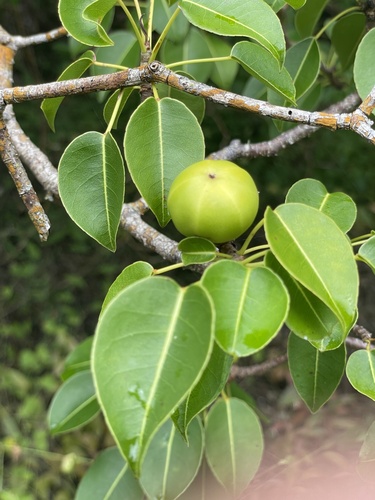
Manchineel
Hippomane mancinella
In a Colombian laboratory screen, a seed extract was among five plant extracts that inhibited Plasmodium falciparum in culture (IC50 values of 1–9 µg/ml for the active extracts) without damaging human blood cells. This is a single test-tube result; the plant is highly toxic and is not a malaria treatment.
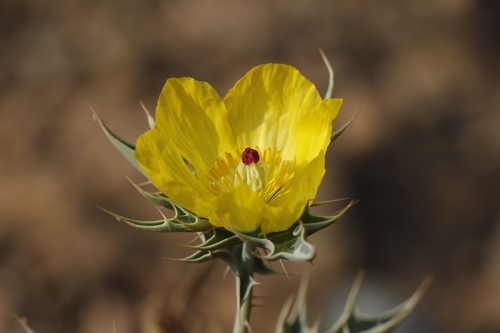
Mexican prickly poppy
Argemone mexicana
In a randomised trial of 301 people (median age 5) with presumed uncomplicated malaria in a remote Malian village, 89% on the decoction needed no second-line treatment over 28 days versus 95% on artesunate-amodiaquine; severe malaria was 1.9% in young children in both groups. It rarely clears parasites completely, but over 84 days new episodes and anaemia did not differ. A supplement to, not a substitute for, standard care.
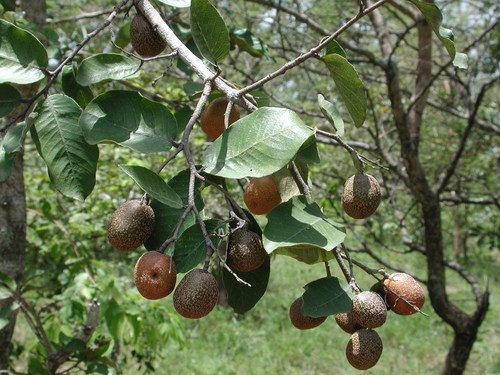
Mobola plum
Parinari curatellifolia
Used for malaria and fever in several African countries, including Cameroon. Root, root-bark and stem-bark extracts had good in vitro activity against Plasmodium falciparum (IC50 about 4–8 µg/ml). An aqueous leaf-and-bark extract reduced parasitaemia in rats infected with P. berghei. There are no human trials.
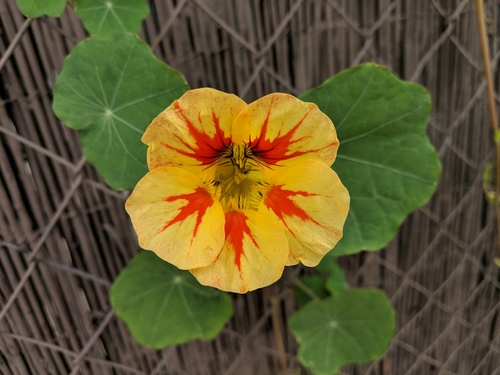
Nasturtium
Tropaeolum majus
Aqueous extracts (more active from seeds than leaves or stems) and benzyl isothiocyanate inhibited Plasmodium falciparum growth in culture. Test-tube work only.
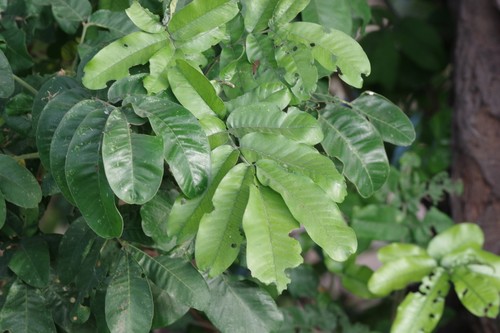
Natal mahogany
Trichilia emetica
Leaf, bark and root decoctions are recorded remedies for malaria and fever. A methanol extract inhibited chloroquine-sensitive and chloroquine-resistant Plasmodium falciparum in vitro (IC50 below 5 µg/ml). An ethanol extract was very active against African trypanosomes (IC50 0.04 µg/ml). There are no animal or human treatment trials.
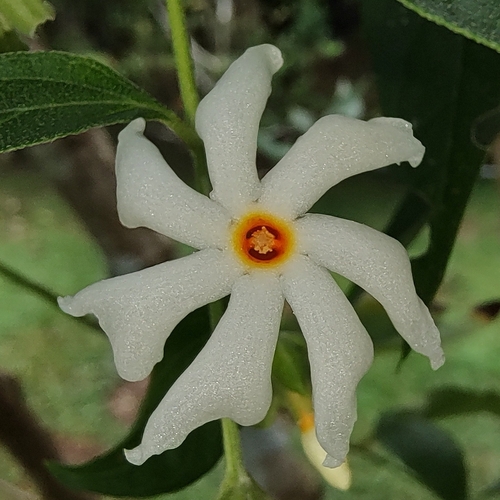
Night jasmine
Nyctanthes arbor-tristis
An Ayurvedic hospital in Mumbai treated malaria with a paste of 5 fresh leaves three times a day. An earlier uncontrolled series reported clinical cure and clearance of parasites in 92 of 120 patients (76.7%). A later open study of 20 patients with mild to moderate malaria found that 10 cleared both fever and parasites, often slowly (up to 30 days). The other 10 still had parasites, and 4 needed chloroquine. There has been no controlled trial, and the authors used chloroquine as a back-up.
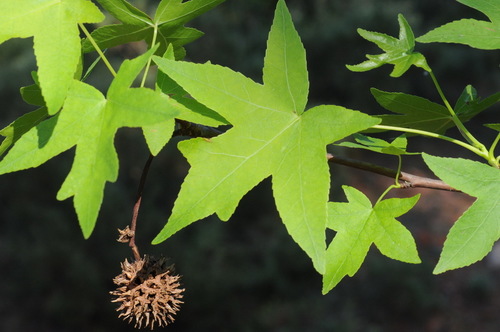
Oriental sweetgum
Liquidambar orientalis
Methanol and water extracts inhibited Plasmodium falciparum in culture and delayed parasitaemia and death in infected mice. Preclinical only.
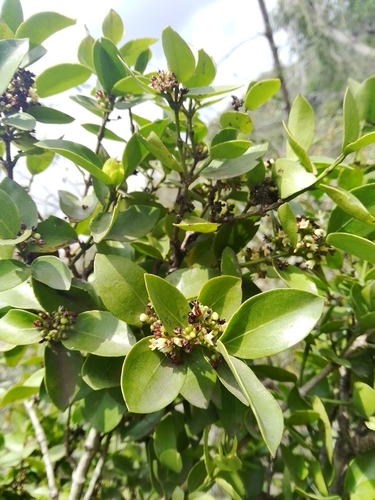
Red bitterberry
Strychnos henningsii
Used for malaria in Kenya and South Africa. In the test tube, water and methanol bark extracts had only weak activity against malaria parasites (IC50 roughly 67–190 µg/ml).
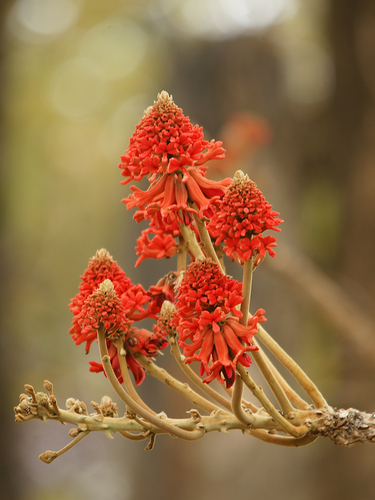
Red-hot-poker tree
Erythrina abyssinica
Root, stem bark, leaf and flower decoctions are drunk for malaria and fevers in Uganda, Kenya, Tanzania, Ethiopia, Eritrea, DR Congo, Sudan and Rwanda. Ethyl acetate bark extracts inhibited chloroquine-sensitive and resistant P. falciparum in the test tube (IC50 about 5–8 µg/ml), and chalcones and flavanones isolated from it are active too, though less so than chloroquine. No human trials.
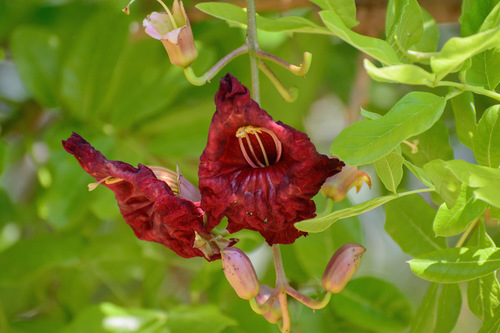
Sausage tree
Kigelia africana
Used for malaria in several regions. Results in the lab are mixed: isolated compounds such as specioside were active against chloroquine-resistant Plasmodium falciparum, but stem-bark extracts were inactive in one study and a 2026 Ugandan study found the hydroethanolic extract largely inactive (IC50 > 100 µg/ml).
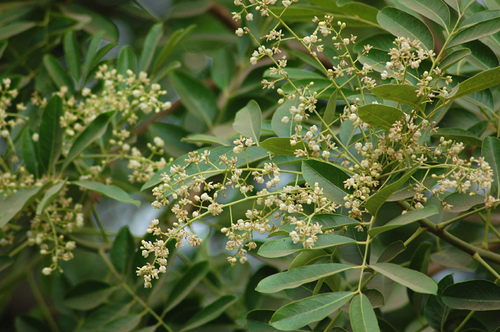
Senegal mahogany
Khaya senegalensis
Leaves, fruit and bark are widely used against malaria in Cameroon and Nigeria. A stem-bark methanol extract was potent against multidrug-resistant Plasmodium falciparum (Dd2) in the lab (IC50 2.5–4.8 µg/mL) but weak against a chloroquine-sensitive strain. A commercial Ghanaian herbal antimalarial containing Khaya with neem was not among the products with good activity in vitro. No clinical trials were found.

Senegal prickly-ash
Zanthoxylum zanthoxyloides
Used traditionally against malaria in West Africa, Nigeria and Uganda. Root and stem-bark extracts inhibited chloroquine-sensitive and -resistant Plasmodium falciparum in vitro (IC50 about 1–10 µg/mL); the alkaloid fagaronine was highly active (IC50 0.018 µg/mL). A leaf extract suppressed P. berghei in mice by 82–96% at 200–600 mg/kg. No human trials found.
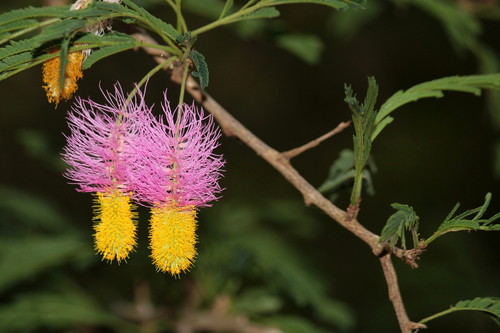
Sickle bush
Dichrostachys cinerea
Used by Maasai in Tanzania for suspected malaria. A stem-bark extract was active against chloroquine-sensitive and resistant Plasmodium falciparum in vitro and suppressed P. berghei parasites by 53% in mice.
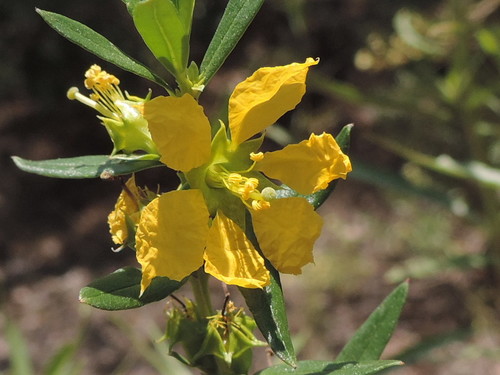
Sinicuichi
Heimia salicifolia
Vertine and epi-lyfoline showed moderate antimalarial activity in laboratory tests.
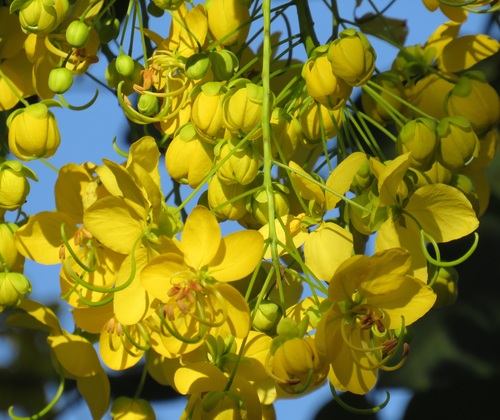
Sjambok pod
Cassia abbreviata
Used for malaria in southern and East Africa. A dichloromethane root extract from Malawi inhibited Plasmodium falciparum in vitro (IC50 about 2.9 µg/ml), rated 'very good' in a 2021 systematic review. No human data.
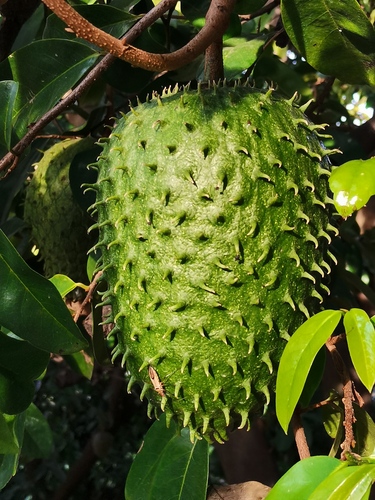
Soursop
Annona muricata
Used traditionally for fever and malaria. Leaf extracts inhibited chloroquine-sensitive and -resistant Plasmodium falciparum in vitro (IC50 about 8–16 µg/mL); no human trials.

Stool wood
Alstonia boonei
Bark preparations are widely used for malaria in Ghana and Nigeria. Extracts suppressed Plasmodium berghei in mice and showed moderate activity against P. falciparum in vitro (IC50 about 12 µg/ml); no human trials were found.
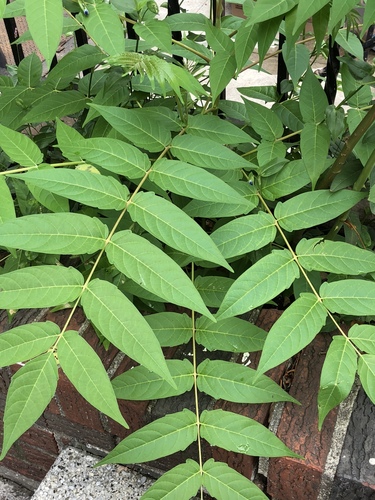
Tree of heaven
Ailanthus altissima
In one laboratory study, the quassinoids ailanthone and 6α-tigloyloxychaparrinone from seeds and seedlings were active against chloroquine-sensitive and chloroquine-resistant Plasmodium falciparum. No animal or human studies followed.
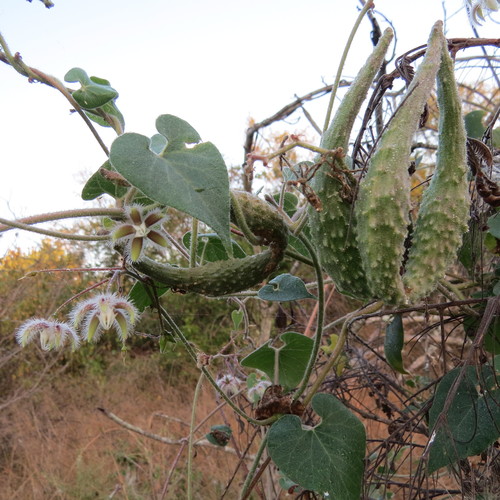
Trellis vine
Pergularia daemia
Cameroonian healers use the root decoction for malaria. An ethyl acetate leaf extract showed moderate activity against Plasmodium falciparum in the test tube (IC50 21–40 µg/ml).
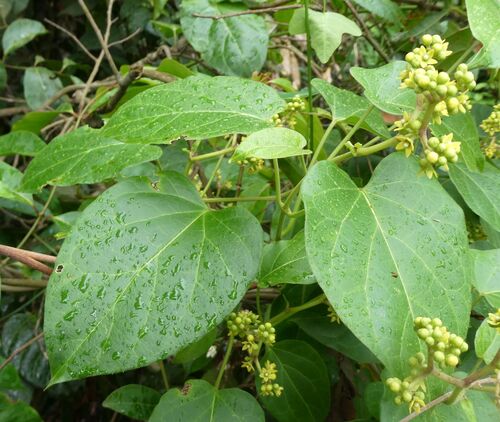
Utazi
Gongronema latifolium
Its leaves are part of a lime-juice extract with Picralima nitida seeds and Alstonia boonei bark used for malaria in south-western Nigeria; the mixture suppressed Plasmodium berghei in mice but raised liver enzymes. The contribution of utazi alone is unknown.
Traditional use
TraditionalLong recorded use, essentially untested in clinical trials.
African baobab
Adansonia digitata
Leaves are used against malaria in Sierra Leone. There is no clinical evidence that baobab treats malaria.

African entada
Entada africana
A decoction is used for malarial fever in Nigeria and Mali; no clinical evidence was found.

African moringa
Moringa stenopetala
Traditional healers in southern Ethiopia use leaf powder syrup, a bark soak and a pod infusion for malaria.

African nutmeg
Pycnanthus angolensis
The Yoruba use it for malaria and fever, and it is listed as an ingredient in multi-herb antimalarial products sold in Ghana (e.g. Lawson and Dannemal herbal mixtures). Its own antimalarial activity was not tested in these studies.

Bitter kola
Garcinia kola
Malaria is among the traditional indications. Taking the seeds with quinine lowered quinine blood levels in healthy volunteers, so combining them may weaken antimalarial treatment.
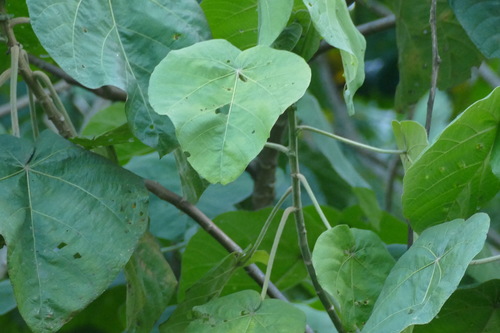
Broad-leaved croton
Croton macrostachyus
Widely used in traditional African medicine for malaria, as well as typhoid; no controlled studies were found in the sources reviewed.
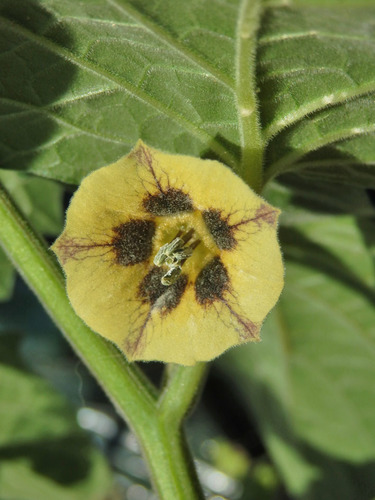
Cape gooseberry
Physalis peruviana
Listed among ethnomedical uses; no clinical studies.
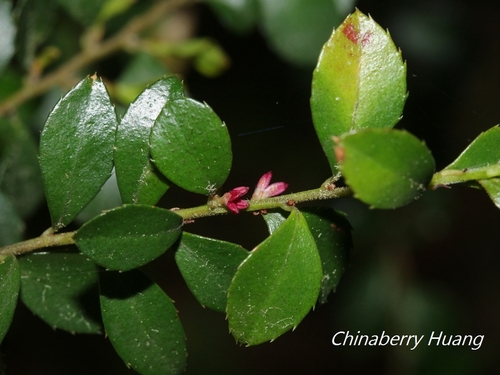
Cape myrtle
Myrsine africana
Seeds used for malaria in Kenya; extracts have been tested for antimalarial activity.
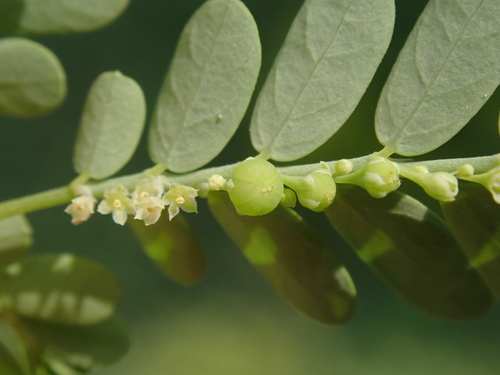
Carry-me-seed
Phyllanthus amarus
Used for malaria and intermittent fevers in Nigeria, West Africa and the Amazon; antiplasmodial activity has been tested only in the laboratory and in mice.
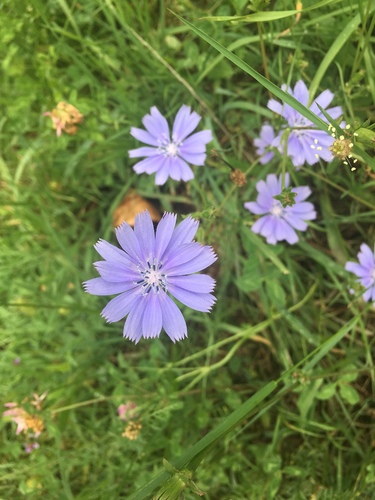
Chicory
Cichorium intybus
Folk reports from Afghanistan describe a water extract of the root for malaria. The bitter lactones lactucin and lactucopicrin stopped Plasmodium falciparum growing in the lab at 10 and 50 µg/ml; there are no studies in people.
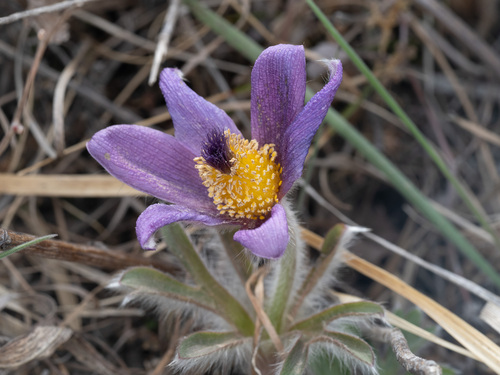
Chinese pasque flower
Pulsatilla chinensis
The Shennong Bencao Jing records it for 'malaria fever', for dispelling damp-heat and cooling the blood.
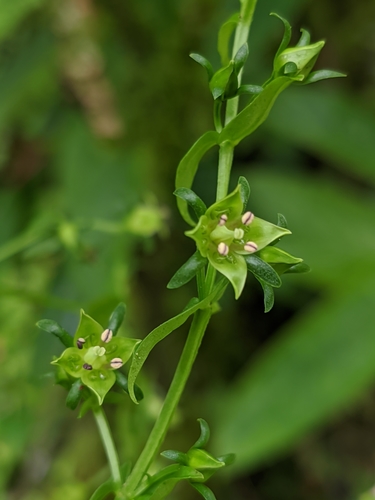
Chiretta
Swertia chirayita
A whole-plant decoction is drunk for malaria in South Asian folk medicine. Swerchirin and extracts are antimalarial in laboratory studies; the plant alone has not been tested in patients.

Cogongrass
Imperata cylindrica
In Malagasy traditional medicine a decoction of the aerial parts is used to relieve pain and treat malaria.
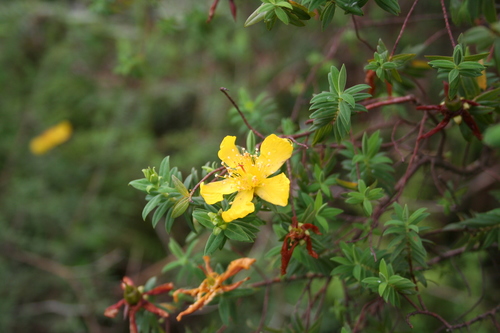
Curry bush
Hypericum revolutum
Used in Cameroon for malaria and other protozoal diseases. Untested in people.
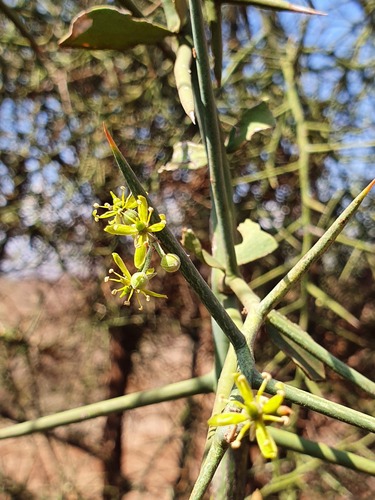
Desert date
Balanites aegyptiaca
The bark is used traditionally for malaria; a rat study found a methanol bark extract non-toxic up to 1000 mg/kg for 30 days, but its antimalarial effect has not been tested in people.
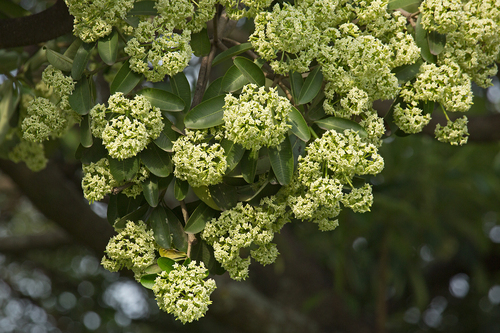
Devil tree
Alstonia scholaris
The bark is used in India for malaria, and antiplasmodial activity is reported in laboratory studies; human evidence exists only for the multi-herb AYUSH-64.
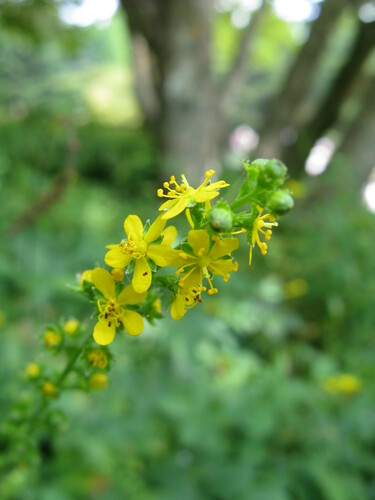
Hairy agrimony
Agrimonia pilosa
Traditionally used to 'intercept malaria' in Chinese medicine; no clinical data were found.
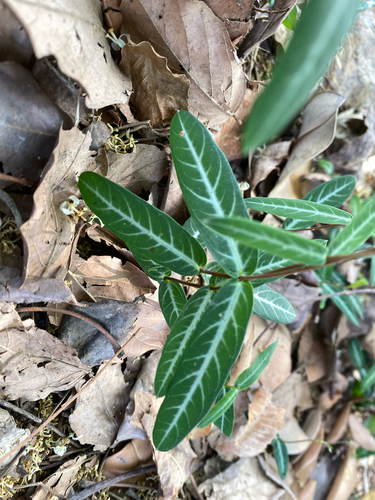
Indian sarsaparilla
Hemidesmus indicus
Root powder is recorded among traditional malaria remedies of Mayurbhanj district, Odisha; no clinical evidence.
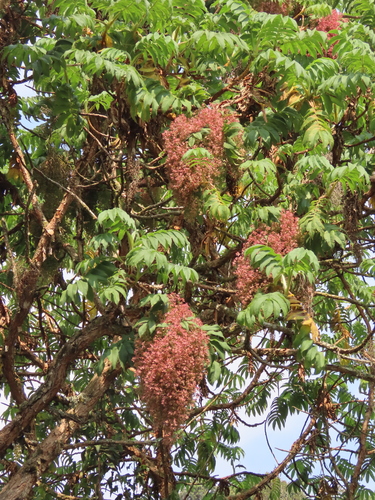
Kosso
Hagenia abyssinica
In the Kofele and Bale regions, female flowers are combined with garlic and Artemisia leaves against malaria; untested clinically.
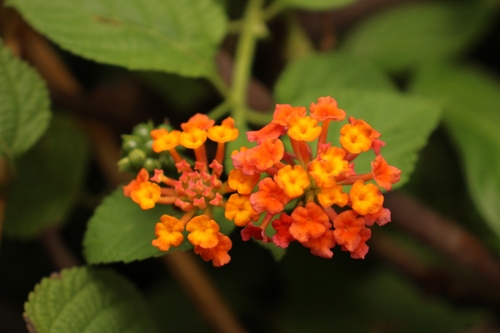
Lantana
Lantana camara
Leaf decoctions are used as antimalarials in the Democratic Republic of Congo, Kenya (Embu, Mbeere, Digo, Duruma and Kamba peoples) and Uganda, where it was among the five plants most often named for malaria in Budiope county. Not clinically tested; malaria needs proven drugs.

Mandravasarotra
Cinnamosma fragrans
A bark decoction is traditionally used for malarial symptoms; in eastern Madagascar it is part of a six-plant mixture drunk 3–4 times daily for malaria, tiredness and muscle aches. Drimane sesquiterpenes of the genus have reported antiplasmodial activity, but the plant has not been tested in patients.

Njansang
Ricinodendron heudelotii
The bark is used for malaria, yellow fever and fever. No antimalarial studies of this species were found.

Purple fleabane
Baccharoides anthelmintica
Fruit powder is used for malarial fever, and for stomach ache in amoebic dysentery, by tribes in Odisha.
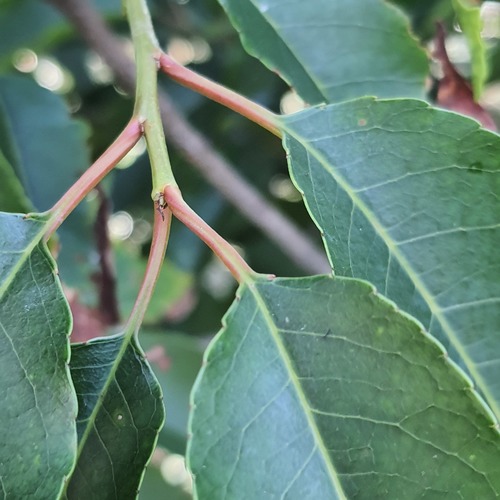
Pygeum
Prunus africana
Kikuyu healers in central Kenya and communities in Meru use a decoction or infusion of powdered stem bark for malaria; not tested in clinical trials.
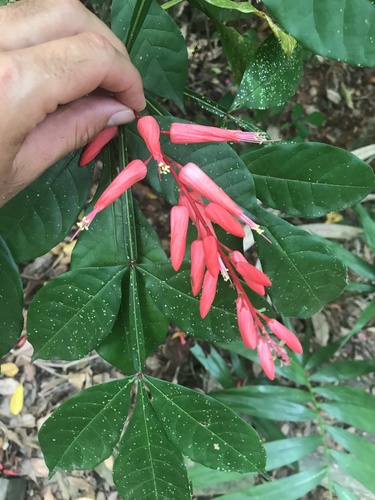
Quassia
Quassia amara
Used as an antimalarial in French Guiana (hence the names 'quinine caraïbe' and 'quinquina de Cayenne'); a leaf compound active against malaria in the lab was patented, prompting biopiracy claims.
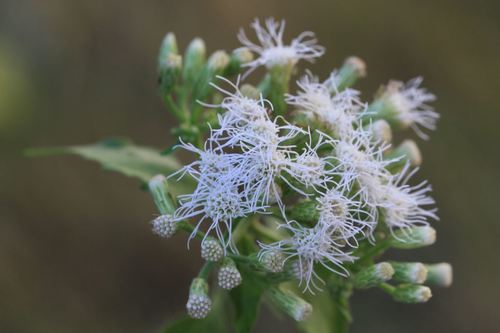
Siam weed
Chromolaena odorata
Malaria is among its ethnomedical uses in West Africa and Asia; no clinical evidence was found.
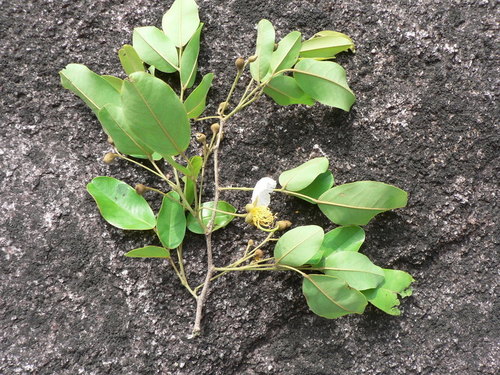
Snake bean
Bobgunnia madagascariensis
Roots are used for malaria and yellow fever in Tanzania and the bark for malaria in DR Congo. Not tested clinically.
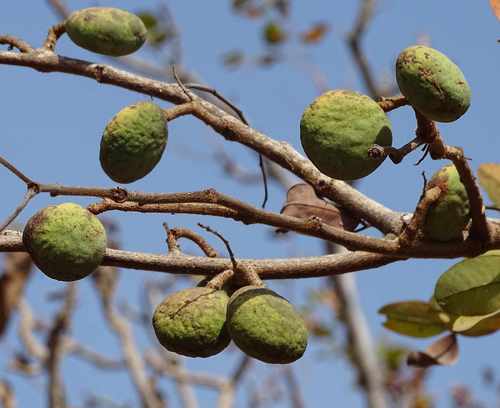
Sweet detar
Detarium microcarpum
Listed among traditional uses for malaria and fever; a review records antiparasitic (including antitrypanosomal) activity of leaf extracts in mice, but no clinical studies.
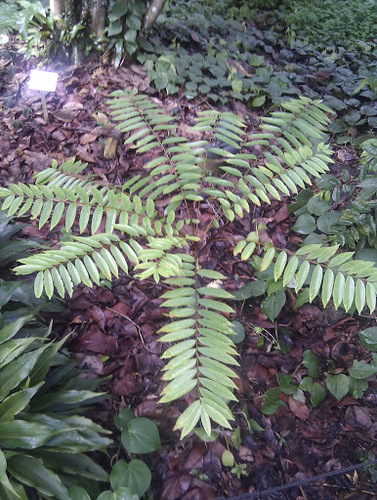
Tongkat ali
Eurycoma longifolia
One of Southeast Asia's best-known folk remedies for intermittent fever; root quassinoids act against Plasmodium falciparum in the laboratory, but there are no clinical trials.
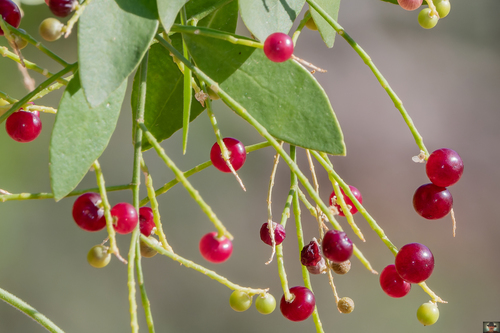
Toothbrush tree
Salvadora persica
A leaf decoction is used for malaria and asthma in the Soon Valley of Pakistan (cited in a 2021 review); untested clinically.
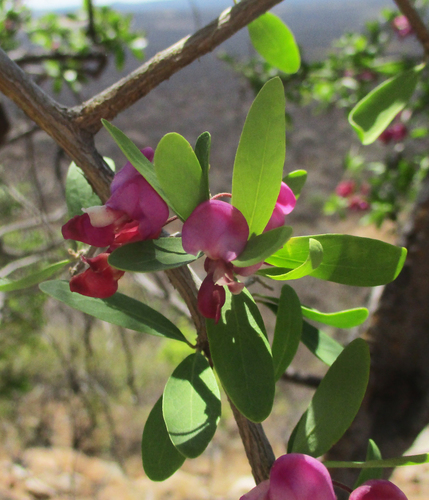
Violet tree
Securidaca longepedunculata
One of the conditions for which it is used extensively in African traditional medicine; no clinical studies were found.
Evidence against
AgainstGood trials found no benefit.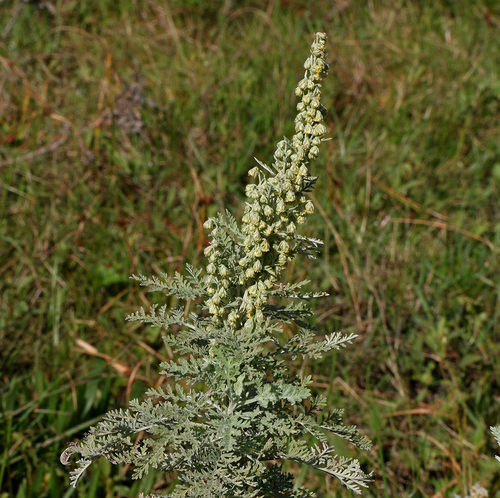
African wormwood
Artemisia afra
Tea infusions are used for malaria traditionally, but A. afra has little or no artemisinin. The only large clinical trial (A. afra and A. annua teas vs artesunate-amodiaquine) was retracted for ethical and methodological concerns, and in 2024 A. afra powder showed no antimalarial activity in infected mice, where A. annua did. It should not replace malaria treatment.

Mugwort
Artemisia vulgaris
Not recommended for malaria prevention: travellers to East Africa who used it as a prophylactic still developed malaria, and lab studies showed no antiprotozoal activity.
Sweet wormwood
Artemisia annua
The plant itself is not a safe substitute: in an open randomised pilot trial, Artemisia tea cleared parasites quickly, but cure rates after 7 days were 74% versus 91% for quinine and recrudescence was high. WHO does not support the promotion or use of Artemisia plant material in any form for preventing or treating malaria.