 NL·0056
Herbarium of the Nature Library
- Name
- Erythroxylum coca
- Family
- Erythroxylaceae
- Native to
- Eastern slopes of the Andes in Peru and Bolivia; cultivated in Colombia and elsewhere
- Habitat
- Montane cloud forest edges (yungas), Cultivation
Coca
Erythroxylum coca
Also calledKuka (Quechua) · Mama Coca (Andean) · Hayu / Ipadú (Amazonian, for Amazonian coca) · Coca (Spanish) · 古柯 gǔkē (Chinese)
The sacred leaf of the Andes, chewed for thousands of years to ease hunger, fatigue and altitude. Its leaves contain about 0.5–1% cocaine, which in the leaf form is mild, but became a powerful drug of addiction once it was extracted in 1860.
Erythroxylum coca is a species of flowering plant in the family Erythroxylaceae. It is one of the two species of cultivated coca. Wikipedia
What it can do
- iMakes cocaine and related alkaloids in its leaves, which deter insect herbivores
- iiGrows on steep, terraced Andean slopes and can be harvested several times a year
- iiiIts leaf is nutritious, with significant calcium and iron
At the table
Eatenleaves (chewed or brewed as tea)
Leaves are chewed with an alkaline ash (llipta) or brewed as mate de coca, legal in Peru and Bolivia but illegal in many countries. Extracted cocaine is highly addictive and can cause heart attack, stroke and death. Leaf use causes positive drug tests.
In the medicine cabinet
| Tradition | Use |
|---|---|
| Andean traditional medicine | Leaves chewed or drunk as tea for altitude sickness, hunger, fatigue and stomach pain |
| Modern medicine | Cocaine hydrochloride used as a topical anaesthetic and vasoconstrictor in nose and throat procedures |
Weight of evidence
Strong. An approved drug, or consistent results in well-run clinical trials.
Active compounds
cocaine, cinnamoylcocaine, hygrine, tropacocaine
Fruit & seed


Fruit
Drupe
Ripens: Year-round
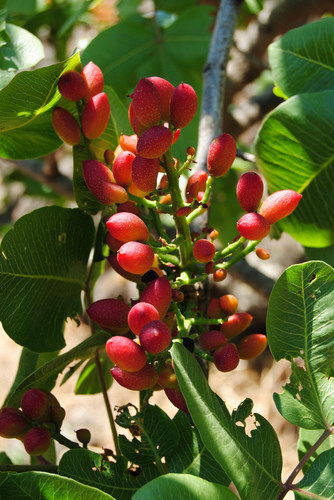
Small red drupes about 1 cm long.
Seed
~5–8 mm
Single seed per drupe
- Dispersal
- Birds
- Germination
- Sow fresh; germinates in a few weeks
Photographs from Wikimedia Commons under open licences; hover for the photographer, click for the file.
Where it lives
Recorded sightings
—
geo-referenced records in GBIF, from museums, herbaria and field observers.
Native range
Eastern slopes of the Andes in Peru and Bolivia; cultivated in Colombia and elsewhere
Drag the globe to turn it. Dots are where records exist, not a range map; darker means more records.
In the old herbals & bestiaries
No plate in the Source Library names this exact species, so these show its closest relatives as the old naturalists drew them: same genus, or the same kind of plant. Click a plate to read the page it came from, with translation.

In the stacks
Searching the stacks…
Every page naming Erythroxylum coca in the Biodiversity Heritage Library →
Marginalia
Coca appears in Moche ceramics showing chewers with bulging cheeks, and under the Inca its use was reserved largely for nobility and ritual. Albert Niemann isolated cocaine in 1860, and in 1884 Carl Koller showed it could numb the eye for surgery, the first local anaesthetic.
Curiosity
Coca-Cola originally contained coca extract; the company still uses de-cocainised coca leaf flavouring, processed by a single licensed US facility.
Kinship



Photographs: iNaturalist contributors under the licences shown. Records: GBIF.org. Historical plates: Source Library (CC BY-SA 4.0; originals public domain). Summary text: Nature Library editors and Wikipedia (CC BY-SA). Medicinal and edibility notes are historical and educational, not advice. iNaturalist taxon 64337.