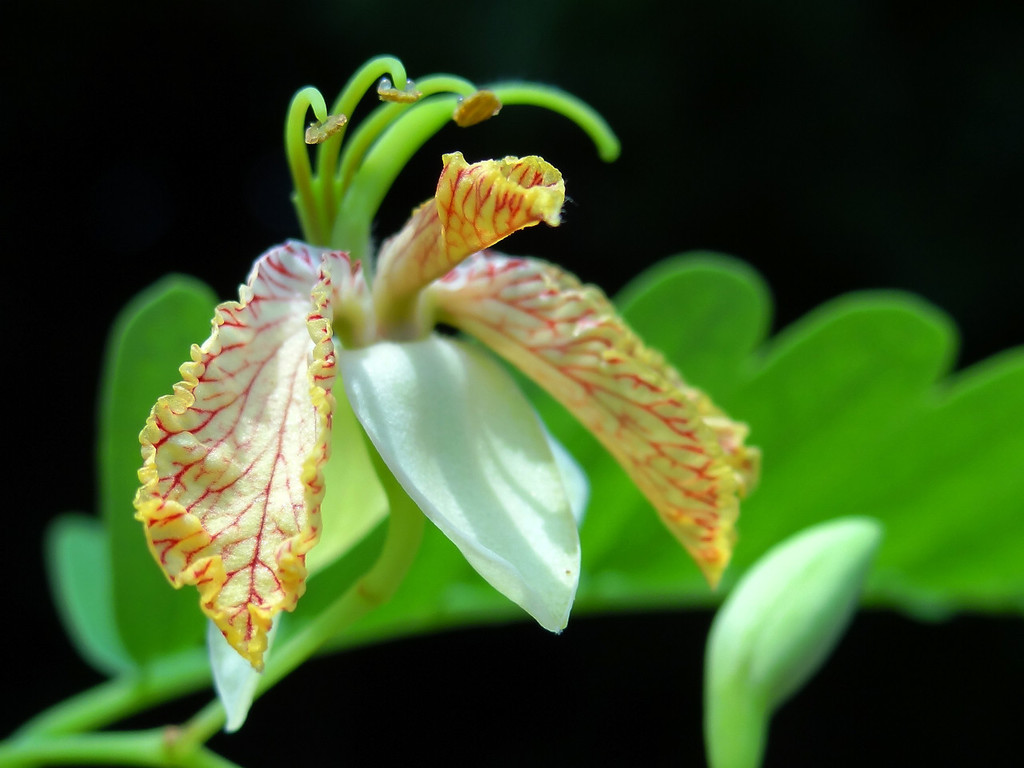
 NL·0068
Herbarium of the Nature Library
- Name
- Tamarindus indica
- Family
- Fabaceae
- Native to
- Tropical Africa (Sudan and the Sahel to East Africa and Madagascar); naturalised and cultivated throughout the tropics, especially India
- Habitat
- Dry savanna, Tropical dry forest, Village groves
Tamarind
Tamarindus indica
Also calledImli (Hindi/Urdu) · Tamar hindi (Arabic, 'Indian date') · Puli (Tamil/Malayalam) · Asam jawa (Malay/Indonesian) · Ukwaju (Swahili) · Tamarindo (Spanish) · Makham (Thai)
A long-lived, drought-hardy legume tree from tropical Africa whose brown pods hold a sticky, sweet-sour pulp essential to South Indian, Thai, Mexican and Middle Eastern cooking. Its very name comes from the Arabic 'tamar hindi', Indian date.
Tamarind is a leguminous tree bearing edible fruit that is indigenous to tropical Africa and naturalized in Asia. The genus Tamarindus is monotypic, meaning that it contains only this species. It belongs to the family Fabaceae. Wikipedia
What it can do
- iPulp is among the most acidic fruit pulps known, rich in tartaric acid, yet also very sugary
- iiWithstands long droughts, strong winds and cyclones
- iiiLeaflets fold together at night
- ivTrees can live and fruit for over 200 years
At the table
Eatenpod pulp (fresh, dried, as paste or drinks) · young leaves and flowers (cooked) · roasted seeds
Pulp, leaves and flowers are eaten. Seeds must be roasted or boiled and peeled before eating.
In the medicine cabinet
| Tradition | Use |
|---|---|
| Ayurveda | Ripe pulp as a mild laxative and digestive |
| West African folk medicine | Pulp drinks for fever and to treat sunstroke |
| Unani | Tamarind sherbet as a cooling remedy for bilious complaints |
Weight of evidence
Traditional. Long historical use; little or no modern clinical evidence.
Active compounds
tartaric acid, pectin, xyloglucan (seed), polyphenols
Fruit & seed


Fruit
Legume (indehiscent pod)
Ripens: Late winter to spring (dry season)
Curved, bean-like pod 5–15 cm with a brittle cinnamon-brown shell; inside, sticky brown sweet-sour pulp laced with fibres around 3–10 seeds.


Seed
1–1.5 cm
Hard, glossy, dark reddish-brown to chocolate seeds, flattened and irregularly squarish-rhomboid, about 1–1.5 cm
- Dispersal
- Monkeys, elephants, ungulates and humans
- Germination
- Nick or soak in hot water overnight, sow 2 cm deep at 25–30 °C; sprouts in 1–2 weeks
Photographs from Wikimedia Commons under open licences; hover for the photographer, click for the file.
How to grow it
Hardiness (USDA zones)
USDA 10–12 (mature trees tolerate brief light frost). Survives winters down to about -1 °C.
- Light
- Full sun
- Water
- Low once established
- Soil
- Deep, well-drained; tolerates poor, sandy and slightly saline soils, pH 5–8
- Propagation
- Seed, or grafting / air layering of sweet varieties
- To harvest
- 3–5 years from graft; 7–10 years from seed
- Climates
- Tropical dry, Semi-arid tropical, Monsoon
- 1Soak seeds overnight in warm water and sow in deep pots, or buy a grafted 'sweet tamarind' tree.
- 2Plant out in full sun with plenty of space (it can reach 20 m and spread widely).
- 3Water regularly for the first two years, then only during prolonged drought.
- 4Prune young trees to shape a strong framework; little pruning is needed later.
- 5Harvest pods when the shell is brittle and brown; shell them, remove strings and seeds, and press the pulp into blocks for storage.
Can it grow where you are?
Where it lives
Recorded sightings
—
geo-referenced records in GBIF, from museums, herbaria and field observers.
Native range
Tropical Africa (Sudan and the Sahel to East Africa and Madagascar); naturalised and cultivated throughout the tropics, especially India
Drag the globe to turn it. Dots are where records exist, not a range map; darker means more records.
In the old herbals & bestiaries
Woodcuts and engravings matched from the Source Library’s scanned books by name. Plates marked “relative” show a close kin rather than this exact species. Click a plate to read the page it came from, with translation.

Tractado de las Drogas y Medicinas de las Indias Orientales
Cristóvão da Costa · 1578 · p.96

Historia naturalis Brasiliae
Willem Piso / Georg Marcgraf · 1648 · p.252

The Plants of Egypt
Prospero Alpini · 1592 · p.42

Thesaurus of Medical Things of New Spain, or History of Mexican Plants, Animals, and Minerals
Francisco Hernández; Nardo Antonio Recchi (ed.) · 1651 · p.111

De Indiae utriusque re naturali et medica
Willem Piso · 1658 · p.185

Garden of Malabar, Vol. 1
Hendrik van Rheede · 1683 · p.80

Elements of Botany
Joseph Pitton de Tournefort · 1719 · p.196

The Ambonese Herbal, Vol. 2 (Herbarium Amboinense)
Georg Eberhard Rumphius · 1741 · p.119

Herbarium Portatile, Oder Behendes Kräuter- und Gewächs-Buch: Darinn nicht allein 1363. so wol Einheimische als Außländndische Kräuter mit Lateinisch und Deutscher Benennung abgebildet, sondern auch die meisten, so in der Medicin gebräuchlich, kürtzlich erkläret werden
Panckow, Thomas · 1656 · p.368
In the stacks
Searching the stacks…
Every page naming Tamarindus indica in the Biodiversity Heritage Library →
Marginalia
Tamarind reached India so long ago that it appears in Sanskrit texts as 'amlika', and Arab traders named it 'Indian date'. In Myanmar and India, folklore warns not to sleep beneath a tamarind tree, said to harbour spirits.
Curiosity
Tamarind is one of the listed ingredients that gives Worcestershire sauce its tangy depth.
Kinship

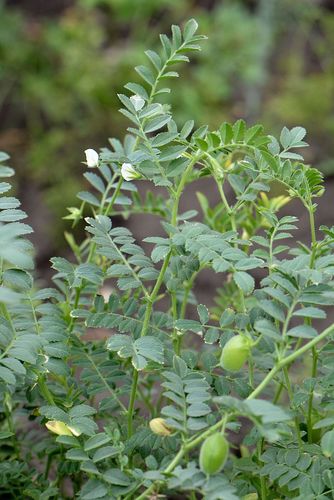
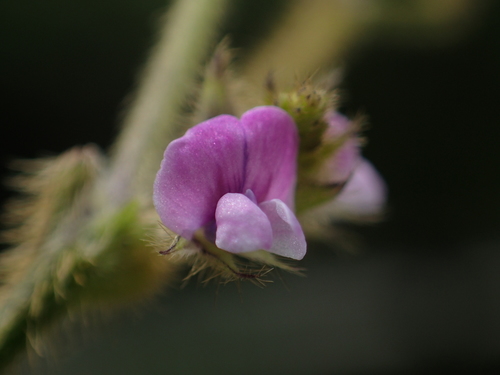
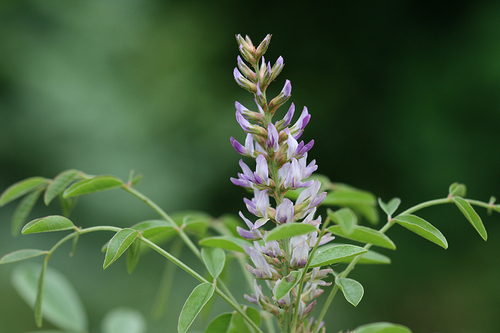
Fact-checked: 1 correction made to this sheet. Photographs: iNaturalist contributors under the licences shown. Records: GBIF.org. Historical plates: Source Library (CC BY-SA 4.0; originals public domain). Summary text: Nature Library editors and Wikipedia (CC BY-SA). Medicinal and edibility notes are historical and educational, not advice. iNaturalist taxon 62844.