 NL·0061
Herbarium of the Nature Library
- Name
- Abrus precatorius
- Family
- Fabaceae
- Native to
- Tropical Asia and probably tropical Africa and Australia; naturalised widely, invasive in Florida and the Caribbean
- Habitat
- Tropical dry forest, Scrub and thickets, Disturbed ground
Rosary pea (Jequirity)
Abrus precatorius
Also calledGunja / Ratti (Hindi/Sanskrit) · Kundumani (Tamil) · Crab's eye (English) · Jumbie bead (Caribbean English) · Xiāngsīzǐ 相思子 ('lovesick seed', Chinese) · Pronoha (Indonesian)
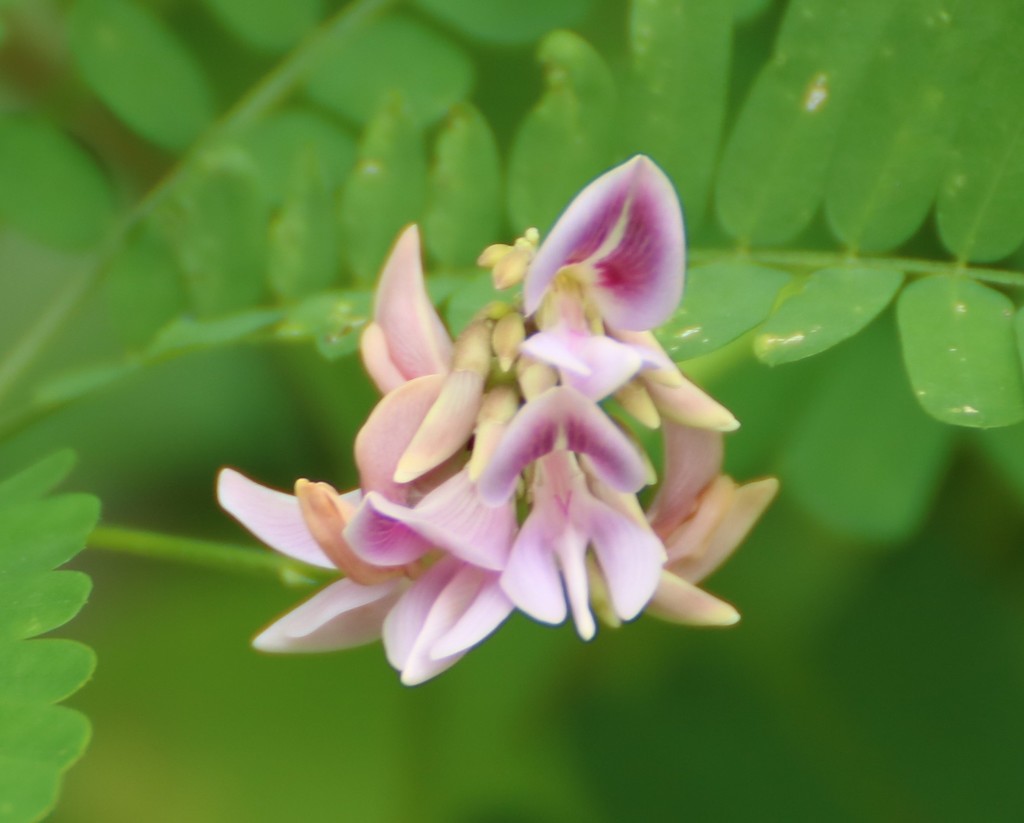
A climbing legume whose glossy scarlet seeds with black eyes are strung into rosaries, necklaces and toys, and contain abrin, a toxin even more potent than ricin. The hard coat usually protects a swallowed whole seed, but a single chewed or crushed seed can be fatal.
Abrus precatorius, commonly known as jequirity bean or rosary pea, is a herbaceous flowering plant in the bean family Fabaceae. It is a slender, perennial climber with long, pinnate-leafleted leaves that twines around trees, shrubs, and hedges. Wikipedia
What it can do
- iMakes abrin, a protein that disables ribosomes, as ricin does
- iiIts hard, waterproof seed coat lets seeds survive for years
- iiiIts leaves contain glycyrrhizin and are sweet, like liquorice
- ivFixes nitrogen and climbs over other vegetation
At the table
Seeds are deadly if chewed, crushed or broken (drilling seeds for jewellery has poisoned craftspeople). After a delay of hours to days: severe vomiting, bloody diarrhoea, dehydration, seizures and failure of liver, kidneys and other organs. Whole seeds swallowed intact often pass harmlessly. Leaves are chewed as a sweetener in India, but the plant should not be eaten; keep seed jewellery away from children.
In the medicine cabinet
| Tradition | Use |
|---|---|
| Ayurveda / Siddha | Seeds used only after 'purification' (shodhana) by boiling in milk, and roots and leaves for coughs and sore throats |
| Traditional African and Caribbean medicine | Leaf tea for coughs and colds |
Weight of evidence
Traditional. Long historical use; little or no modern clinical evidence.
Active compounds
abrin, glycyrrhizin (leaves), abrine, precatorine
Fruit & seed

Fruit
Legume (pod)
Ripens: Dry season
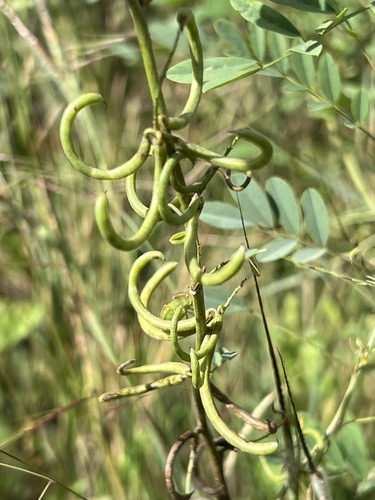
Short pods that curl open to show red-and-black seeds.

Seed
~5–7 mm
Glossy scarlet seed with a black spot at the hilum
- Dispersal
- Birds attracted by the bright seeds (which offer no food reward)
- Germination
- Not recommended: invasive and toxic
Photographs from Wikimedia Commons under open licences; hover for the photographer, click for the file.
Where it lives
Recorded sightings
—
geo-referenced records in GBIF, from museums, herbaria and field observers.
Native range
Tropical Asia and probably tropical Africa and Australia; naturalised widely, invasive in Florida and the Caribbean
Drag the globe to turn it. Dots are where records exist, not a range map; darker means more records.
In the old herbals & bestiaries
Woodcuts and engravings matched from the Source Library’s scanned books by name. Plates marked “relative” show a close kin rather than this exact species. Click a plate to read the page it came from, with translation.

The Plants of Egypt
Prospero Alpini · 1592 · p.75

De Indiae utriusque re naturali et medica
Willem Piso · 1658 · p.538

History of Rare Plants of Pannonia
Carolus Clusius · 1576 · p.821

Compendium of Materia Medica
李時珍 · 1596 · p.47

De Indiae utriusque re naturali et medica
Willem Piso · 1658 · p.540

History of Rare Plants Observed in Pannonia
Carolus Clusius · 1583 · p.737

Rariorum Plantarum Historia (with Fungorum Historia)
Carolus Clusius · 1601 · p.609
In the stacks
Searching the stacks…
Every page naming Abrus precatorius in the Biodiversity Heritage Library →
Marginalia
In India the seeds served goldsmiths as a unit of weight, the ratti (about 0.12 g), and the Sanskrit name gunja appears in Ayurvedic texts that prescribe elaborate purification before any use.
Curiosity
In 2012 the Eden Project in Cornwall withdrew bracelets from its shop after it emerged they were strung with rosary pea seeds.
Kinship
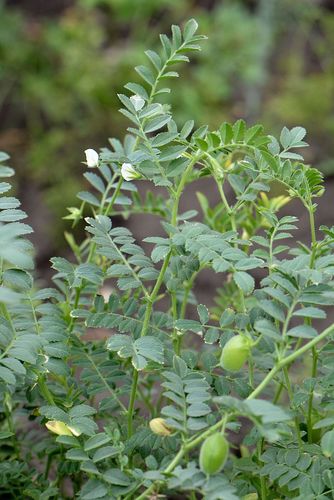
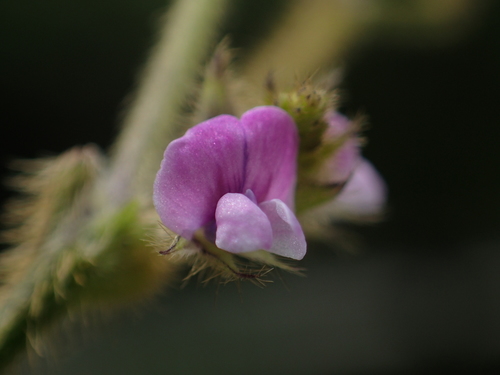
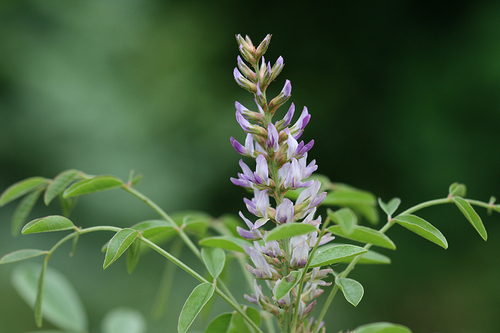

Photographs: iNaturalist contributors under the licences shown. Records: GBIF.org. Historical plates: Source Library (CC BY-SA 4.0; originals public domain). Summary text: Nature Library editors and Wikipedia (CC BY-SA). Medicinal and edibility notes are historical and educational, not advice. iNaturalist taxon 122099.