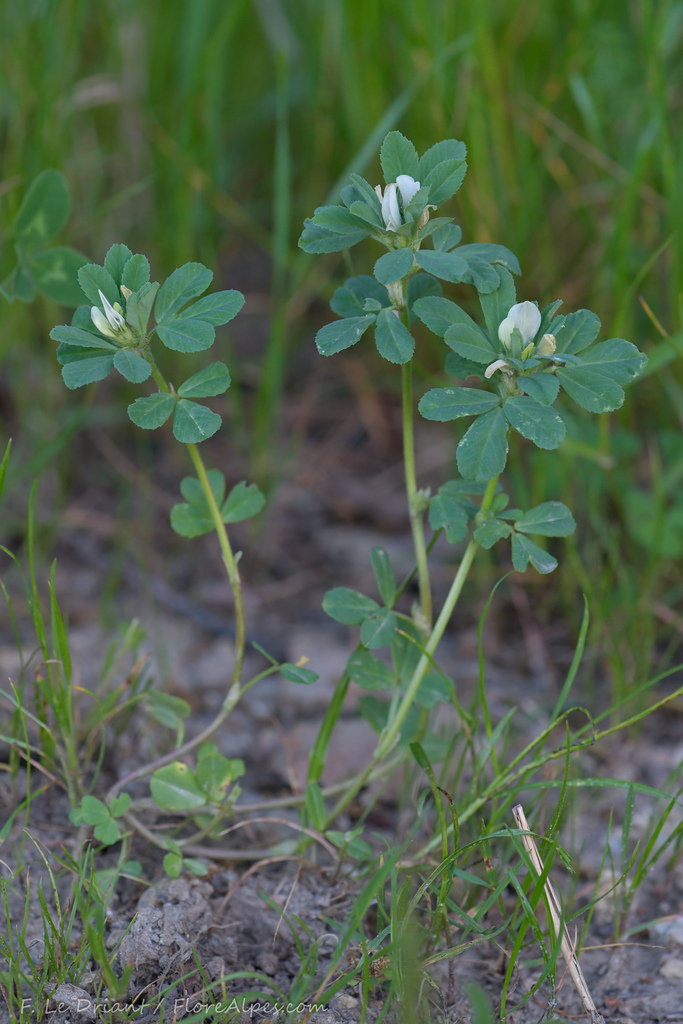
 NL·0069
Herbarium of the Nature Library
- Name
- Trigonella foenum-graecum
- Family
- Fabaceae
- Native to
- Eastern Mediterranean and Western Asia; ancient crop, now grown widely (India is the largest producer)
- Habitat
- Farmland, Semi-arid grassland
Fenugreek
Trigonella foenum-graecum
Also calledMethi (Hindi) · Methika (Sanskrit) · Ḥulba حلبة (Arabic) · Shanbalīleh (Persian) · Abish (Amharic) · Húlúbā 葫芦巴 (Chinese)
A clover-like legume whose bitter-sweet seeds smell of maple syrup and whose leaves are a staple green in Indian cooking. Its name means 'Greek hay', because Romans grew it as fodder.
Fenugreek is an annual plant in the family Fabaceae, which includes beans, peas, and peanuts. It is distinguished by its three small obovate to oblong leaflets. Wikipedia
What it can do
- iSeeds contain sotolon, a compound so potent its maple aroma passes into sweat and urine
- iiSeed gum (galactomannan) swells in water and slows sugar absorption
- iiiFixes nitrogen through root-nodule bacteria
- ivSeeds contain diosgenin, once a raw material for synthesising steroid hormones
At the table
Eatenseeds · leaves (fresh methi, dried kasuri methi) · sprouts
Widely eaten. People allergic to peanuts or chickpeas may react to it.
In the medicine cabinet
| Tradition | Use |
|---|---|
| Ayurveda | Methika for poor appetite, diabetes (prameha), joint pain and to increase breast milk |
| Unani | Hulba as a demulcent for cough and chest, and in poultices to ripen boils |
| Middle Eastern / Ethiopian folk medicine | Hulba drink after childbirth and for stomach complaints; Yemeni hilbeh paste as a digestive |
| Traditional Chinese Medicine | Huluba to warm the kidneys and dispel cold, for hernia pain and cold in the legs |
Weight of evidence
Moderate. Some clinical trials with promising but limited or mixed results.
Active compounds
trigonelline, 4-hydroxyisoleucine, diosgenin, galactomannan, sotolon, fenugreekine
Fruit & seed
Fruit
Legume (pod)
Ripens: Late spring–summer
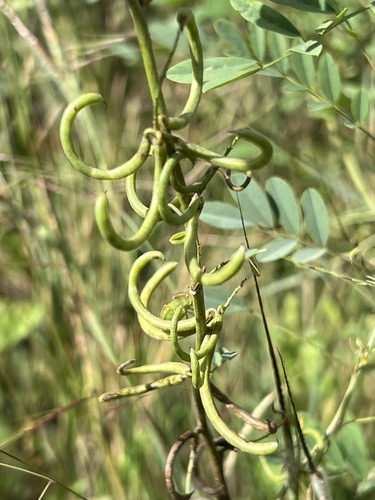
Slender, beaked pod 10–15 cm long with 10–20 seeds.


Seed
~3–5 mm
Hard, rhomboid, yellow-brown seeds with a deep diagonal groove
- Dispersal
- Gravity
- Germination
- Quick; 3–5 days at 20–30 °C
Photographs from Wikimedia Commons under open licences; hover for the photographer, click for the file.
How to grow it
Hardiness (USDA zones)
Annual; USDA 4–11. Survives winters down to about -34 °C.
- Light
- Full sun
- Water
- Low–moderate
- Soil
- Well-drained loam
- Propagation
- Seed
- To harvest
- Leaves in 3–4 weeks; seed in 3–4 months
- Climates
- Semi-arid, Mediterranean, Subtropical (cool season)
- 1Sow seed 1 cm deep in cool weather
- 2Cut leaves for greens when 10–15 cm tall
- 3For seed, let pods dry yellow on the plant
- 4Thresh and store seeds dry
Can it grow where you are?
Where it lives
Recorded sightings
—
geo-referenced records in GBIF, from museums, herbaria and field observers.
Native range
Eastern Mediterranean and Western Asia; ancient crop, now grown widely (India is the largest producer)
Drag the globe to turn it. Dots are where records exist, not a range map; darker means more records.
In the old herbals & bestiaries
Woodcuts and engravings matched from the Source Library’s scanned books by name. Plates marked “relative” show a close kin rather than this exact species. Click a plate to read the page it came from, with translation.

Notable Commentaries on the History of Plants
Leonhart Fuchs · 1549 · p.830

De medicinali materia libri sex
Dioscorides · 1552 · p.263

The Dutch Herbarium or Herbal
Petrus Nylandt · 1670 · p.238

Ortus sanitatis
1491 · p.185

Garden of Health
Jacob Meydenbach · 1491 · p.185

Garden of Health
1507 · p.150

The Great Herbary with all the figures of the herbs
1532 · p.154

Book of Herbs
Hieronymus Bock (Tragus) · 1546 · p.489

Book of Herbs
Hieronymus Bock (Tragus) · 1546 · p.480

On Medical Materials in Six Books
Dioscorides · 1550 · p.255
In the stacks
Searching the stacks…
Every page naming Trigonella foenum-graecum in the Biodiversity Heritage Library →
Marginalia
Columella and Cato wrote of fenugreek as cattle fodder. Charlemagne's Capitulare de villis (c. 800) included it among plants to grow on his estates.
Curiosity
A mysterious maple-syrup smell that drifted over Manhattan several times from 2005 was traced in 2009 to a New Jersey factory processing fenugreek seed.
Kinship

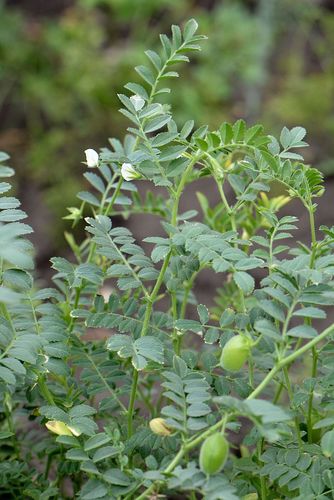
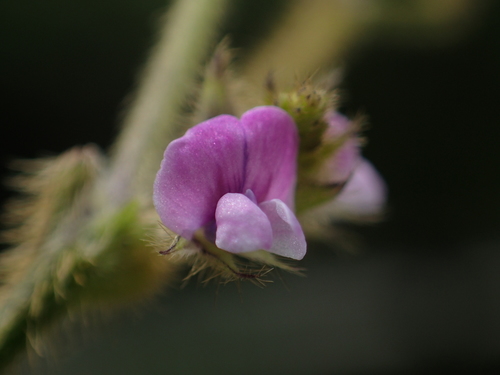
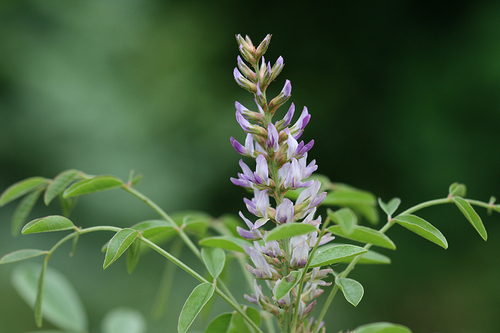
Photographs: iNaturalist contributors under the licences shown. Records: GBIF.org. Historical plates: Source Library (CC BY-SA 4.0; originals public domain). Summary text: Nature Library editors and Wikipedia (CC BY-SA). Medicinal and edibility notes are historical and educational, not advice. iNaturalist taxon 122771.