 NL·0143
Herbarium of the Nature Library
- Name
- Prunus amygdalus
- Family
- Rosaceae
- Native to
- Western and Central Asia (Iran, Turkey, the Levant to Central Asia); cultivated in Mediterranean climates worldwide
- Habitat
- Mediterranean and semi-arid hills, Orchards
Almond
Prunus amygdalus
Also calledPrunus dulcis (synonym) · Badam (Hindi/Urdu/Persian) · Lawz (Arabic) · Shaked (Hebrew) · Bādànmù (Chinese) · Almendra (Spanish) · Badem (Turkish)
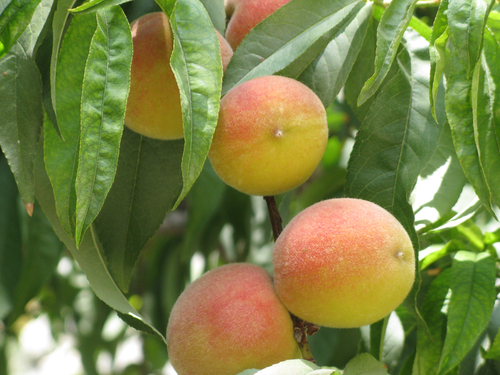
A peach relative from West and Central Asia grown not for its leathery flesh but for its seed. Wild almonds are lethally bitter with amygdalin; a single mutation for sweetness, selected thousands of years ago, made almonds one of the first domesticated nut trees.
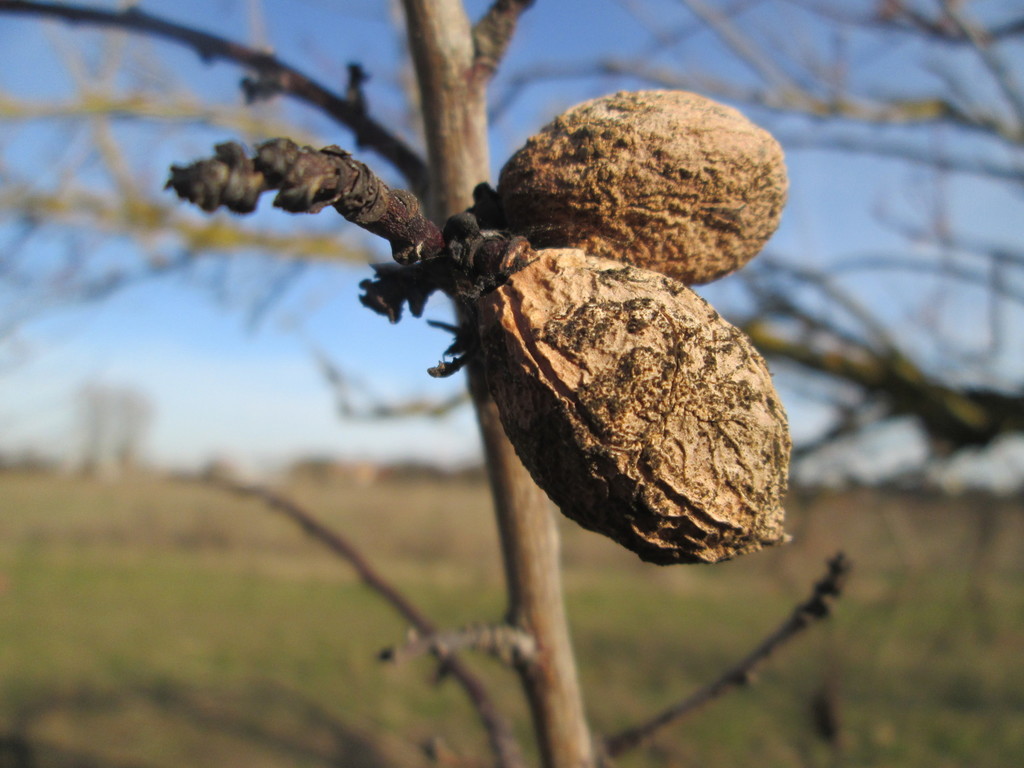
The almond is a species of tree from the genus Prunus. Along with the peach, it is classified in the subgenus Amygdalus, distinguished from the other subgenera by corrugations on the woody shell (endocarp) surrounding the seed. Wikipedia
What it can do
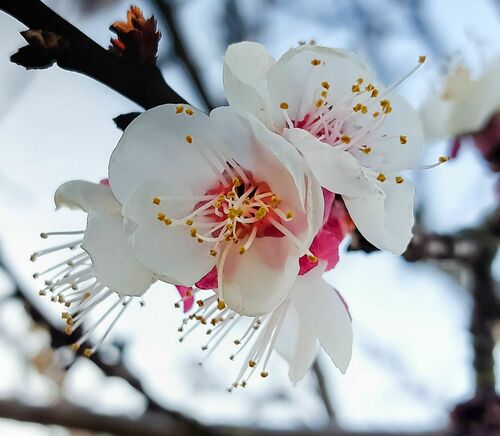
- iOne of the first fruit trees to bloom each year, covering hillsides in pink-white blossom in late winter
- iiBitter almonds contain enough amygdalin that a few dozen can kill an adult
- iiiMost cultivars are self-incompatible, so orchards depend on bees; California hires over a million beehives each February
- ivDrought-tolerant once established
At the table
Eatenkernel of sweet almonds (raw, roasted, as milk, flour, marzipan) · green immature fruit (eaten whole in spring in the Middle East)
Sweet almonds are safe. Bitter almonds (and wild almonds) release hydrogen cyanide; eating even small numbers raw can be fatal to children. Almond is a common tree-nut allergen.
In the medicine cabinet
| Tradition | Use |
|---|---|
| Ayurveda / Unani | Soaked almonds and badam rogan (almond oil) as a brain and nerve tonic |
| Modern nutrition science | Regular almond intake modestly lowers LDL cholesterol in trials |
Weight of evidence
Moderate. Some clinical trials with promising but limited or mixed results.
Active compounds
amygdalin (bitter forms), vitamin E (α-tocopherol), oleic acid, magnesium
Fruit & seed

Fruit
Drupe
Ripens: Late summer (hulls split August–September)
Oval, flattened, grey-green velvety drupe 3–6 cm with a thin leathery hull that dries and splits open to reveal the pitted shell.

Seed
2–3 cm
Teardrop-shaped, flattened kernel 2–3 cm with a cinnamon-brown, finely wrinkled skin and creamy white interior, inside a pale, pitted, tan shell
- Dispersal
- Rodents and jays cache them
- Germination
- Cold-stratify in the shell 4–6 weeks, sow 5 cm deep; sprouts in 2–4 weeks. Seedlings may produce bitter nuts
Photographs from Wikimedia Commons under open licences; hover for the photographer, click for the file.
How to grow it
Hardiness (USDA zones)
USDA 7–9. Survives winters down to about -18 °C.
- Light
- Full sun
- Water
- Low–moderate; irrigation boosts yields
- Soil
- Deep, well-drained loam, pH 6–8; intolerant of waterlogging
- Propagation
- Budding onto almond, peach or peach–almond hybrid rootstock
- To harvest
- 3–4 years
- Climates
- Mediterranean, Semi-arid
- 1Plant a self-fertile variety (e.g. 'Independence', 'Tuono', 'All-in-One') or two compatible varieties, in a frost-free, sunny site — blossom opens in late winter.
- 2Plant bare-root in winter on well-drained ground; water deeply every 1–2 weeks in the first summer.
- 3Prune to an open vase in the first three winters; later prune only lightly in summer to reduce disease.
- 4Encourage bees with nearby flowers; protect blossom from late frost with fleece where practical.
- 5Harvest when hulls split open: shake onto tarps, remove hulls and dry nuts in the sun for a week before storing.
Can it grow where you are?
Where it lives
Recorded sightings
—
geo-referenced records in GBIF, from museums, herbaria and field observers.
Native range
Western and Central Asia (Iran, Turkey, the Levant to Central Asia); cultivated in Mediterranean climates worldwide
Drag the globe to turn it. Dots are where records exist, not a range map; darker means more records.
In the old herbals & bestiaries
Woodcuts and engravings matched from the Source Library’s scanned books by name. Plates marked “relative” show a close kin rather than this exact species. Click a plate to read the page it came from, with translation.

On Hebrew-Samaritan Coins
Pérez Bayer, Francisco · 1781 · p.107

Ortus sanitatis
1491 · p.31

The Great Herbary with all the figures of the herbs
1532 · p.45

On Medical Materials in Six Books
Dioscorides · 1550 · p.167

On the Names of Plants
Hieronymus Bock (Tragus) · 1552 · p.1161

De medicinali materia libri sex
Dioscorides · 1552 · p.173

Commentaries on the Six Books of Dioscorides
Pietro Andrea Mattioli · 1560 · p.281

Commentaries on the Six Books of Dioscorides on Medical Matter
Pietro Andrea Mattioli · 1563 · p.266

A New Herbal, or History of Plants
Rembert Dodoens (trans. Henry Lyte) · 1578 · p.736

Six Groups of the History of Plants
Rembert Dodoens · 1583 · p.807
In the stacks
Searching the stacks…
Every page naming Prunus amygdalus in the Biodiversity Heritage Library →
Marginalia
Aaron's rod miraculously budded and bore almonds in the Book of Numbers, and the Temple menorah's cups were shaped like almond blossoms. Almonds were found in Tutankhamun's tomb, and the 'almond-eyed' ideal of beauty appears in Persian poetry.
Curiosity
California grows around 80% of the world's almonds, and pollinating them each February takes more than half of all US commercial honeybee colonies.
Kinship

Fact-checked: 2 corrections made to this sheet. Photographs: iNaturalist contributors under the licences shown. Records: GBIF.org. Historical plates: Source Library (CC BY-SA 4.0; originals public domain). Summary text: Nature Library editors and Wikipedia (CC BY-SA). Medicinal and edibility notes are historical and educational, not advice. iNaturalist taxon 69936.