The Apothecary / Reproductive health
Contraception
12 remedies
See a doctor if
No herb is a reliable contraceptive. Some reduce the effect of hormonal contraceptives.
Reference, not prescription. Nothing here is medical advice. Herbs can interact with medicines and be dangerous in pregnancy; tell your doctor or pharmacist about anything you take.
Strong evidence
StrongAn approved medicine, or consistent good-quality trials and reviews.
Moderate evidence
ModerateSeveral trials, mostly positive, or an EMA ‘well-established use’ monograph.
Limited evidence
LimitedSmall or few trials, mixed results, or mainly lab and animal work.
Chinese hibiscus
Hibiscus rosa-sinensis
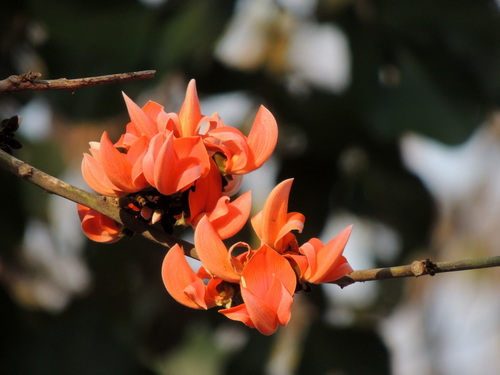
Ayurvedic literature attributes antifertility activity to the plant. Ethanolic root extract at 400 mg/kg completely prevented embryo implantation in rats and had oestrogen-like effects on the uterus; flowers have shown anti-implantation and antispermatogenic activity. Not tested or suitable as a human contraceptive.
Flame of the forest
Butea monosperma
The seed is a folk contraceptive. Butin, a flavonoid from the seed, stopped embryos implanting in 40–90% of pregnant rats, depending on dose, and acted as a weak oestrogen. Animal data only; this is a reason for caution, not a recommendation.
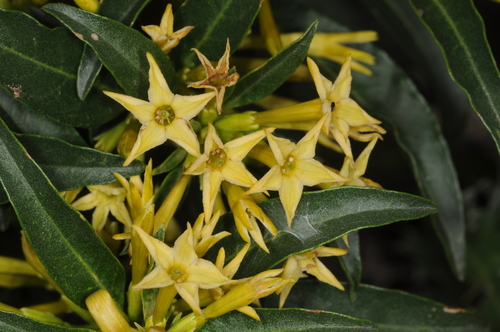
Green cestrum
Cestrum parqui
A leaf extract (40–250 µg/ml) immobilised and damaged human sperm in the test tube in a dose- and time-dependent way. This is a single laboratory study; the plant is toxic and has never been tested as a contraceptive in people.
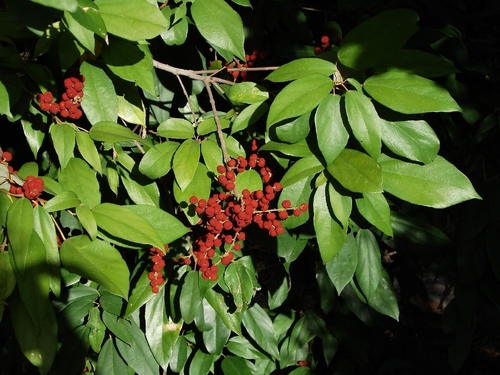
Kamala tree
Mallotus philippensis
Kamala is recorded as a traditional oral contraceptive. A seed extract lowered FSH and LH and impaired ovulation and pregnancy in female rats; this is a reason for caution, not a usable method.
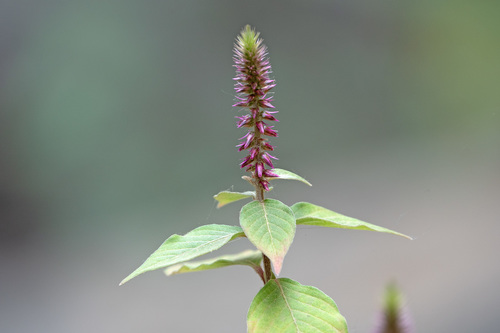
Prickly chaff flower
Achyranthes aspera
Widely used for fertility control in Ethiopian local medicine. Animal studies reviewed in 2021 report anti-implantation, abortifacient and spermicidal effects. In pregnant rats a leaf extract (1000 mg/kg) reduced implantation, slowed embryo growth and raised fetal deaths. This shows harm to the fetus, not a safe or reliable contraceptive.
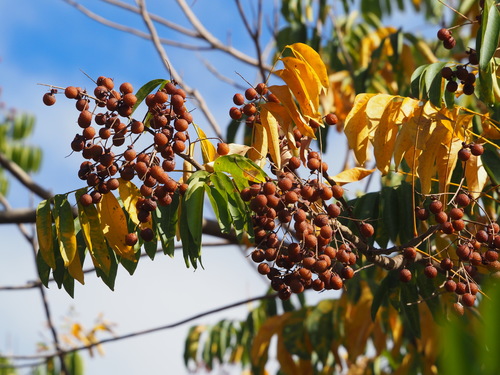
Soapnut
Sapindus mukorossi
Reetha saponins immobilised all human sperm within 20 seconds at 0.05% in vitro and damaged sperm membranes under the electron microscope; combined with neem extract and quinine they were proposed for a vaginal contraceptive. No efficacy trials were found in the sources fetched, and it should not be relied on to prevent pregnancy.
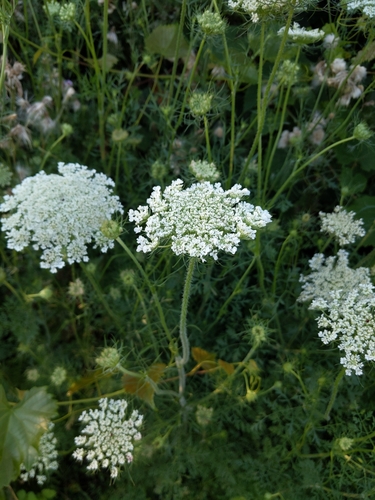
Wild carrot
Daucus carota
Romans and Greeks used the seeds for contraception and as an emmenagogue; a Native American recipe for female contraception included them. Several rat studies found seed extracts or the seed oil interfered with early pregnancy (anti-implantation, anti-progestogenic and anti-oestrogenic effects). There are no human studies, effectiveness is unknown, and it is not a reliable contraceptive.
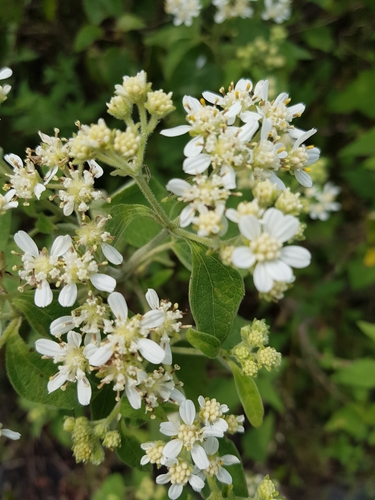
Zoapatle
Montanoa tomentosa
Used as a contraceptive and to induce abortion in early pregnancy. In six women in early pregnancy given leaf decoctions (1.0–1.4 g dry leaf/kg/day for 2 days) before a planned abortion, all had cramps and cervical dilatation, and four bled. In rats the extract interfered with embryo implantation.
Traditional use
TraditionalLong recorded use, essentially untested in clinical trials.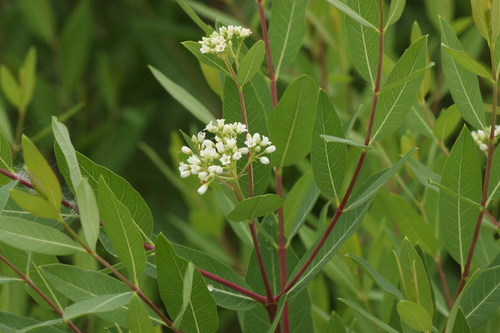
Indian hemp
Apocynum cannabinum
Okanagan-Colville women are recorded taking a root decoction during menstruation to become permanently sterile. No evidence of effect or safety exists.
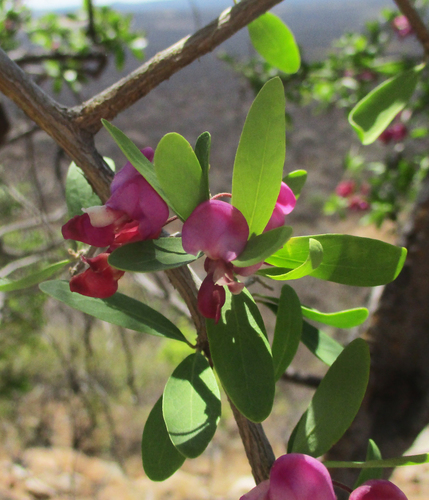
Violet tree
Securidaca longepedunculata
A review of African women's health remedies records its use for contraception in South Africa, and in Benin as a drink during pregnancy for 'strengthening'. Given its toxicity, both uses carry serious risk.