The Apothecary / Reproductive health
Sexual function and libido
41 remedies
Reference, not prescription. Nothing here is medical advice. Herbs can interact with medicines and be dangerous in pregnancy; tell your doctor or pharmacist about anything you take.
Limited evidence
LimitedSmall or few trials, mixed results, or mainly lab and animal work.
Asian ginseng
Panax ginseng
Some research shows oral Asian ginseng improves sexual function in erectile dysfunction.

Black ginger
Kaempferia parviflora
Long used by Thai men for sexual enhancement. One 8-week RCT in 45 healthy older men (25 or 90 mg extract daily) reported enhanced response to erotic stimuli; a 2024 meta-analysis of animal and human studies concluded the extract improved sexual function, but human data remain few.
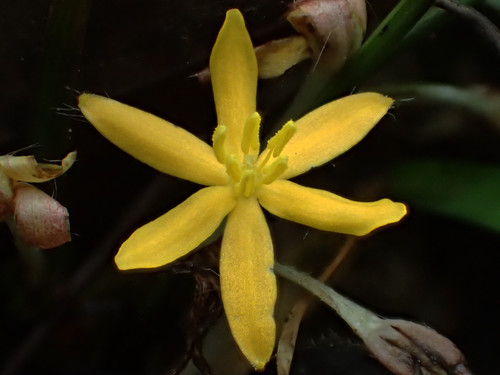
Black musli
Curculigo orchioides
Traditionally an aphrodisiac and used in China for impotence. An ethanolic rhizome extract (100 mg/kg) improved penile erection, mating performance and mount frequency in male rats.
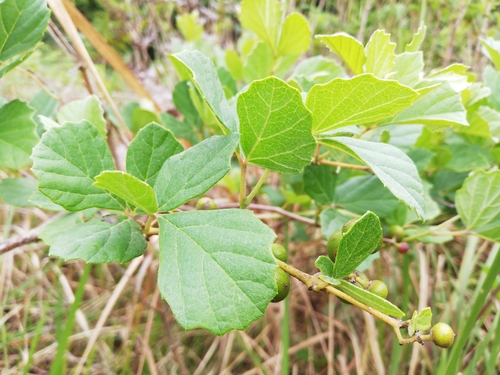
Bushman's grape
Rhoicissus tridentata
Used for erectile dysfunction; root-bark extracts relaxed rabbit corpus cavernosum muscle in vitro.

Costus
Dolomiaea costus
In one double-blind trial in 110 postmenopausal Iranian women with low sexual desire, a traditional Persian 'qust oil' massaged on the pubic area daily for 4 weeks improved Female Sexual Function Index scores more than liquid paraffin (about 38% vs 12%). The oil contained costus plus nine other herbs and spices, so the effect cannot be put down to costus alone.
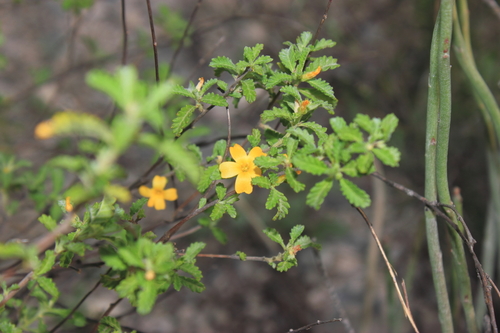
Damiana
Turnera diffusa
Tested mostly in mixtures: VigRx Plus (men with erectile dysfunction, 12 weeks) and Libicare and ArginMax (women) improved sexual-function scores, but the other ingredients may explain the effect. In the one study of a damiana-only traditional herbal product, 35 women with low sexual interest/arousal improved on the Female Sexual Function Index, without a placebo group. Rodent studies show more sexual behaviour in males.

Elephant creeper
Argyreia nervosa
The root is used in Indian medicine as an aphrodisiac and 'spermatogenic'. Root fractions and an alkaloid fraction raised testosterone, sperm counts and mating behaviour in male rats; no human trials were found.
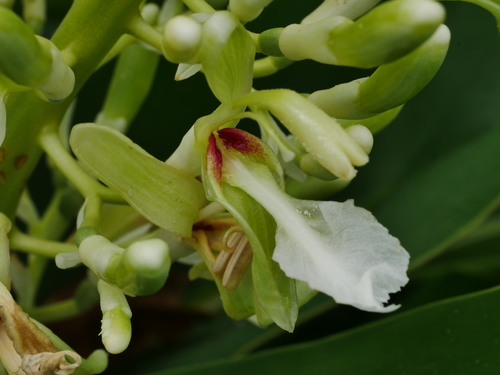
Greater galangal
Alpinia galanga
In a triple-blind trial of 60 men with SSRI-induced erectile dysfunction, 500 mg extract for 4 weeks raised erectile-function (IIEF) scores more than placebo (17.4 vs 13.7).
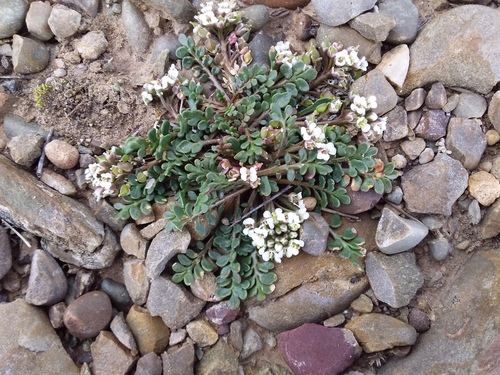
Maca
Lepidium meyenii
A 2010 systematic review found four small RCTs, three positive (menopausal women, healthy men, mild erectile dysfunction) and one negative (cyclists), and called the evidence limited. In a pilot trial for antidepressant-induced sexual dysfunction, 3 g/day helped but 1.5 g/day did not.
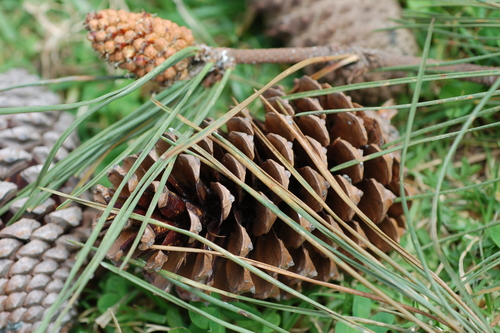
Maritime pine
Pinus pinaster
Combined with L-arginine, it improved erectile function scores in small trials; Cochrane rated the evidence very low certainty.
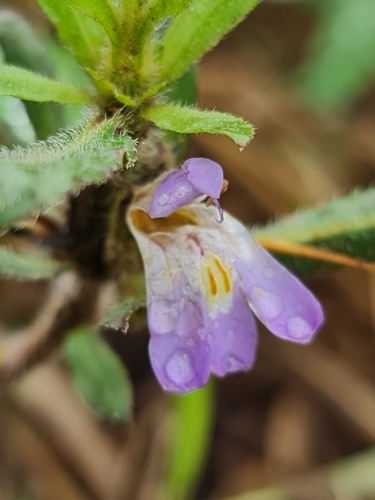
Marsh barbel
Hygrophila auriculata
Seeds are a classic Ayurvedic and Unani aphrodisiac ('vrishya', 'vajikarana'). An ethanol seed extract restored sperm count, motility and testosterone in rats given the anti-androgen cyproterone acetate. A single Ayurvedic case report used kokilaksha decoction in male infertility; no controlled human trials.

Pellitory
Anacyclus pyrethrum
Aphrodisiac, androgenic and fertility-enhancing effects are reported only in animal studies; in cadmium-poisoned rats a root extract improved sperm function.
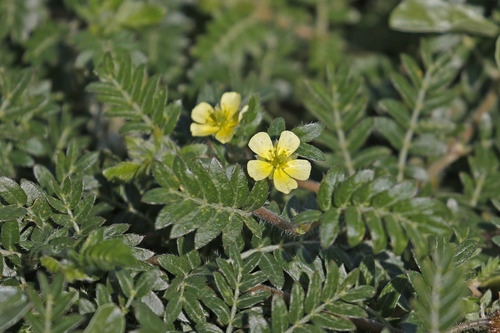
Puncture vine
Tribulus terrestris
A 2026 meta-analysis of eight trials in men with erectile dysfunction found higher erectile-function scores than placebo (IIEF-5 about 3 points higher) with no change in testosterone; a 2025 systematic review rated the evidence low, with half the studies of low quality. A review of five small trials in women found improved sexual-function scores, with very low certainty. Reviews conclude that marketing claims of raised testosterone are unsubstantiated.
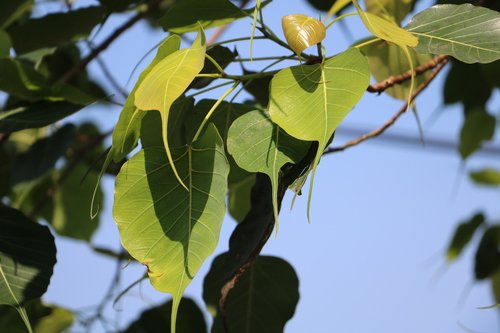
Sacred fig (Bodhi tree)
Ficus religiosa
In a 2010 Ayurvedic trial in 44 men with erectile dysfunction, with and without diabetes, 10 g of powdered root bark, stem bark, fruit and leaf buds prepared as a milk decoction twice daily improved erection and IIEF scores more than placebo. The trial was small, with small placebo groups. Sushruta recorded an aphrodisiac use.
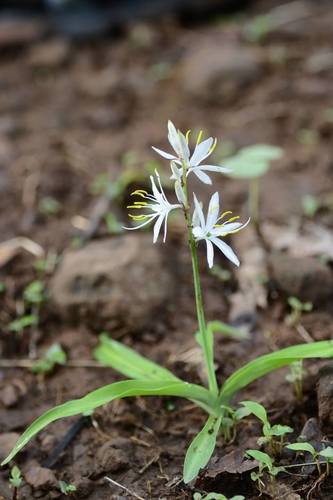
Safed musli
Chlorophytum borivilianum
Traditionally used in India for male impotency. In rats, a standardised extract (125 and 250 mg/kg for 54 days) increased sexual behaviour and libido; no controlled human trial of sexual function was found. A 2013 review judged that previous pharmacological studies lacked substantial scientific evidence.
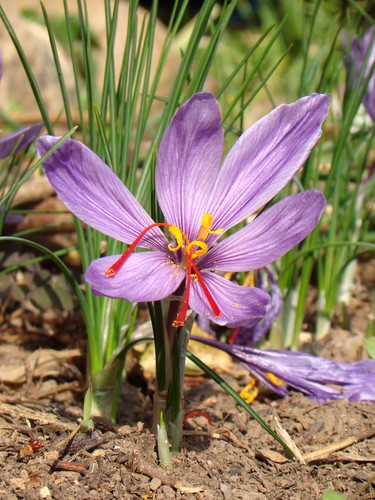
Saffron crocus
Crocus sativus
A meta-analysis found a positive effect on erectile dysfunction but contradictory results on semen, and the included studies had methodological flaws and high heterogeneity.
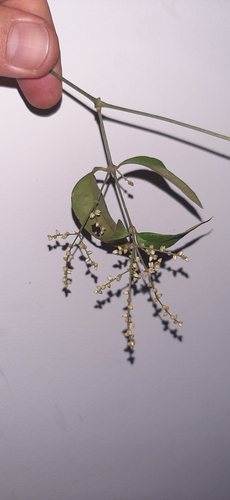
Suma
Hebanthe eriantha
Used as an aphrodisiac in folk medicine. A fluid extract improved copulatory performance in sexually sluggish male rats but had no effect in normal rats; there are no human trials.
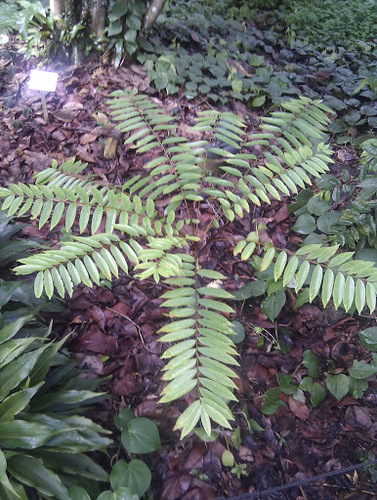
Tongkat ali
Eurycoma longifolia
A 2022 meta-analysis of five RCTs (nine studies reviewed) found a significant rise in total testosterone (SMD 1.35), also in the subgroup of men with hypogonadism, mostly with one water extract at 100–600 mg daily; the authors said more research is needed before clinical use. A 2015 meta-analysis of two RCTs (139 men) found no overall effect on erectile function scores, though men with worse baseline scores improved.
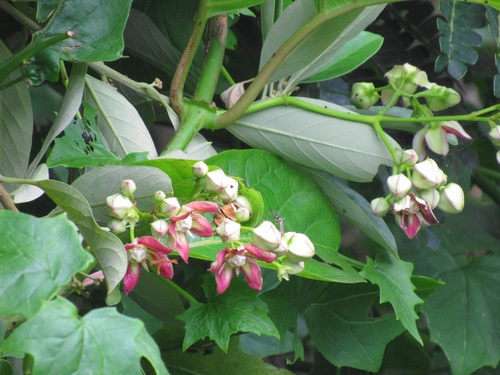
White's ginger
Mondia whitei
Used as an aphrodisiac across Africa and for erectile dysfunction and premature ejaculation. In rats, root extracts had androgenic effects, relaxed the corpus cavernosum, facilitated sexual behaviour and, given intravenously (20 mg/kg) to spinal rats, prevented the ejaculatory motor pattern, which the authors link to its use for rapid ejaculation. No human trials were found.
Yohimbe
Pausinystalia johimbe
A 2021 meta-analysis of eight placebo-controlled trials found yohimbine (the purified alkaloid, not the bark) roughly doubled the odds of improved erectile function (OR 2.08). NCCIH concludes there is not enough research to say whether yohimbe as a dietary supplement helps erectile dysfunction, and notes supplements may not work like the prescription drug.
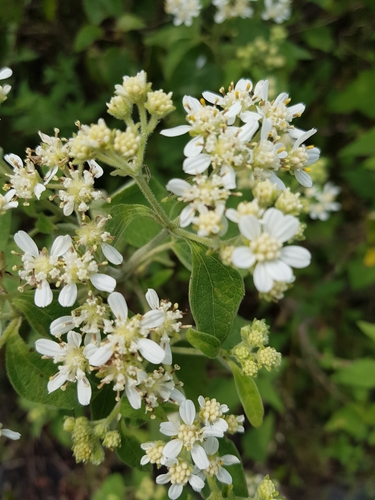
Zoapatle
Montanoa tomentosa
The traditional aqueous extract (38–150 mg/kg) stimulated sexual behaviour in male rats; no human studies.
Traditional use
TraditionalLong recorded use, essentially untested in clinical trials.
Abata kola
Cola acuminata
In Western Uganda the seeds are used, roasted, pounded or chewed and taken in tea, porridge or milk, for impotence and erectile dysfunction; in Benin the fruits are mixed with other plants for sterility. No clinical evidence.
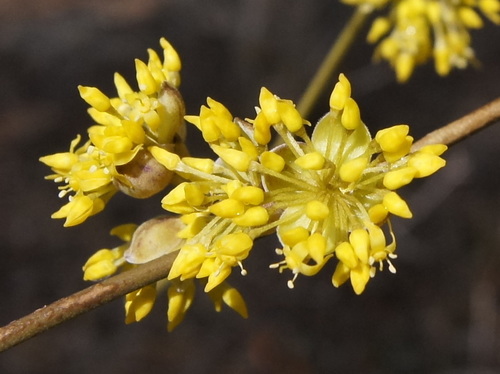
Asiatic dogwood
Cornus officinalis
Used in Chinese medicine for impotence and spermatorrhoea ('kidney essence' deficiency). Lab studies only, such as improved motility of human sperm in vitro and erectile effects in animals.
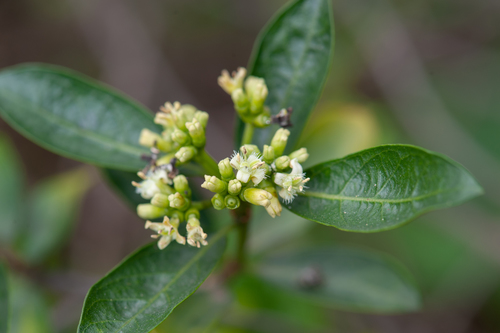
Ba ji tian
Morinda officinalis
In Traditional Chinese Medicine the root is given for 'kidney yang deficiency' with impotence. Pro-fertility effects reported in reviews come from animal studies; no human trials were found.

Blue lotus
Nymphaea caerulea
It has been suggested that ancient Egyptians used it as an aphrodisiac, linked to the reported presence of apomorphine, but its active constituents and mechanism are unknown and the suggestion is speculative.

Caterpillar fungus
Ophiocordyceps sinensis
The Chinese Pharmacopoeia lists it for 'deficiency of kidney essence' with impotence and seminal emission; folk healers in the Himalaya use it for erectile dysfunction and as an aphrodisiac. Not tested in good trials.
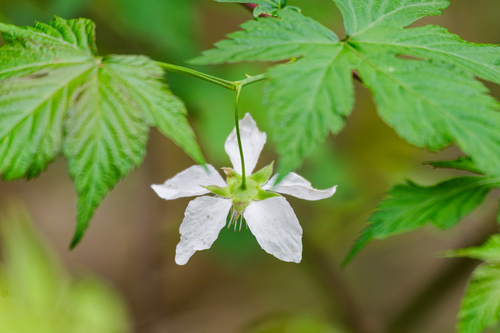
Chinese raspberry
Rubus chingii
A classic Chinese tonic for impotence, premature ejaculation and spermatorrhoea, alone or in formulas such as Wuzi Yanzong Wan, where it 'tonifies the kidney and benefits essence'.

Desert broomrape
Cistanche deserticola
In Chinese medicine it is classed as a yang-tonifying herb for impotence, premature ejaculation and other signs of 'kidney yang deficiency'; supporting work is in animals and cells only.

Early purple orchid
Orchis mascula
Since Theophrastus, orchid tubers have been taken as aphrodisiacs because of their testicle-like shape (the Doctrine of Signatures). O. mascula is recorded for this in Sardinia, Iraq and Britain. A 2023 review found no scientific evidence that salep or orchid tubers have aphrodisiac effects.
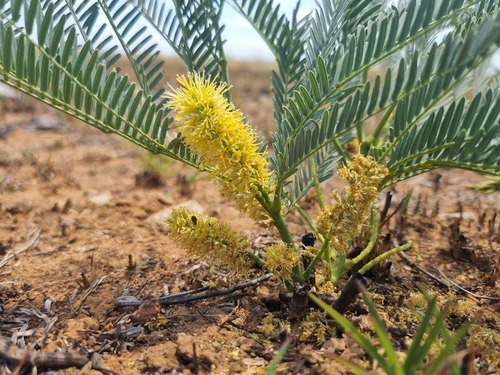
Elephant's root
Elephantorrhiza elephantina
Rhizome or root decoction is taken for erectile dysfunction in Botswana and South Africa, and as an aphrodisiac in Zimbabwe.

Fingerroot
Boesenbergia rotunda
Used in Thai and Indonesian folk medicine as an aphrodisiac and for male sexual dysfunction. A 2017 review found only rat studies, in which rhizome extract or juice increased testis and sperm measures; no human trials.
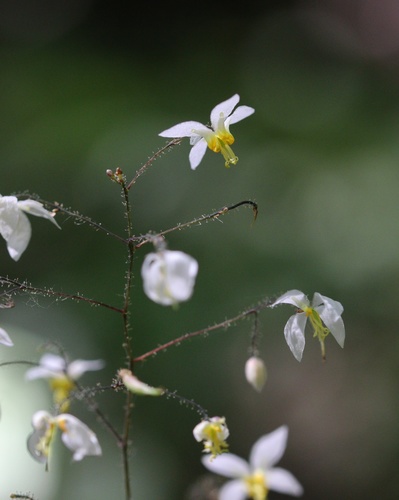
Horny goat weed
Epimedium brevicornu
Used in Chinese medicine for impotence and sold as an aphrodisiac. Icariin inhibits the enzyme PDE5 in lab studies, but we found no reliable human trials for sexual function.

Indian kudzu
Pueraria tuberosa
Described as aphrodisiac and spermatogenic; powder fried in ghee with wheat or barley and milk is advised for 'sexual enervation'. Contradicting this, a root extract reduced sperm motility and reproductive-organ weights in male rats.

Kacip fatimah
Labisia pumila
Traditionally taken to improve libido and reproductive health; not clinically tested.
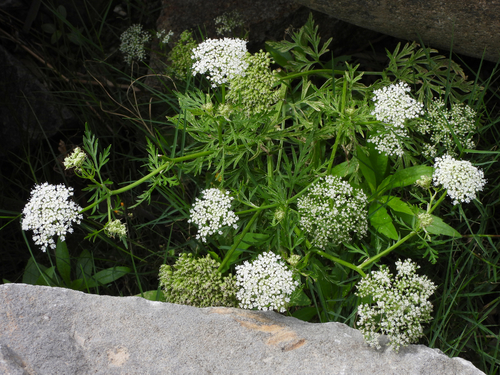
Monnier's snowparsley
Cnidium monnieri
Classed in Chinese medicine as warming the kidneys and invigorating yang, and used for male impotence and frigidity. The supporting evidence is pharmacological, not clinical.
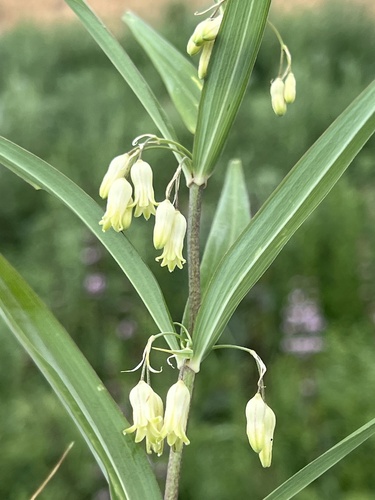
Siberian Solomon's seal
Polygonatum sibiricum
Listed with backache and indigestion among its traditional indications; untested.
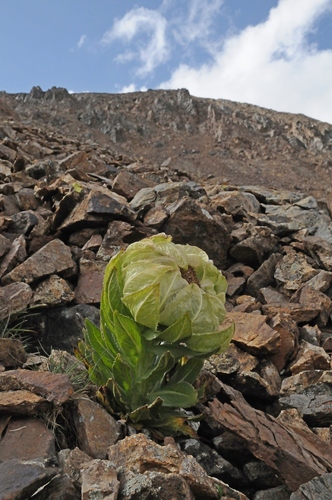
Snow lotus
Saussurea involucrata
A decoction of snow lotus with goji berry (Lycii fructus) and Angelica sinensis root is reported to raise androgen secretion and is used for male sexual function. Snow lotus has also been used for infertility.
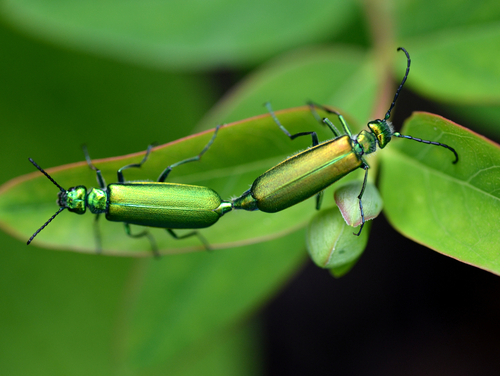
Spanish fly
Lytta vesicatoria
Used for centuries in Europe as a supposed aphrodisiac. It is not a safe one: poisoning irritates the urinary tract and can cause abnormal penile erection, and the toxic dose lies close to any active dose. Its isolator Robiquet judged it as toxic as strychnine and unsuitable for the purpose; poisonings and deaths followed its misuse.

Tokay gecko
Gekko gecko
Gecko wine and tonics are sold as aphrodisiacs and for erectile dysfunction; no evidence.
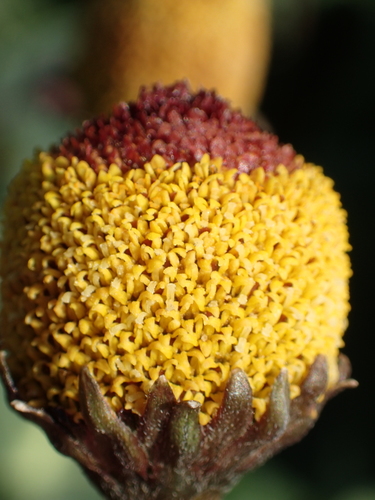
Toothache plant
Acmella oleracea
Sold as a female aphrodisiac at the Ver-o-Peso market in Belém, Brazil, and used in Ayurveda for men's sexual function; an animal study found effects on the oestrous cycle only.
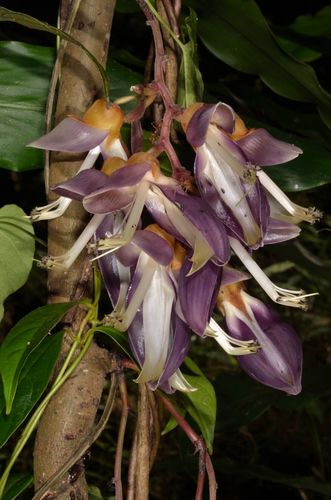
Velvet bean
Mucuna pruriens
The seeds are traditionally used as an aphrodisiac and for fertility; reviews report mostly animal and laboratory work, and a few small human studies of semen quality that are not enough to judge benefit.