The Apothecary / Reproductive health
Fertility
23 remedies
Reference, not prescription. Nothing here is medical advice. Herbs can interact with medicines and be dangerous in pregnancy; tell your doctor or pharmacist about anything you take.
Limited evidence
LimitedSmall or few trials, mixed results, or mainly lab and animal work.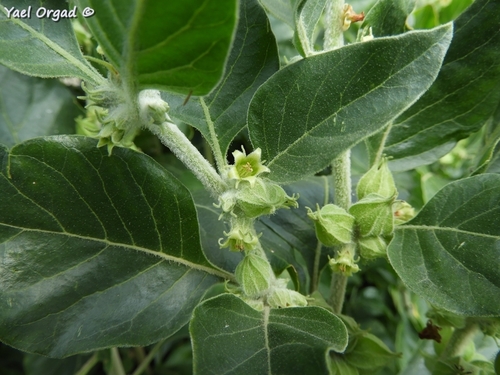
Ashwagandha
Withania somnifera
In men with low sperm counts, small studies (mostly uncontrolled) reported higher sperm concentration and motility after 90 days; NCCIH notes limited evidence for raised testosterone and sperm quality.
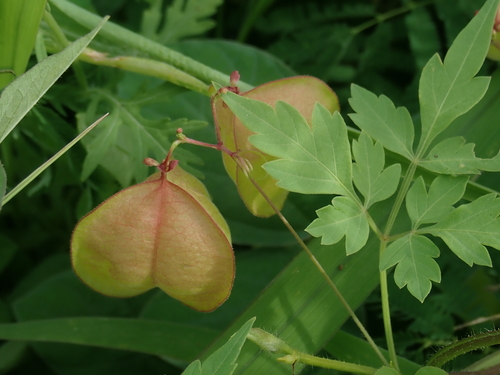
Balloon vine
Cardiospermum halicacabum
In a Sri Lankan rat study, an aqueous leaf extract for 30 days raised sperm count, motility and testosterone and improved pregnancy outcomes in mated females; no human data.
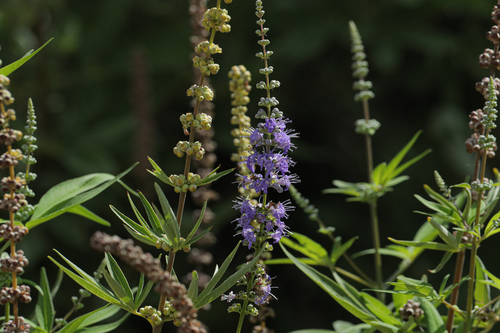
Chaste tree
Vitex agnus-castus
NCCIH finds not enough reliable evidence to know whether it helps infertility or sexual dysfunction, and notes it may be unsafe in pregnancy. Commission E's older monograph listed irregular menstruation among its indications.

Chinese dodder
Cuscuta chinensis
Used in TCM for male infertility (low sperm count and motility) and female infertility, and the most commonly used herb in Chinese prescriptions for female infertility. Support comes from animal studies on reproductive hormones and from meta-analyses of multi-herb formulas; a 2025 review calls for randomised trials of the seed alone.
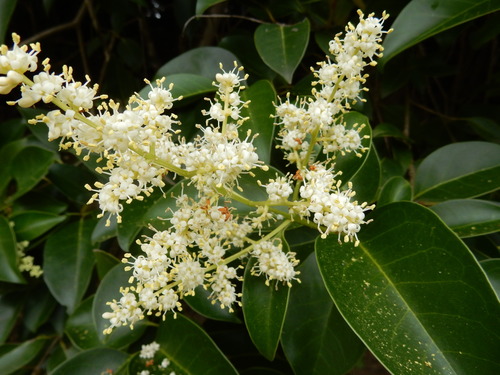
Glossy privet
Ligustrum lucidum
Er Zhi Tian Gui, a formula built on Erzhi Pill, improved embryo quality in a randomised placebo-controlled trial in older women having IVF; the review notes all such studies come from one research team and use modified formulas.
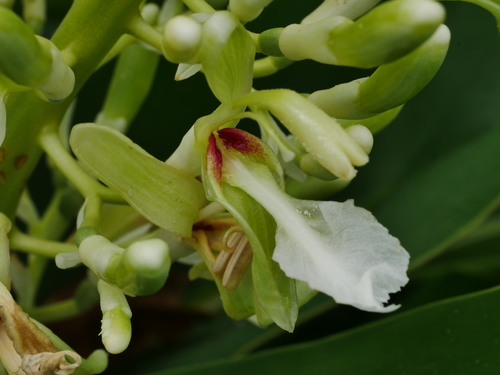
Greater galangal
Alpinia galanga
In a randomised trial of 70 men with reduced semen quality, tablets combining galangal powder with pomegranate extract for 3 months increased motile sperm count by 62% vs 20% on placebo; the effect of galangal alone is unknown.
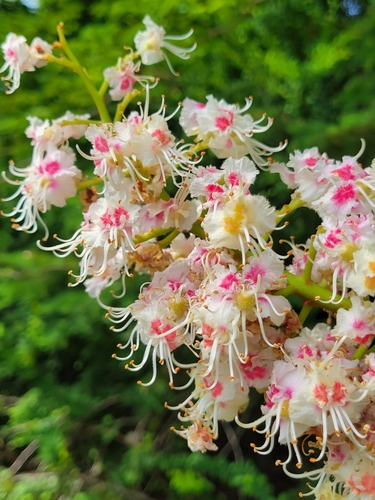
Horse chestnut
Aesculus hippocastanum
NCCIH reports only small studies in male infertility linked to varicocele (swollen veins in the scrotum); not enough to draw conclusions.
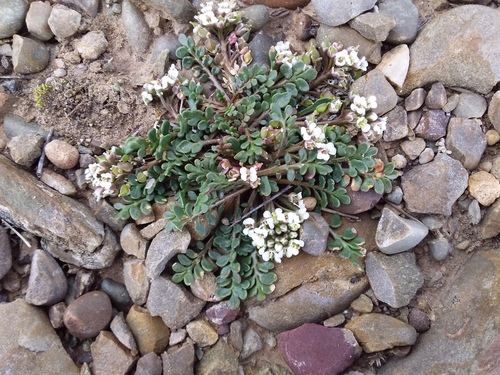
Maca
Lepidium meyenii
Traditionally used for fertility since at least the 17th century. A 2022 meta-analysis of five RCTs found unclear effects on semen quality and no significant rise in sperm concentration.
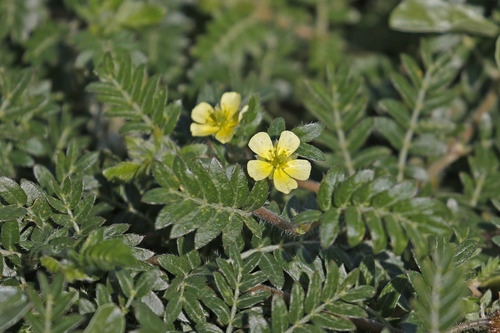
Puncture vine
Tribulus terrestris
A 2019 systematic review of seven small studies in men with unexplained infertility found improved sperm count, motility or morphology in six; most lacked proper controls. WHO describes a small trial with only nine men on placebo.
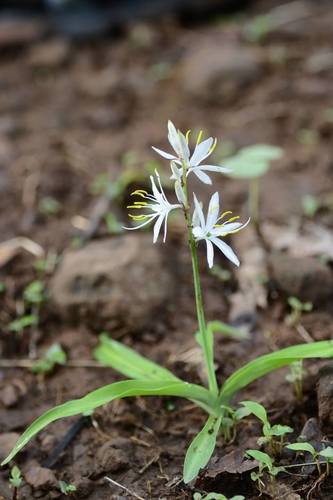
Safed musli
Chlorophytum borivilianum
In a randomised, double-blind, placebo-controlled trial in 30 healthy men aged 20–40, a water extract (500 mg twice daily for 12 weeks) significantly increased semen volume, sperm count, motility and serum testosterone compared with placebo. The trial was small and in men without diagnosed infertility.
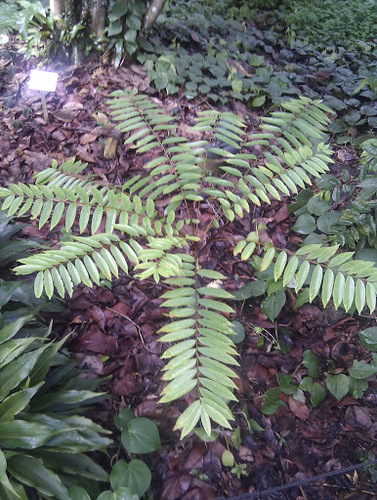
Tongkat ali
Eurycoma longifolia
In an uncontrolled study cited by a 2016 review, 350 men given 200 mg of extract daily showed improved semen parameters over 9 months, with 11 spontaneous pregnancies among partners; controlled trials are lacking.
Traditional use
TraditionalLong recorded use, essentially untested in clinical trials.
African entada
Entada africana
Stem bark and roots are used for female infertility.

African nutmeg
Pycnanthus angolensis
Forest-fringe communities in southwestern Ghana crush the stem bark or boil it as a decoction, taken by mouth for fertility and in pregnancy care. Female sterility is also among the traditional uses cited in reviews.
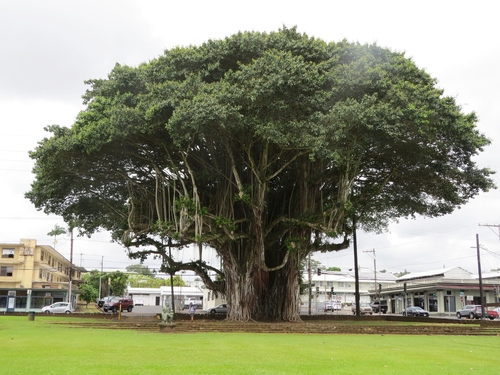
Banyan
Ficus benghalensis
The latex is used in Indian traditional medicine to promote conception. Not tested.
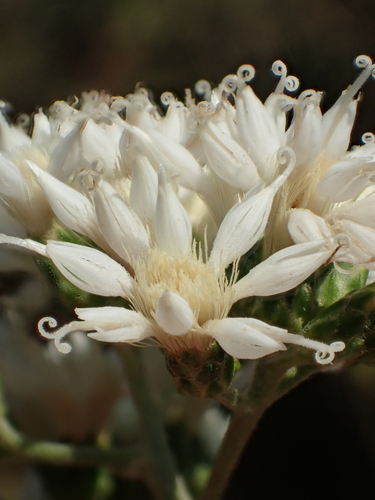
Bitter leaf
Gymnanthemum amygdalinum
The young leaves are used in folk medicine as a fertility aid for women with low fertility; no clinical data.

Boundary tree
Newbouldia laevis
Leaves are used for infertility (including male and female infertility) and childbirth in many African countries; a 2026 review of Benin surveys lists female infertility, aphrodisiac use and sexual infections. Supportive studies are limited to animals.
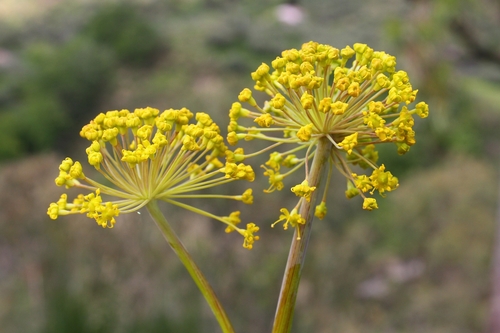
Deadly carrot
Thapsia garganica
Recorded, without detail, as a medieval traditional remedy for female infertility; no evidence supports this, and the plant is toxic.

Desert broomrape
Cistanche deserticola
The Shennong Bencao Jing records it as able to 'increase offspring', and it is used for infertility in Chinese medicine; there are no clinical fertility trials.
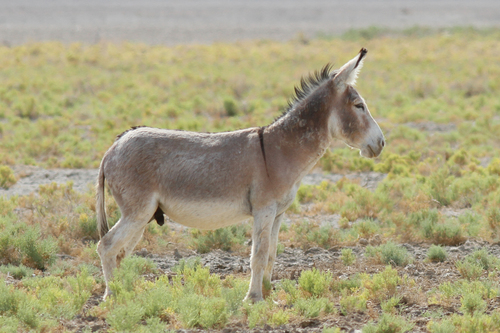
Donkey
Equus asinus
Modern marketing extends it to infertility, miscarriage, menstrual irregularity, ageing and libido; these uses are not supported by clinical trials.
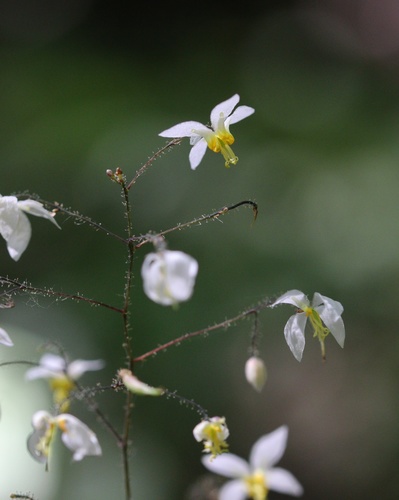
Horny goat weed
Epimedium brevicornu
Used for infertility in Chinese medicine; not tested in good trials.
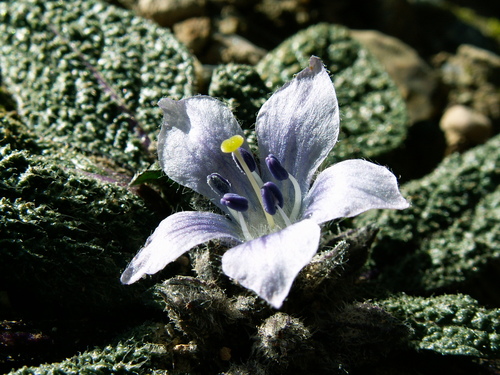
Mandrake
Mandragora officinarum
In Genesis 30, mandrakes (duda'im) appear in the story of Rachel's infertility; Theophrastus noted its reputation as an aphrodisiac, a use attached mainly to the fruits. No evidence of benefit.
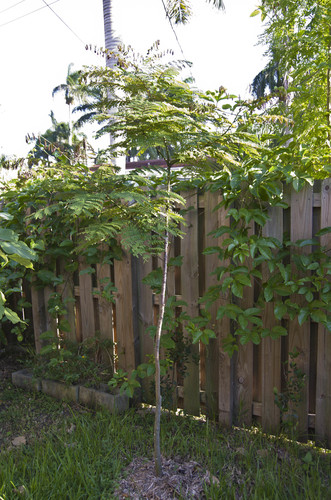
Prekese
Tetrapleura tetraptera
In Nigeria prekese has a reputation for treating female infertility. No clinical studies were found.
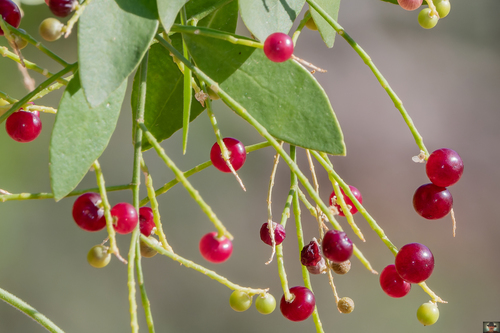
Toothbrush tree
Salvadora persica
A root decoction is used for female infertility in eastern Tanzania (Chhabra 1991, cited in a 2021 review); untested.