The Apothecary / Reproductive health
Childbirth and labour
30 remedies
See a doctor if
Herbs that act on the uterus are dangerous without midwifery or medical care.
Reference, not prescription. Nothing here is medical advice. Herbs can interact with medicines and be dangerous in pregnancy; tell your doctor or pharmacist about anything you take.
Strong evidence
StrongAn approved medicine, or consistent good-quality trials and reviews.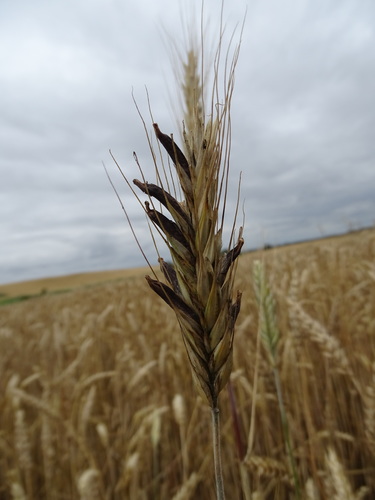
Moderate evidence
ModerateSeveral trials, mostly positive, or an EMA ‘well-established use’ monograph.
Limited evidence
LimitedSmall or few trials, mixed results, or mainly lab and animal work.
Boundary tree
Newbouldia laevis
Traditionally used in childbirth; leaf extracts directly stimulated uterine contractions in isolated rat uterus, which may explain this use.
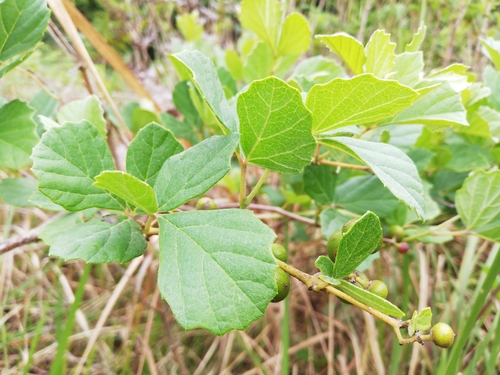
Bushman's grape
Rhoicissus tridentata
Roots are used as herbal oxytocics and in isihlambezo decoctions taken in the last trimester to facilitate delivery. Aqueous root extracts directly contracted isolated rat uterus via muscarinic receptors and cyclooxygenase products, and a mixture of asiatic and arjunolic acids from the roots was strongly uterotonic, while other constituents relaxed the muscle. Reviewers warn of possible birth complications from increased uterine contractility. No human studies.

Castor oil plant
Ricinus communis
Used by midwives to start labour. A Cochrane review found only three small, poor-quality trials (233 women) and not enough evidence to show it ripens the cervix or induces labour; every woman who drank it felt nauseous. The EMA contraindicates castor oil in pregnancy because it can affect labour.
Cathedral bells
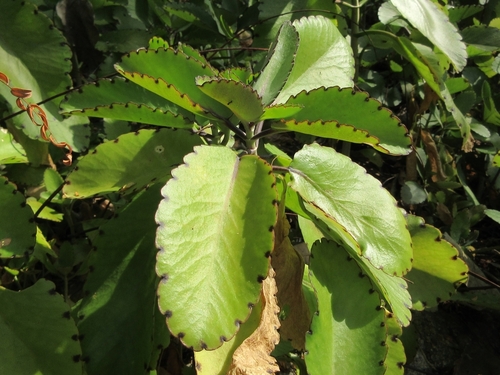
Bryophyllum pinnatum
Used to calm preterm contractions (tocolysis). A retrospective matched comparison of 67 women per group found pregnancy prolonged about as long as with beta-agonists (6.2 vs 5.4 days, not significant) with fewer palpitations and breathlessness; two randomised trials were stopped early for slow recruitment and could not establish efficacy.
Clary sage
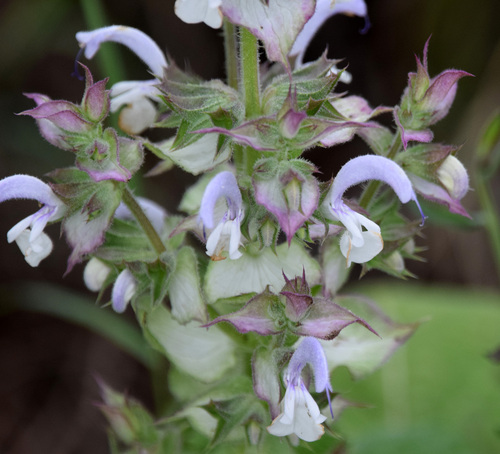
Salvia sclarea
In aromatherapy, the scent of clary sage oil is used to try to stimulate and strengthen labour contractions. In a feasibility study of 11 term-pregnant women, inhaling it produced a short-lived rise in salivary oxytocin. In a non-randomised study, a clary sage and lavender footbath raised oxytocin, but the change did not differ significantly from the control group, and uterine contractions did not change. A 2026 umbrella review lists clary sage among the oils used for labour pain and augmentation; most trials used other oils.
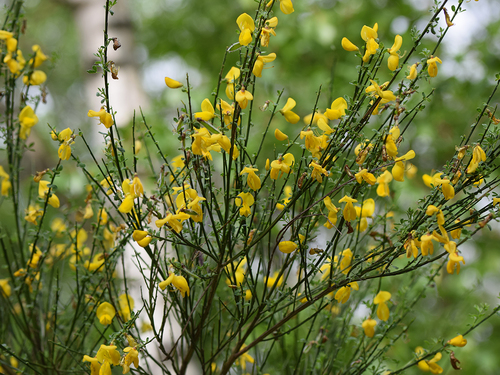
Common broom
Cytisus scoparius
Sparteine sulfate was introduced in the late 1930s to induce and speed labour. In one study (Dipont 1971), 100–150 mg by mouth given to 427 women in the first stage of labour shortened that stage significantly compared with 98 controls, with vomiting as the only reported adverse effect. Its uterotonic effect seems to work through prostaglandin F. Reports of uterine rupture with sparteine sulfate were published in the 1960s. Obsolete, and not a home remedy.

Date palm
Phoenix dactylifera
In a prospective, non-randomised study, women who ate dates in the last four weeks of pregnancy arrived in hospital more dilated (3.5 vs 2.0 cm), more often went into labour spontaneously (96% vs 79%) and needed less prostaglandin or oxytocin (28% vs 47%) than women who ate none. The authors called for a randomised trial.
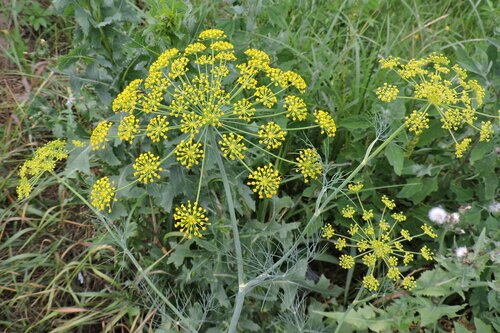
Dill
Anethum graveolens
A 2020 systematic review found two RCTs and two retrospective cohorts in which dill seed shortened the stages of labour; the evidence base is small. WHO, by contrast, advises against dill fruit in pregnancy (see safety).
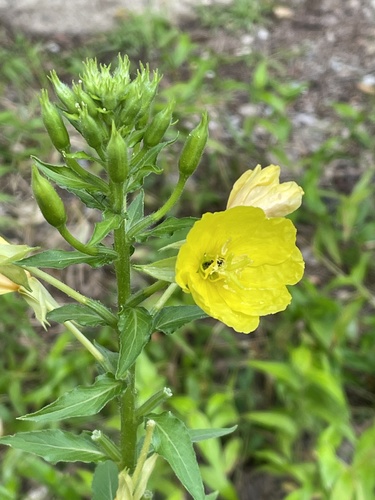
Evening primrose
Oenothera biennis
Taken orally or vaginally to try to start labour at term; studies have given inconsistent results and long-term safety of this use is not established (NCCIH).

Flixweed
Descurainia sophia
A single Iranian human study, cited in a 2016 review, reported that drinking the seed in the last month of pregnancy helped ripen the cervix and ease vaginal delivery. This is not a reason to take it in pregnancy: the study is small and the seeds contain cardiac glycosides.

French lavender
Lavandula stoechas
A 2020 meta-analysis of 13 Iranian trials (794 women given lavender, 795 controls) found lower labour pain with lavender aromatherapy or massage: mean 5.4 versus 7.2 on a 10-point scale. At least one product used was a L. stoechas essence, but the trials varied in species, method and quality, and the results were heterogeneous.
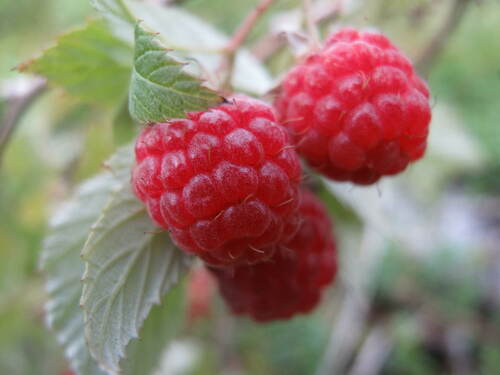
Raspberry
Rubus idaeus
In a randomised placebo-controlled trial in 192 first-time mothers (raspberry leaf tablets 2 × 1.2 g daily from 32 weeks), there were no significant differences in length of pregnancy, augmentation of labour, pain relief or length of the stages of labour, apart from a shorter second stage. A retrospective study of 108 women and a small 2024 observational study (91 women) suggested less augmentation of labour, but reviewers call the evidence weak and ask for proper trials.
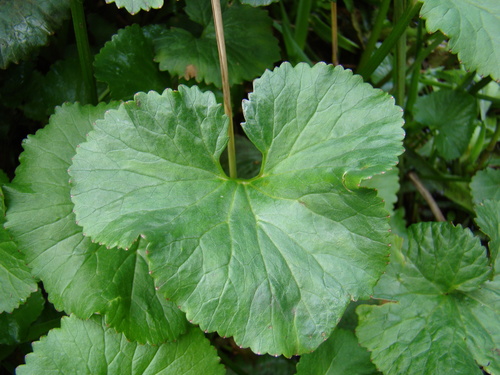
River pumpkin
Gunnera perpensa
Used by several southern African peoples to start or speed labour and ease childbirth, in women and in livestock. Aqueous extracts made isolated rat uterus contract and potentiated its response to oxytocin; there are no human studies of efficacy or safety.
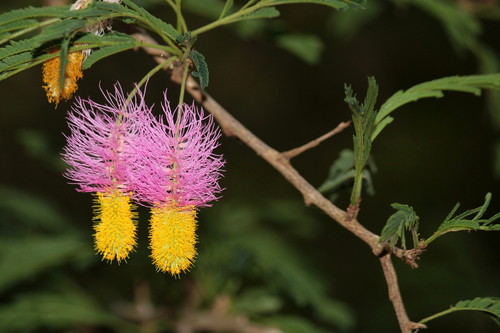
Sickle bush
Dichrostachys cinerea
Bark is used in Gabon and Côte d'Ivoire to facilitate childbirth. A methanol bark extract increased the force and frequency of contractions of isolated uterine strips from pregnant rats, less strongly than oxytocin.
Traditional use
TraditionalLong recorded use, essentially untested in clinical trials.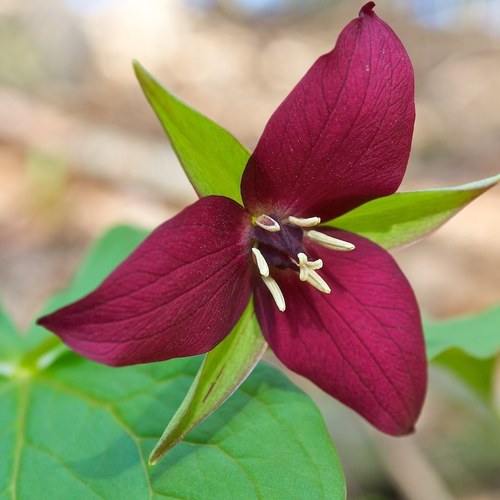
Beth root
Trillium erectum
Listed among herbs taken in native North American practice to induce labour; never tested, and not a safe use.
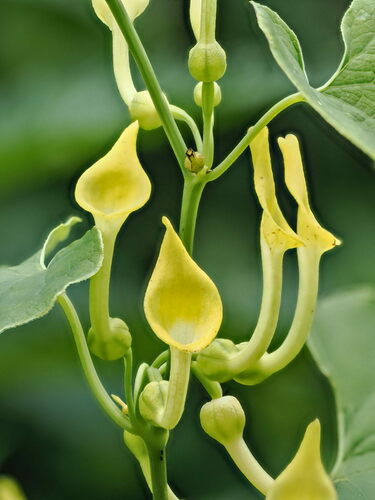
Birthwort
Aristolochia clematitis
The plant was formerly used to assist childbirth and expel the afterbirth, which gave it its name; ancient Greek and Roman texts record it. This use is obsolete and dangerous.
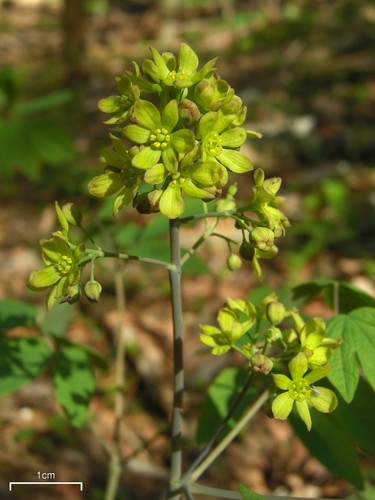
Blue cohosh
Caulophyllum thalictroides
Cherokee and Potawatomi people used it to promote or aid childbirth, and it was later used by midwives as a labour-inducing agent. There are no controlled trials; case reports describe congestive heart failure and stroke in newborns after maternal use to stimulate labour.
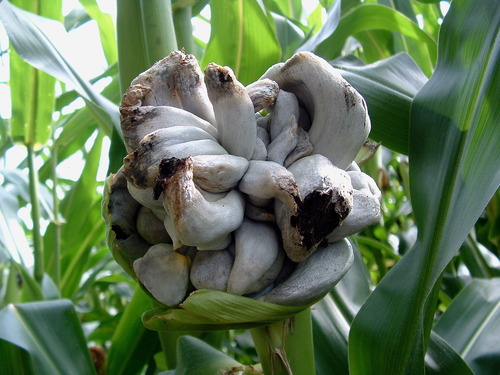
Corn smut
Ustilago maydis
Nineteenth-century Eclectic and homoeopathic physicians used it in labour, like ergot, to make the uterus contract, claiming its contractions were milder. Cows fed smutted corn and dogs given the powder aborted. Not a modern obstetric medicine.

False abura
Mitragyna inermis
Talensi healers in northern Ghana boil the root, stem or leaves to aid delivery and give strength to pregnant women; in Mauritania leaf decoctions are used for complications after childbirth.

Kacip fatimah
Labisia pumila
Malay and Indonesian women traditionally drink it to facilitate childbirth. This has not been tested, and a 2024 case report describes spontaneous uterine rupture and stillbirth in a woman at 41 weeks who had been drinking Kacip Fatimah leaf water to help labour.
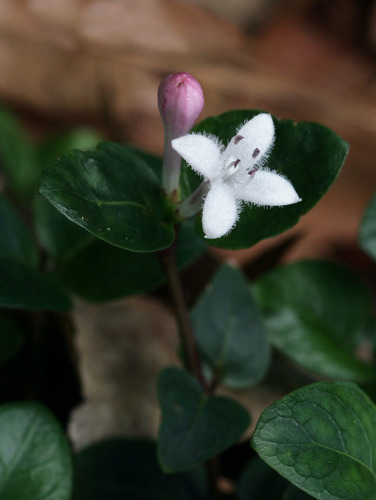
Partridge berry
Mitchella repens
Cherokee and Iroquois used it to ease childbirth and labour pains; King's (1898) records that Indigenous women drank a decoction for weeks before confinement, and Felter (1922) wrote that if it had any virtue it lay in calming nervous irritability in late pregnancy. No clinical studies.
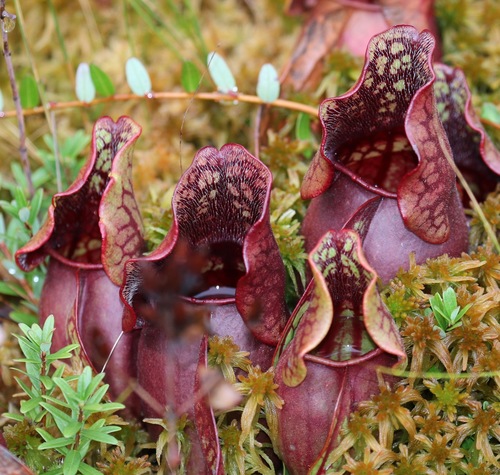
Purple pitcher plant
Sarracenia purpurea
The Algonquin took a leaf infusion to make childbirth easier, the Ojibwa a root infusion to help a woman give birth, and the Woods Cree a root decoction to expel the afterbirth and prevent sickness after childbirth.

Sea hibiscus
Hibiscus tiliaceus
In Hawaiian herbal medicine the slimy substance from the inner bark, mixed with water, was taken before or between the pains of childbirth (Akana, 1922). No clinical data.
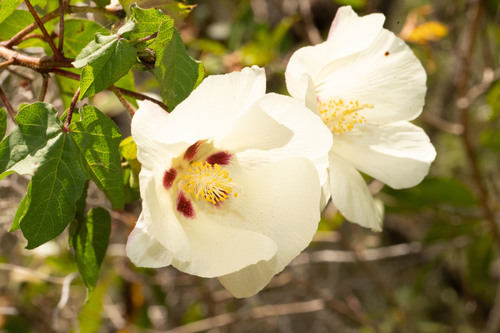
Upland cotton
Gossypium hirsutum
Called 'parturient' in the 19th-century dispensatories and said to act in uterine inertia during labour, though Felter (1922) notes it was seldom used for this. Untested by modern standards.
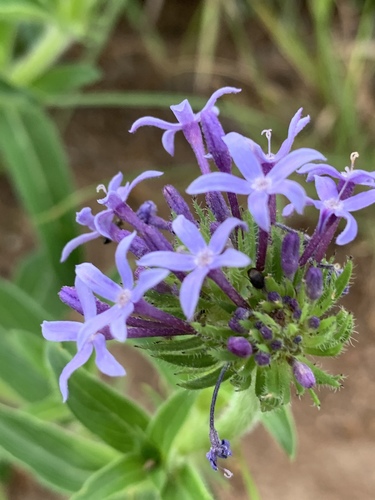
Wild verbena
Pentanisia prunelloides
Used in remedies during pregnancy and childbirth and believed to stimulate uterine contraction. A crude decoction acted directly on isolated rat uterus.
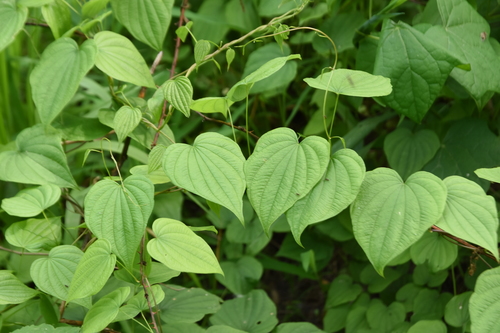
Wild yam
Dioscorea villosa
The Meskwaki recorded that women used the root for pain in childbirth.
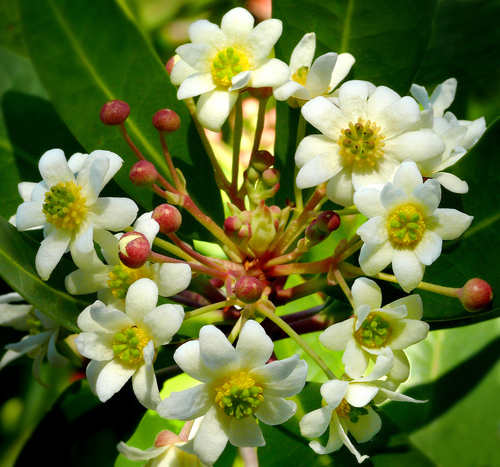
Winter's bark
Drimys winteri
In Mapuche medicine a leaf infusion was used to relieve the pains of childbirth.
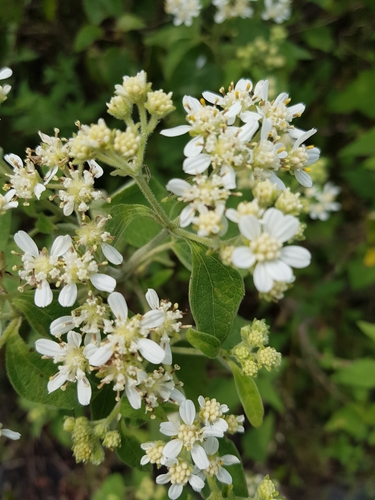
Zoapatle
Montanoa tomentosa
Used in Mexico for about five centuries to induce labour and produce rhythmic uterine contractions at birth. Its uterotonic action is confirmed in animal and human studies, but it has never been tested as a safe labour-induction agent.