The Apothecary / Reproductive health
Menopause
28 remedies
See a doctor if
Bleeding after menopause should always be investigated.
Reference, not prescription. Nothing here is medical advice. Herbs can interact with medicines and be dangerous in pregnancy; tell your doctor or pharmacist about anything you take.
Moderate evidence
ModerateSeveral trials, mostly positive, or an EMA ‘well-established use’ monograph.
Limited evidence
LimitedSmall or few trials, mixed results, or mainly lab and animal work.
Anise
Pimpinella anisum
In one trial of 60 menopausal women, 4 g of anise a day for 8 weeks lowered depression, anxiety and stress scores and menopausal symptom scores compared with placebo. It is a single small study.
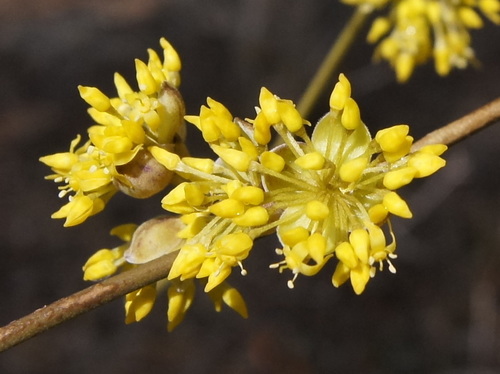
Asiatic dogwood
Cornus officinalis
Extracts raised oestradiol production in granulosa cells and affected bone and fat cells in lab studies; there are no trials in menopausal women.
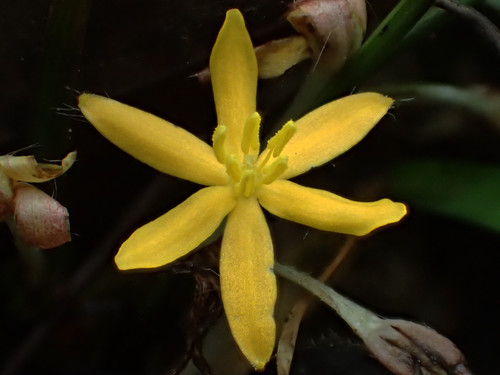
Black musli
Curculigo orchioides
Its yang-tonifying effect is described as hormone-like, acting on the pituitary–ovary axis in rats; total glucosides reduced signs of perimenopausal syndrome in castrated and model mice.
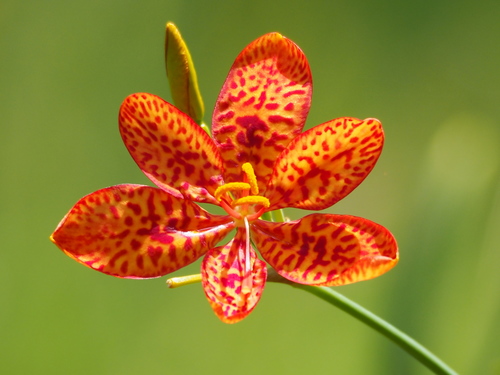
Blackberry lily
Iris domestica
Tectorigenin binds both oestrogen receptors and suppressed pulsatile LH secretion in ovariectomised rats; an extract protected bone without stimulating the uterus. Suggested for hot flushes and osteoporosis but not tested in women.
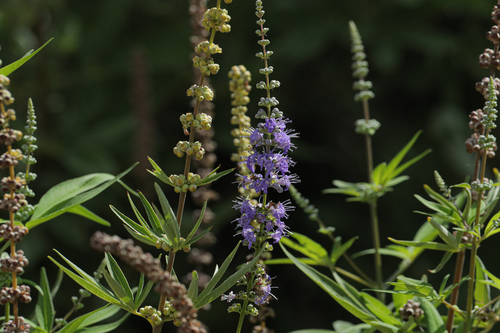
Chaste tree
Vitex agnus-castus
NCCIH reports only a preliminary study suggesting it might help some menopausal symptoms.
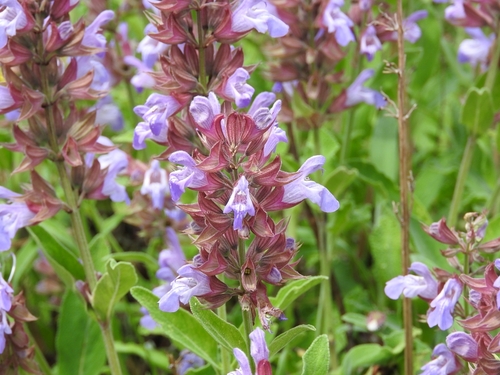
Common sage
Salvia officinalis
In an open, uncontrolled trial of 71 menopausal women, a daily fresh-sage tablet for 8 weeks was followed by a 64% fall in intensity-rated hot flushes. EMA recognises traditional use for excessive sweating.
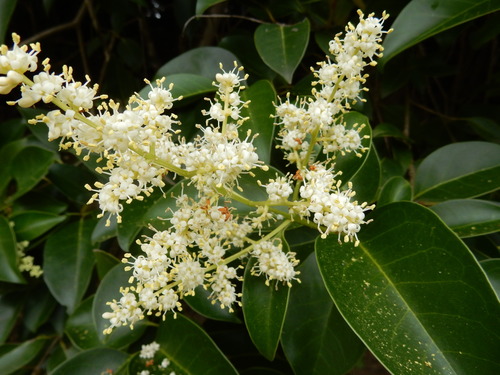
Glossy privet
Ligustrum lucidum
The Ligustrum–Eclipta pair is among the most used herb pairs for menopausal syndrome in Chinese practice. Randomised placebo-controlled trials of modified Erzhi Pill formulas reported improvements in vaginal atrophy and in vasomotor symptoms and oestrogen levels, but every trial used a modified or combined formula, so the fruit's own effect is unknown.

Honeybush
Cyclopia genistoides
Methanol extracts showed phytoestrogenic activity, mainly via oestrogen receptor-β, in cell assays; whether the tea has any effect in people is unknown.

Kacip fatimah
Labisia pumila
In a 16-week randomised placebo-controlled trial in 197 Malaysian women aged 40–60, 400 mg/day of a water extract of var. alata improved several Women's Health Questionnaire scores (vasomotor symptoms by 15.9%, sleep problems by 31%) without changing LH, FSH or oestradiol. A 6-month pilot trial (63 postmenopausal women, 280 mg/day) found only lower triglycerides, and a combination with Eurycoma longifolia did not beat placebo on hot flushes.
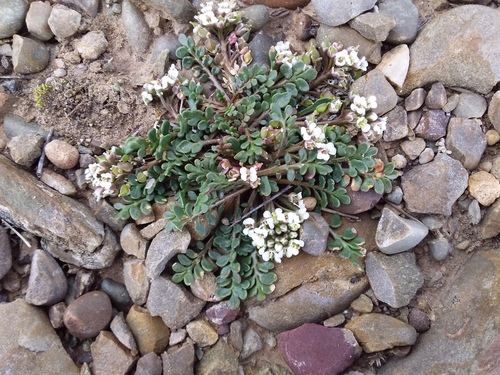
Maca
Lepidium meyenii
Four RCTs all reported favourable effects on menopausal symptom scales, but a 2011 systematic review judged them too few, small and weak for firm conclusions, and safety unproven.
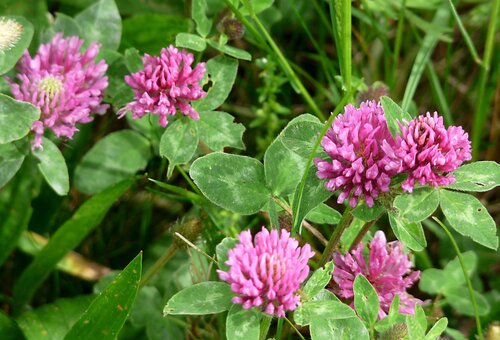
Red clover
Trifolium pratense
A 2021 meta-analysis of eight randomised trials found that red clover isoflavone extracts reduced hot flushes by about 1.7 a day more than placebo, with larger effects at 80 mg/day or more over 12 weeks in women with frequent flushes. Several individual trials, including one of 252 women, found no difference from placebo, and NCCIH notes some studies had a high risk of bias.
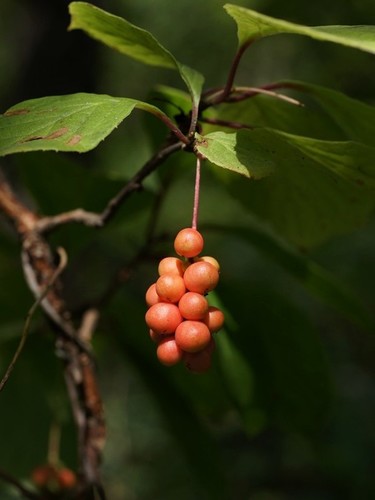
Schisandra
Schisandra chinensis
One randomised placebo-controlled trial in 36 women (6 weeks of an extract, BMO-30) found a lower Kupperman menopause index score than placebo, mainly for hot flushes, sweating and palpitations. Not replicated in larger trials.
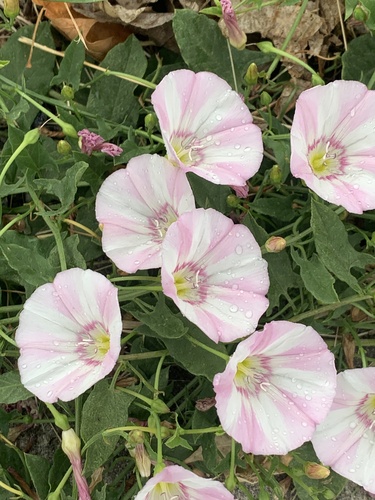
Shankhpushpi
Convolvulus prostratus
In a randomised pilot trial in 30 women with menopausal symptoms after hysterectomy, 6 g of powder twice daily for 45 days improved menopause rating scores, quality of life and anxiety about as much as shatavari (Asparagus racemosus) powder; there was no placebo group and no adverse effects were reported.
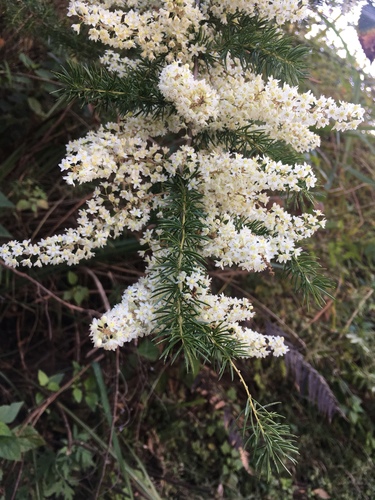
Shatavari
Asparagus racemosus
In an 8-week randomised trial in 135 women aged 45–65, shatavari extract (300 mg/day) improved Menopause Rating Scale scores against placebo, and a shatavari–ashwagandha combination more so; the authors call for longer, larger trials. Another positive perimenopause trial from a different group was retracted in 2026.
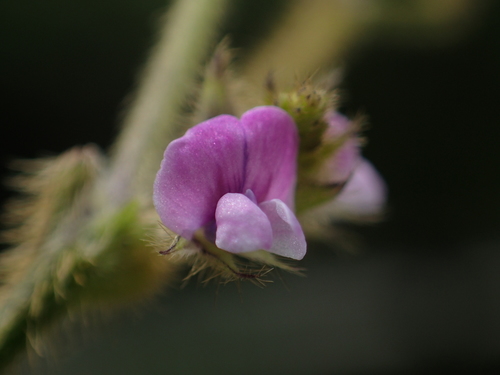
Soybean
Glycine max
A Cochrane review of 43 trials found no conclusive evidence that phytoestrogen supplements, soy among them, reduce hot flushes or night sweats, though extracts high in genistein (over 30 mg a day) looked more promising and placebo effects were large. NCCIH says any benefit may be small. Soy isoflavones probably help bone density after menopause.
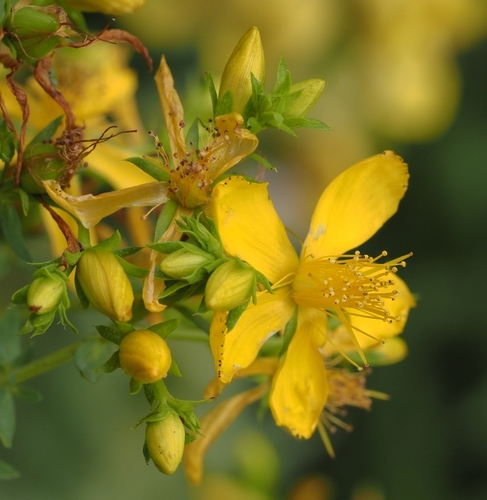
St John's wort
Hypericum perforatum
A small number of studies suggest it may help hot flushes (NCCIH).
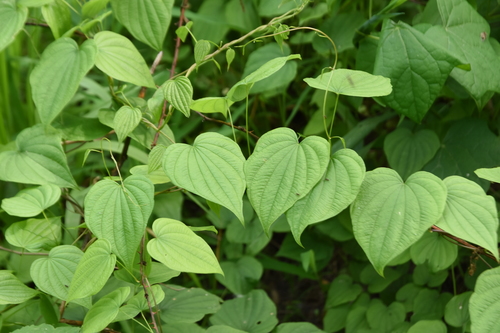
Wild yam
Dioscorea villosa
In a double-blind, placebo-controlled crossover trial in 23 women with troublesome menopausal symptoms, 3 months of topical wild yam cream did no better than placebo on hot flushes, night sweats or other symptoms. It did not change serum or salivary progesterone, oestradiol, FSH or lipids, despite claims that diosgenin influences the body's own steroid production.
Traditional use
TraditionalLong recorded use, essentially untested in clinical trials.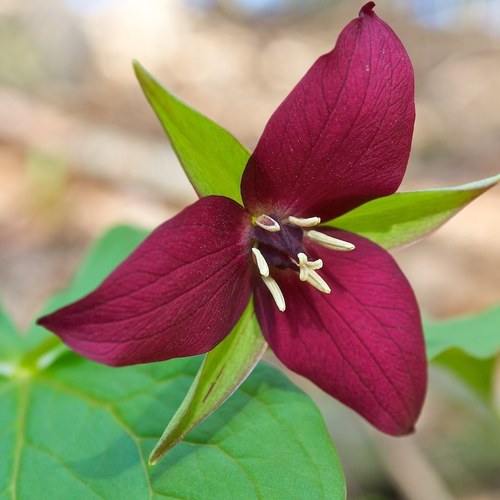
Beth root
Trillium erectum
A Cherokee infusion for 'the change of life'.
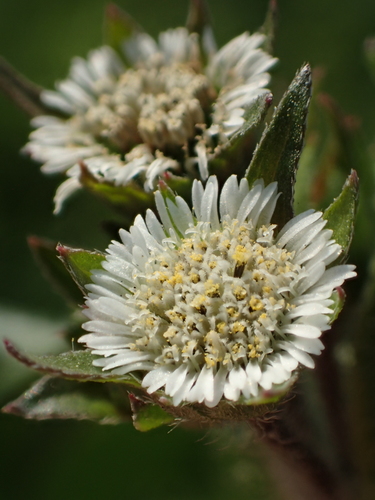
False daisy
Eclipta prostrata
The pair of eclipta and glossy privet (the Erzhi formula) is among the herb pairs most frequently prescribed for menopausal symptoms in Chinese medicine; no clinical trials of either herb alone were found.
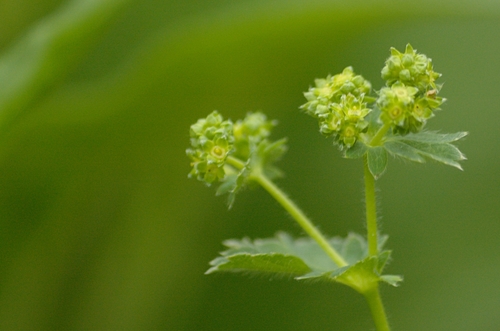
Lady's mantle
Alchemilla vulgaris
Part of the same Balkan folk use for menopausal complaints; untested in people.
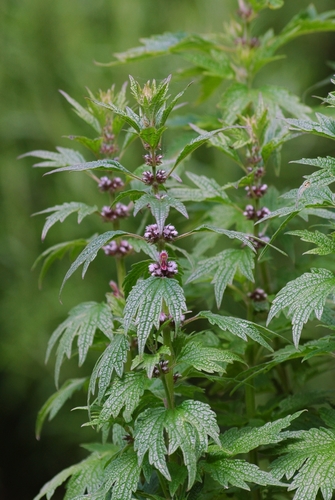
Motherwort
Leonurus cardiaca
German handbooks record traditional use for climacteric complaints, and Latvian and Lithuanian products for palpitations linked to menopause; not tested in trials.
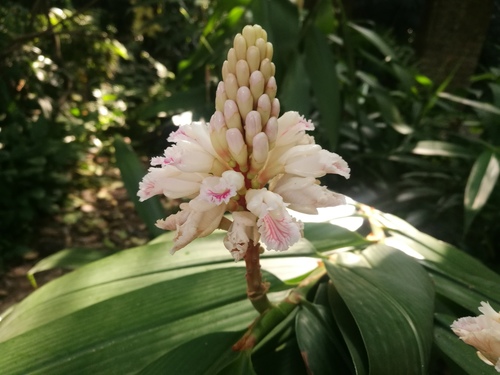
Sharp-leaf galangal
Alpinia oxyphylla
A Qing-dynasty preparation of yi zhi ren with salt in glutinous-rice porridge has been used for menopausal syndrome and for elderly patients with cold abdominal pain and frequent urination; untested.
Evidence against
AgainstGood trials found no benefit.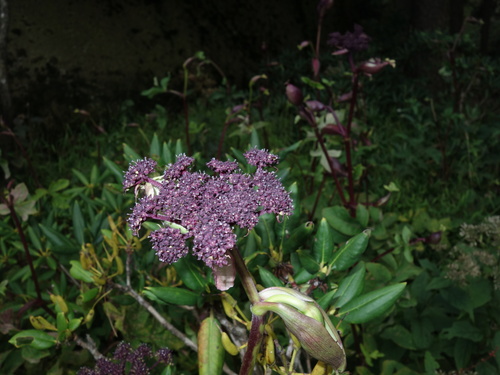
Dong quai
Angelica sinensis
In a 24-week double-blind trial in 71 postmenopausal women, 4.5 g of root daily was no more helpful than placebo for hot flushes and had no oestrogen-like effect on the womb lining or vaginal cells. WHO concludes no use is supported by clinical data.
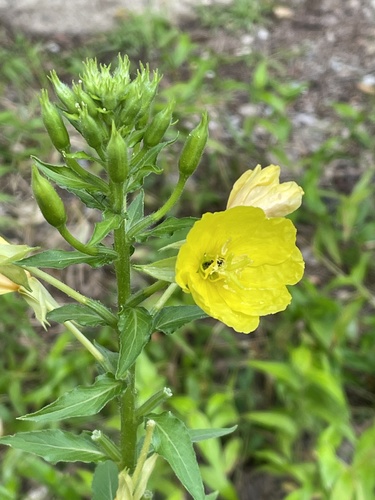
Evening primrose
Oenothera biennis
WHO: trial results do not support use for menopausal (climacteric) symptoms; NCCIH also finds insufficient evidence.
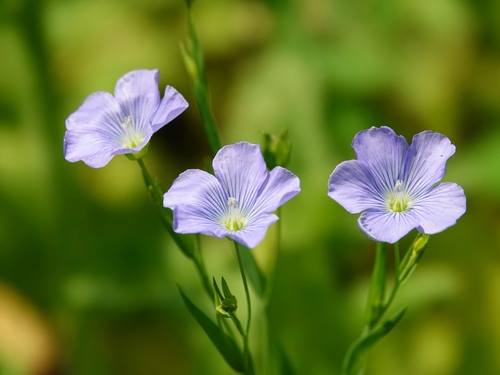
Flax (Linseed)
Linum usitatissimum
A phase III placebo-controlled trial in 188 women (410 mg lignans daily for 6 weeks) found no benefit over placebo for hot flushes; another trial of a flaxseed-rich food also found none.
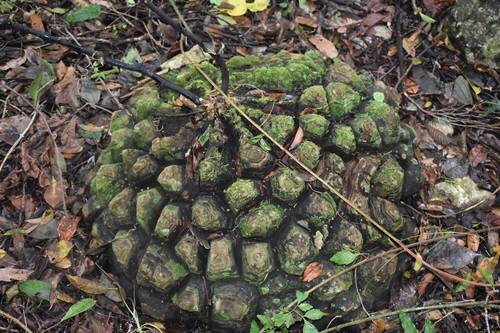
Mexican yam
Dioscorea mexicana
'Wild yam' creams are sold for menopause on the idea that diosgenin acts like a hormone. In a double-blind crossover trial in 23 women, a wild yam cream (from the related D. villosa) changed neither symptoms nor progesterone, oestradiol or FSH levels compared with placebo.
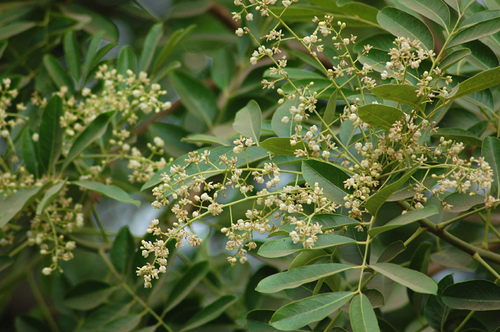
Senegal mahogany
Khaya senegalensis
In a 28-day randomised placebo-controlled trial in 140 peri- and postmenopausal women, 2 g a day of the same bark product showed no significant difference from placebo on the primary outcome (Greene Climacteric Scale) or secondary outcomes. Subgroup analyses suggested benefits for mood, fatigue and sleep in postmenopausal women only; the authors call these tentative.