The Apothecary / Reproductive health
Breast-milk supply
32 remedies
Reference, not prescription. Nothing here is medical advice. Herbs can interact with medicines and be dangerous in pregnancy; tell your doctor or pharmacist about anything you take.
Limited evidence
LimitedSmall or few trials, mixed results, or mainly lab and animal work.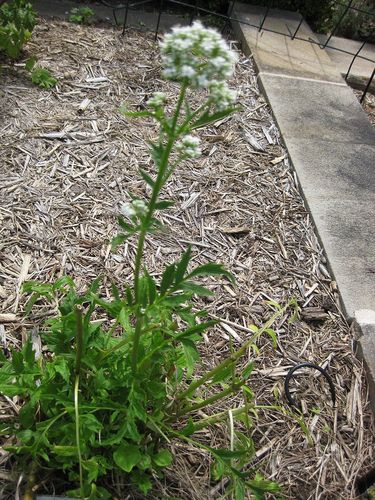
Anise
Pimpinella anisum
In a randomised trial, mothers of preterm babies who drank anise tea pumped more milk than placebo and control groups on most of the first seven days, but their babies gained no more weight. EMA and WHO still advise against use while breastfeeding because safety is not established.

Cacao
Theobroma cacao
LactMed reports a small study in which cacao butter on the nipples in the first 10 days after birth led to less nipple pain, rash and cracking than the mother's own milk.
Fenugreek
Trigonella foenum-graecum
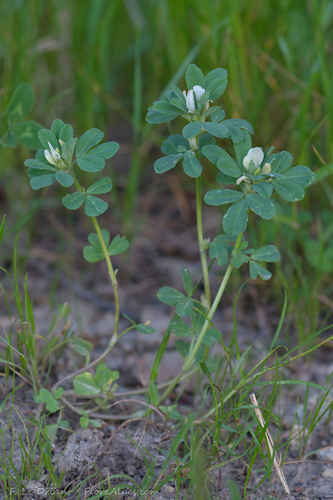
A 2018 network meta-analysis of five small studies (122 women on fenugreek) found more milk than with placebo, but less effect than some other galactagogues; NCCIH calls the results mixed and the benefit uncertain. The EU monograph does not recommend it during breastfeeding because safety is not established.
Garden cress
Lepidium sativum
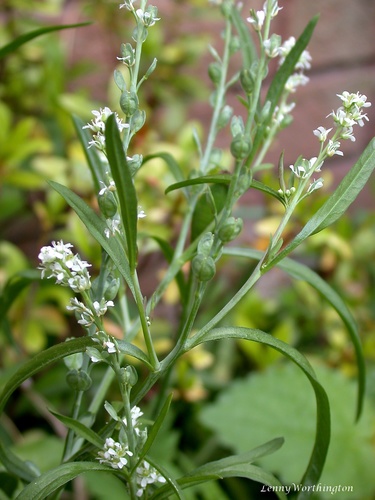
In an open-label randomised trial in India, 46 mothers of babies born before 32 weeks with low milk supply took 2.5 g of soaked seeds daily or nothing; the seed group expressed significantly more milk by day 28 and no adverse effects were reported. The trial was small, unblinded and had no placebo. In Ethiopia 44.6% of herb-using lactating mothers surveyed at one clinic used the seeds.
Goat's rue
Galega officinalis
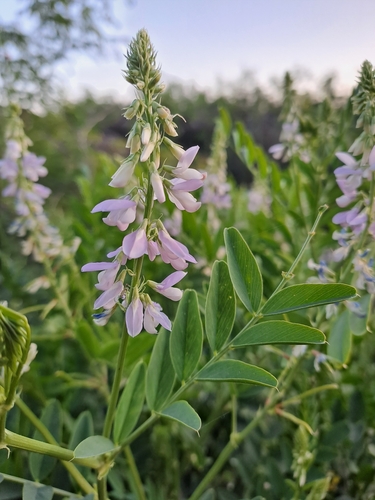
Widely used as a galactagogue; LactMed finds no scientifically valid trials, only old poorly controlled studies. A randomised trial of a combination product (silymarin plus galega) in mothers of preterm babies reported more exclusive breast-milk feeding at 3 months, but cannot isolate galega's effect.
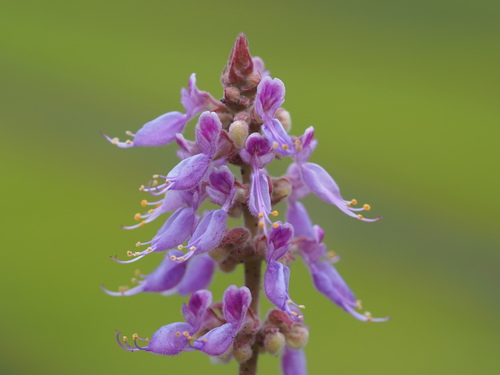
Indian borage
Coleus amboinicus
Used as a lactagogue, especially in Indonesia (torbangun). In an open-label randomised trial in 120 Indonesian mothers, a decoction of katuk, torbangun and papaya leaves increased milk volume and infant weight over 28 days about as much as a katuk-extract capsule; there was no placebo group. A 2026 systematic review cites an earlier review in which Coleus amboinicus appeared to increase milk more than fenugreek.

Indian kudzu
Pueraria tuberosa
In Ayurveda the powdered tuber is taken with cow's milk to restore milk supply after childbirth. A 2024 study found galactagogue effects in female rats; no human trials were found.
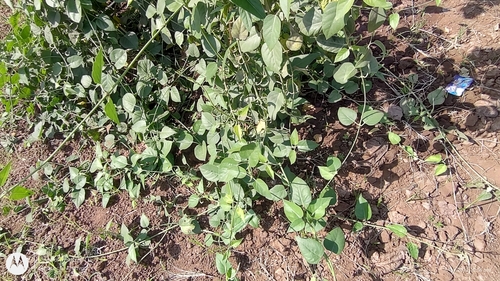
Jivanti
Leptadenia reticulata
Leptaden tablets (an L. reticulata formulation) were reported in early uncontrolled Indian clinical work to start milk flow, often within 12 hours, and raised milk yield in dairy cows and buffaloes. No modern randomised trials in women were found; a 2022 computer-docking study proposed that plant sterols might act on dopamine D2 receptors, which has not been tested in people.
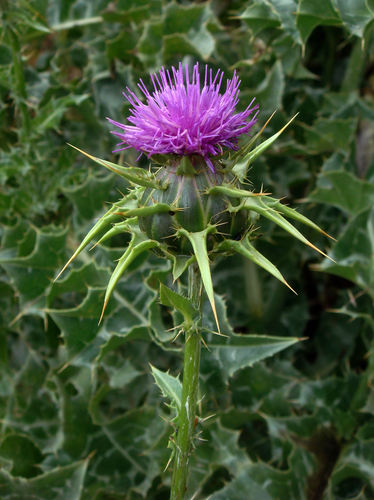
Milk thistle
Silybum marianum
Used in British and European folk medicine for nursing mothers; NCCIH states it is unclear whether milk thistle affects milk production.

Moringa (Drumstick tree)
Moringa oleifera
LactMed cites a meta-analysis of 14 studies (865 women) in which moringa raised serum prolactin and milk volume. A 2025 systematic review of 8 short trials (3–10 days) found milk volume rose by up to 400 ml/day over controls. Long-term benefit to infants has not been studied.
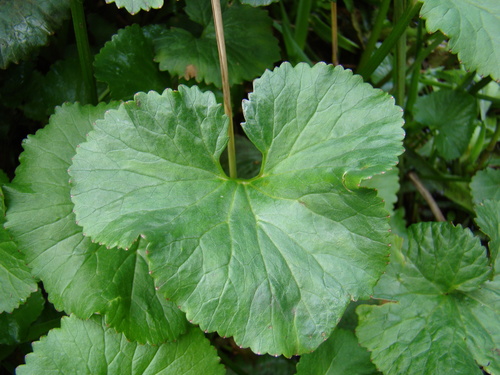
River pumpkin
Gunnera perpensa
Zulu healers give a root decoction to stimulate milk. In lactating rats an oral aqueous rhizome extract increased milk production and mammary lobuloalveolar development without changing prolactin or other measured hormones. No human studies.
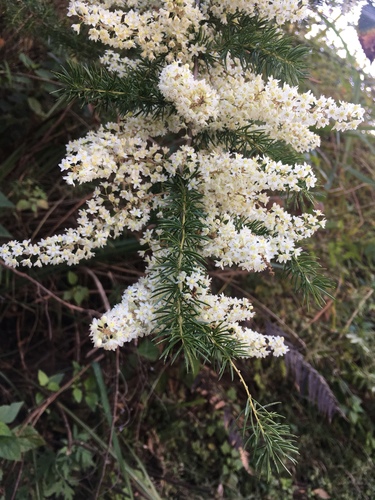
Shatavari
Asparagus racemosus
LactMed (US National Library of Medicine) calls results of clinical studies mixed, often using shatavari in herbal mixtures; one small, well-done study found serum prolactin and infant weight rose more than with placebo. A 2025 randomised placebo-controlled trial in 113 women given 300 mg extract twice daily for the first 72 hours after birth reported more milk at 72 hours and quicker breast fullness.
Traditional use
TraditionalLong recorded use, essentially untested in clinical trials.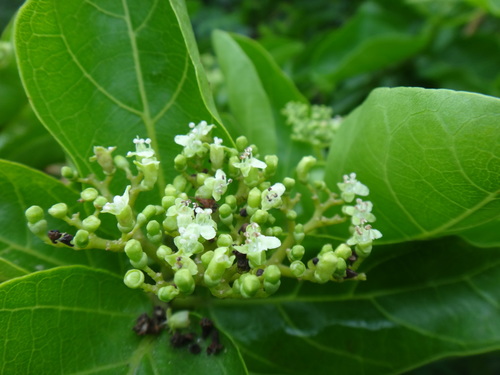
Agnimantha
Premna serratifolia
Leaves are recorded as galactagogue, and the root-containing Daśamūlāriṣṭa is used in postnatal care.
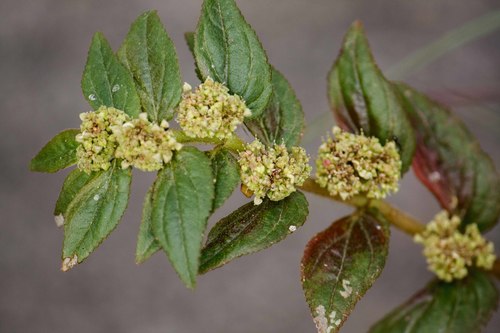
Asthma weed
Euphorbia hirta
Widely used as a galactagogue in West Africa and sold for this in Nigeria; in India the root decoction is given to nursing mothers. Mammary development was seen in immature guinea pigs only.
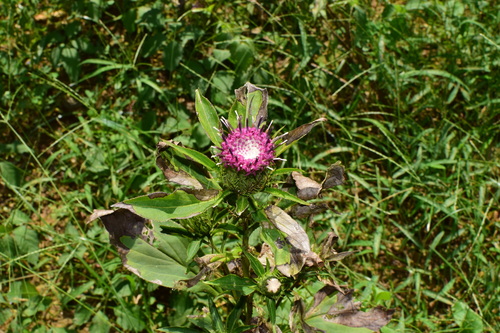
Bai zhu
Atractylodes macrocephala
Used in Chinese herbal mixtures given to increase milk and for mastitis; because it is always mixed with other herbs, its own effect cannot be judged (LactMed).
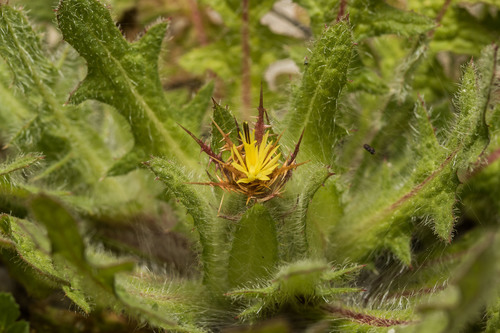
Blessed thistle
Centaurea benedicta
A purported galactagogue included in proprietary 'milk supply' mixtures, but LactMed states that no scientifically valid clinical trials support this use; EMA does not recommend it during breastfeeding for lack of safety data.

Borage
Borago officinalis
Leaf and flower are in proprietary 'milk supply' mixtures, but no valid trials support this; LactMed advises avoiding products made from plant parts, because pyrrolizidine alkaloids may pass into breast milk.
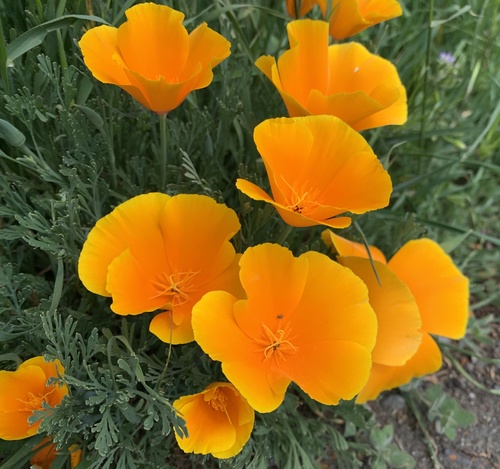
California poppy
Eschscholzia californica
Used the other way round from most lactation herbs: Mendocino women washed with the root juice to stop milk secretion, and women of the Mendocino, Pomo, Yuki and Kashaya rubbed mashed seed pods on the breast to decrease or stop milk.
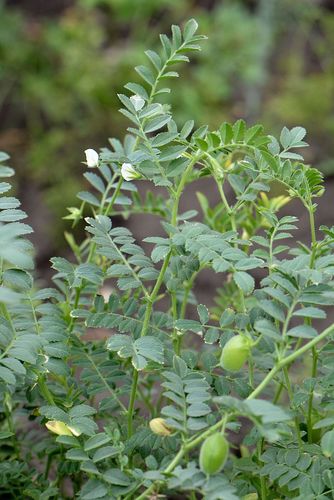
Chickpea
Cicer arietinum
Dioscorides wrote that chickpeas increase milk and promote menstruation. Never tested.

Cluster fig
Ficus racemosa
Ayurveda uses the bark as a galactagogue; no clinical evidence was found.
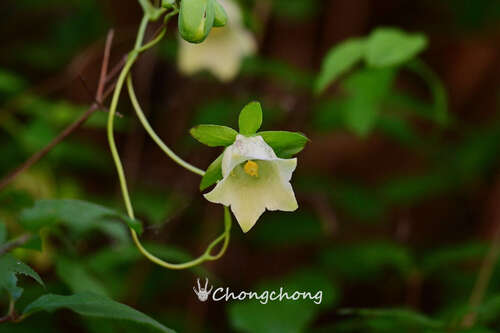
Codonopsis
Codonopsis pilosula
LactMed notes it has been used as part of a herbal galactogogue mixture; because it is used in mixtures, its own contribution cannot be assessed.
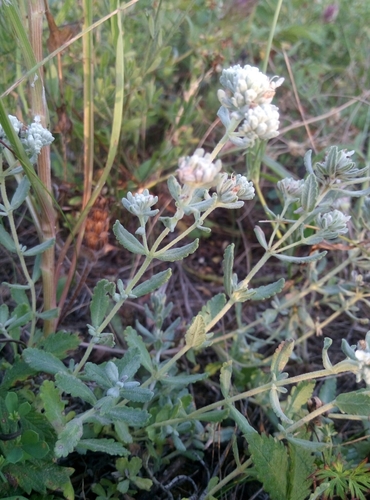
Felty germander
Teucrium polium
In Turkey it is used in late pregnancy and after birth to increase breast milk. Three women who took it for this reason developed serious hepatitis (see safety).

Honeybush
Cyclopia genistoides
Used traditionally to promote breast-milk production; not studied.
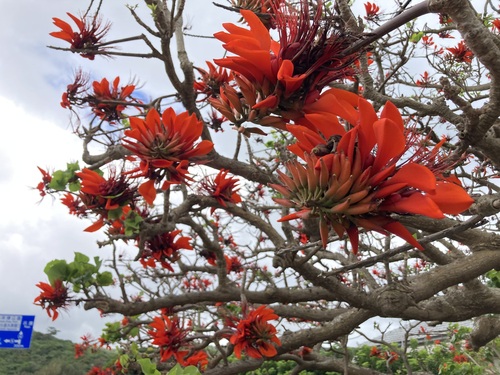
Indian coral tree
Erythrina variegata
In India women take the leaf juice to stimulate milk flow and menstruation, according to the 2010 review. Untested.
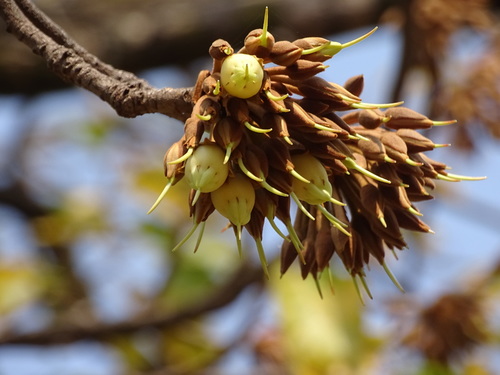
Mahua
Madhuca longifolia
Ayurveda uses the flowers for cooling, digestion and lactation; no clinical data.
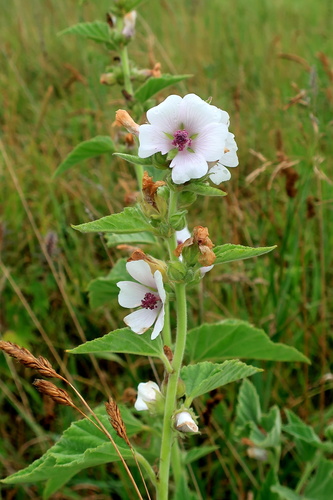
Marsh mallow
Althaea officinalis
Promoted as a galactagogue and included in some milk-supply mixtures, but LactMed notes no scientifically valid clinical trials support this.
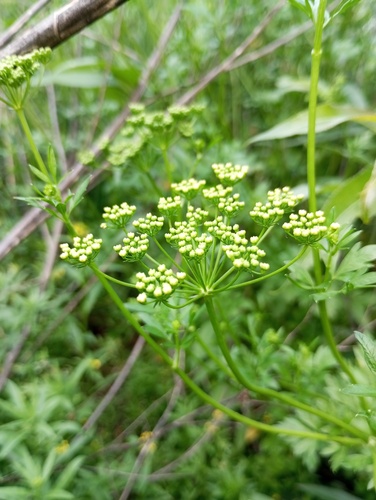
Parsley
Petroselinum crispum
Bruised leaves were laid on swollen breasts and were reputed to 'dry up the milk'. Warm parsley compresses are still used for breast engorgement, and sage-and-parsley capsules are said to reduce milk flow, while some mothers in Türkiye use parsley to increase supply. No valid trials support either use.
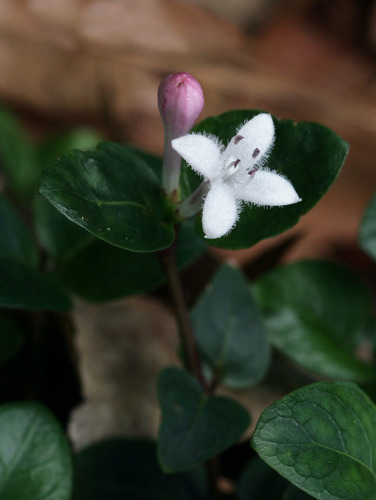
Partridge berry
Mitchella repens
King's gives a salve of the strong decoction boiled down with cream for sore nipples; the Cherokee also used it for sore nipples.
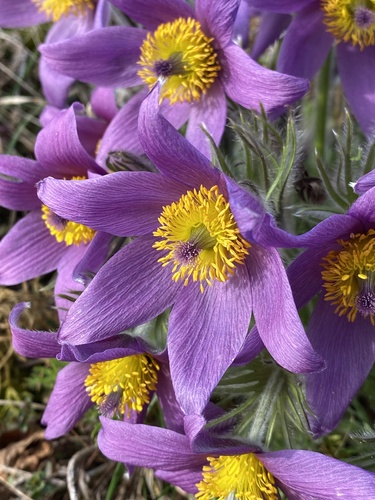
Pasque flower
Pulsatilla vulgaris
Homeopathic pulsatilla is reportedly used both to increase and to reduce milk supply and for mastitis; LactMed states that no scientifically valid trials support any of these uses.

Roselle
Hibiscus sabdariffa
LactMed notes hibiscus is used as a galactagogue in some cultures and appears in milk-supply mixtures, but no scientifically valid trials support this, and nothing is known about its passage into breast milk.
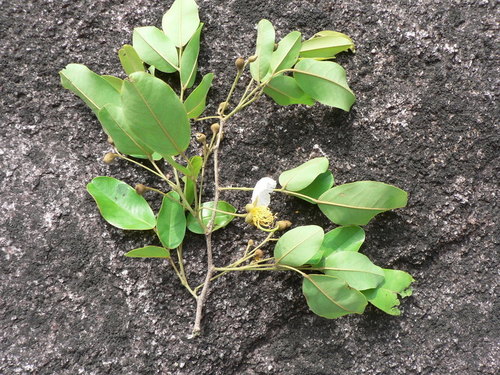
Snake bean
Bobgunnia madagascariensis
Known in Benin as a galactogenic (milk-increasing) plant used by livestock farmers; human use is not documented in the sources found.
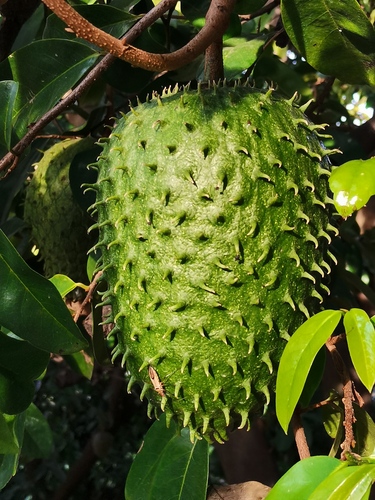
Soursop
Annona muricata
The fruit is eaten to increase a mother's milk after childbirth.